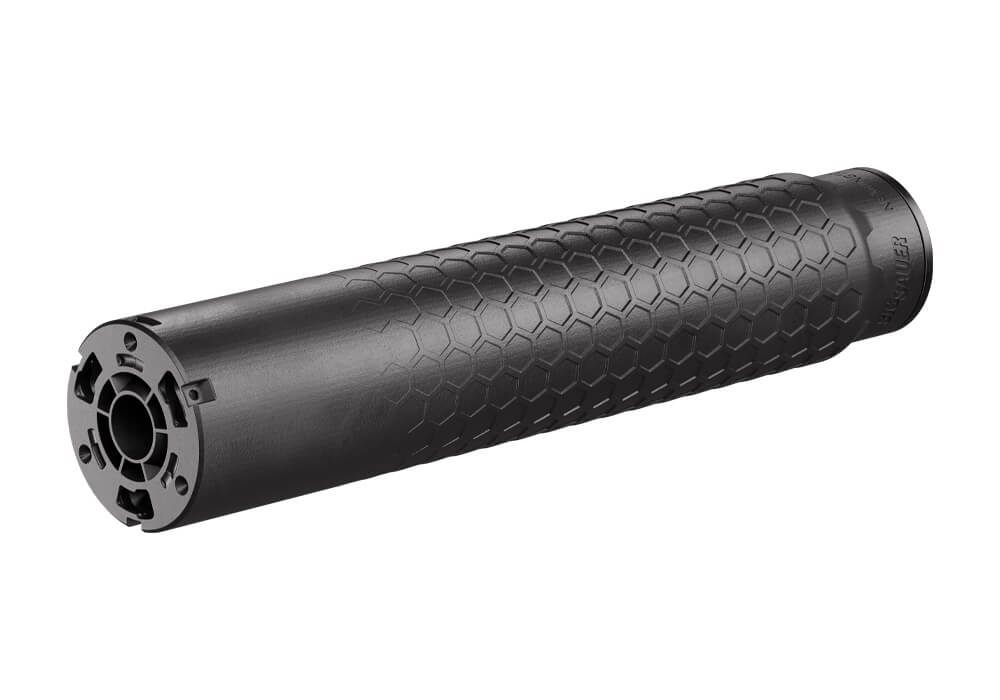
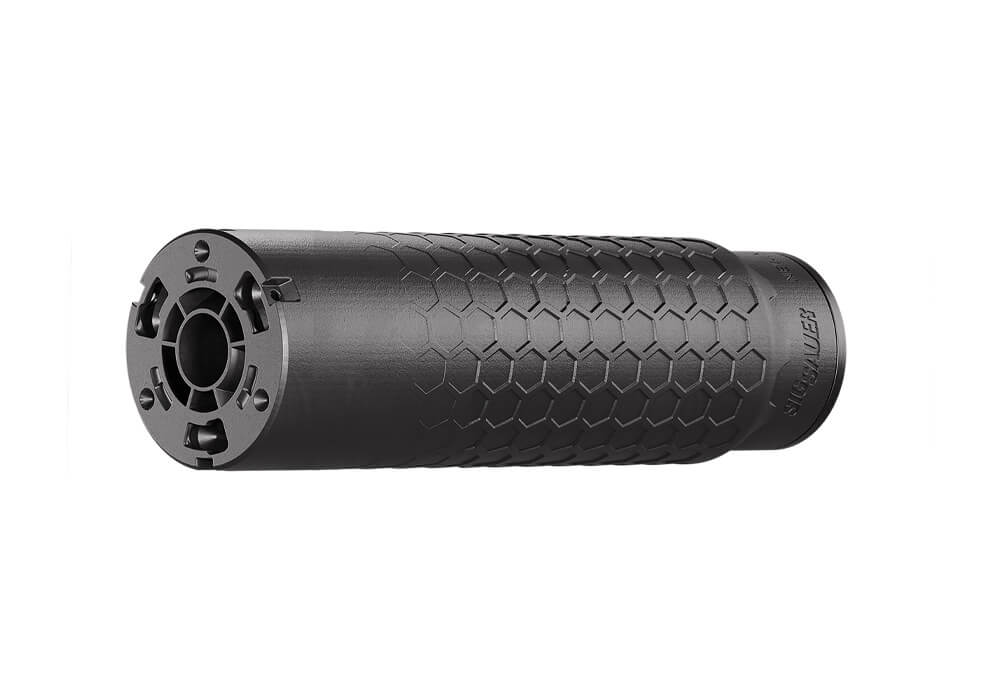
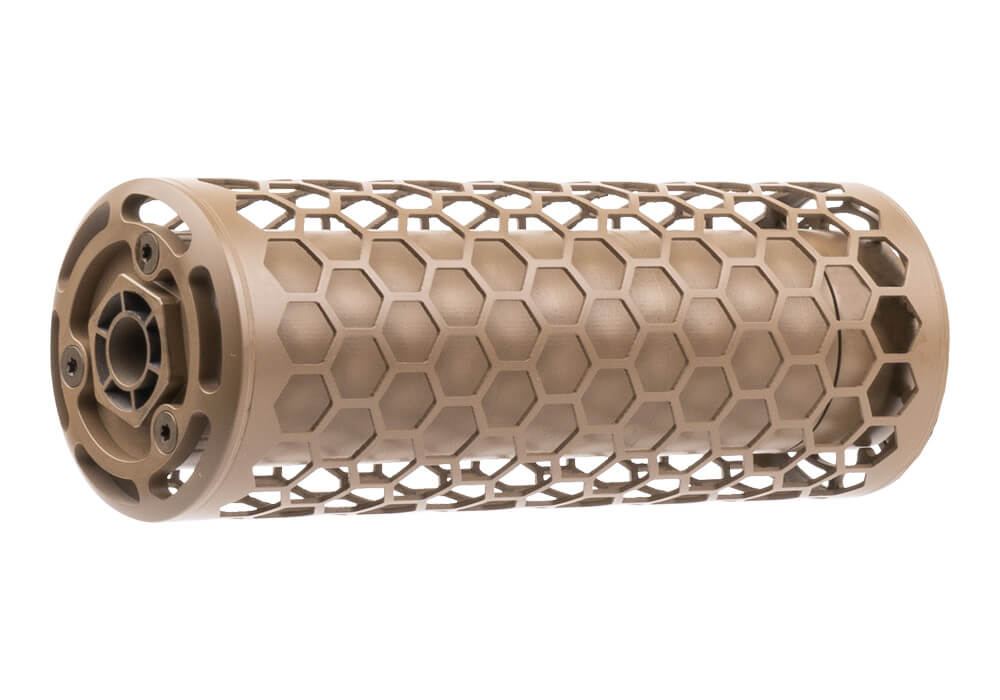
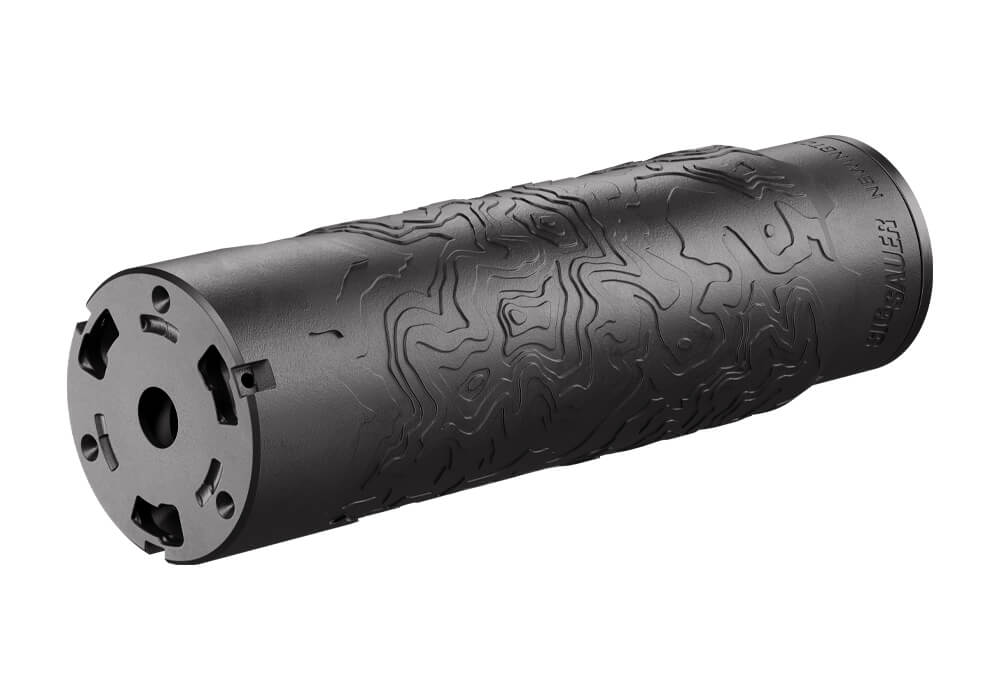
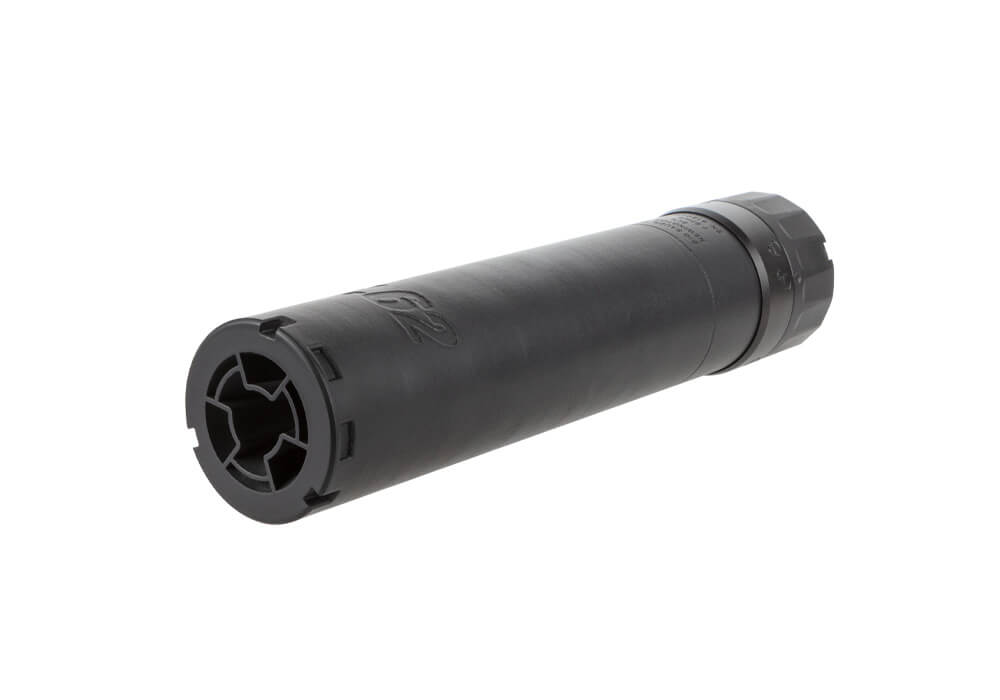
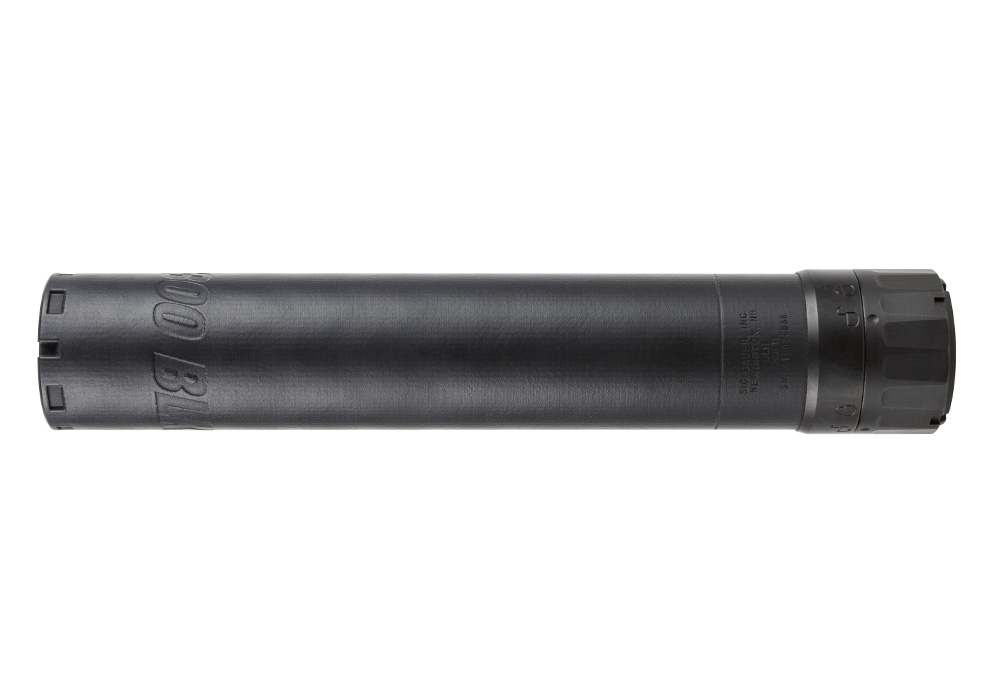
Low-back-pressure 5.56 suppressors are designed for shooters who want the benefits of suppressed fire while helping reduce the amount of propellant gas directed back toward the action and shooter. On a 5.56 rifle, that can contribute to a more comfortable shooting experience, less noticeable gas around the face, and smoother operation when paired with a properly configured host firearm. These suppressors are commonly considered for range rifles, training setups, hunting platforms, and defensive firearms where sound reduction, recoil management, and a balanced overall profile matter. The right choice depends on the rifle’s barrel length, firing schedule, gas system, ammunition, and intended use. A compact carbine used for short practice sessions may call for different priorities than a longer rifle carried through wooded terrain during the cooler months. Weight and overall length deserve close attention as well. A suppressor adds several inches to the muzzle and can shift the balance of a rifle, especially when moving through tight spaces or carrying it for long periods. Some shooters prefer a shorter, lighter setup that remains easy to maneuver, while others place greater emphasis on durability for repeated strings of fire. Mounting systems are another important consideration. Direct-thread and quick-detach options each have practical advantages, and compatibility with the rifle, muzzle device, and other firearms in a collection should be confirmed before purchase. Thread pitch, bore diameter, barrel restrictions, and manufacturer specifications all matter. Suppressors should only be used with ammunition and host firearms approved for the selected model, and the rifle should be inspected to ensure reliable function after installation.
For many shooters, the appeal of a low-back-pressure design becomes most apparent during a full day on the range. After several magazines, the difference between a rifle that vents a noticeable cloud toward the shooter and one that keeps the action’s gas more controlled can affect comfort, concentration, and the enjoyment of the session. Gas behavior is influenced by more than the suppressor alone; adjustable gas blocks, charging handles, buffer systems, ammunition, and barrel configuration can all play a role. A qualified gunsmith or experienced firearms professional can help evaluate the complete setup rather than treating the suppressor as an isolated component. Point-of-impact shift is also worth considering. Any suppressor can change the way a barrel vibrates, so shooters should confirm zero with the suppressor installed and follow the same mounting procedure each time. Accuracy expectations should be based on the rifle, ammunition, and practical use rather than on a single group fired under ideal conditions. Maintenance requirements vary by design, and many centerfire rifle suppressors are not intended to be disassembled by the user. Follow the manufacturer’s instructions for inspection, cleaning, storage, and service, and pay attention to heat management. Suppressors can become extremely hot after firing, so allow adequate cooling time before handling, transport, or placing a covered firearm in a case. Protective covers, when compatible and properly used, can help reduce contact hazards and protect nearby gear, but they do not eliminate heat. Safe handling remains essential at every stage, including keeping the muzzle pointed in a safe direction, confirming the chamber is clear when appropriate, and using hearing protection even when a suppressor is installed.
A low-back-pressure 5.56 suppressor can be a thoughtful addition for an experienced shooter who values a more controlled rifle setup, but it is not an ordinary accessory that can simply be wrapped and handed over without planning. Suppressors are regulated items, and purchasing, possession, transfer, registration, waiting periods, and storage requirements depend on applicable federal, state, and local laws. Anyone considering one as a gift should first confirm that the recipient is legally eligible and that the transfer can be completed through the proper process; in many cases, giving the suppressor itself is not as simple as buying a conventional shooting accessory. A safer approach may be to give a gift card, range time, training, or an accessory that does not create a regulated transfer, while allowing the intended recipient to select and purchase the suppressor through the required channels. For shooters comparing this category with a larger rifle caliber, browsing Low-Back-Pressure 7.62 Suppressors can help clarify how caliber, size, weight, and intended host platform affect the selection. Whether the suppressor is used for structured practice, a carefully prepared hunting rifle, or a dedicated range configuration, the best fit is the one that complements the entire firearm rather than solving only one concern. Take time to review compatibility, mounting hardware, service guidance, legal obligations, and realistic firing patterns before placing an order. A well-matched setup should feel intentional: secure at the muzzle, manageable in the hands, reliable through the action, and suited to the way the rifle will actually be used.