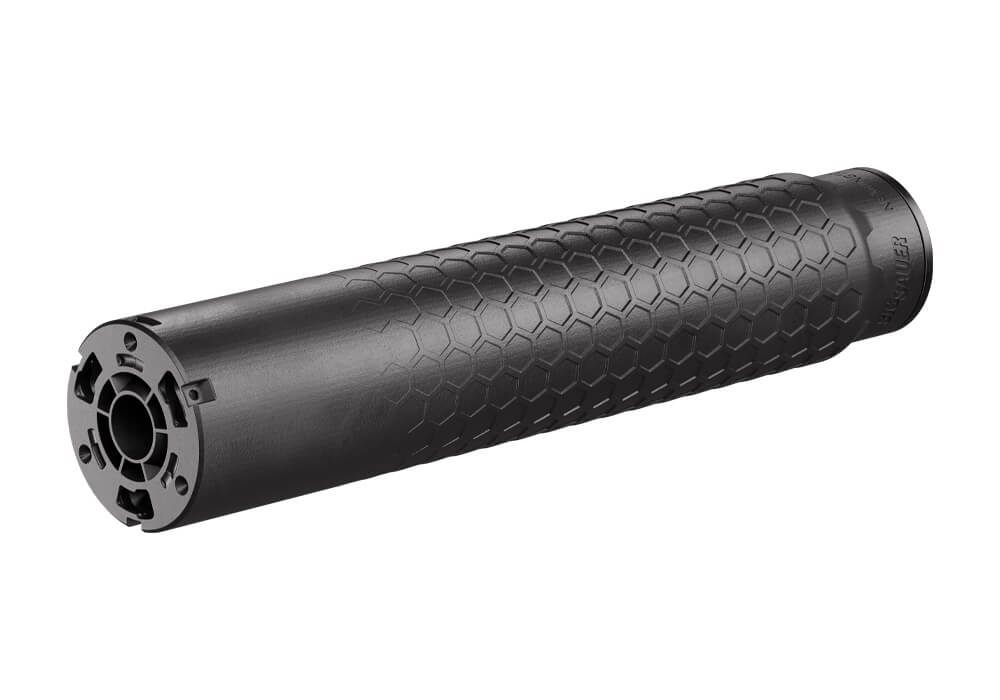
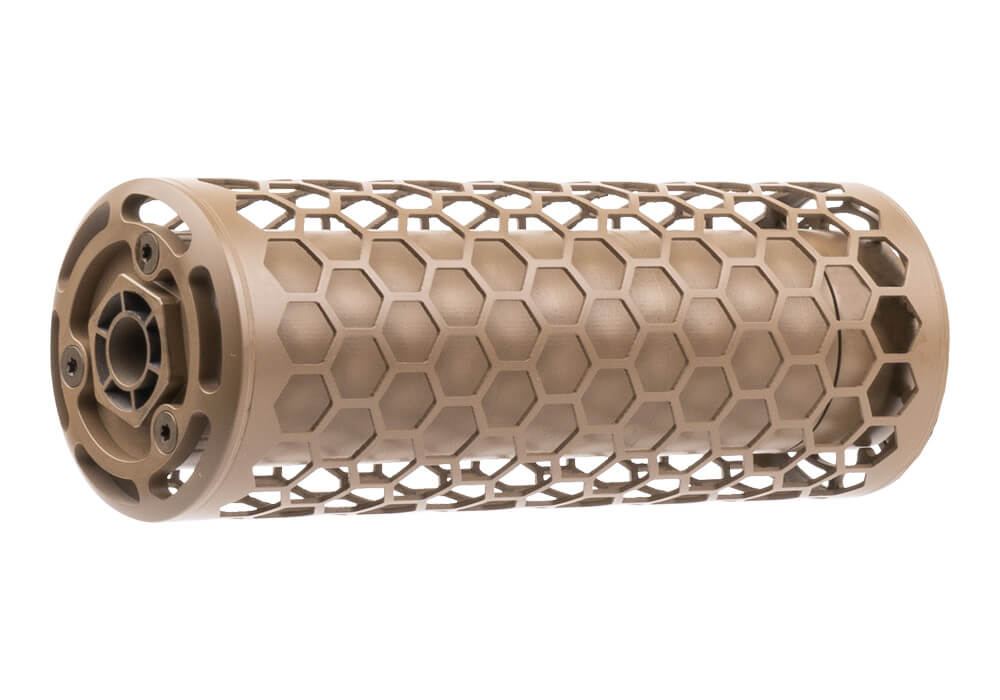
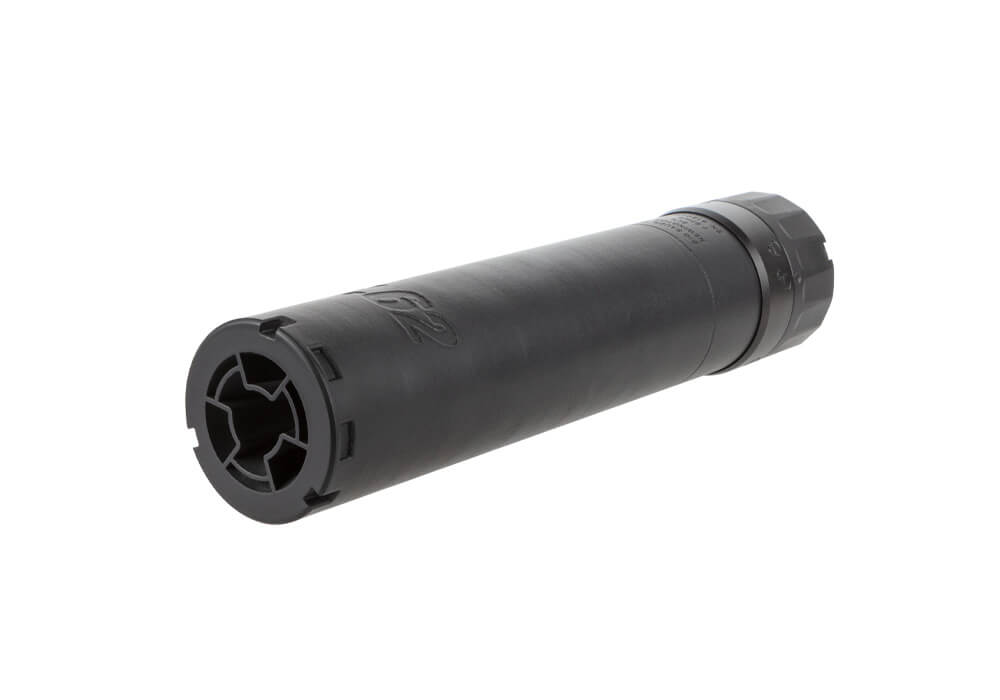
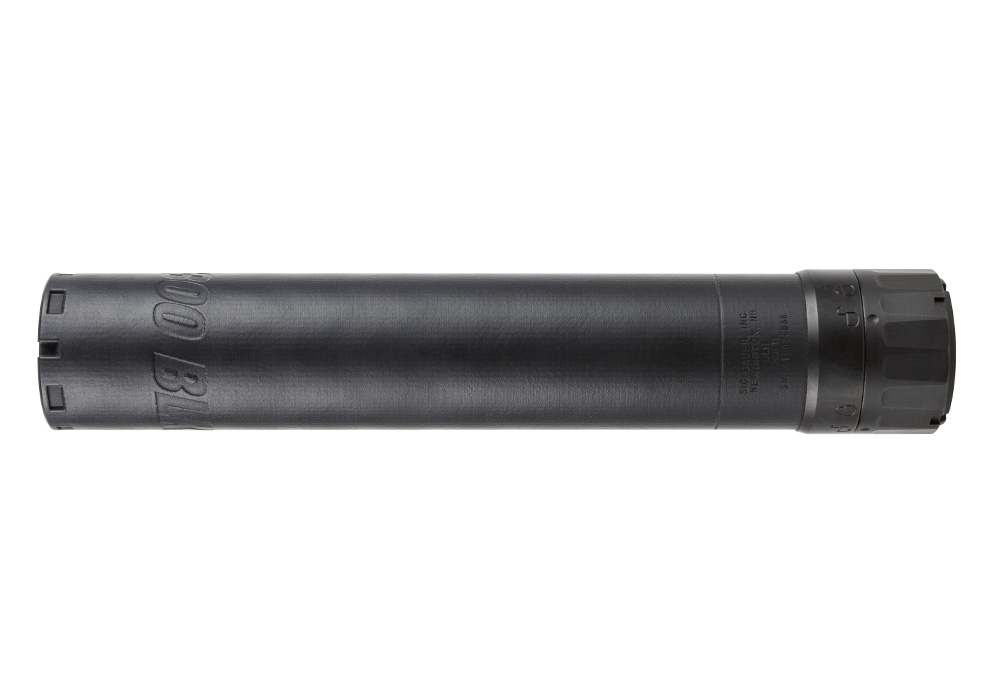
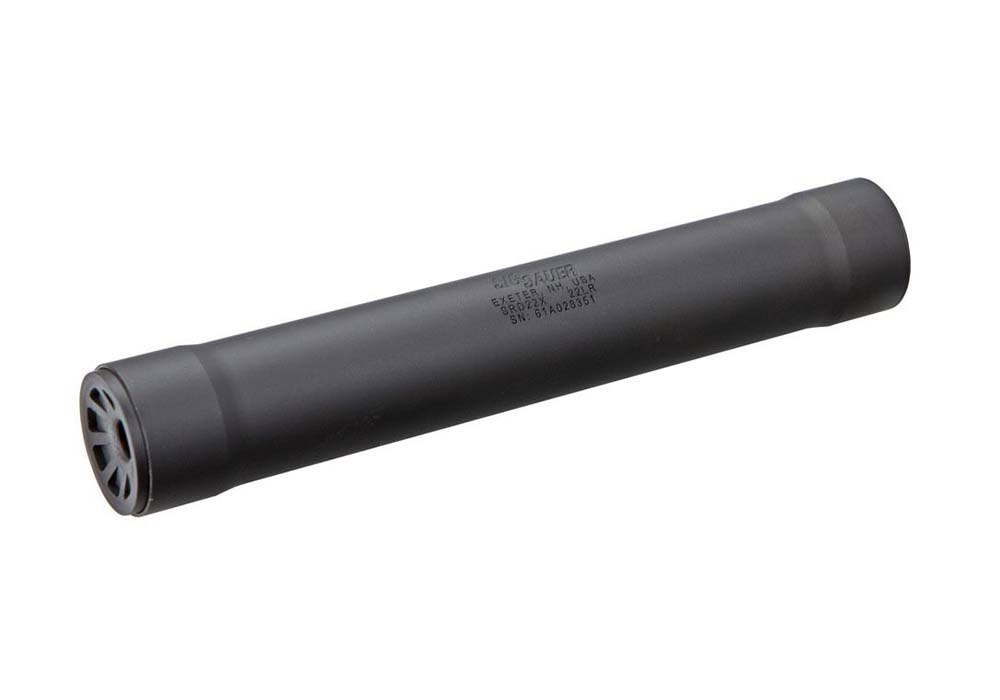
Heat-shielded suppressors for AR-15 rifles combine sound suppression with a barrier designed to limit exposure to heat around the suppressor. Depending on the design, that barrier may be a rigid shield surrounding the suppressor body or a compatible insulating cover fitted over it. Both approaches address an important characteristic of suppressed rifle shooting: suppressors become hot during use, and that heat can affect nearby equipment, handling, and the view through an optic. A suitable shield or cover can help reduce the risk of contact burns and heat damage, while some designs also reduce visible heat mirage rising into the sight picture. These benefits depend on the construction, fit, and operating limits of the complete setup. A shield does not keep a suppressor cool, eliminate every hot surface, or replace careful handling. For recreational range shooters, competitors, and lawful hunters using an AR-15, the practical appeal is managing heat without overlooking the rifle’s balance or the suppressor’s requirements. During a range session, a wavering sight picture above a hot suppressor can become distracting even when the optic itself is functioning properly. After shooting, residual heat can also pose a concern for a padded rifle case, sling, or other equipment that comes into contact with the suppressor. Thermal protection helps address those concerns, but it should never be treated as permission to touch hot equipment or pack it away before it has cooled. Suppressors reduce a firearm’s sound signature rather than making it silent, and appropriate hearing protection remains important. Viewed as part of a complete rifle setup, heat shielding serves a distinct purpose: it manages certain effects of suppressor heat while the suppressor performs its sound-reduction role. Keeping those functions separate makes it easier to assess the construction and limitations of each component.
Compatibility begins with the rifle, the suppressor, and the thermal barrier as a complete system. An AR-15 designation alone does not establish which suppressor is appropriate; chambering, bore compatibility, barrel configuration, mounting interface, and the manufacturer’s operating limits all matter. A heat shield or cover adds its own fit requirements, including suppressor length, outside diameter, attachment arrangement, and clearance around the mount. A cover that fits the main body may still interfere with access to a locking mechanism, while a rigid shield may require a particular attachment system rather than relying on a universal fit. These details deserve attention before considering appearance or matching finishes. Materials also influence how the setup feels and performs over time. Suppressor construction may incorporate stainless steel, titanium, or nickel-based alloys, with different tradeoffs in weight, heat tolerance, and durability. Thermal barriers may use metal shells, insulating textiles, or layered combinations, and their suitability depends on the complete design rather than a material name alone. Stitching, closures, retaining hardware, and exposed edges can be just as relevant as the outer fabric or shell. A lighter arrangement may suit a rifle carried for longer periods, while a more substantial assembly may feel less noticeable on a rifle used primarily from a supported position. Any added weight near the muzzle can change balance, especially on a compact rifle. Consider overall length as well: the suppressor and its shield should leave the mounting system accessible and provide the clearances specified by their manufacturers. Insulation can also retain heat, so a cover’s protective function should not be confused with faster cooling or permission for a more demanding firing schedule. Published ratings and compatibility information are more useful than assumptions based on thickness or appearance. For broader context on suppressor construction and rifle compatibility, High Performance Rifle Suppressors provides a related point of reference when considering how thermal protection fits into the complete system.
Long-term satisfaction depends as much on routine care and realistic expectations as on the initial fit. Heat cycling, handling, and transport place repeated demands on suppressor finishes, insulating layers, and attachment hardware. Durable construction should be supported by clear care requirements, including whether the thermal barrier is removable, how its condition can be inspected, and which cleaning methods are appropriate. A textile cover and a rigid metal shield do not necessarily tolerate the same solvents or maintenance approach. Follow the relevant manufacturer’s instructions rather than assuming that a cleaner suitable for the rifle is suitable for every component around the suppressor. Once the equipment is safely cooled and the firearm is in a safe condition, routine inspection can reveal frayed material, distorted hardware, damaged closures, or wear that could compromise fit. Moisture and debris deserve attention as well, particularly where a cover conceals the suppressor’s exterior. Storage should allow components to remain clean and dry, and a padded case should not be used as a substitute for adequate cooling. The same practical thinking applies when choosing a setup for a particular shooter. Someone who spends most range time at a bench may place greater value on mirage management and straightforward inspection, while someone carrying a rifle through a lawful hunting outing may be more sensitive to bulk, balance, and contact with clothing or a sling. Neither use calls for treating a shield as a universal solution. The strongest match is a compatible suppressor and thermal barrier with documented limits that suit the intended rifle and activity. Applicable possession, transfer, and use requirements also remain part of responsible suppressor ownership. Clear specifications, manageable maintenance, and an honest understanding of residual heat provide a better foundation for choosing heat-shielded AR-15 suppressor equipment than appearance alone.