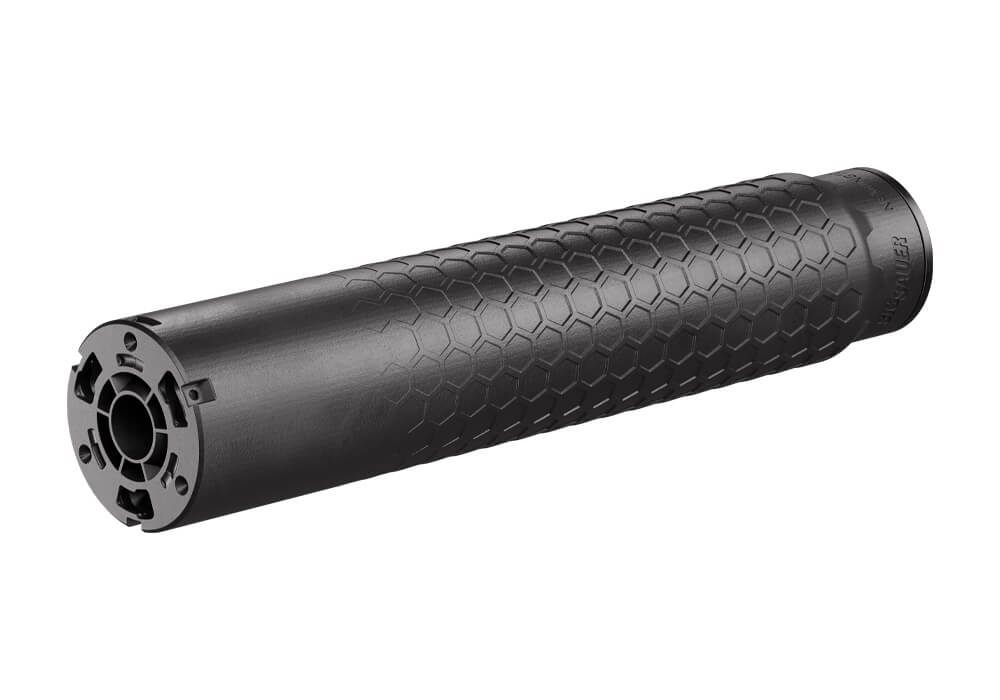
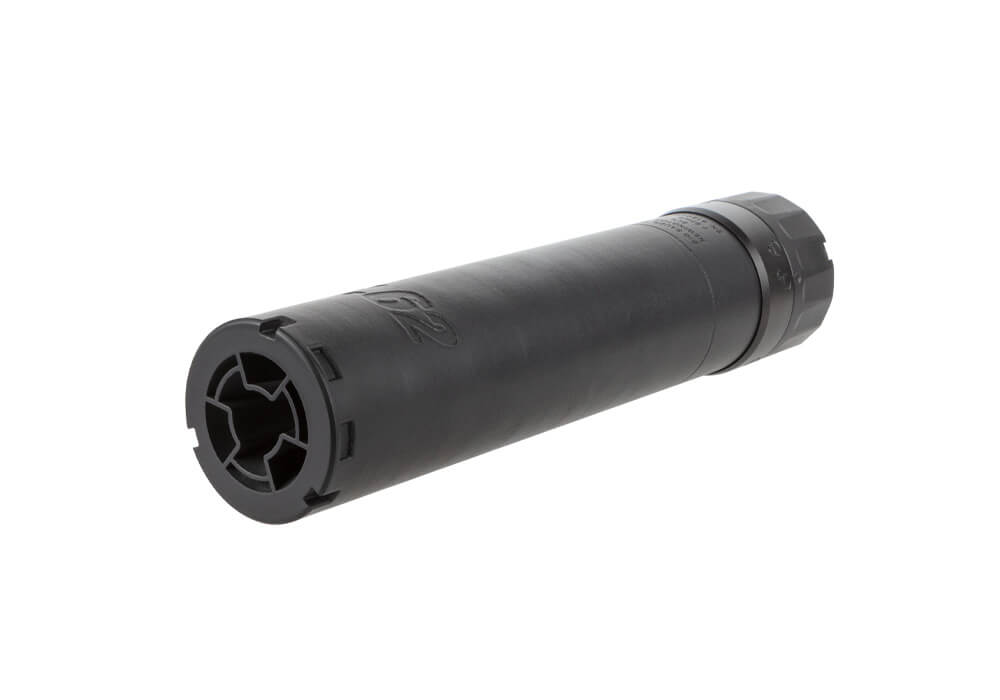
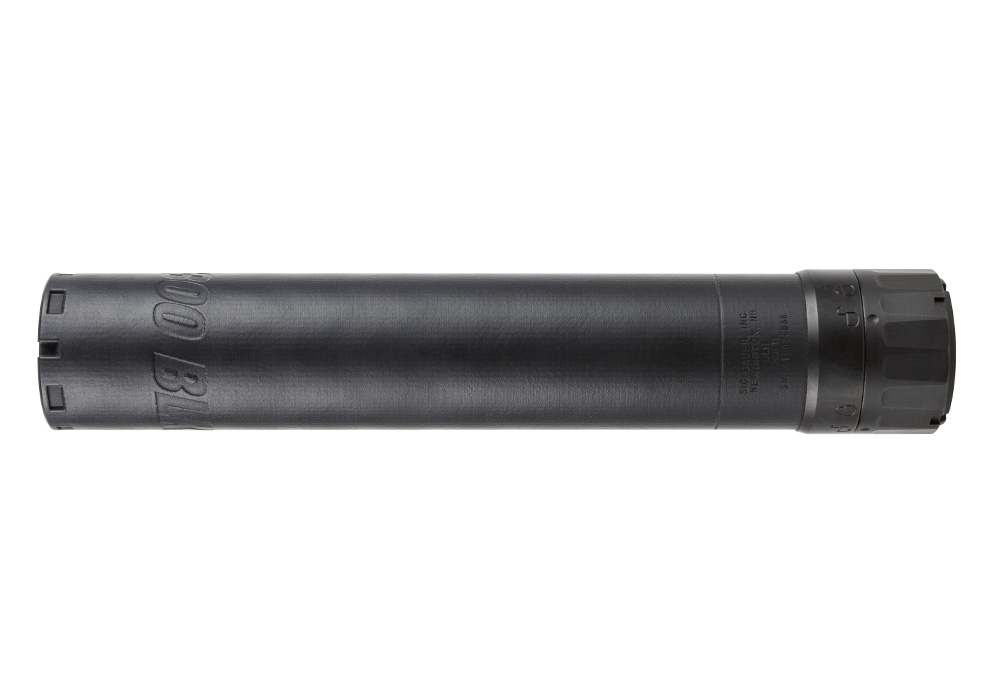
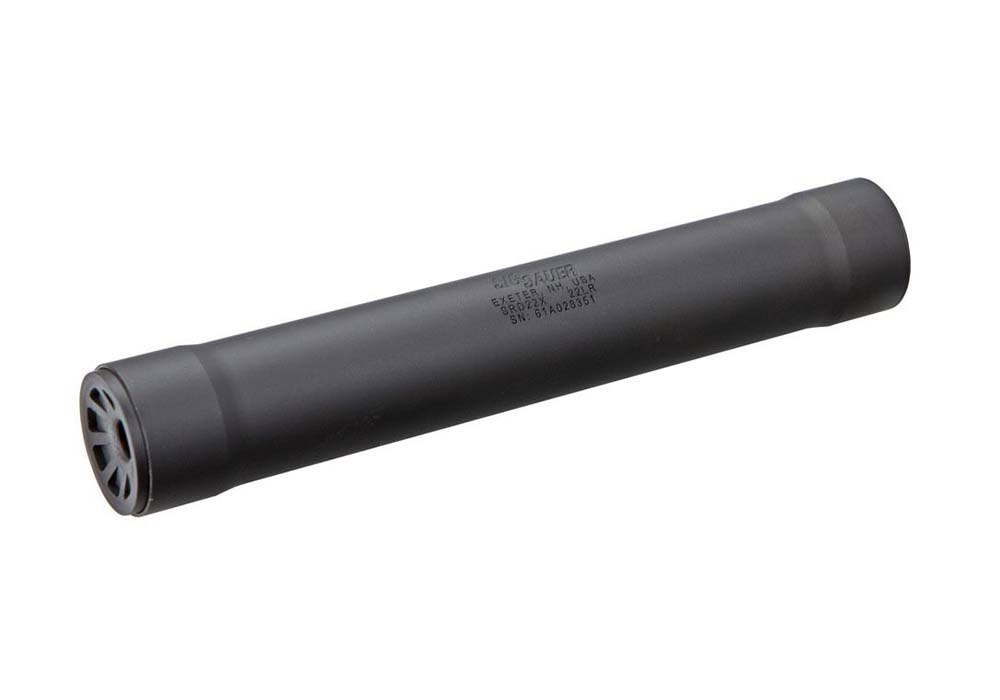
Durable suppressors for .308 rifles combine erosion-resistant internal components, a robust body, and a mounting system suited to the host firearm. Stainless steel, nickel-based superalloys, and cobalt-chromium alloys are common material choices for components exposed to demanding firing schedules. Their value comes from how well the complete design manages pressure, heat, and wear—not simply from the material named in a specification. The blast chamber and first baffles face particularly demanding conditions, so internal construction matters as much as the exterior finish. Stainless steel often provides a practical balance of strength, corrosion resistance, and weight, while certain nickel-based and cobalt-chromium alloys offer advantages in areas exposed to intense heat and erosion. Titanium can reduce the weight carried at the muzzle, although its suitability for repeated firing depends on the particular design and its published limits. No material makes every suppressor equally suited to every rifle or firing schedule. A lightweight option intended for measured strings on a hunting rifle serves a different purpose from a heavier design engineered for more frequent firing. For a shooter carrying a .308 bolt-action rifle over uneven ground, a few ounces at the muzzle can noticeably affect balance. On a rifle used primarily from a supported position, additional weight may be a reasonable tradeoff for construction suited to more demanding use. Overall length matters, too: a compact design can preserve maneuverability around a shooting bench or inside a hunting blind, while a longer design may prioritize greater sound reduction. Neither length nor weight alone establishes durability or sound performance. The most useful comparison considers the suppressor’s construction, documented firing restrictions, mounting requirements, and intended role together. A durable finish also contributes to long-term protection, but surface appearance cannot reveal the condition or service life of internal components. Thoughtful construction is ultimately about consistent function across the conditions the suppressor is rated to handle, rather than an exterior that simply looks substantial.
Fit begins with an explicit rating for .308 Winchester and the exact firearm configuration involved. A .30-caliber bore designation does not, by itself, establish compatibility with every cartridge in that general size range, and 7.62 designations should not be treated as interchangeable without confirmation. Published cartridge ratings, minimum barrel lengths, and firing restrictions provide the necessary context. Barrel length can affect the pressure and heat reaching the suppressor, which is why a model suitable for one .308 rifle may not be approved for another with a shorter barrel. Mount compatibility is equally important. Direct-thread systems and systems using a compatible muzzle device offer different approaches to attachment, overall length, weight, and movement between rifles. A secure interface, correct thread specification, suitable barrel shoulder or other specified mounting surface, and proper alignment all contribute to dependable use. Professional verification is appropriate when compatibility or alignment is uncertain. For shooters who transport a rifle frequently or move a suppressor between approved hosts, the mounting system’s maintenance requirements deserve particular attention. On a precision-oriented bolt-action rifle, repeatable mounting and a predictable point-of-impact shift may matter more than rapid attachment. A suppressor can change where a rifle groups without necessarily reducing its precision, so confirming zero with the actual configuration remains important. Semiautomatic rifles introduce additional considerations because suppressor design can influence operating behavior and gas reaching the shooter. These characteristics vary by firearm and suppressor, and should be evaluated through documented compatibility information rather than assumptions based on caliber alone. Sound performance also involves more than a single published number: ammunition, barrel length, action type, and measurement conditions affect the result. Suppressors reduce muzzle blast but do not eliminate the sonic crack of supersonic ammunition. Shoppers comparing these tradeoffs across different rifle applications can also explore High Performance Rifle Suppressors, keeping the specific requirements of the intended host at the center of the comparison.
Long-term durability depends on appropriate care as well as construction. Many centerfire rifle suppressors are sealed assemblies rather than designs intended for routine user disassembly, and maintenance requirements differ between models. Manufacturer-approved care helps protect internal components, mounting surfaces, and exterior finishes without exposing them to unsuitable chemicals or procedures. More cleaning is not automatically better; abrasive treatment or unapproved cleaning methods can damage materials and coatings. Mounting interfaces deserve regular attention because fouling, residue, and wear can affect attachment even when the suppressor body appears sound. Inspection for unusual wear, visible damage, or changes in fit supports dependable service, while concerns about internal damage call for evaluation by the manufacturer or a qualified professional. Repeated firing also introduces substantial heat, so handling, transport, and storage should follow the published safety instructions. A protective cover or transport accessory does not change the suppressor’s firing limits or remove the need for careful handling. These practical details matter whether the rifle spends most of its time on a target range, accompanies a hunter, or supports structured training. A hunter may value manageable weight and reduced muzzle blast during a brief shooting opportunity; a frequent range shooter may place greater emphasis on documented firing limits, mounting consistency, and straightforward upkeep. For both, durability means equipment that matches the actual pattern of use rather than the most demanding claim in a description. Records of the model’s ratings, maintenance guidance, and service history can help support responsible ownership over time, especially when equipment is used across more than one approved rifle. Appropriate hearing protection remains necessary because suppressed rifle fire can still present a hearing hazard. Safe firearm handling, secure storage, and compliance with applicable ownership, transfer, transport, and hunting requirements remain essential as well. A well-matched .308 suppressor brings materials, fit, handling, and maintainability into balance, supporting repeated use without asking the rifle, mounting system, or suppressor to operate beyond its documented limits.