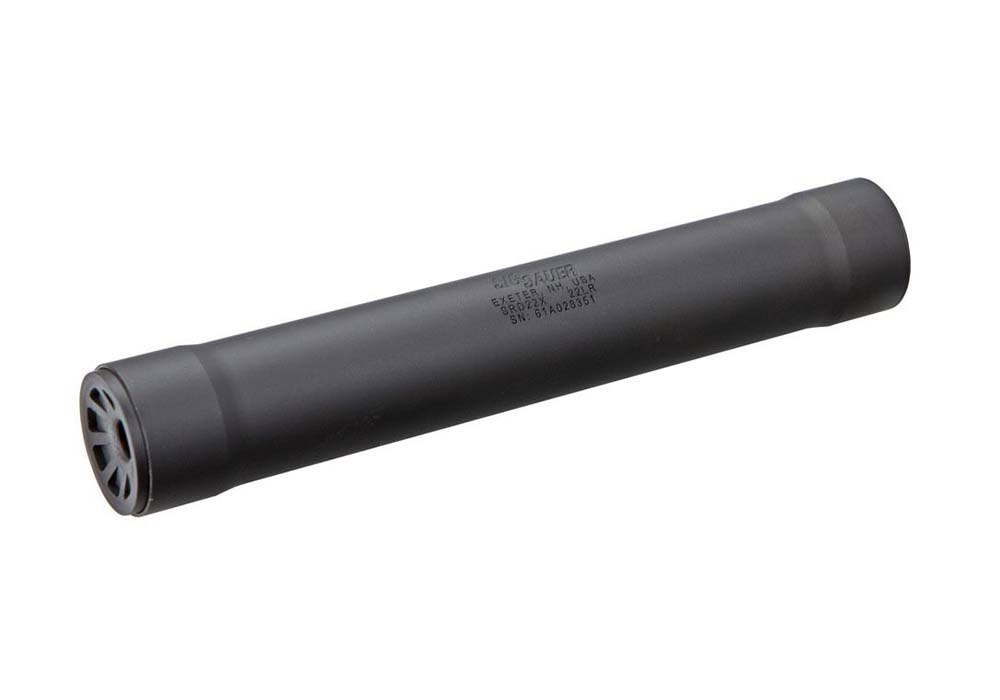
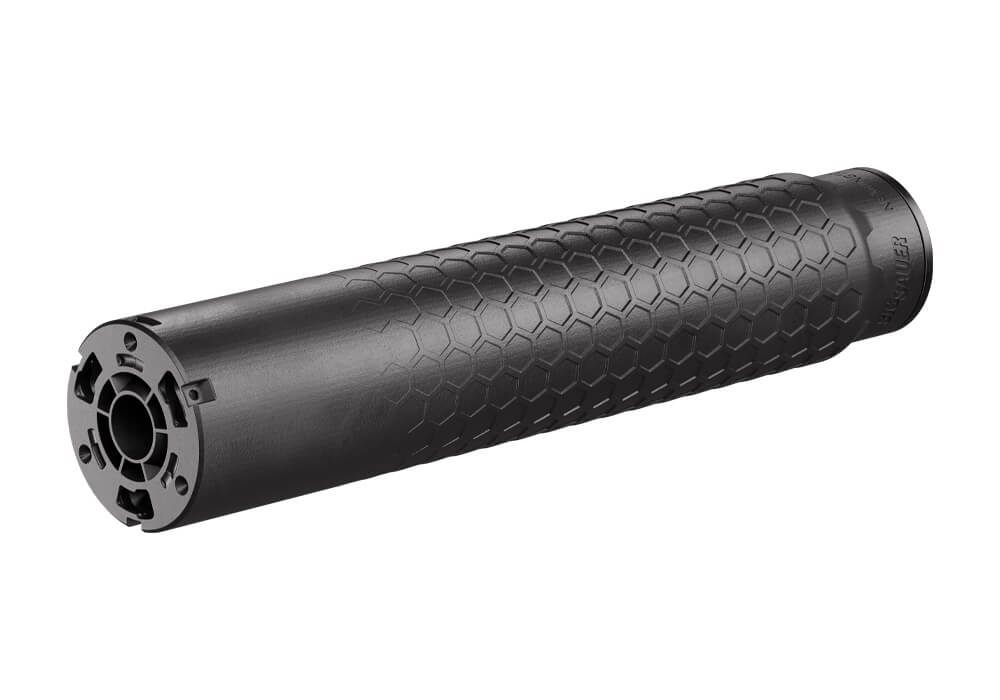
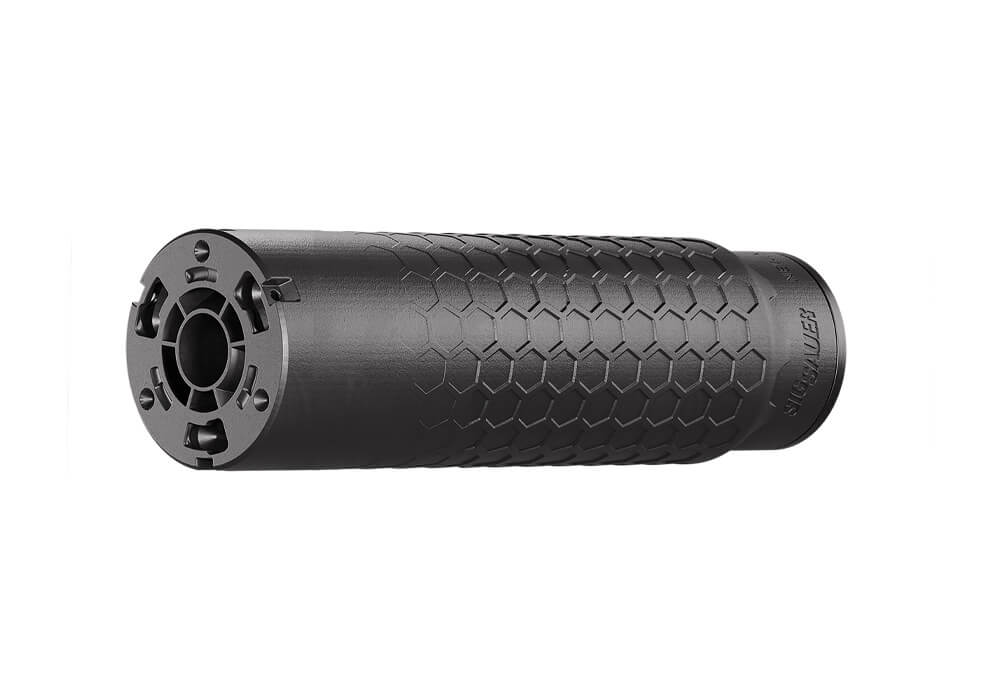
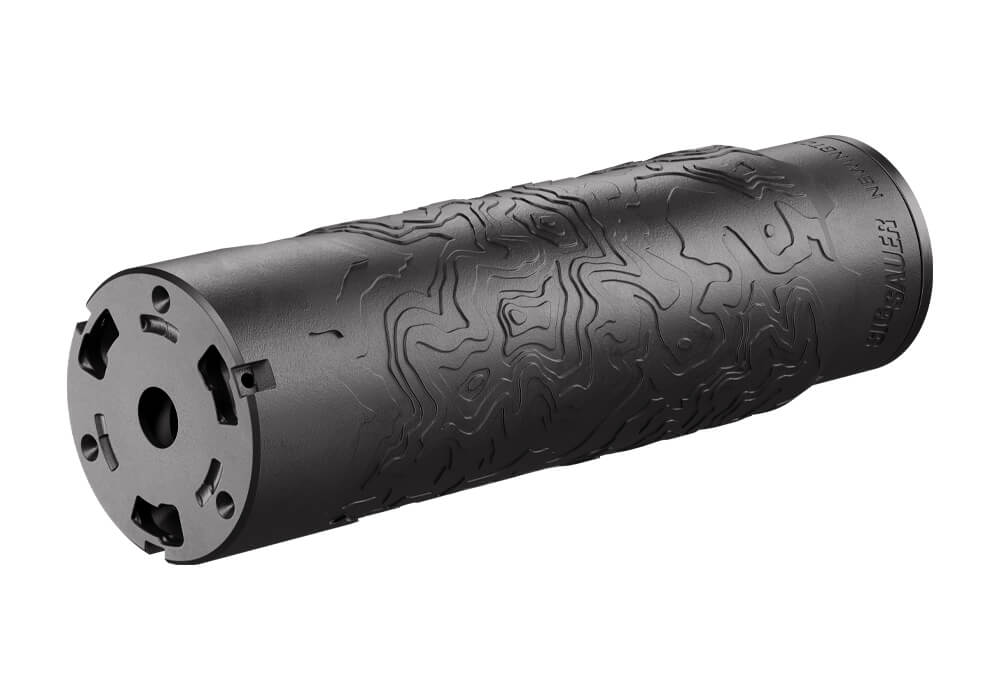
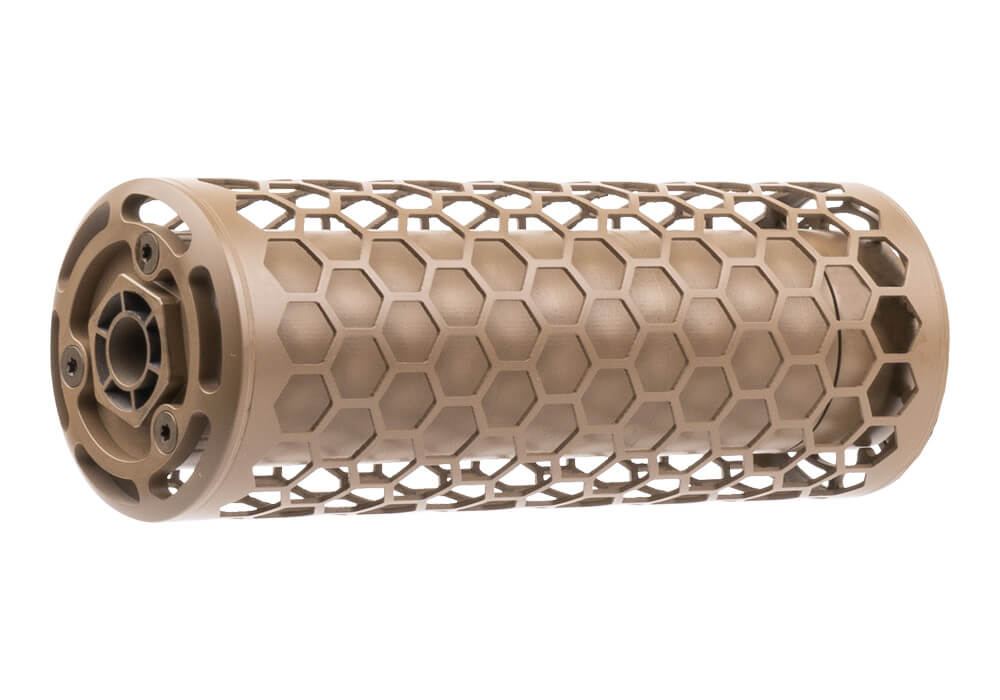
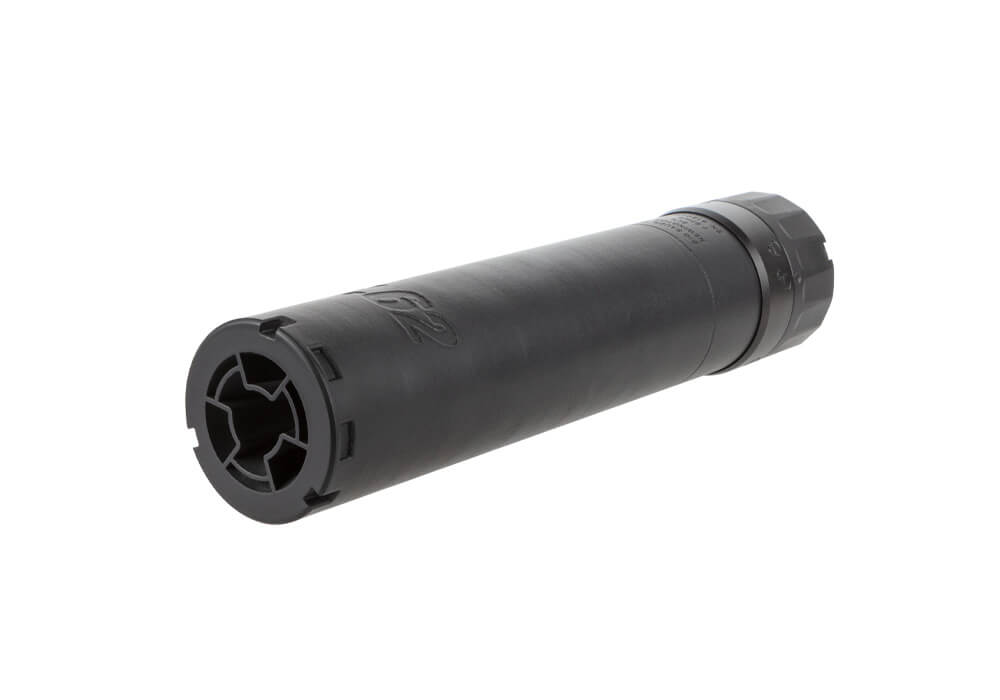
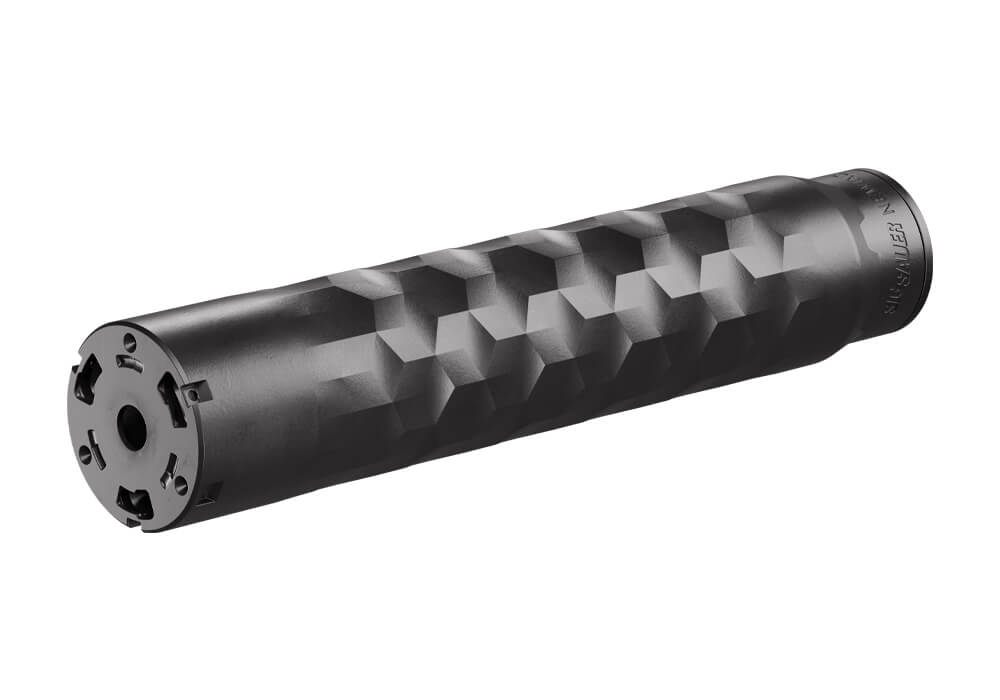
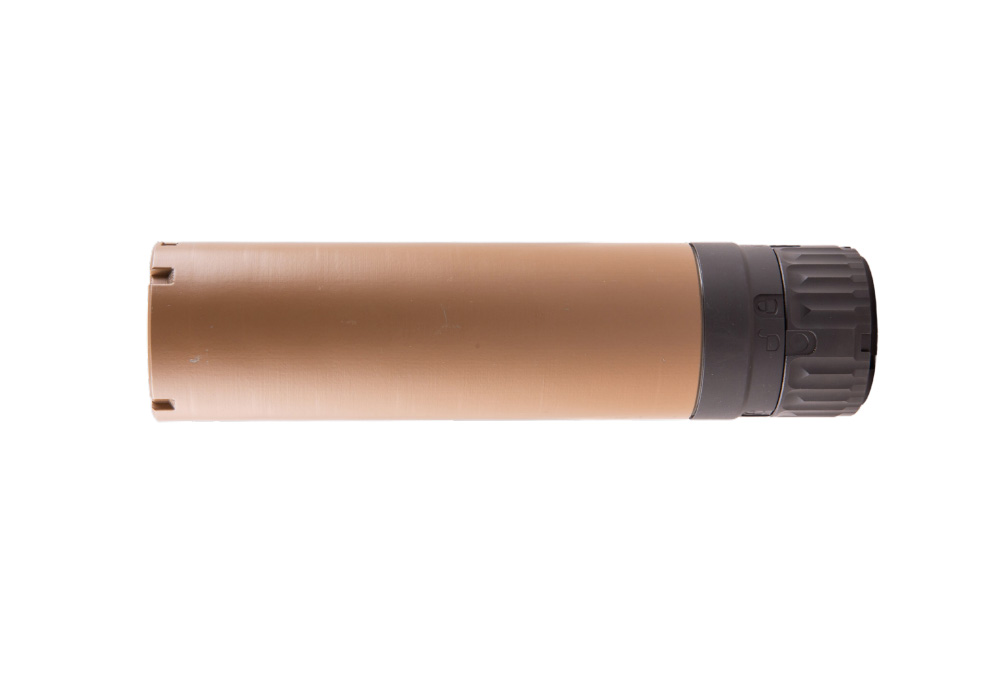
Durable suppressors for pistols are built for shooters who want a reliable, well-finished sound suppressor that can stand up to repeated use, regular cleaning, and the demanding conditions common to handgun shooting. A pistol suppressor must manage heat, pressure, carbon, and moisture while remaining compact enough to preserve the practical handling of the host firearm. For many owners, durability begins with the materials used in the core and exterior. Stainless steel and 17-4 steel are valued for their resistance to heat and wear, while high-grade titanium can provide a strong balance of durability and reduced weight. Aluminum may be useful where low weight is the priority, but buyers should always review the manufacturer’s intended use, firing schedule, and ammunition guidance rather than assuming that every lightweight design is suited to the same level of abuse. A durable pistol suppressor should also be matched carefully to the firearm and cartridge. Confirm the caliber rating, barrel-length requirements, thread pitch, booster or Nielsen device compatibility, and any restrictions associated with fixed-barrel hosts before purchasing. Semi-automatic pistols typically require a recoil-boosting system so the slide can cycle properly with the suppressor attached, while some fixed-barrel firearms may use a different mounting arrangement. These details affect reliability, balance, and point of impact, making compatibility just as important as the suppressor’s construction. A good fit feels deliberate: the mount should seat securely, the pistol should cycle as intended, and the added length and weight should remain manageable during practice or range use.
Serviceability is another important consideration when comparing durable suppressors for pistols. Handgun ammunition can leave behind substantial carbon, lead, copper, and powder residue, particularly when the suppressor is used frequently or with ammunition that produces more fouling. Over time, deposits can add weight, affect performance, and make disassembly increasingly difficult. User-serviceable designs allow qualified owners to inspect and clean internal components according to the manufacturer’s instructions, an especially useful feature for shooters who spend long sessions training or who maintain several host firearms. Other suppressors are sealed and should be returned to the manufacturer or an authorized service provider when internal maintenance is needed. Neither approach is automatically right for every owner; the better choice depends on anticipated round count, cleaning habits, storage conditions, and comfort with following detailed maintenance procedures. Construction should be considered alongside ratings and warranty support. Terms such as full-auto rated or belt-fed rated may indicate that a suppressor has been engineered and tested for an especially demanding level of heat and pressure, but those designations do not replace the published limitations for a particular pistol, barrel, cartridge, or firing schedule. Allowing the unit to cool between strings, avoiding ammunition outside the approved specifications, checking for a secure mount, and inspecting the suppressor for damage are sensible habits for any owner. Suppressors can become extremely hot during use, so handling, transport, and storage should be planned around that reality. Keep firearms and suppressors secured from unauthorized access, follow all applicable federal, state, and local requirements, and complete any required approval and registration steps before taking possession or using the device. Laws and regulations can change, and the purchaser remains responsible for understanding the rules that apply to the transaction and the location where the suppressor will be used.
For a new firearm owner, an experienced range regular, or someone assembling a carefully matched pistol setup, a durable suppressor can be a thoughtful purchase when its specifications align with the recipient’s equipment and lawful use. It is usually best treated as a planned gift rather than a surprise: the intended owner must be legally eligible, the transfer must follow all applicable procedures, and the suppressor must fit the recipient’s pistol, ammunition, and mounting system. Some shooters use pistol suppressors for structured practice, allowing them to spend time on a covered or outdoor range with less disruptive report when the equipment, ammunition, and range rules permit. Others appreciate the way a suppressor can make a compact handgun feel more refined and controlled during deliberate practice, while recognizing that suppression does not eliminate sound, recoil, muzzle movement, or the need for appropriate hearing and eye protection. A pistol suppressor may also be selected as part of a broader collection that includes suppressors for rifles and other platforms. Those shopping for a rifle-oriented option can explore High Performance Suppressors for AR15 while keeping in mind that pistol and rifle applications place different demands on mounting systems, pressure handling, length, and balance. Across every platform, dependable ownership comes from matching the suppressor to the host, using approved ammunition, maintaining the equipment as directed, and storing it responsibly. During the cooler months, when range sessions may involve damp cases, changing temperatures, or longer periods between use, a careful inspection for moisture, residue, thread wear, and surface damage is worthwhile before the next outing. With the right combination of robust materials, appropriate ratings, practical serviceability, and secure mounting, durable suppressors for pistols can provide a dependable addition to a compliant, well-maintained shooting setup.