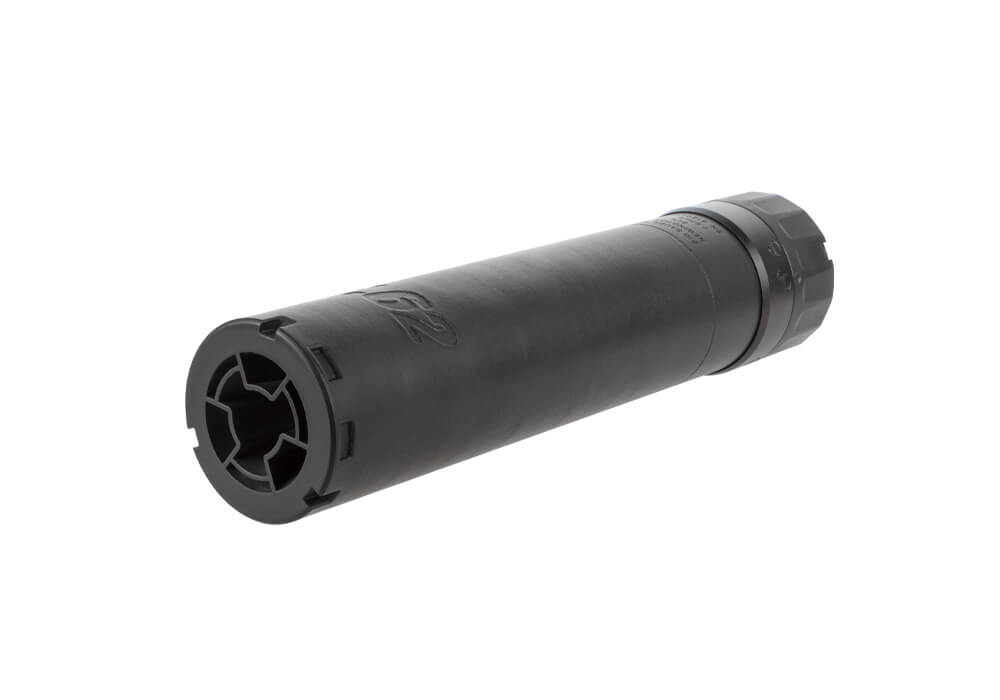
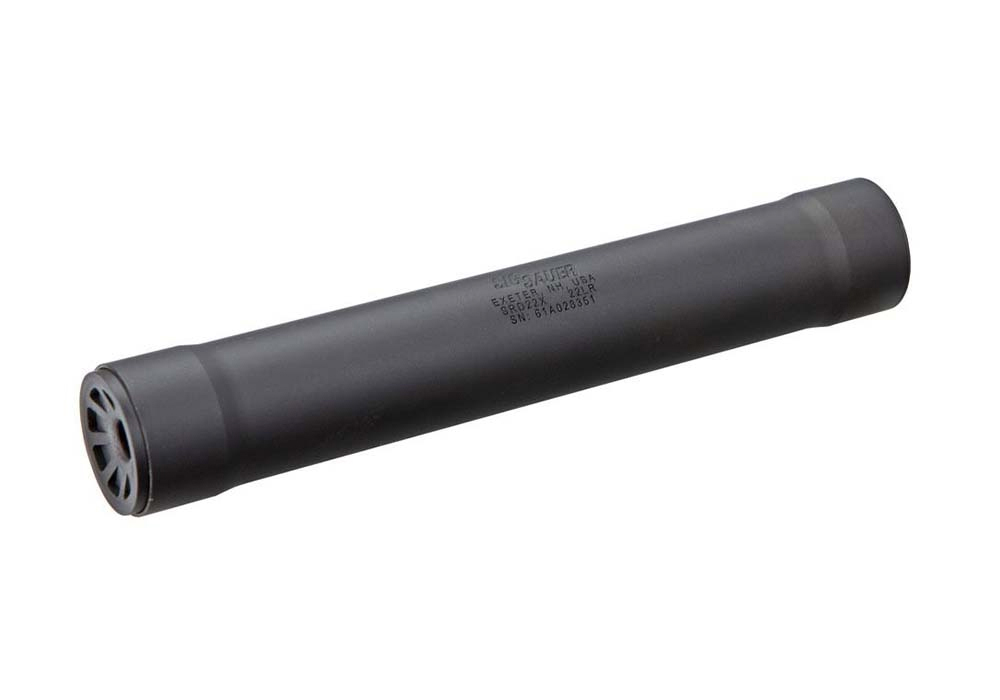
Modular pistol suppressors give handgun owners a flexible way to configure one suppressor for different shooting needs while maintaining a compact, practical setup. Unlike a fixed-format suppressor, a modular design may allow the user to adjust length, weight, and sound performance by adding or removing compatible sections according to the host pistol, ammunition, and range environment. That flexibility can be especially useful for shooters who spend time with more than one handgun or who want a setup that feels balanced during practice rather than overly front-heavy. A shorter configuration may be preferred for movement, storage, or a quick range session, while an extended configuration can offer additional sound reduction when size and weight are less important. Pistol suppressors are commonly used by recreational shooters, firearms instructors, competitive enthusiasts, hunters where lawful, and responsible owners who appreciate a more controlled shooting experience. They can help reduce the sharp report of a fired round, lessen muzzle flash, and make communication on an outdoor range easier, but they do not make a firearm silent and should never be treated as a substitute for properly fitted hearing protection. The most satisfying setup is usually the one that fits the shooter’s actual habits: a dependable host pistol, suitable ammunition, a secure mounting system, and a configuration that remains comfortable through an entire practice session. As the weather warms or during the cooler months, modularity also makes it easier to move between an indoor range, an outdoor training bay, and a field setup without committing to one permanent configuration.
Choosing a modular pistol suppressor begins with compatibility. Confirm the suppressor’s caliber rating, thread pattern, mounting method, barrel requirements, and operating limitations before purchase, and verify that the intended handgun is designed to function with a suppressor-ready setup or the appropriate threaded barrel. Some pistols may require a compatible recoil booster or Nielsen device so the barrel can cycle reliably, while fixed-barrel platforms may call for a different mounting arrangement. Ammunition matters as well: standard-velocity, subsonic, and defensive loads can produce different results in sound, recoil, reliability, and point of impact. A suppressor can change the balance of a handgun and may shift the point of impact, so careful function checks and confirmation at the range are important whenever the configuration changes. Consider the complete system rather than the suppressor alone, including the piston or adapter, protective covers, storage case, cleaning requirements, and the availability of replacement components. Thread protectors and mounting accessories should be selected with the same attention given to the suppressor itself, since a secure, properly aligned connection is essential to safe operation. Buyers should also think about how the suppressor will be transported, stored, and maintained. Keeping it protected from moisture, securing it against unauthorized access, and following the manufacturer’s inspection and cleaning recommendations can help preserve dependable performance. Before ordering, review federal, state, and local requirements, since suppressors are regulated items and ownership, transfer, transportation, and use may involve registration, background checks, taxes, approved dealers, and additional restrictions. A qualified dealer can explain the purchase process and help confirm that the chosen suppressor and accessories meet the requirements for the intended firearm and jurisdiction.
A modular pistol suppressor is generally a considered purchase rather than an impulse gift. It may be appropriate for an experienced firearm owner who already understands safe handling, has a compatible pistol, and is prepared to complete all required legal steps, but it should not be presented as a surprise item for someone who has not selected the host firearm or reviewed the regulations. In many cases, a gift certificate, range membership, training session, or contribution toward the recipient’s purchase may be more practical, allowing the shooter to choose the correct caliber, mounting system, and configuration with guidance from a qualified dealer. For owners building a dedicated suppressed handgun, modularity can make the setup more useful over time. A compact configuration may be convenient for storage and occasional practice, while an extended configuration can be reserved for deliberate sessions where maximum sound reduction is the priority. Shooters should introduce the system gradually, verify that every component is correctly installed, and use safe range procedures each time. It is also wise to pay attention to added length, holster fit, sight picture, gas, and changes in balance, particularly when transitioning from an unsuppressed pistol. Exploring options such as Durable Suppressors for Pistols can help shoppers compare construction, configuration choices, and intended use before selecting a system. With realistic expectations and careful attention to compatibility, a modular suppressor can become a versatile part of a responsible handgun setup—one that supports quieter, more comfortable practice while preserving the handling characteristics and reliability the shooter values.