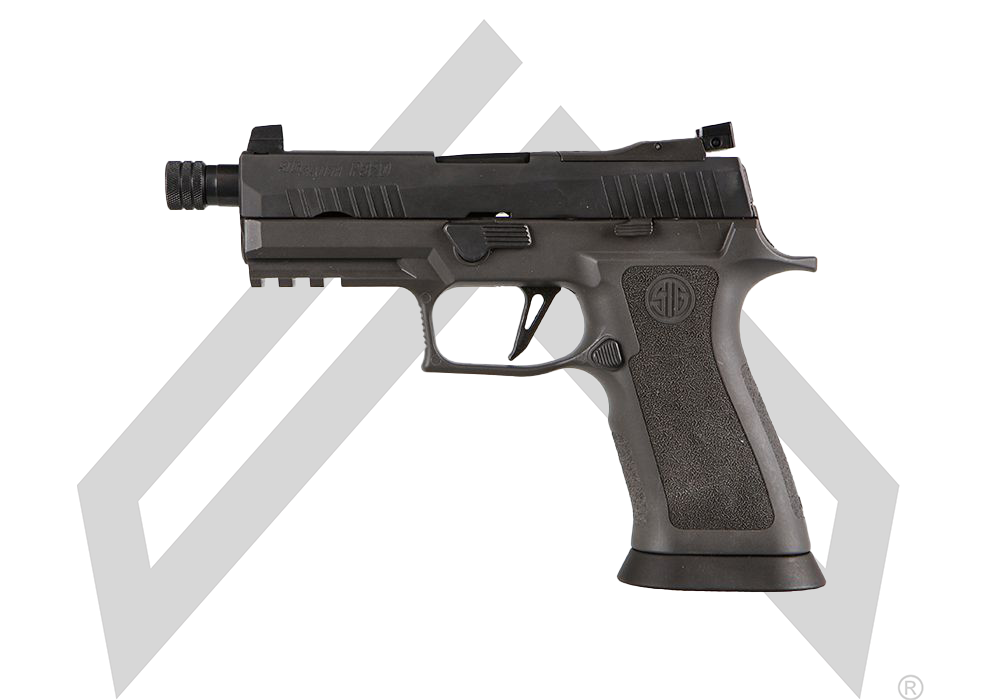
380 Auto pistols for appendix carry are compact handguns selected for a close-fitting, inside-the-waistband position near the front of the body. Often called AIWB, this carry method puts particular emphasis on the relationship between pistol dimensions, holster construction, clothing, and individual fit. The cartridge designation .380 Auto is commonly used interchangeably with .380 ACP, but chambering alone does not determine whether a handgun will feel comfortable or handle well. Overall width, grip length, unloaded weight, and the shape of the frame all contribute to the experience. A narrow slide may sit comfortably beneath a shirt, while a slightly longer grip can give the hand more usable contact with the pistol. Shorter dimensions can simplify concealment, yet the smallest option is not automatically the most practical for every person. Someone who spends much of the day seated may notice pressure at the beltline that is less apparent while standing, and a grip that feels sufficient during a brief inspection may feel cramped during supervised range practice. These are meaningful distinctions within the category, especially for adults seeking a handgun for lawful personal protection and regular training. Recoil deserves the same individual attention. A .380 Auto pistol may offer a more manageable shooting experience than a similarly sized handgun in a more powerful chambering, but weight, action design, grip shape, and ammunition all influence the result. Very light pistols can still feel sharp in the hand. Slide operation also varies by design rather than caliber alone. The most useful comparison balances compact proportions with a secure grasp, accessible controls, and a sight picture that the user can see clearly. For appendix carry, the goal is not simply a handgun that occupies less space; it is a compatible combination that supports responsible handling and remains practical through ordinary activities such as sitting at a desk, walking, or getting into a vehicle. Familiarity gained through qualified instruction helps reveal whether those characteristics suit the individual.
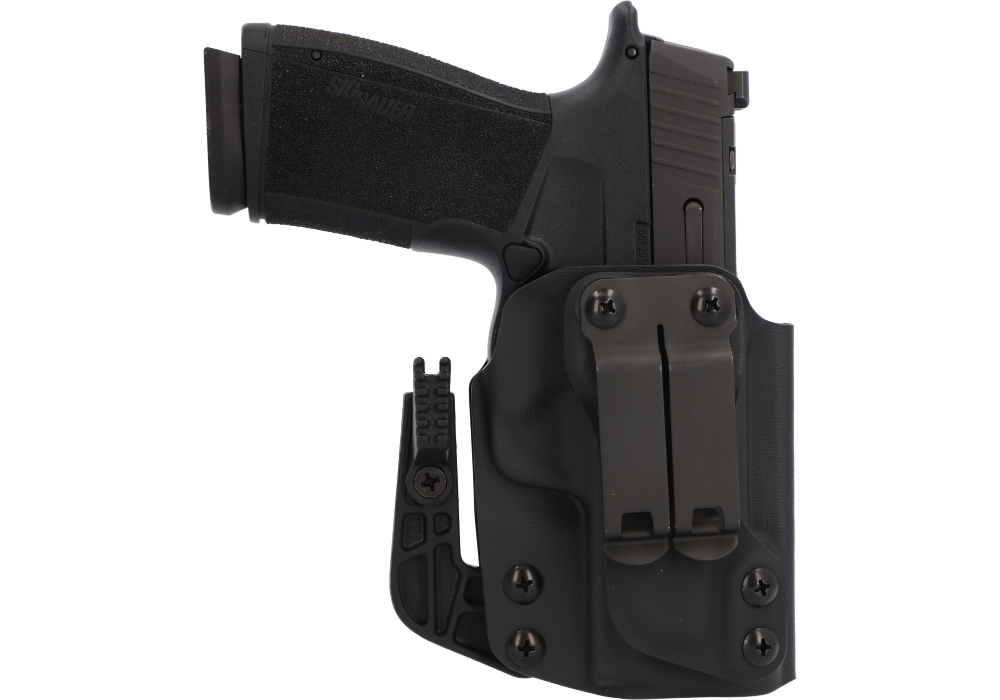
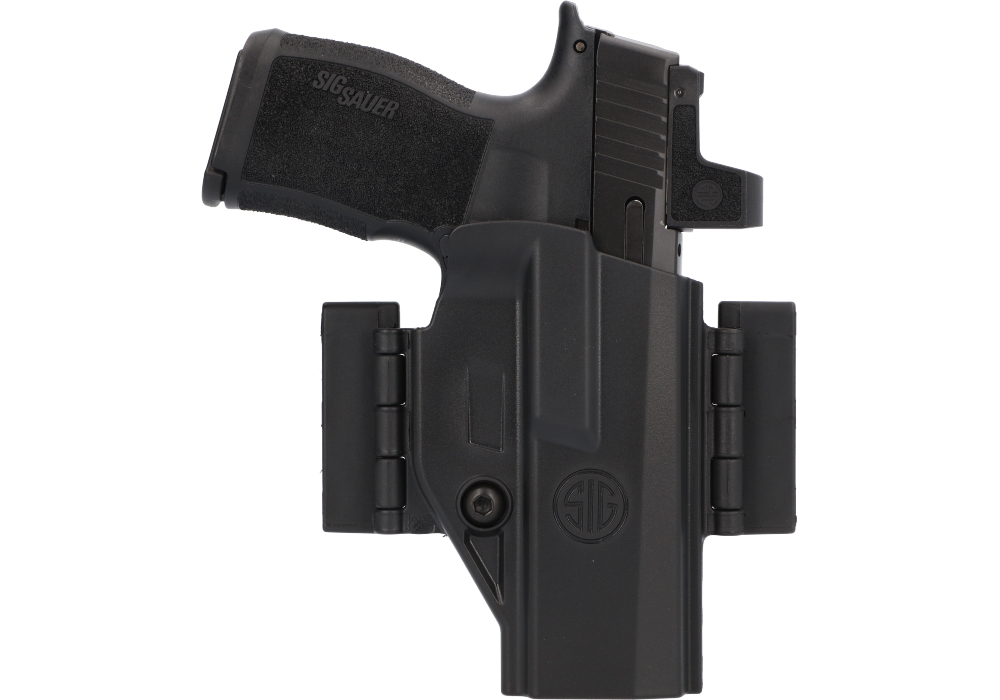
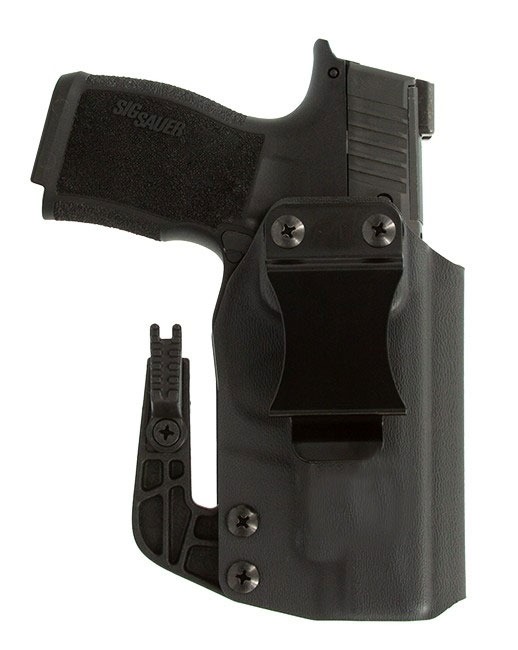
Holster compatibility is central to evaluating .380 Auto pistols for appendix carry because similar-looking handguns do not necessarily fit the same holster. Caliber, approximate barrel length, or a shared frame size is not enough to establish compatibility. A suitable holster should be intended for the exact handgun configuration, fully cover the trigger guard, retain its shape, and hold the firearm securely without interfering with its controls. Because appendix carry places the handgun close to the body, dependable trigger protection and disciplined handling are essential. A manual safety, where present, does not replace a properly fitted holster or safe firearm practices. Trigger systems and safety controls differ across this category, so familiarity with the manufacturer’s operating instructions matters more than assumptions based on appearance. Holster material also affects daily comfort and service life. Rigid molded polymers offer a defined shape and surfaces that can be wiped clean, while leather requires attention to its condition and its ability to maintain the intended fit. Regardless of material, a holster that becomes distorted, develops cracks, or no longer retains the handgun properly needs professional assessment or replacement. Attachment hardware and the supporting belt deserve similar scrutiny; the pistol and holster function as a system rather than as unrelated purchases. Comfort comes from how that system meets the body, not from softness alone. A prominent seam, an exposed edge, or concentrated pressure can become noticeable during an extended period in a chair. Clothing fit and ordinary movement also influence how practical the combination feels. Explore 380 Auto Pistols With Holster Options with attention to exact compatibility rather than assuming that any compact handgun will work with a general-purpose pouch. Any added accessory can change the fit requirements, and a configuration change calls for a fresh compatibility check. Qualified instruction and a careful fit assessment provide a sounder basis for selection than appearance, a familiar label, or the smallest measurements on a specification sheet.
Materials, surface finishes, and maintenance requirements round out the comparison between appendix-carry .380 Auto pistols. Polymer frames can help limit weight, while metal frames may provide additional heft that some shooters find comfortable during practice. Neither material determines quality on its own; construction, component fit, finish, and appropriate care all affect long-term performance. Grip texture deserves particular attention for a handgun carried close to the body. An assertive texture may provide reassuring purchase in the hand but feel abrasive against skin or clothing, while a smoother surface may feel comfortable against the body yet offer less traction during use. Rounded edges and thoughtfully shaped controls can improve comfort, although every shooter’s hands and proportions differ. Protective finishes help resist corrosion, but they do not eliminate the need for inspection, especially where the pistol encounters perspiration, fabric fibers, or routine handling. Cleaning and lubrication should follow the manufacturer’s directions, with the firearm unloaded and ammunition kept separate from the maintenance area. Routine checks can identify loose components, worn holster hardware, accumulated lint, or changes in fit before they become larger concerns. Ammunition must match the chamber marking, and any questions about suitable ammunition or mechanical condition belong with the manufacturer or a qualified professional. Ownership also includes secure storage that prevents unauthorized access, particularly in homes with children or visitors, along with compliance with applicable possession and carry laws. A compact pistol is a personal-fit purchase rather than a casual gift: hand size, control reach, vision, experience, and willingness to train all matter. An experienced owner may appreciate a lighter carry option, while someone newer to handguns may value manageable controls and a grip that supports consistent practice. Neither group benefits from choosing on size alone. The strongest fit within this category brings together suitable dimensions, sound holster compatibility, maintainable materials, and handling characteristics the owner can use responsibly and confidently. Those qualities give .380 Auto appendix-carry pistols their practical relevance beyond a short list of measurements.