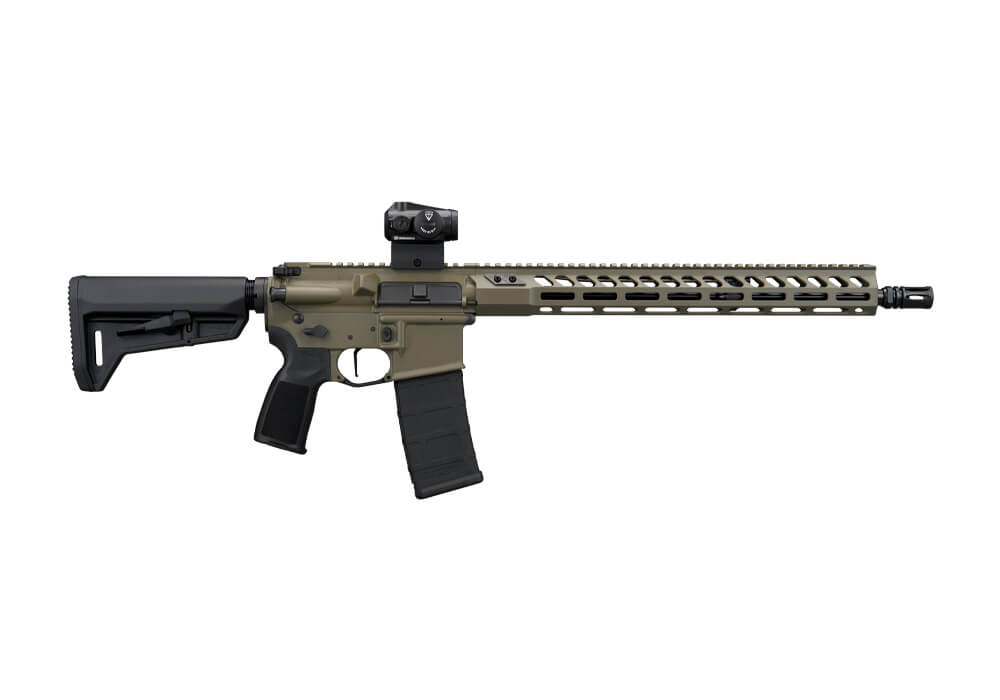
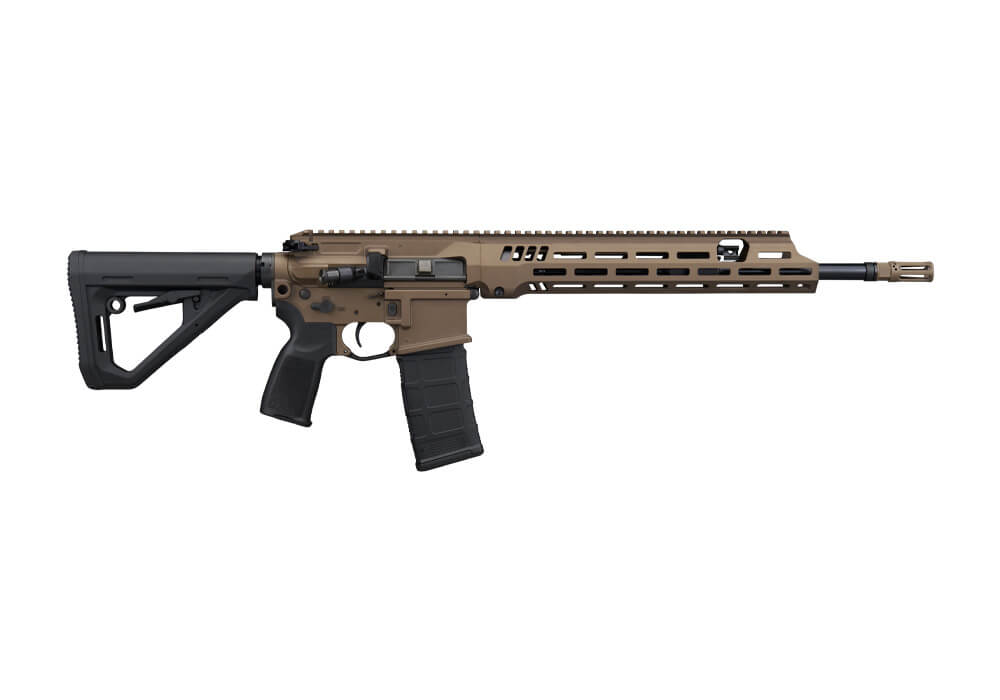
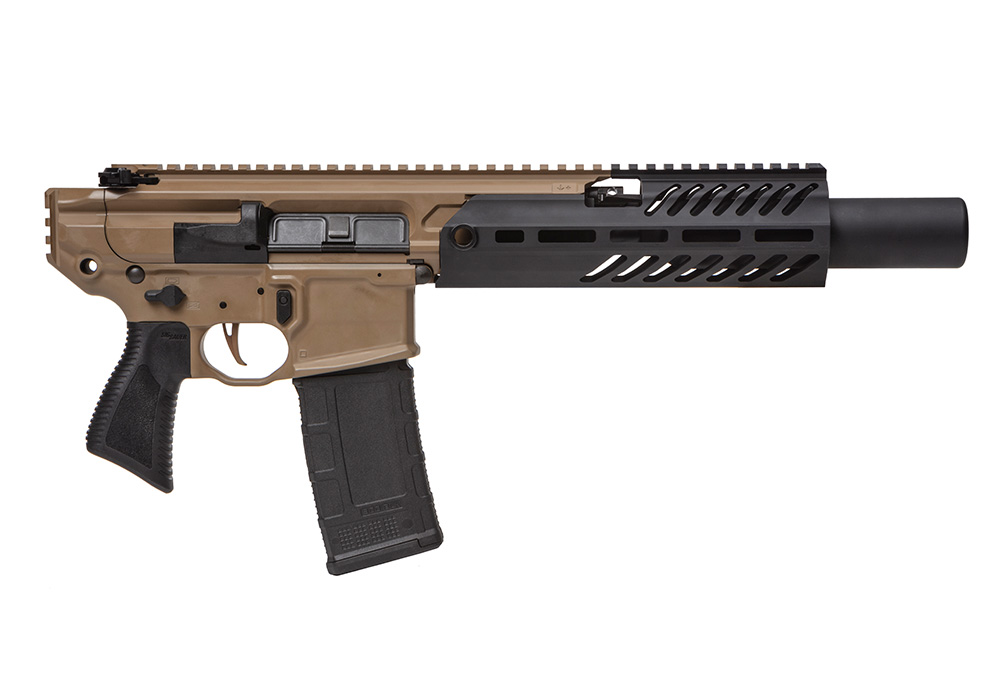
M-LOK SBR rifles for range shooting bring a compact, adaptable format to practice sessions, sight-in work, and dynamic drills. With a barrel shorter than 16 inches, an SBR can feel notably quicker to shoulder and easier to maneuver between multiple targets than a full-length rifle. The M-LOK handguard adds to that handling advantage by using open mounting slots instead of a continuous, bulky rail surface, helping keep unnecessary weight away from the muzzle. Shooters can position a handstop, vertical grip, light, or other compatible accessory exactly where it supports their preferred grip without covering every inch of the fore-end with unused rail. That flexibility is especially useful when a rifle is shared among family members or adjusted as a shooter’s technique develops. A compact SBR can also fit more readily into a shorter range bag or vehicle rack, although safe and lawful transportation remains essential. At the bench, the shorter overall length is convenient when working around a shooting table, while on a practical range it can make transitions feel more natural. The trade-off is that a short barrel generally produces more muzzle blast, flash, and perceived concussion than a longer barrel, particularly with rifle cartridges. Hearing protection remains important outdoors and indoors, and a suppressor or an appropriate muzzle device may help make the experience more comfortable where legally permitted. A suppressor does not eliminate the need for eye and ear protection, nor does it remove the need to follow range rules.
When comparing M-LOK SBR rifles, start with the intended range use, chambering, barrel length, operating system, controls, and overall balance. Common rifle-caliber choices such as 5.56 NATO offer broad ammunition availability and familiar performance, while .300 Blackout is often selected by shooters who want a compact platform with flexible ammunition options, especially when a suppressor is part of the setup. Pistol-caliber configurations, including 9mm, can offer mild recoil and an approachable range experience; shoppers exploring that format can also review 9mm SBRs for Range Shooting. Barrel lengths in the roughly 9- to 12-inch range can substantially reduce overall size, but velocity may be lower than from a 16-inch barrel, and that difference can affect projectile performance at longer distances. For paper and steel targets at typical recreational ranges, compact dimensions may be more valuable than maximum velocity, but ammunition should be selected with the rifle’s barrel length and the range’s approved target types in mind. Pay close attention to the rifle’s unloaded weight and balance. A model that feels lively in the hands can be enjoyable during repeated position changes, while a front-heavy configuration may become tiring during a long afternoon. Ambidextrous controls, an adjustable stock, a crisp and consistent trigger, a stable handguard, and a dependable sighting system can all contribute to a more comfortable fit. It is also wise to consider the cost and availability of magazines, spare parts, ammunition, optics, and training accessories before making a purchase. A well-matched setup often matters more than adding every possible accessory; a simple optic, a secure sling, and a carefully placed handstop may provide a cleaner and more useful arrangement than a crowded rail.
Because SBRs are regulated under the National Firearms Act, the purchase process requires more planning than a standard rifle purchase. Depending on the transaction, the process may involve an approved ATF Form 4 for a transfer or an approved Form 1 for an individual building an SBR, along with the applicable background-check and identification requirements. Federal, state, and local rules can differ, and regulations may change, so buyers should confirm current requirements with the relevant authorities and understand the rules before ordering, taking possession, configuring, or transporting the firearm. Waiting for approval, where required, should be part of the ownership timeline rather than an afterthought. The same care applies when giving an SBR as a gift: firearms should only be transferred in accordance with applicable law, and the recipient must be legally eligible to possess the firearm and any regulated configuration. For many experienced range shooters, an SBR is a considered purchase rather than an impulse gift, particularly because the rifle may require a specialized case, compatible magazines, a suppressor-approved plan, and additional training. Before the first trip to the range, verify the chambering, inspect the bore and action, confirm that the optic is mounted securely, and bring ammunition suited to the rifle and the facility’s rules. A first session often goes best when it begins slowly: confirm function at close distance, establish a reliable zero, and then move to longer distances or faster drills. As the weather warms and during the cooler months, compact M-LOK SBR rifles can remain practical companions for structured range time, offering a balance of maneuverability, modularity, and transport-friendly size when selected with realistic expectations and careful attention to safe, lawful ownership.
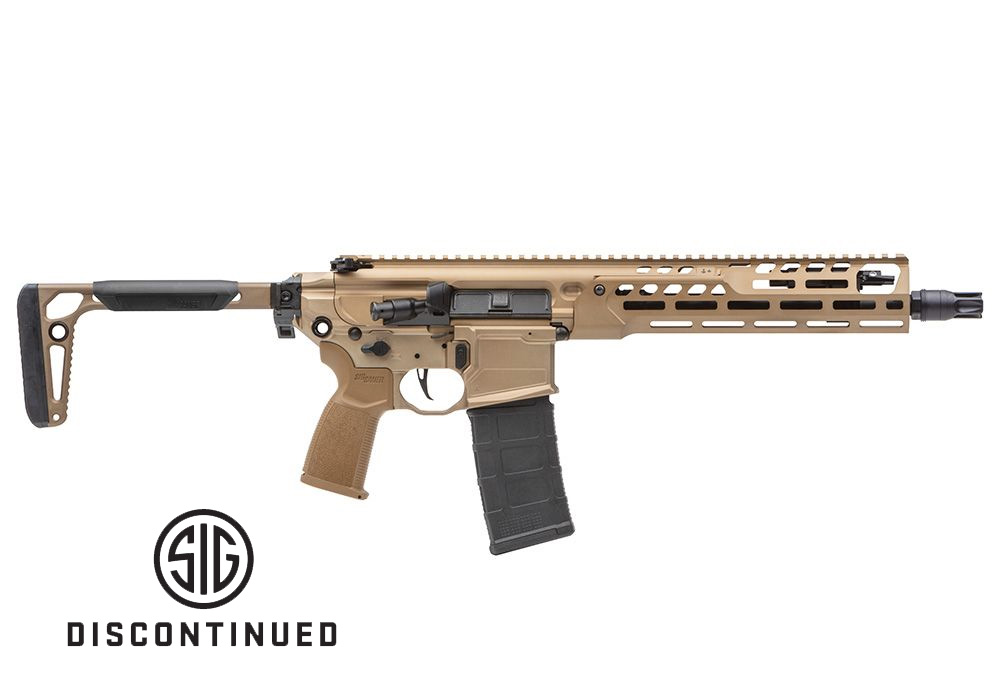




![[["SIGMCX, 7.62X39, PISTOL, 7.75IN, RATTLER LT, BLK, SEMI, AL MLOK HG, (1) 28RD MA","G"]]](http://www.sigsauer.com/media/catalog/product/m/c/mcx-762r-7b-lt-right.jpg)