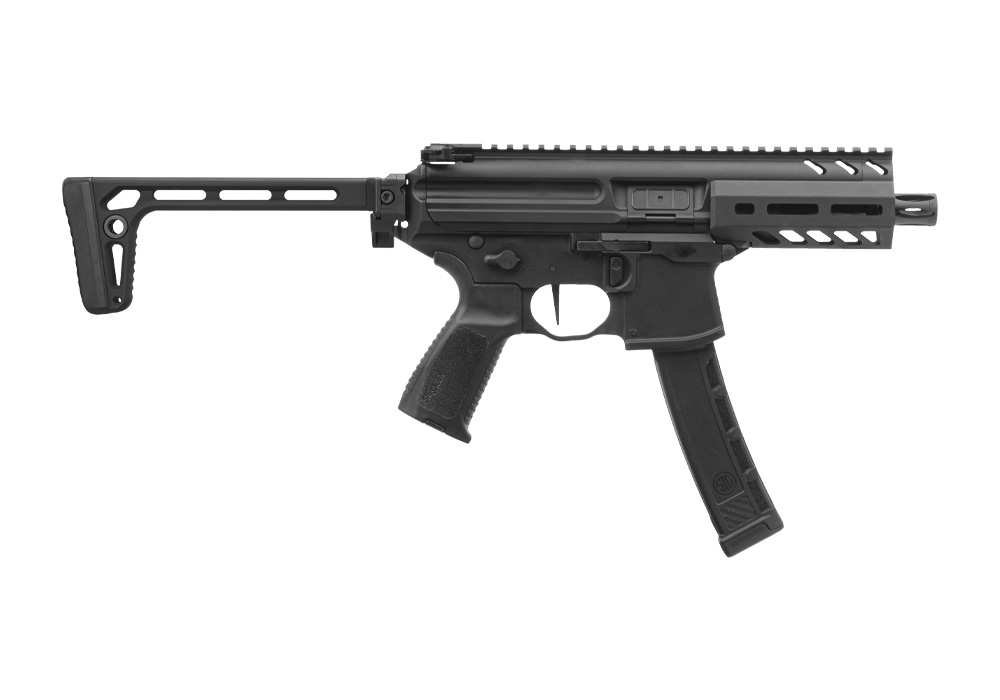
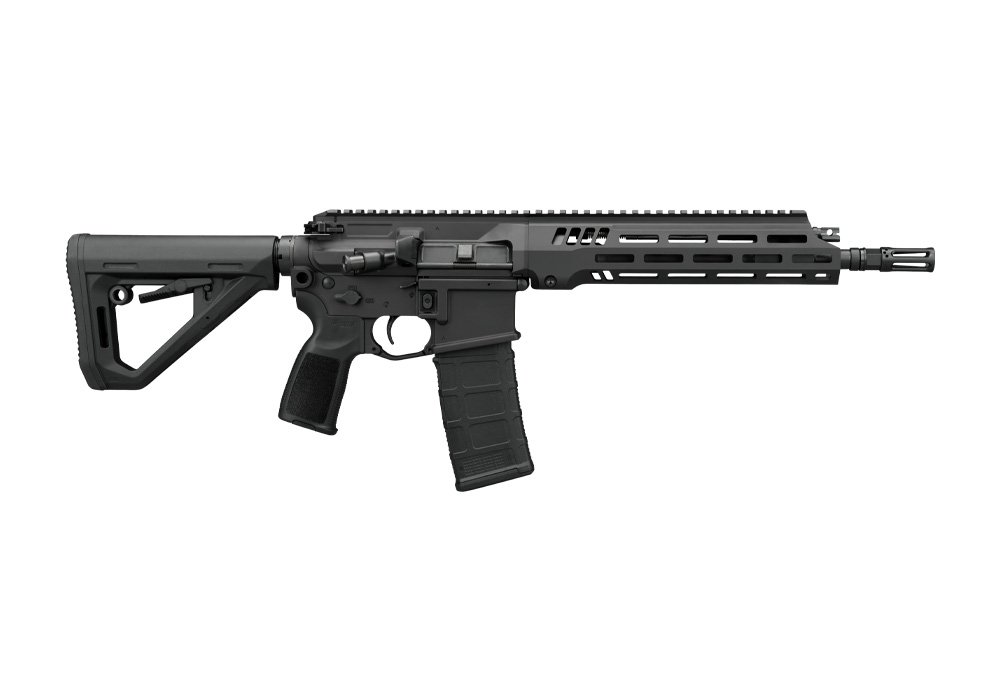
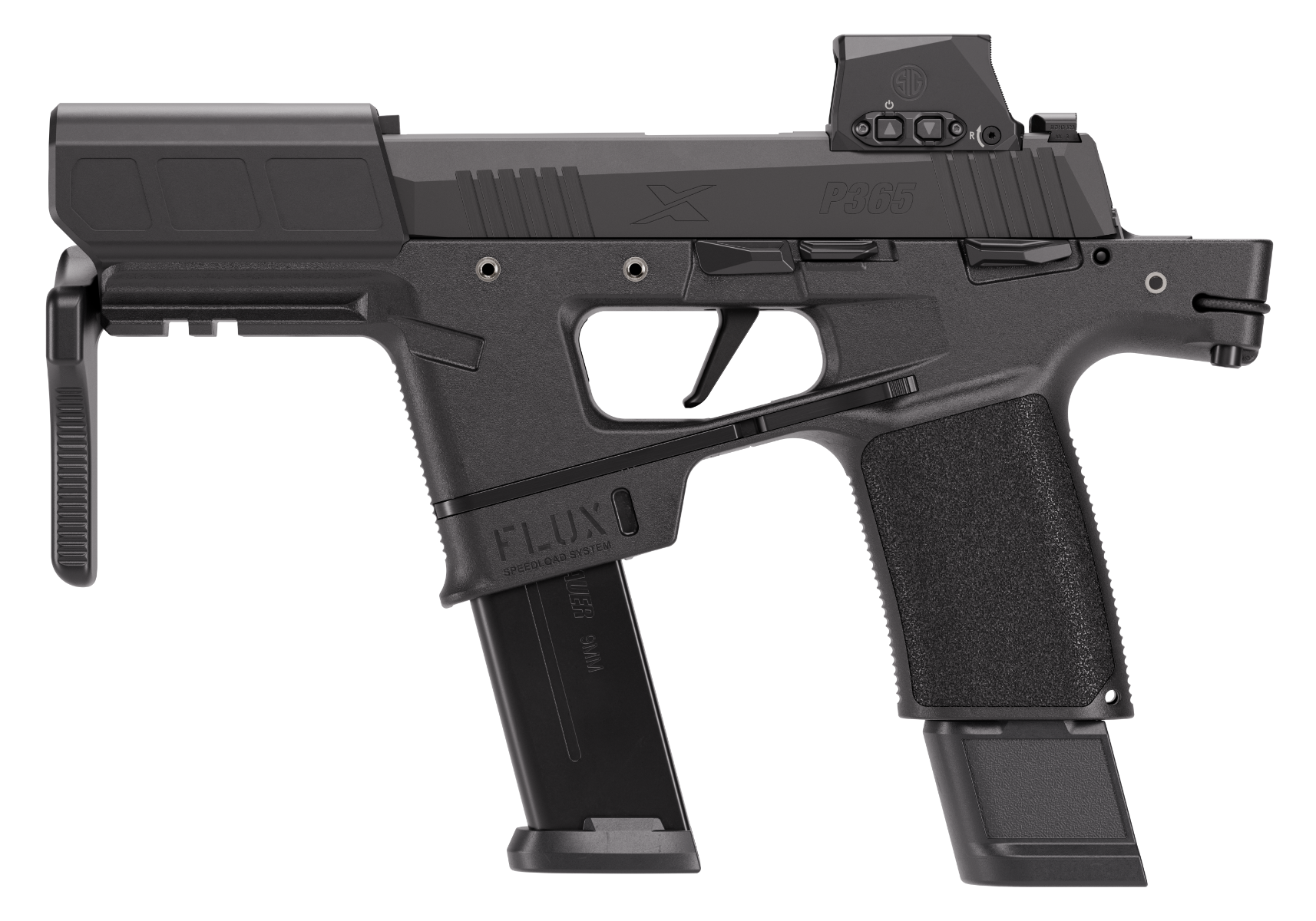
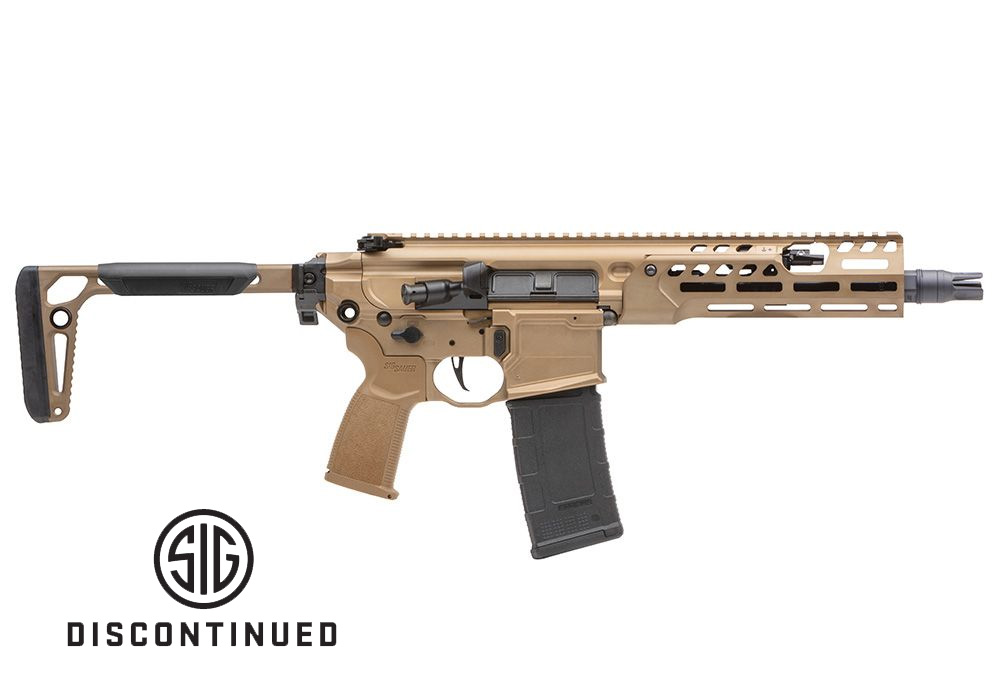
A 9mm short-barreled rifle (SBR) can be a Christmas gift for an eligible adult shooting enthusiast, but it requires compliance with federal registration and transfer requirements as well as state and local law. An SBR is a rifle whose barrel length or overall dimensions place it within the short-barreled rifle classification under federal law; chambering it in 9mm does not change that classification. For a recipient who enjoys recreational target shooting and is comfortable with the responsibilities of firearm ownership, the appeal often comes from the combination of a familiar cartridge, a compact rifle format, and a shoulder-supported shooting position. Those characteristics distinguish the experience from shooting a handgun, even when both firearms use the same cartridge. The most suitable choice reflects how the recipient actually spends time at the range rather than how a firearm looks in a photograph. Someone who enjoys deliberate practice on paper targets may have different preferences from someone who participates in organized shooting activities, particularly when it comes to weight, controls, and sighting arrangements. Familiarity with 9mm handguns can provide useful background, but it does not replace learning the handling and operating procedures for a different firearm. A shorter profile also does not guarantee lower weight, softer recoil, or a more comfortable fit; those qualities depend on the complete design. For Christmas gifting, that makes the recipient’s existing experience and preferences especially important. A firearm selected around a favorite range activity has a clearer purpose than one chosen solely for its compact dimensions. Households considering a different firearm category can also explore 10mm Pistols For Holiday Gifts, while recognizing that handguns and SBRs have different handling characteristics and legal requirements. Each category deserves its own evaluation rather than an assumption that similar size means similar ownership responsibilities.
Materials and construction influence how a 9mm SBR feels in the hands and how it holds up to repeated range use. Depending on the design, aluminum structural components, steel operating parts, and polymer grips or other furniture may contribute different combinations of weight, rigidity, and resistance to wear. No single material tells the whole story. Fit between components, the quality of protective finishes, and access for routine maintenance all matter over time. A protective surface treatment can help resist corrosion, but it does not eliminate the need to remove moisture, fingerprints, and residue according to the manufacturer’s care instructions. After a range visit, proper cleaning and storage are more useful measures of long-term care than an assumption that a durable-looking finish needs little attention. Comfort is equally practical. The distance from the shoulder contact point to the trigger, the shape of the grip, and the placement of controls can determine whether a firearm feels natural or awkward to a particular adult. Two people of similar height may still prefer different proportions because arm length, hand size, and shooting habits vary. Weight distribution matters as much as the number on a specification sheet: a firearm that feels balanced while standing at a counter may feel different during an extended range session. Sighting arrangements also deserve attention, including whether the recipient can achieve a comfortable head position while wearing eye and hearing protection. Magazine compatibility and ammunition suitability are specific to the firearm, so a shared 9mm designation should never substitute for checking the manufacturer’s documentation. Intended use helps put these details in context. Regular recreational shooting calls for dependable operation, manageable upkeep, and a fit the owner can use comfortably without forcing an unnatural position. For a gift recipient, those everyday qualities often matter more than an unfamiliar feature that adds complexity. A storage case, cleaning supplies appropriate to the firearm, and readable documentation also support responsible ownership, although none replaces secure storage or instruction from a qualified professional.
Christmas plans for an SBR need to account for the legal transfer process rather than assume that a firearm can simply be wrapped and handed to another person. Short-barreled rifles are regulated under the National Firearms Act, and the recipient must be legally eligible to possess the firearm. State and local restrictions may limit or prohibit ownership even when federal requirements can otherwise be met. Applicable registration and transfer approvals must be completed before the recipient takes possession, with the correct person or legal entity identified in the required records. A licensed firearms dealer familiar with NFA transactions can help clarify the process, while current official guidance and qualified legal advice are appropriate resources for questions about a particular situation. A holiday date does not create an exception to these requirements, and eligibility should never be assumed simply because the recipient already owns another type of firearm. Responsible gifting also considers what happens after the transfer. The owner needs secure storage that prevents access by children and unauthorized people, with the firearm stored unloaded and ammunition secured separately. A padded transport case protects surfaces during travel but is not automatically a substitute for a suitable locked storage system. Range use calls for appropriate eye and hearing protection, attention to range rules, and instruction suited to the owner’s experience. The 9mm cartridge does not make an SBR quiet or remove the need for careful muzzle awareness and safe handling. These responsibilities are part of the gift itself, not details to leave for later. For an experienced adult who already values disciplined range habits, a well-considered 9mm SBR can complement an established recreational interest. The strongest match is one that fits the recipient physically, supports a lawful intended use, and comes with a realistic understanding of maintenance, storage, and ongoing ownership obligations. That approach keeps the Christmas connection meaningful without allowing the occasion to overshadow the care a regulated firearm requires.