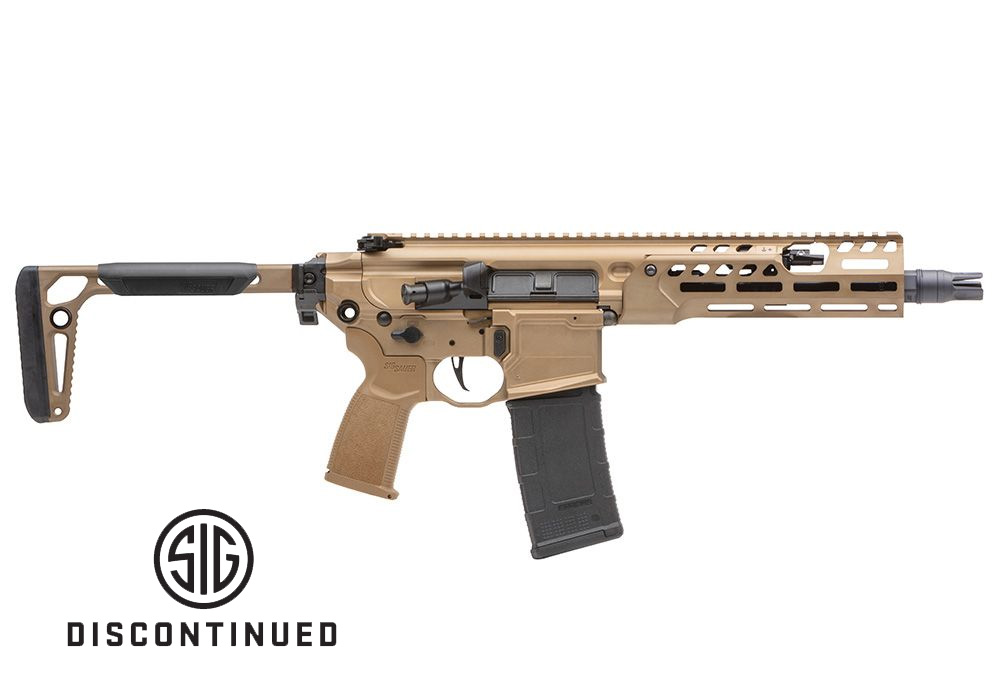
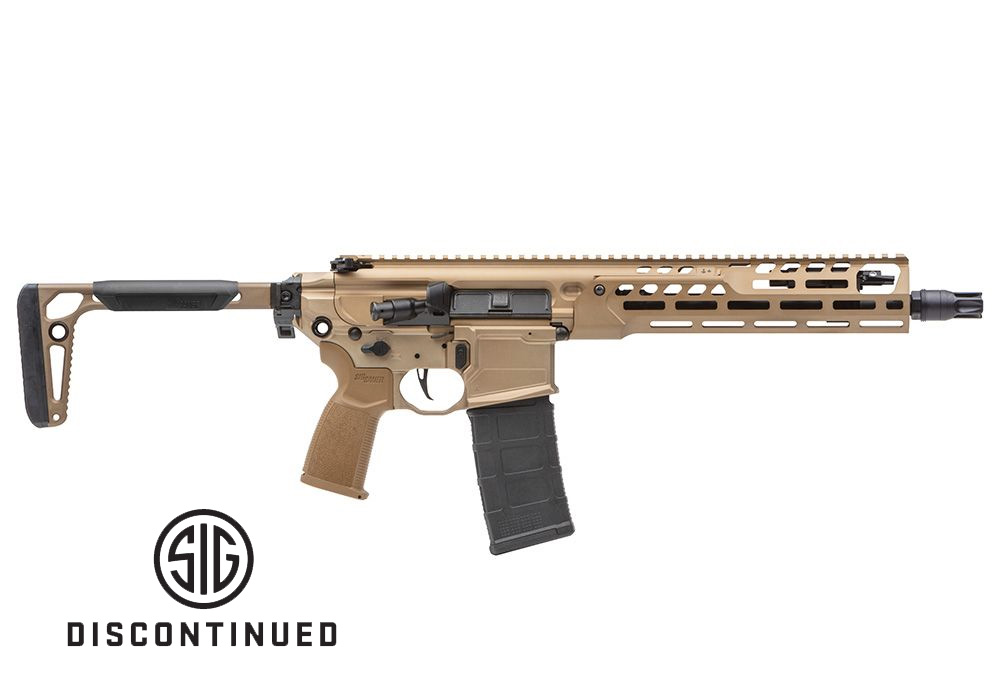
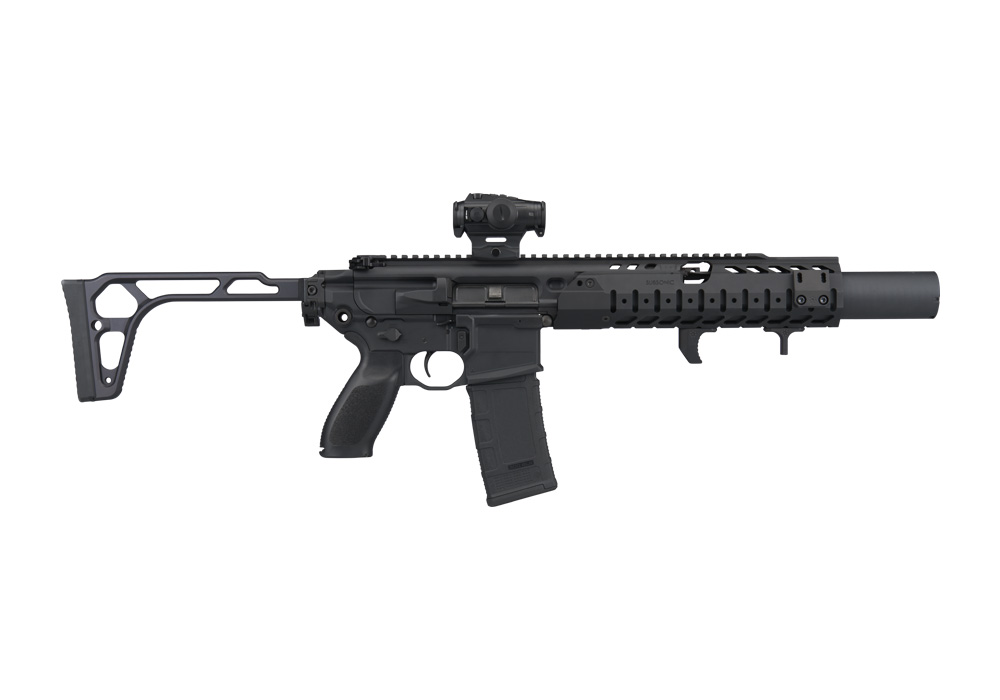
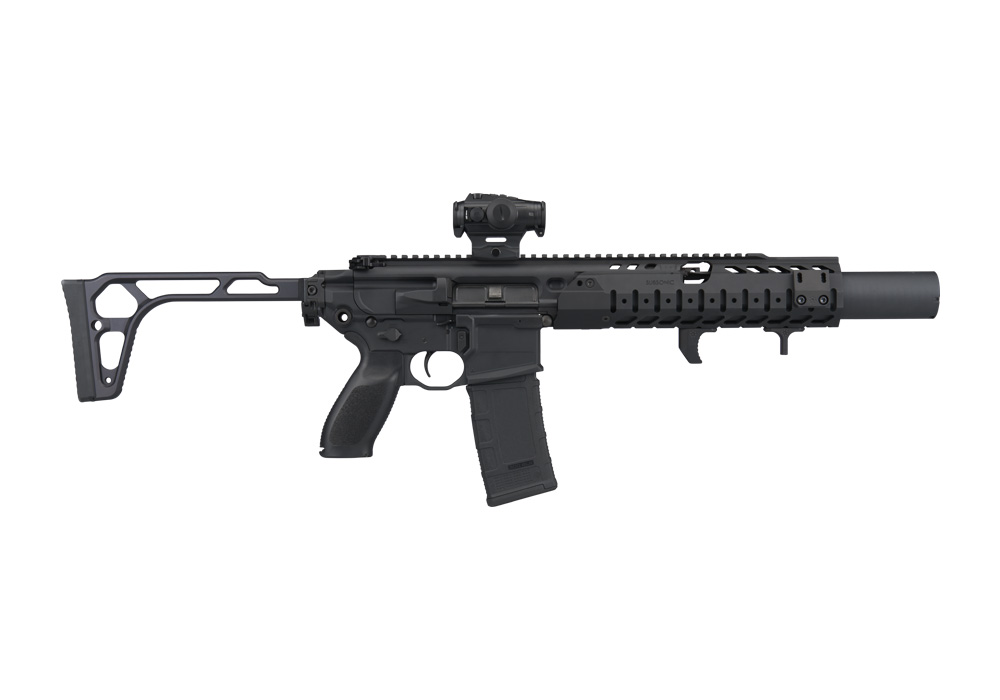
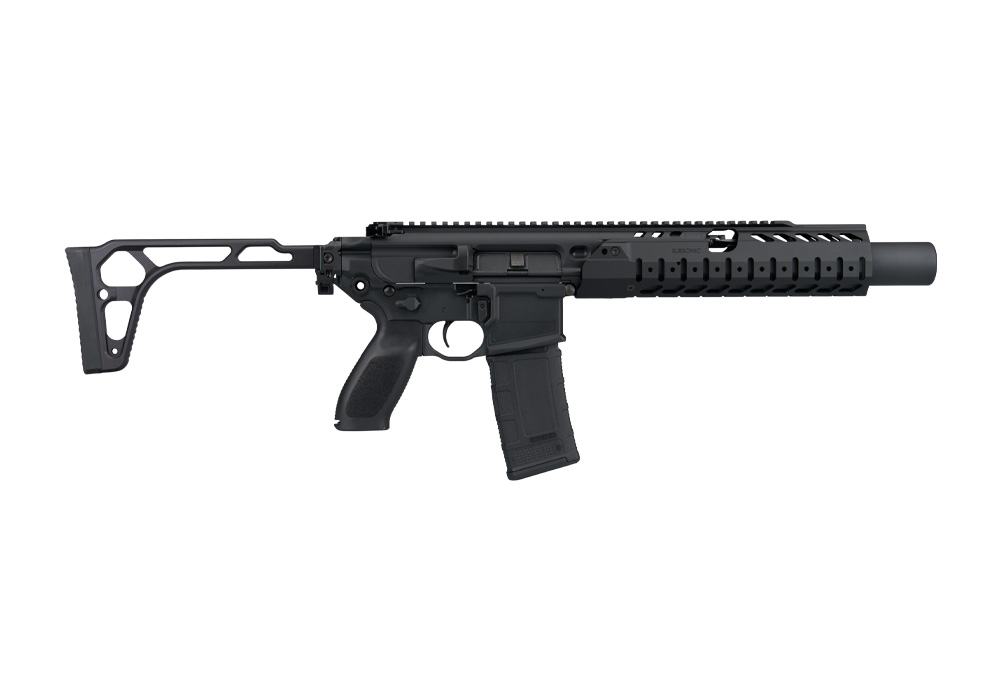
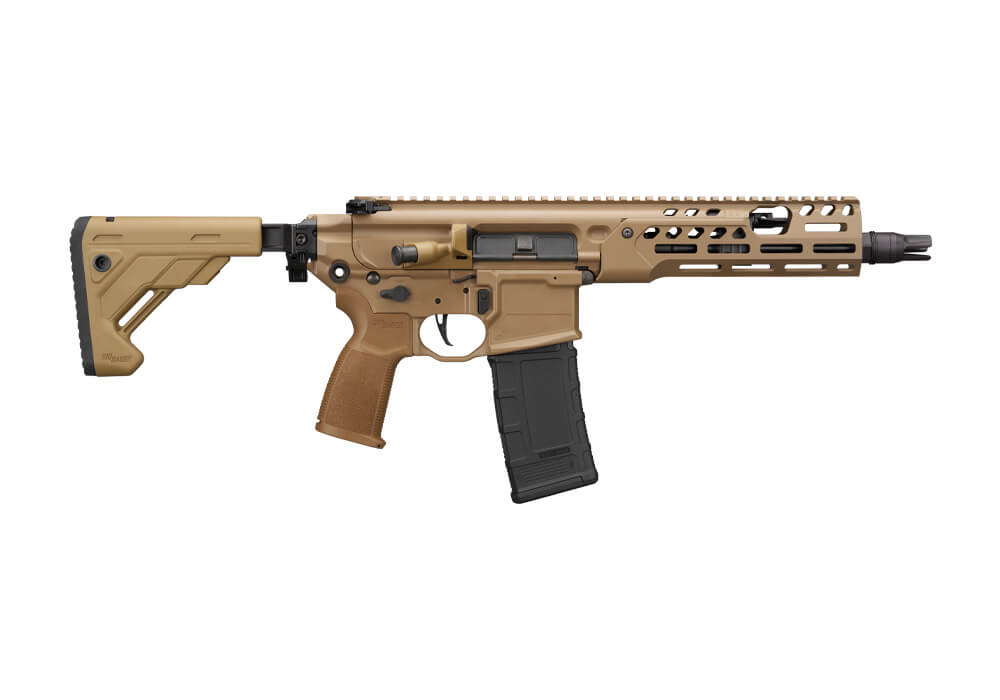
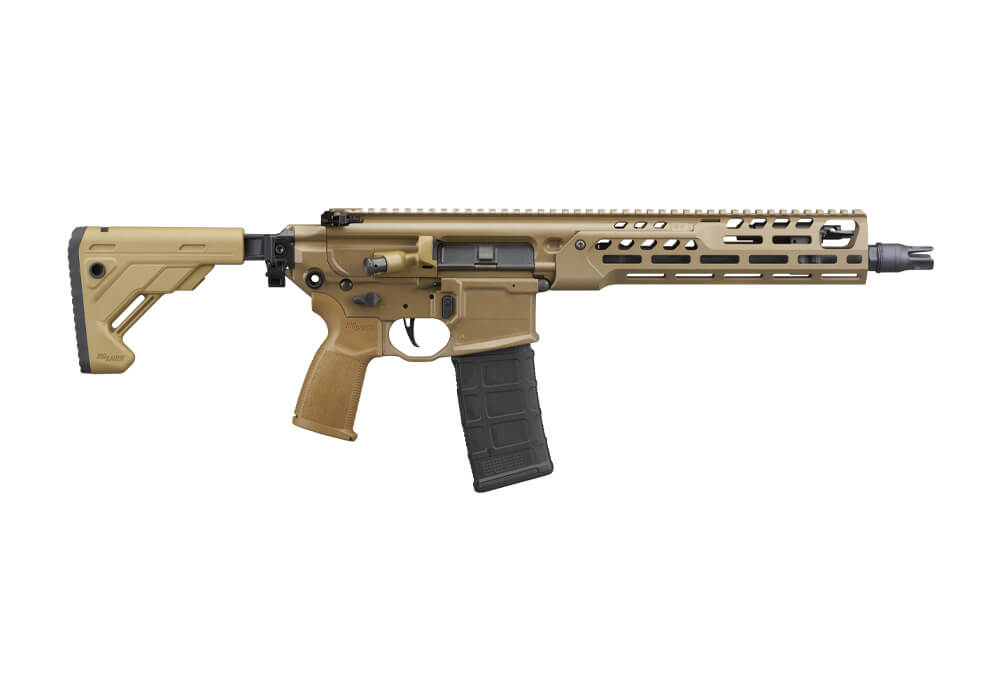
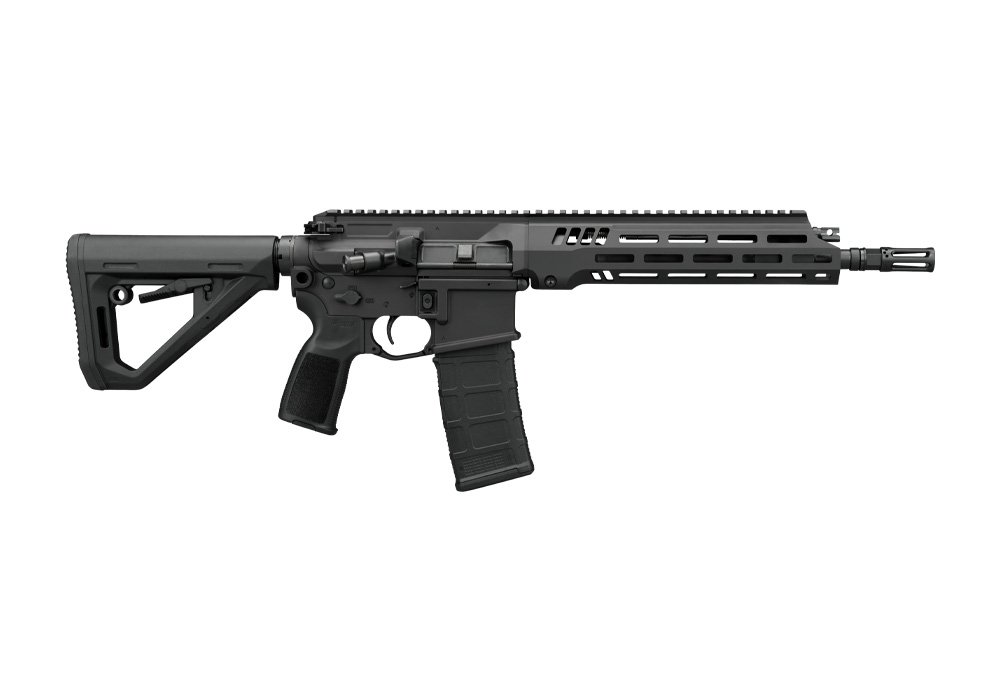
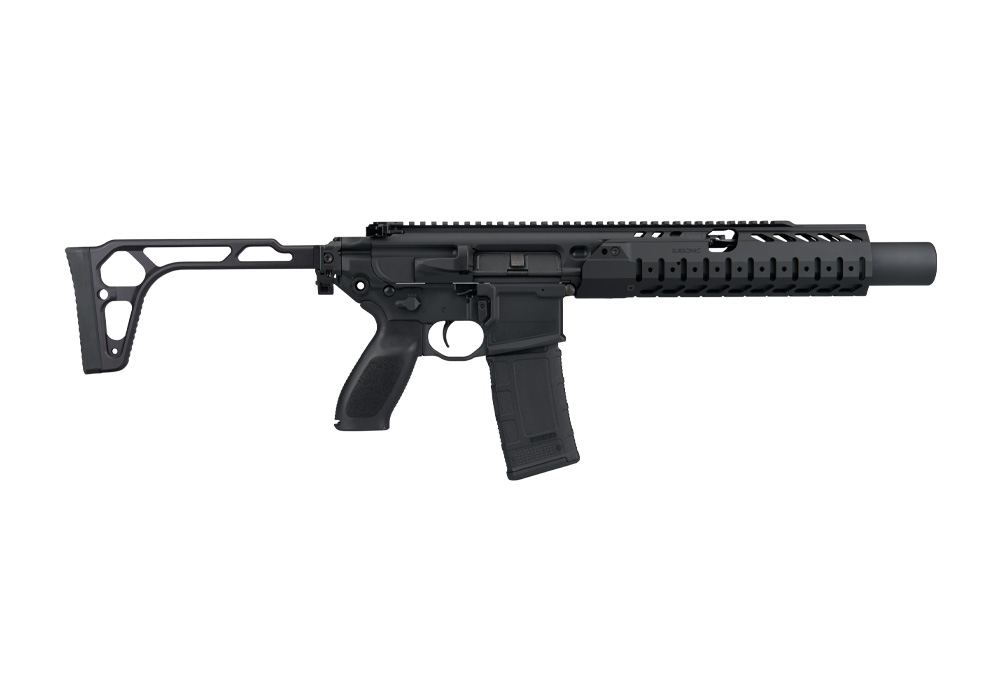
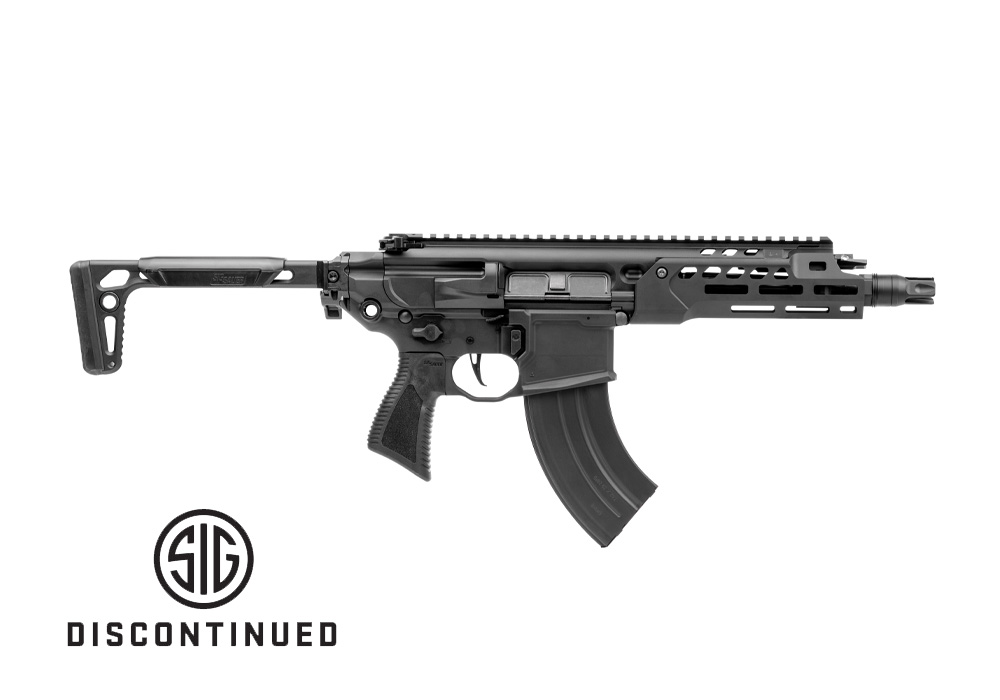
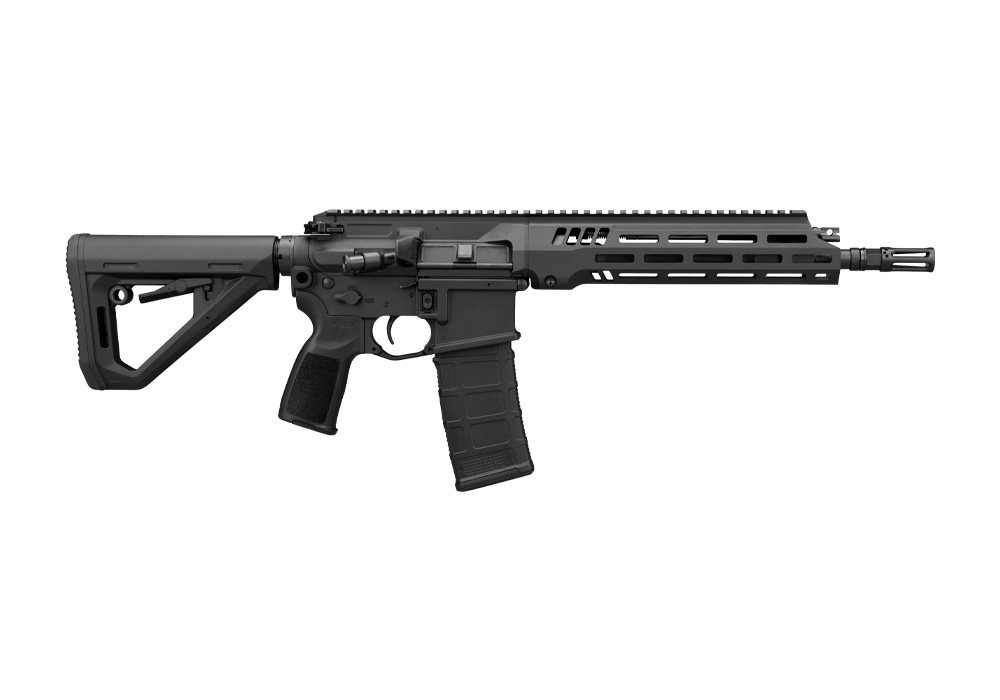
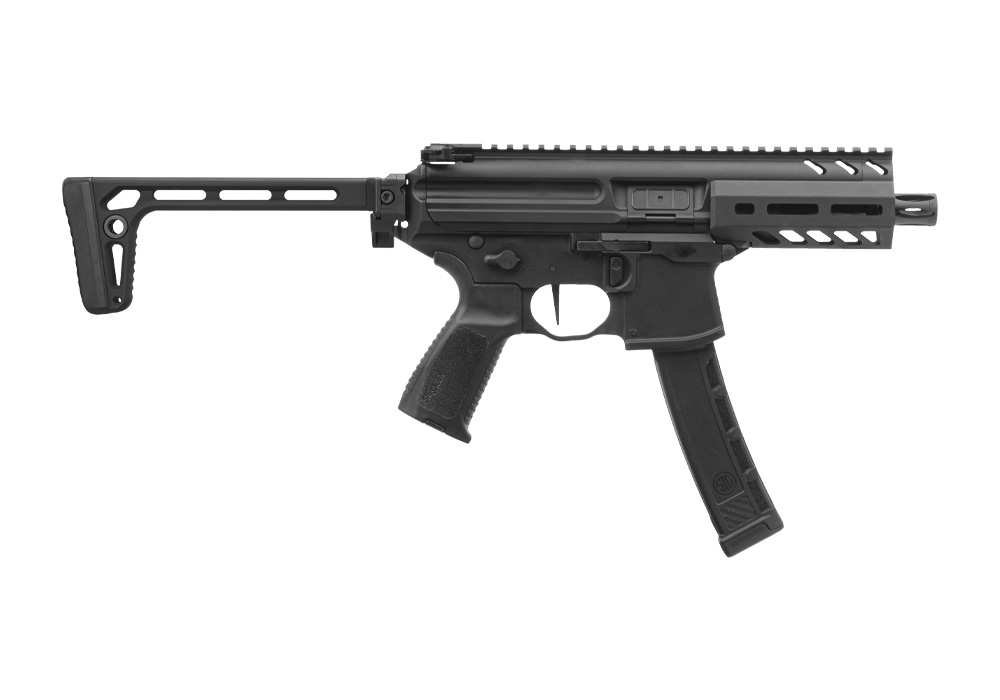
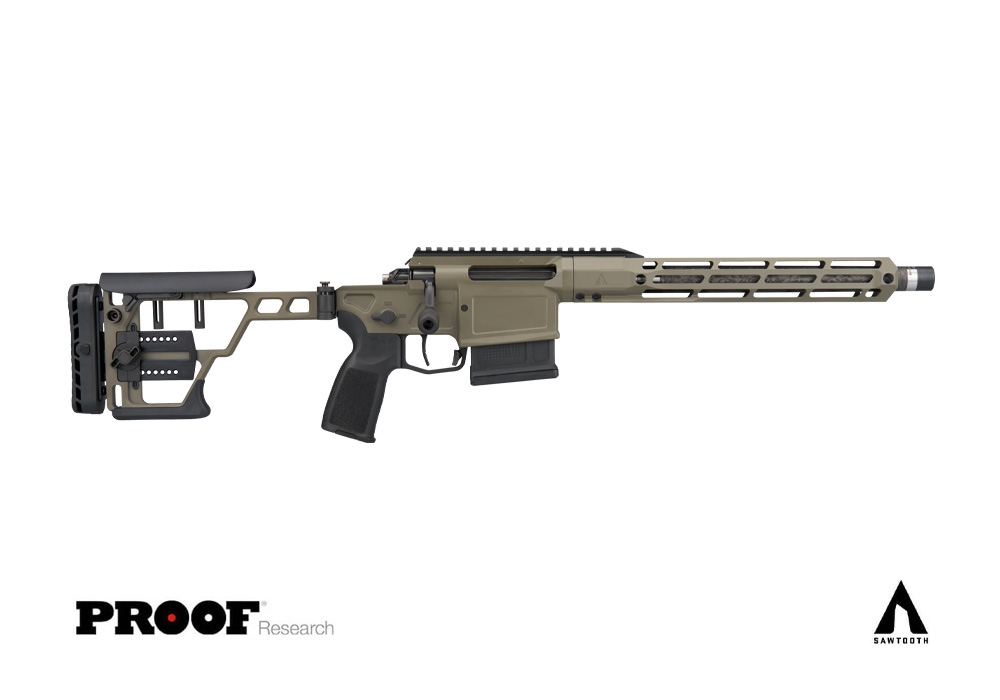
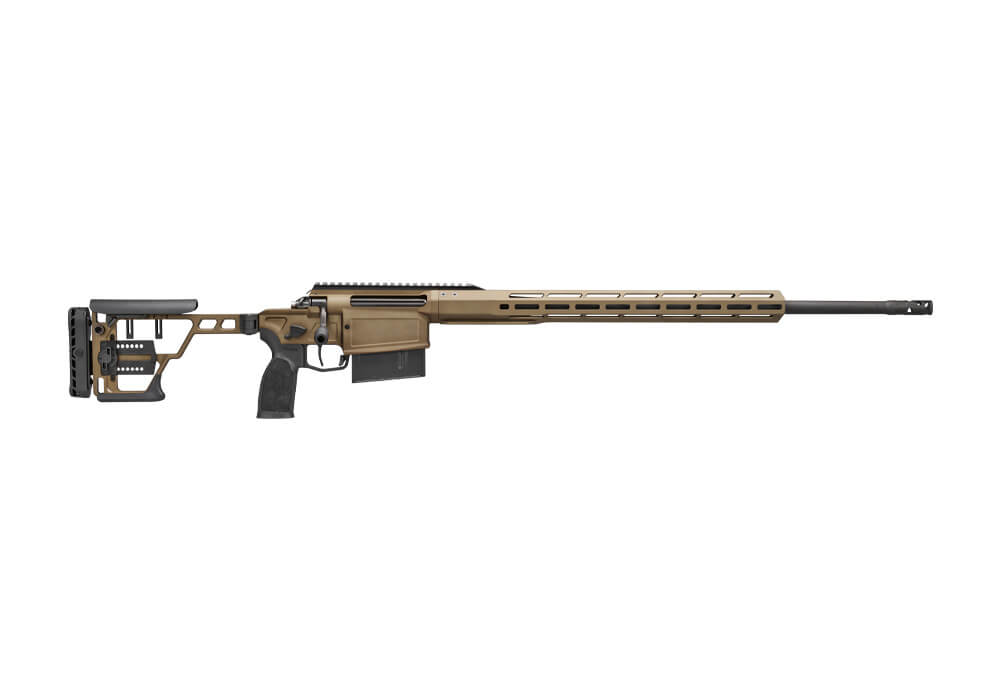
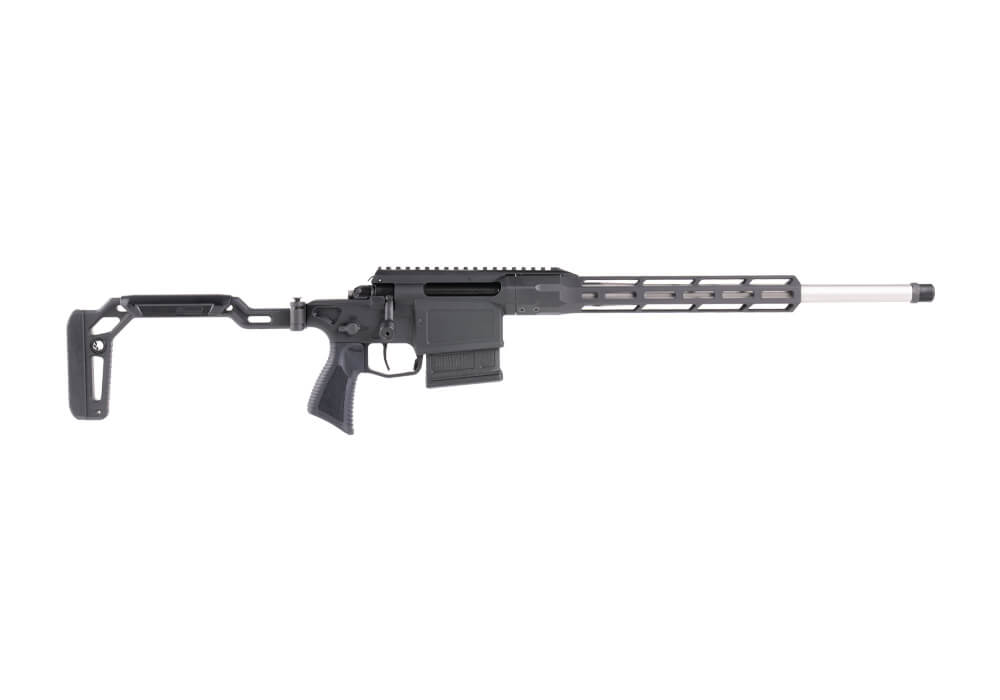
Short-barreled rifles, commonly called SBRs, are a distinct firearm category defined by more than their compact appearance. Under federal law, a rifle with a barrel shorter than 16 inches generally falls within this category, and other dimensional and configuration rules can also affect its classification. For adults considering SBR rifles for the holiday season, that legal distinction belongs alongside questions of construction, fit, and intended use. These firearms may interest experienced recreational shooters, collectors, and owners who prefer a shorter rifle for lawful range activities where the configuration is permitted. Their dimensions can suit certain transport and storage arrangements, but a smaller exterior does not necessarily mean lower weight, less sound, or a simpler ownership process. A thoughtful comparison looks at the complete rifle: its balance, controls, stock configuration, materials, and compatibility with the owner’s established shooting environment. Holiday gifting adds another consideration. An SBR is not an ordinary wrapped surprise, and the intended recipient’s interest, eligibility, location, and ability to complete the lawful transfer process matter more than a date on the calendar. SBRs are subject to National Firearms Act requirements, and applicable federal, state, and local rules should be verified before any purchase or gift arrangement. Registration and transfer obligations should never be assumed to have disappeared because of a headline or a change to another part of the law. Travel restrictions and destination rules also deserve attention when holiday plans involve crossing state lines. For an experienced adult recipient, the most meaningful choice is one that fits an existing interest and a realistic ownership routine. That might mean recreational target shooting at an appropriate range, an interest in mechanical design, or a preference for collecting particular firearm configurations. A clear understanding of those interests gives the holiday occasion substance without treating a regulated firearm as an impulse gift.
Construction and fit help distinguish short-barreled rifles beyond their shared classification. Depending on the design, aluminum receiver components, steel barrels and operating parts, and polymer furniture serve different structural and handling roles. Material names alone tell only part of the story; machining quality, protective finishes, assembly, and the manufacturer’s documentation contribute to an informed assessment. An exterior finish can help protect metal from routine handling and environmental exposure, but no finish eliminates the need for appropriate care. Areas frequently touched by hands, contact points inside a transport case, and surfaces exposed to perspiration can develop wear over time. For an owner who regularly visits the range, durability is less about a pristine appearance than about sound construction, dependable function, and access to manufacturer support. Fit is equally personal. Stock dimensions, grip shape, control placement, and overall balance influence how comfortable a rifle feels to its adult owner. Two firearms with similar published weights can feel noticeably different because that weight is distributed differently. A rifle evaluated while wearing a light shirt may also feel different against a winter jacket, making familiar clothing a useful consideration during an authorized, supervised fitting. Smaller dimensions should not be confused with universal suitability, particularly for someone new to firearm ownership. Short-barreled configurations can have pronounced sound and blast characteristics, so range policies and appropriate eye and hearing protection remain important parts of their intended environment. Ammunition compatibility, operating requirements, and accessory restrictions should follow the manufacturer’s published specifications rather than assumptions drawn from appearance. Clear documentation is valuable to owners who want to understand what their firearm requires without relying on informal advice. For holiday shoppers comparing this category, the strongest match is therefore not necessarily the shortest or lightest configuration. It is the one whose construction, ergonomics, lawful application, and ongoing care requirements align with the intended adult owner’s experience and preferences.
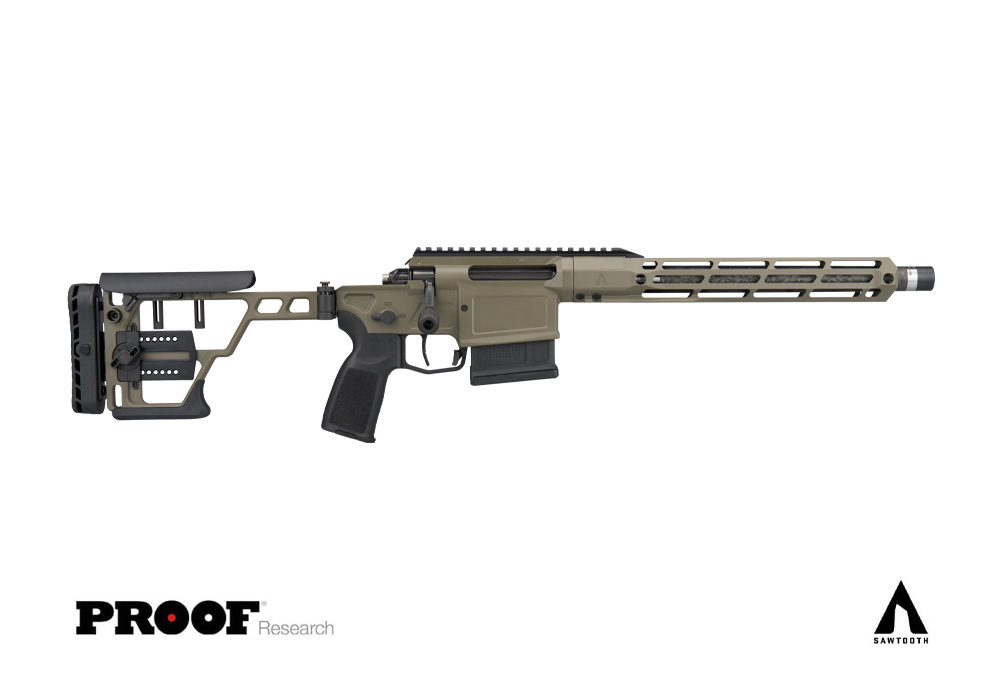
Care and storage give a holiday firearm purchase a life well beyond the occasion itself. A durable short-barreled rifle still needs the cleaning, inspection, and lubrication specified in its manual, with attention to the materials and finishes used in its construction. Manufacturer-approved care products help avoid unnecessary damage to coatings, polymer components, and other surfaces. Seasonal range visits can also involve rain, snow, road moisture, or a transition from cold outdoor air to a heated building. Those conditions make moisture management an ordinary ownership concern rather than a cosmetic detail. A protective case is useful for lawful transport, but damp padding and enclosed humidity are not substitutes for a dry storage environment. Secure storage should prevent access by children and other unauthorized people, with ammunition secured separately and all applicable requirements observed. Holiday gatherings can bring visitors into rooms that usually see little traffic, making established storage habits especially important. The owner’s routine also deserves consideration: the distance to an appropriate range, the time devoted to maintenance, and the practical arrangements for compliant transport all shape how comfortably a firearm fits into everyday life. For someone whose main interest is deliberate target shooting rather than a compact format, the related selection of Precision Rifles for Holiday Season offers a different category to consider. The distinction is about intended use and personal preference, not a claim that one configuration suits everyone. Within the SBR category, detailed specifications, clear ownership requirements, and realistic expectations are more useful than seasonal excitement alone. An experienced recipient may appreciate the engineering, proportions, and handling characteristics of a short-barreled rifle, while also recognizing the responsibility that accompanies it. Thoughtful holiday consideration leaves room for both perspectives: the enjoyment of a lasting personal interest and the practical commitments of lawful ownership, careful maintenance, secure storage, and responsible range use.