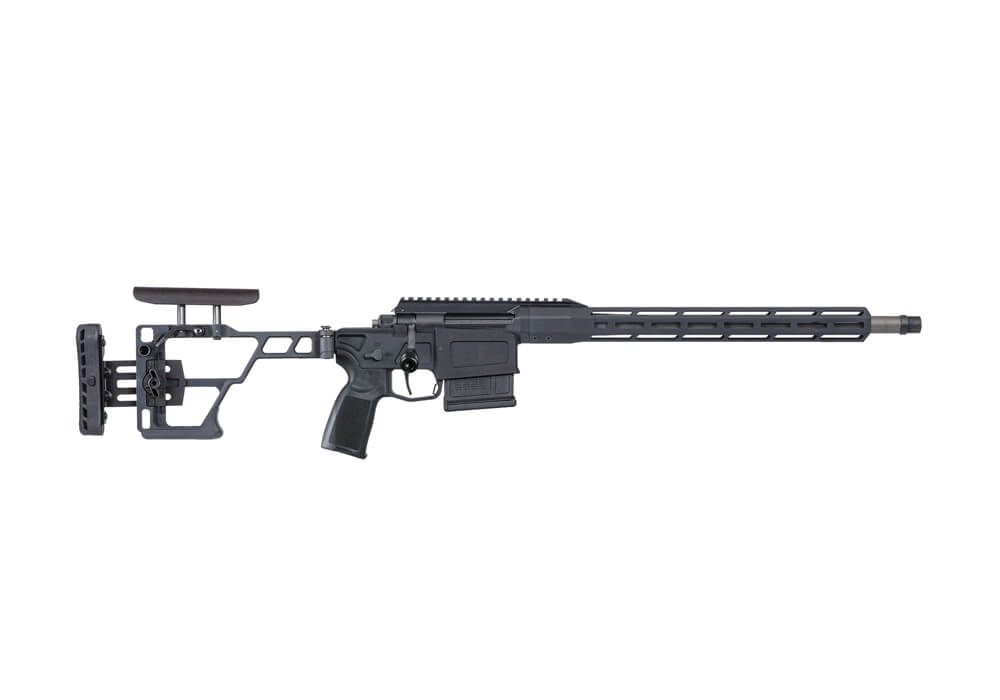
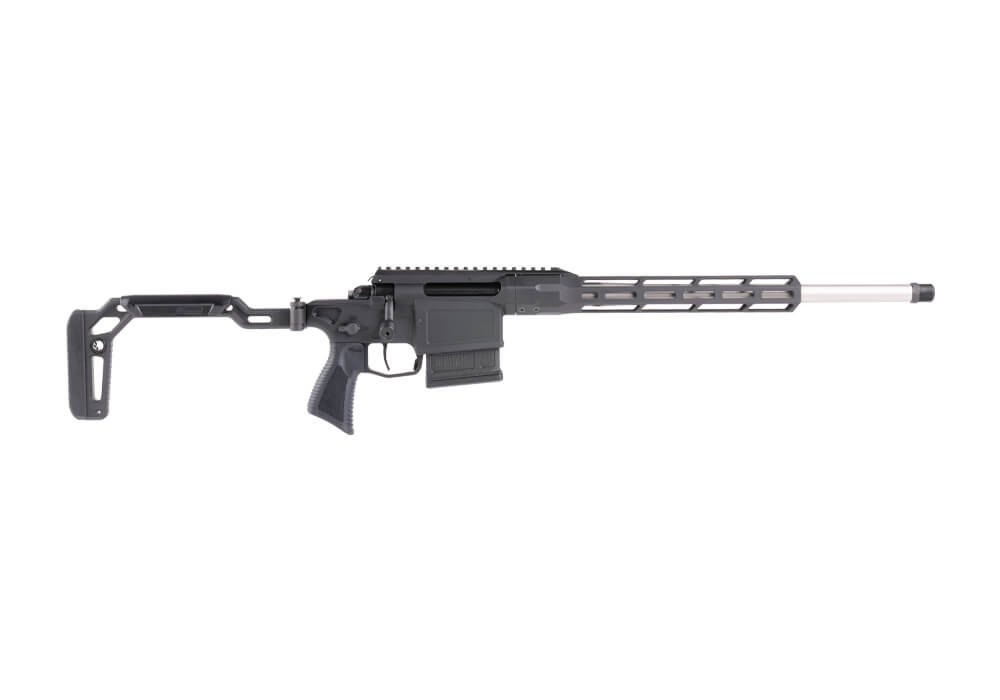
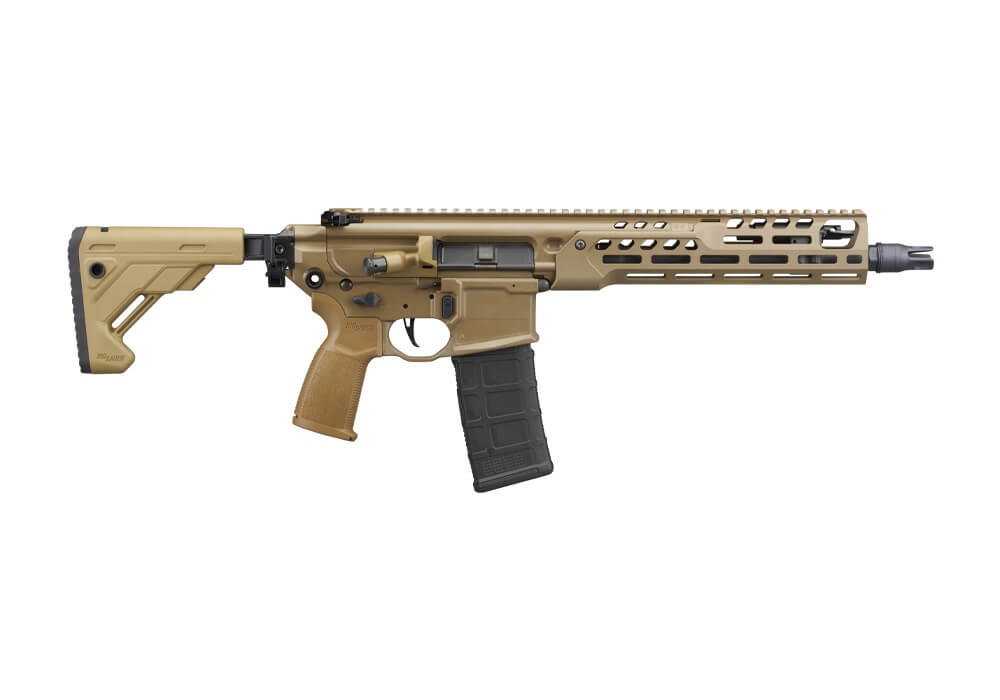
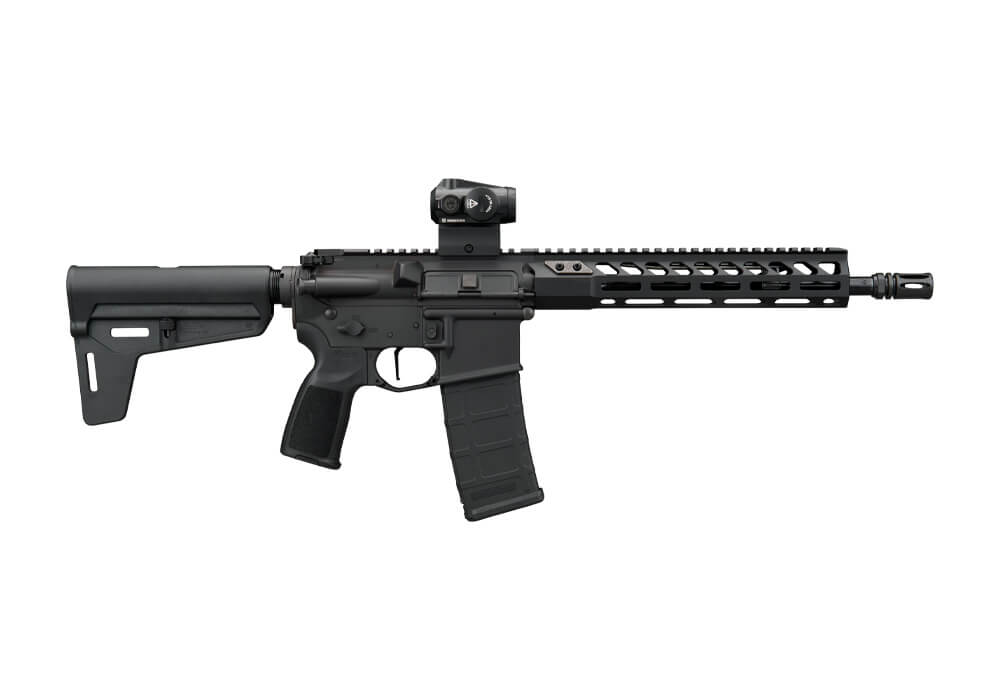
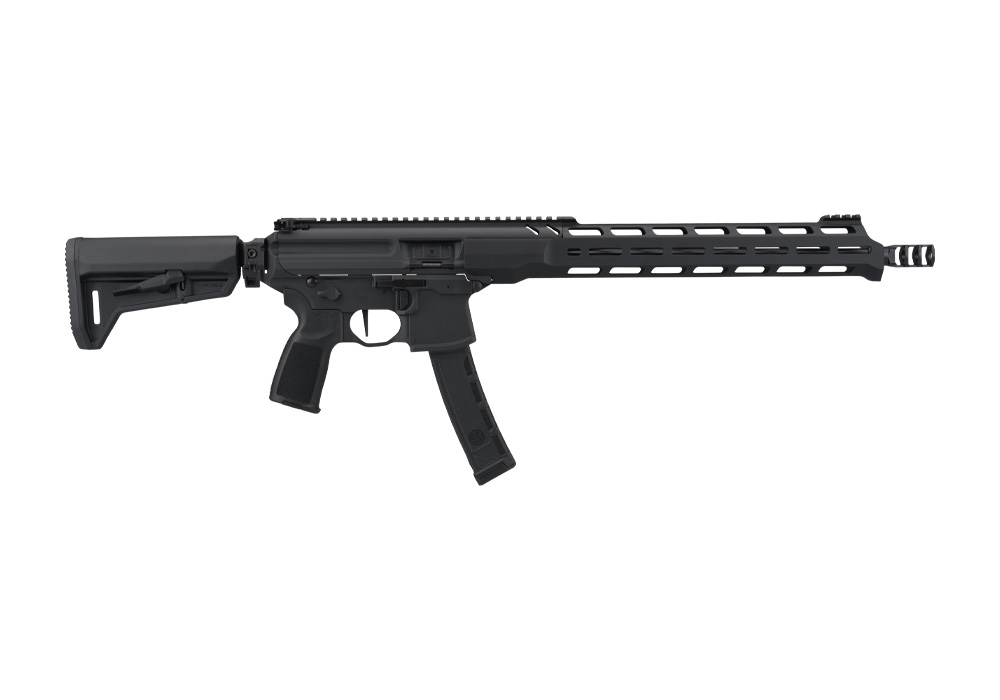
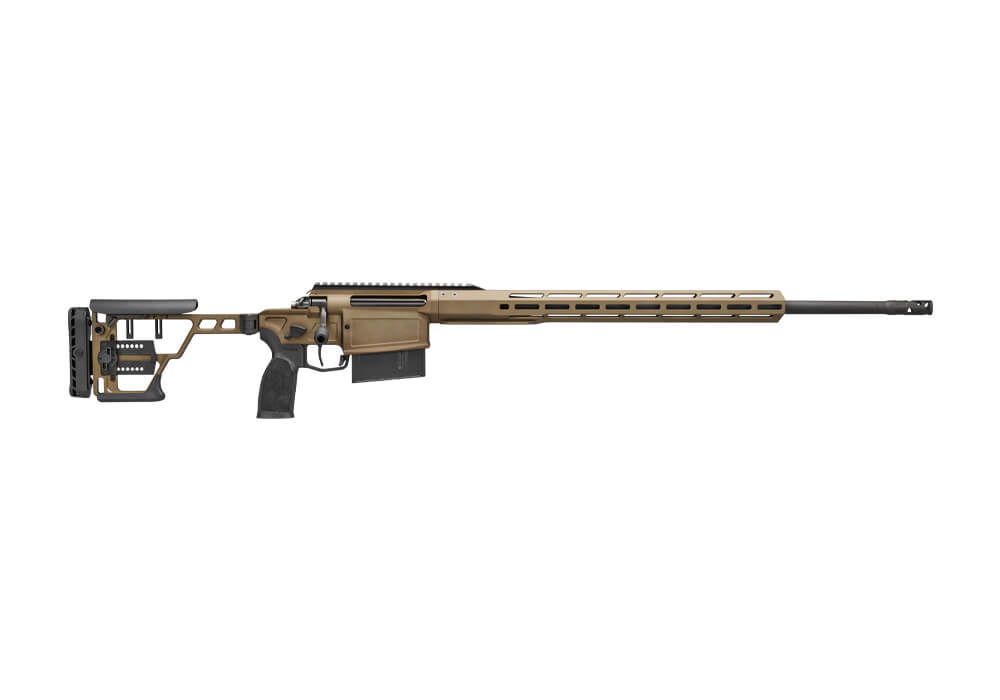
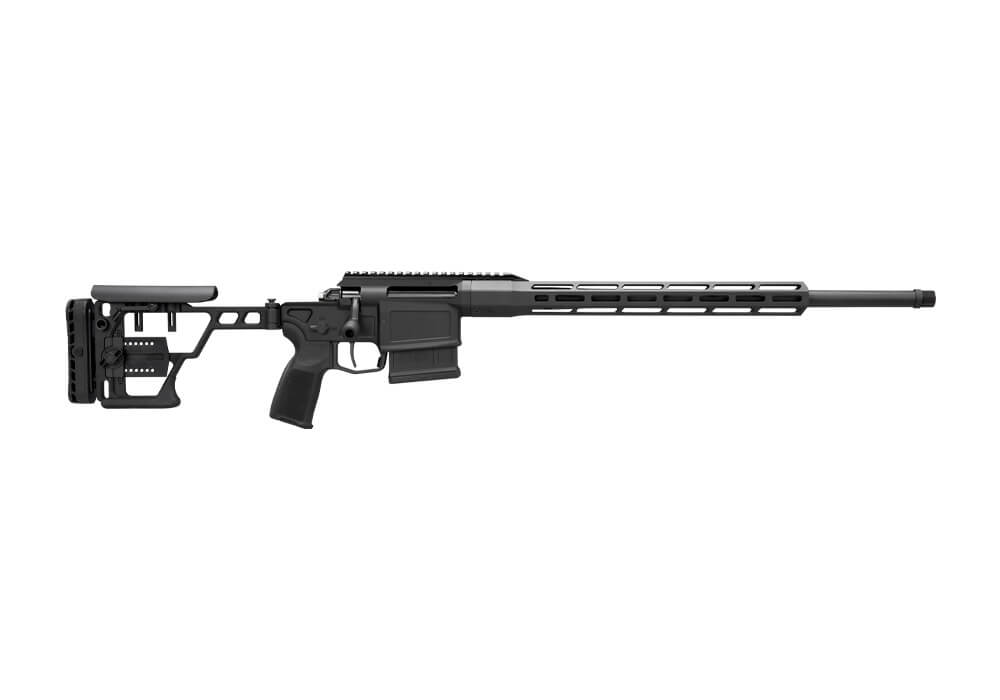
Durable SBR rifles for field use combine a compact profile with the construction, controls, and reliability needed for demanding conditions. A short-barreled rifle can be easier to maneuver around vehicles, wooded trails, interior spaces, and tight terrain than a full-length rifle, while still offering the familiar handling and practical range of a rifle platform. For many buyers, the most useful configurations feature barrels in the 10.5- to 11.5-inch range. These lengths provide a balanced compromise between portability, muzzle performance, sight radius, and controllability, especially with 5.56 NATO or .223 Remington ammunition. Shorter barrels can be exceptionally convenient, but they may produce more muzzle blast and reduced velocity, so a buyer should weigh compact handling against the distances and environments where the rifle will be used. A folding or compact stock can simplify storage and transport, while a stable adjustable stock may provide a more consistent cheek weld and shooting position. Controls should be easy to reach with either hand, and the handguard should offer secure accessory mounting without adding unnecessary bulk. For field work, small details become important: a protected muzzle device, durable finish, positive safety selector, robust sling attachment points, and sights that remain usable when light conditions change. A rifle intended for wet trails, dusty vehicle storage, cold-weather practice, or frequent range sessions should also receive careful attention to barrel construction, bolt and carrier materials, corrosion resistance, and the quality of its springs and small controls. Piston-operated systems can run cleaner and cooler during extended use or when paired with a suppressor, while direct-impingement systems are often lighter, familiar to many shooters, and straightforward to maintain. Neither operating system is ideal for every owner, so the best choice depends on maintenance habits, accessory plans, weight preferences, and the type of field conditions expected. A well-balanced SBR should feel lively in the hands without becoming difficult to control, and its parts should fit together with the confidence that comes from careful engineering and consistent quality control.
Caliber selection is another central consideration. 5.56 NATO and .223 Remington offer broad ammunition availability, a flat trajectory for practical distances, and a familiar operating profile across many rifle platforms. .300 Blackout is often selected for very short barrels and suppressor use, with subsonic and supersonic ammunition options that support different goals. Because ammunition performance varies with barrel length, bullet design, and intended distance, buyers should compare manufacturer data and choose loads suited to the rifle’s chamber and purpose. Magazine size, ammunition cost, recoil, flash, and sound signature all influence how comfortable a rifle is during repeated practice. A suppressor can alter balance and overall length, so it is wise to confirm thread specifications, gas settings, clearance, and sight height before building a complete setup. Buyers should also review federal, state, and local requirements before purchasing or configuring an SBR. Short-barreled rifles are subject to specific federal rules, and registration, possession, transport, storage, and transfer requirements can apply; regulations may change, so consult current official resources and qualified professionals before proceeding. Safe storage is equally important, particularly in homes with children or visitors. A locking container, separate ammunition storage where appropriate, and a consistent handling routine help support responsible ownership. These rifles can appeal to experienced range users, hunters whose local laws permit the configuration, professional users, and outdoorsmen who value compact equipment for vehicles or remote camps. They may also be considered as a significant gift for a knowledgeable adult who already understands safe firearm handling, although a firearm should never be given without confirming the recipient’s eligibility, preferences, and compliance with all applicable transfer rules. For shoppers comparing options, begin with the intended role, then evaluate barrel length, operating system, caliber, stock design, optic compatibility, sling placement, maintenance access, and total weight with the accessories that will actually be carried. A dependable setup is rarely the one with the longest feature list; it is the one that remains comfortable, controllable, and serviceable after hours in the field and repeated practice at the range. Shoppers who want to compare a broader selection can also explore Durable Semi Automatic Rifles for additional configurations suited to different handling preferences and applications. As cooler weather brings longer layers, damp conditions, and changing daylight, a compact rifle with durable components, a secure sling, suitable optics, and a thoughtful maintenance routine can remain a practical companion from the truck to the trail and back to the safe.