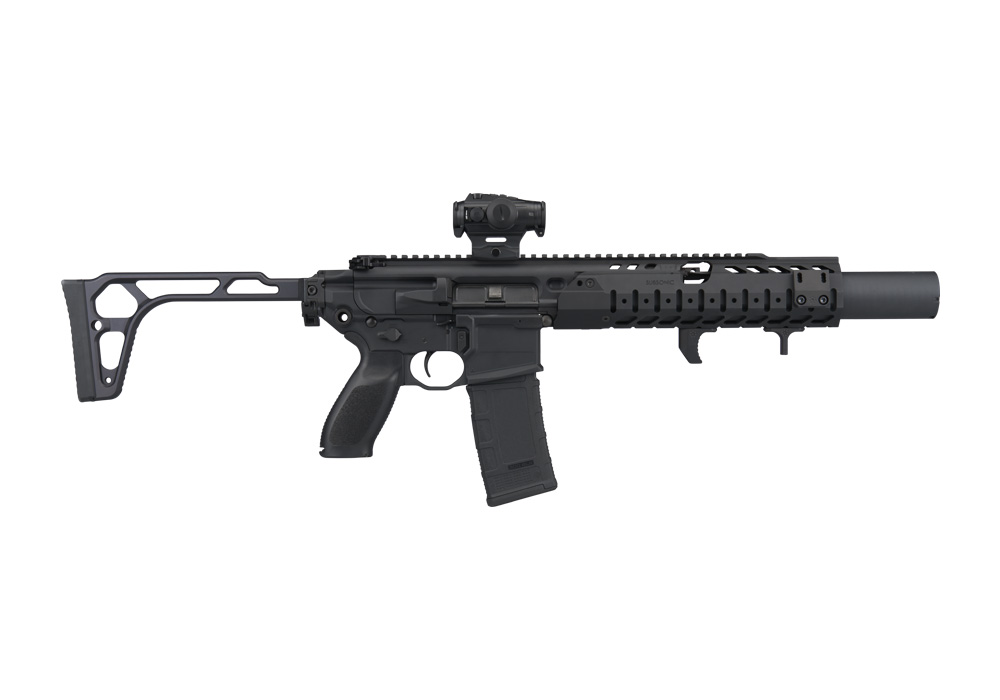
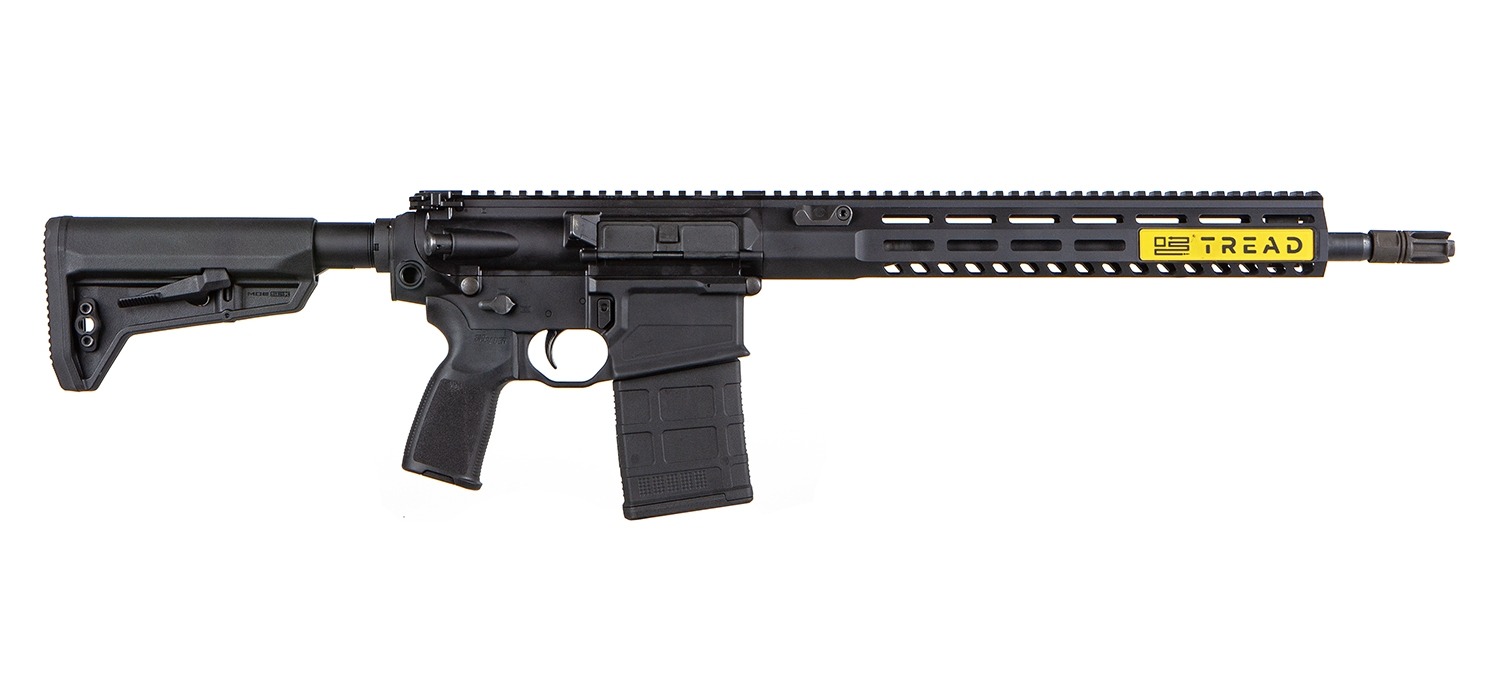
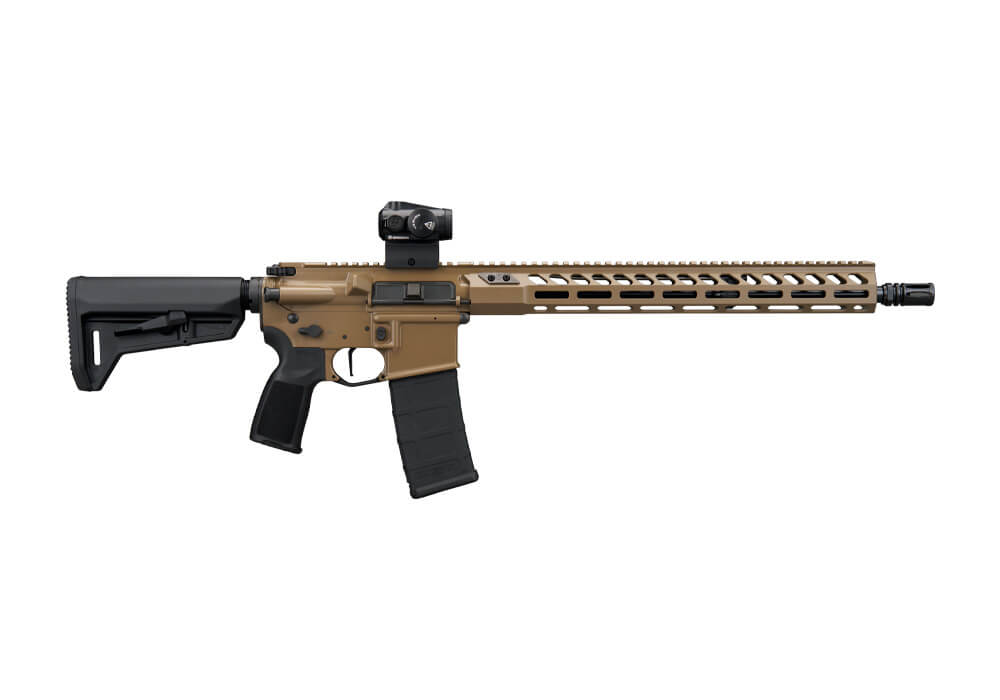
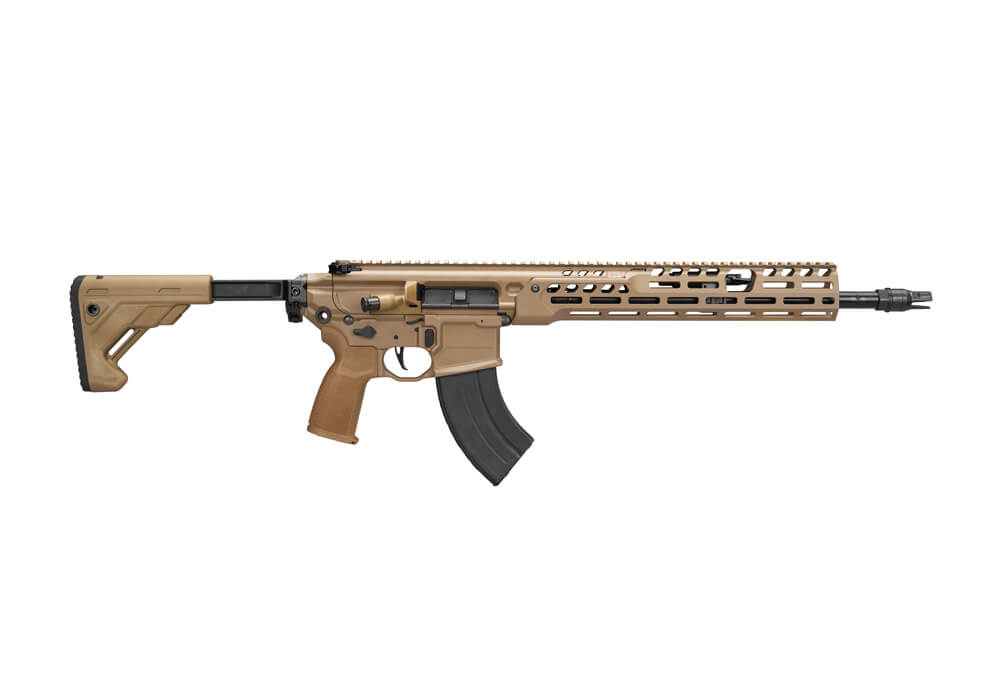
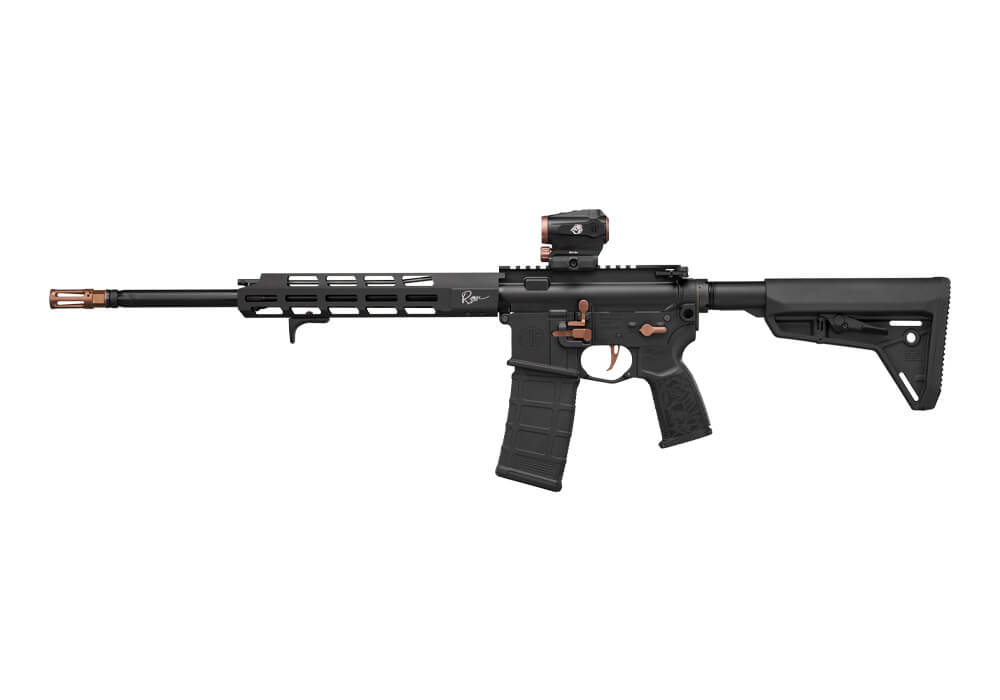
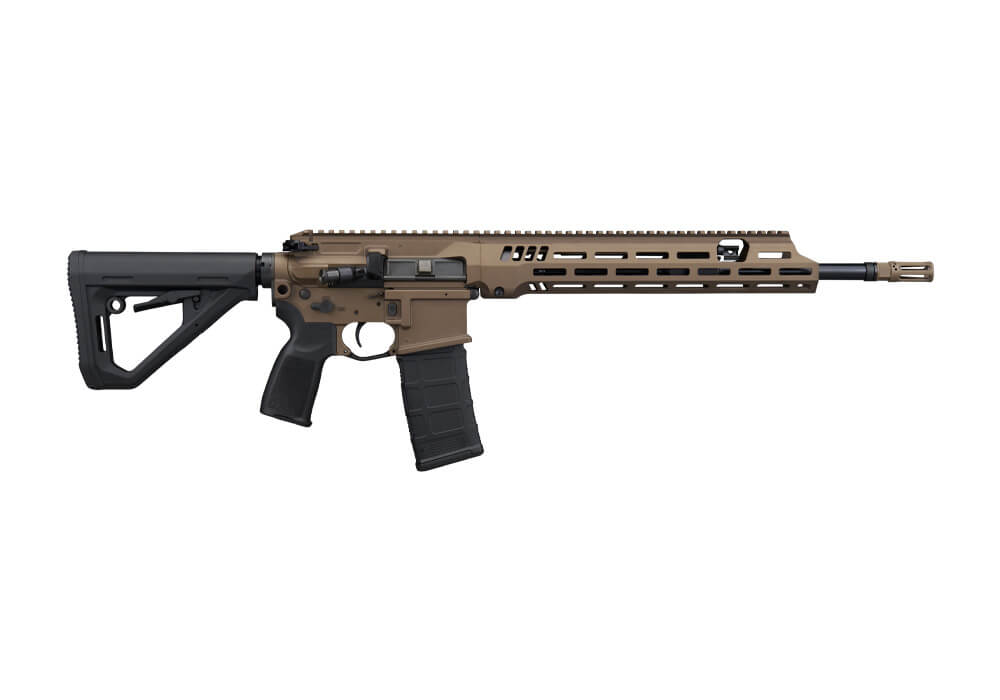
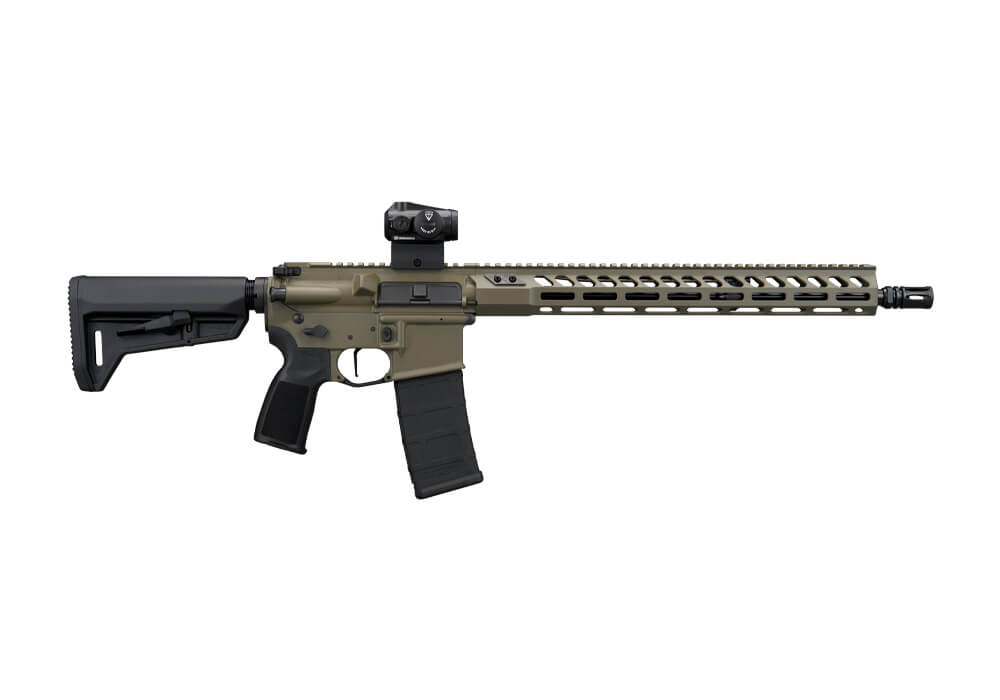
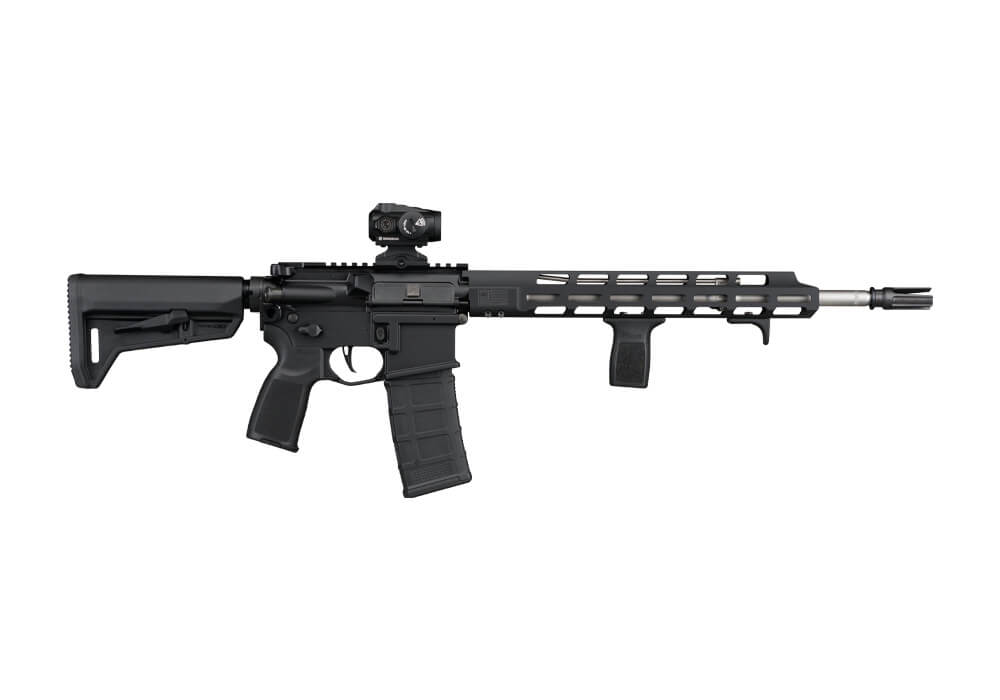
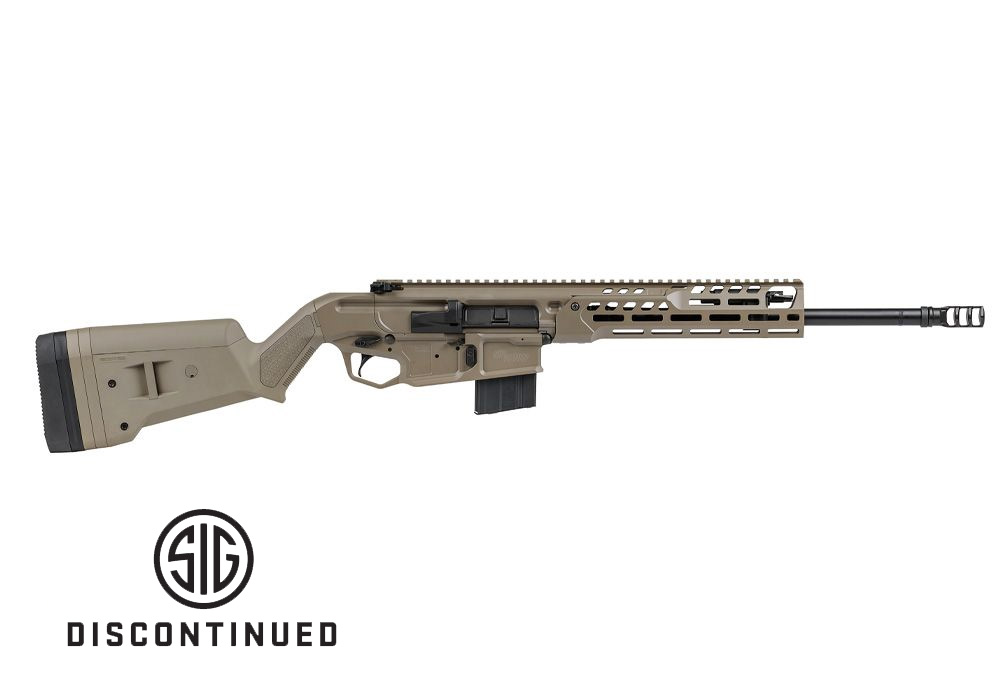
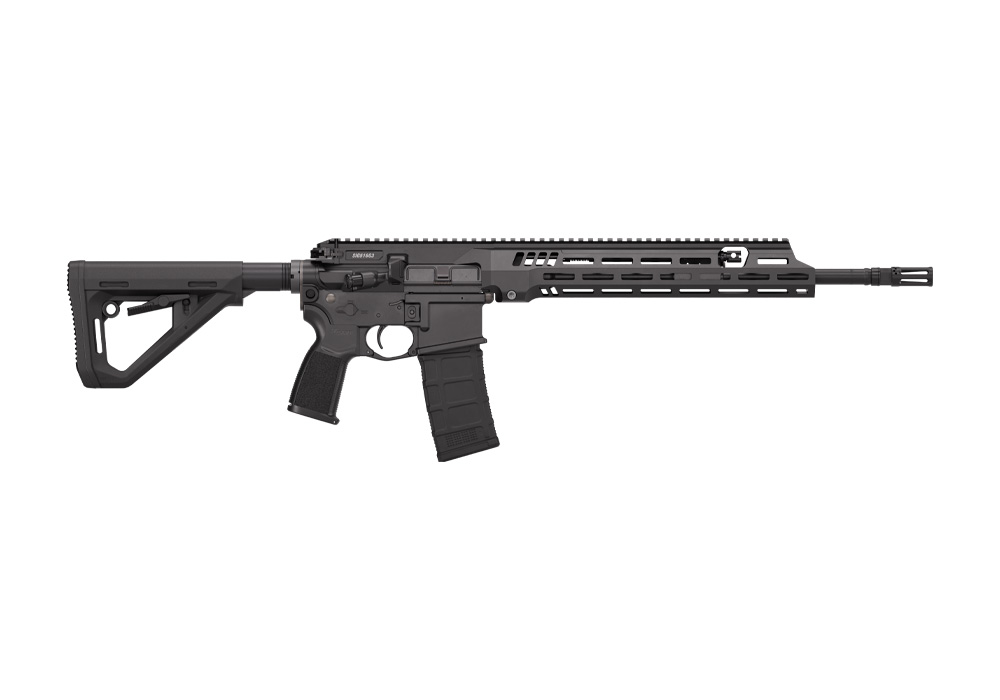
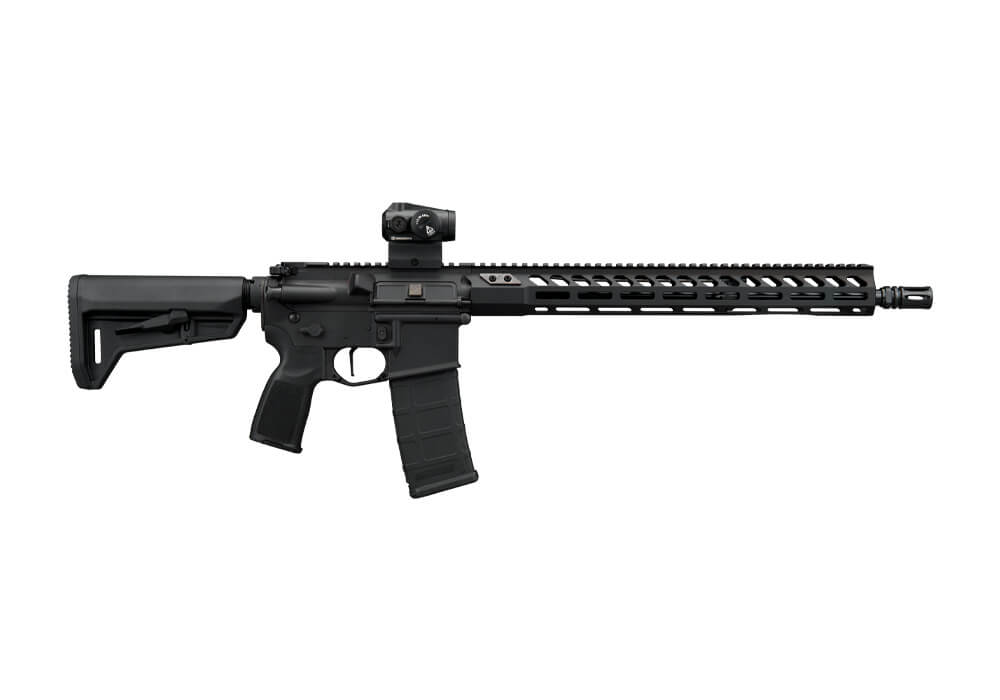
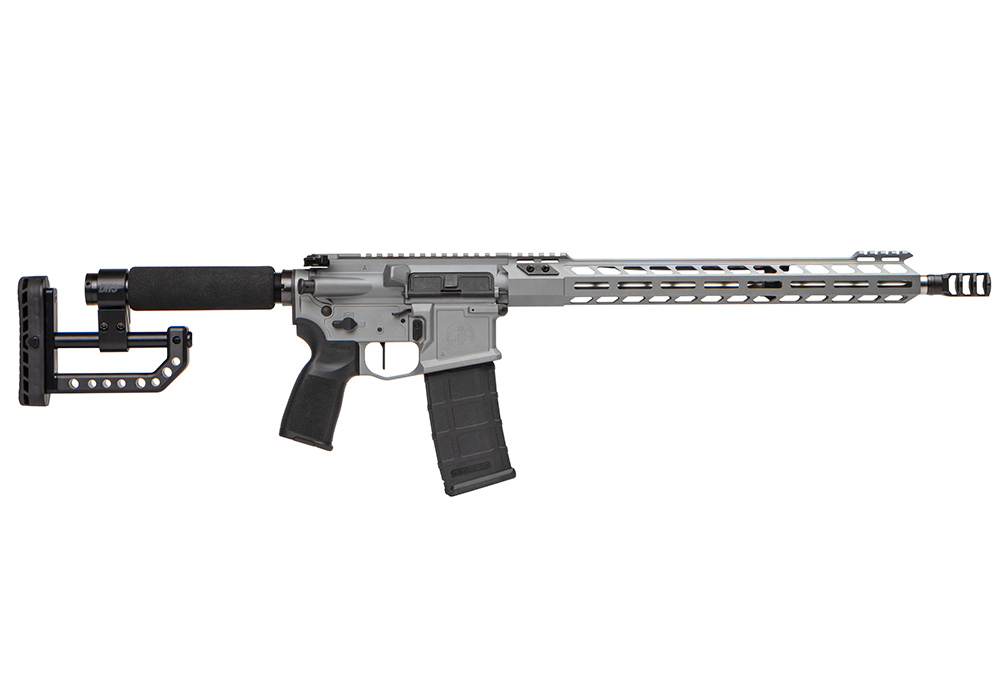
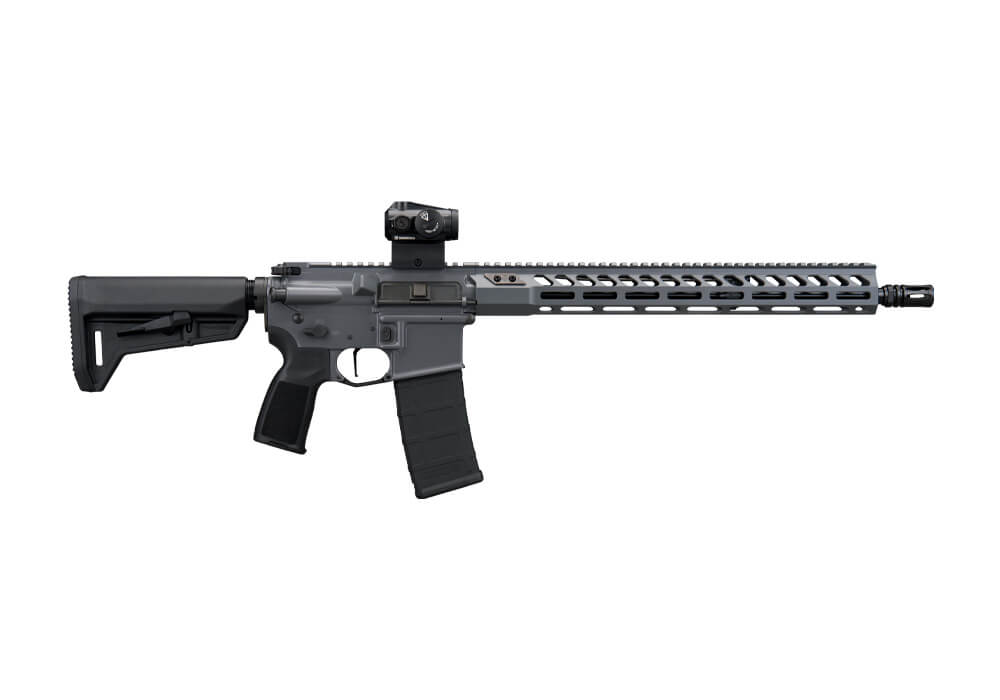
Durable semi automatic rifles are designed for dependable performance across demanding range sessions, field use, training, and regular practice. Unlike manually operated rifles, semi automatic designs use the energy from each fired cartridge to cycle the action and prepare the rifle for the next shot, allowing the shooter to maintain a steady rhythm without manually working the bolt between rounds. A well-built rifle should feel solid without becoming unnecessarily cumbersome, with controls that are easy to reach, a stock that provides a consistent cheek weld, and a balance point that remains comfortable whether shooting from a bench, standing position, or supported field position. Buyers comparing durable semi automatic rifles should begin with the intended role and select a chambering that fits the task, experience level, ammunition budget, and local regulations. Rimfire options are often lightweight, economical, and approachable for fundamentals practice, small-game applications where lawful, and introducing a new shooter to the basics of sight alignment, trigger control, and safe gun handling. Centerfire rifles offer greater reach and energy, while larger-frame chamberings may be appropriate for hunting or longer-range use when paired with suitable ammunition and a shooter who is prepared for additional recoil. Standard capacity and extended capacity magazines are available depending on the rifle and applicable laws, making it important to verify state and local requirements before purchasing magazines or configuring a firearm. For shoppers building a practical collection, a durable semi automatic rifle can serve as a versatile training platform, a useful companion for lawful outdoor activities, or a thoughtful gift for an experienced adult shooter when all transfer, storage, and background-check requirements are followed.
Construction details often separate a rifle that merely looks rugged from one that is prepared for years of consistent use. Barrel design deserves close attention because the barrel is exposed to heat, pressure, friction, and repeated cleaning. Cold hammer-forged barrels are valued for their strength and consistent internal dimensions, while chrome-lined or properly treated bores can offer strong resistance to erosion and wear. A durable finish also helps protect exterior steel components from moisture, handling marks, and the occasional abrupt encounter with a truck rack or range bag. Receivers made from strong aluminum alloys can keep a modern sporting rifle comparatively light while maintaining structural integrity, and steel receivers or reinforced components may provide the substantial feel some shooters prefer in traditional-style platforms. The operating system is another meaningful consideration. Gas piston systems generally keep combustion residue farther from the receiver and may run cooler and cleaner during extended firing, while direct-impingement systems can remain exceptionally reliable when properly lubricated, inspected, and maintained. Neither system eliminates the need for care. Look for secure handguards, a rigid mounting surface for sights or optics, a smooth and predictable trigger, and a stock or brace configuration that fits the intended user within applicable regulations. Weather can expose weak points quickly: fine dust may work into moving surfaces during a dry range day, while damp leaves and cool air can reveal poor corrosion protection during outdoor use. A rifle chosen with robust materials, dependable magazines, protected controls, and a proven barrel treatment is better prepared for those ordinary challenges. Shoppers seeking a more specialized selection can also explore Advanced Durability Rifles for configurations focused on demanding use and long-term service.
Reliability ultimately depends on the relationship between the rifle, its ammunition, its magazines, and the way it is maintained. Before committing to a purchase, consider ammunition availability and cost, since a rifle that is affordable to own and practice with is more likely to become familiar and dependable in the hands of its owner. Check that magazines seat securely, controls operate positively, and the rifle accepts the optic, sling, bipod, or other lawful accessories that support the intended application. A simple red-dot sight may suit quick, close-range practice, while a magnified optic can make more distant targets easier to identify; either way, the mounting system should be sturdy and properly secured. After use, follow the manufacturer’s instructions for unloading, inspection, cleaning, lubrication, and storage. Pay particular attention to the chamber, bore, bolt or carrier group, gas system, and magazine condition, and replace damaged or worn components rather than trying to work around them. Secure storage is essential, especially in homes with children or visitors, and a locked container or approved locking device helps prevent unauthorized access. New owners benefit from professional instruction and supervised practice, while experienced shooters can use a structured maintenance routine to catch small problems before they become interruptions. During the cooler months, a rifle may move between a warm vehicle and cold outdoor air, creating condensation that deserves prompt attention before storage. Whether selected for recreational marksmanship, lawful hunting, preparedness, or as a carefully considered gift for a qualified adult, durable semi automatic rifles reward thoughtful selection and consistent care. The best choice is one that fits the shooter, matches the intended use, complies with every applicable law, and remains comfortable enough to encourage regular, responsible practice.