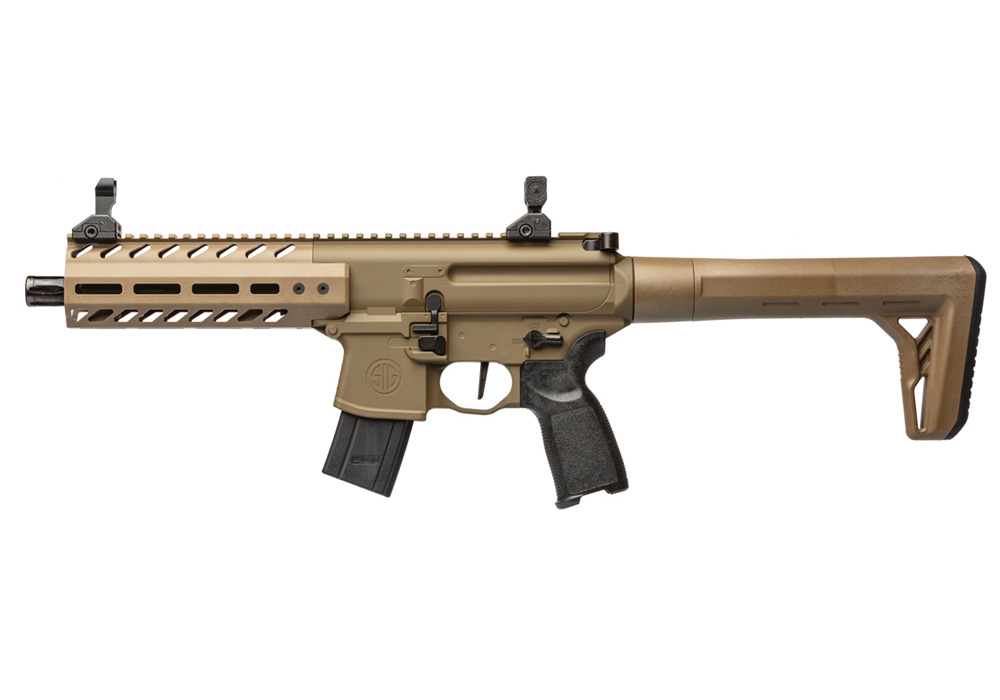
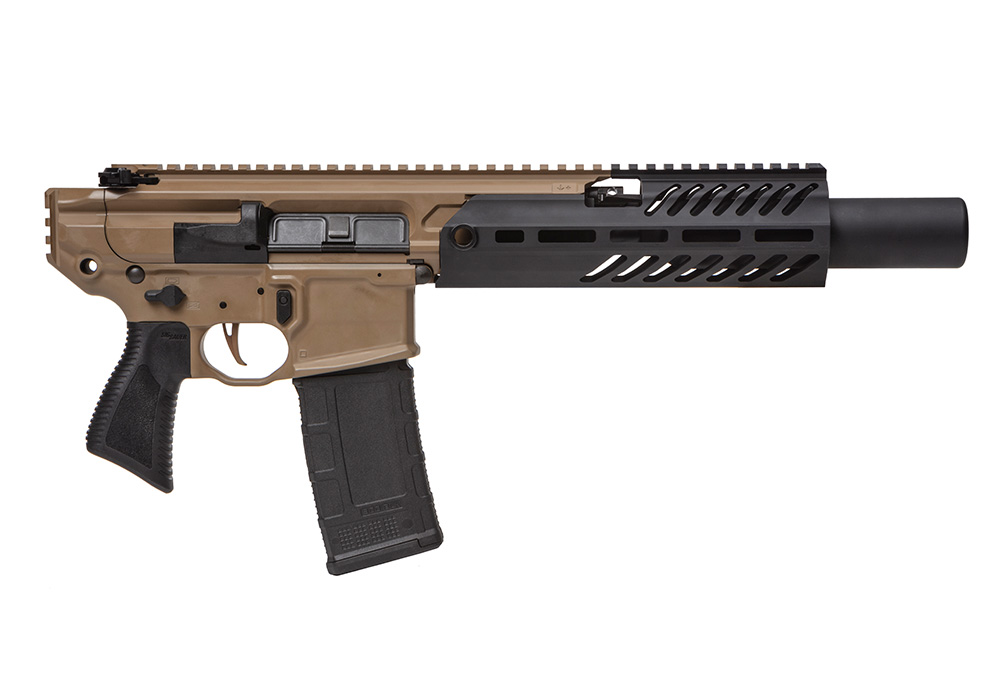
Durable lightweight rifles are designed for hunters, outdoorsmen, recreational shooters, and professionals who need dependable performance without carrying unnecessary weight across long distances. In this category, a rifle generally weighs under 6.5 pounds before adding an optic, sling, magazine, or other accessories, making it easier to carry through wooded trails, steep terrain, and open country. The difference between a rifle that feels manageable and one that becomes tiring can be especially noticeable during a full day outdoors. A compact, well-balanced platform can ride comfortably against the shoulder while walking, then settle naturally into position when it is time to shoot. Lightweight construction often comes from modern materials and thoughtful engineering, including carbon fiber stocks, titanium or other lightweight actions, fluted steel barrels, and carbon-fiber-wrapped barrels. These features help reduce ounces without making the rifle feel fragile. A rigid barrel can support consistent accuracy, while a durable exterior finish helps protect against moisture, abrasion, and changing conditions during the warmer and cooler parts of the year. Buyers comparing durable lightweight rifles should consider more than the number on a scale. Balance, stock shape, grip angle, length of pull, recoil pad design, and the placement of the sling swivels all affect how the rifle carries and shoulders. A rifle that is technically light but poorly balanced may feel less comfortable than a slightly heavier model with a natural point of balance. The intended cartridge matters as well. Lighter rifles chambered for more powerful cartridges can produce noticeably sharper felt recoil, particularly from a bench or during extended range sessions. A well-shaped stock, effective recoil pad, and a comfortable shooting position can make that experience more manageable, but buyers should still select a chambering that matches their experience, intended game or use, and practice habits.
Weather resistance is another important consideration for anyone shopping durable lightweight rifles. Outdoor equipment may encounter morning dew, sudden rain, dusty roads, damp truck cases, or snow during the cooler months, and the rifle should be able to withstand ordinary field exposure with appropriate care. Corrosion-resistant stainless steel components and protective coatings such as Cerakote can help defend exterior surfaces from moisture and wear, while sealed finishes on stocks can make cleanup easier after a long day outside. Carbon fiber and other synthetic materials are often valued because they remain stable and resist swelling or warping when conditions change, though every rifle still benefits from routine inspection, cleaning, and proper storage. Barrel construction deserves close attention. Fluted barrels can remove weight while maintaining useful rigidity, and carbon-fiber-wrapped barrels may offer the stiffness associated with a heavier profile while keeping the overall rifle easier to carry. These designs are especially appealing to hunters who spend more time hiking than shooting, where every ounce is noticeable on a long climb. At the same time, a lightweight hunting rifle is not necessarily intended to behave like a heavy precision rifle during rapid, repeated fire. Buyers should review the manufacturer’s specifications for barrel length, recommended use, magazine configuration, and accessory compatibility, then choose an optic that complements the rifle rather than adding excessive weight. A compact variable-power scope, durable mounting system, and a practical sling can preserve the advantages of a lightweight setup. Shooters interested in a broader selection of rugged platforms may also find useful comparisons among Durable Tactical Firearms, particularly when evaluating construction, controls, finish, and accessory support across different styles.
These rifles can serve many roles, from a dependable companion on a backcountry hunt to a practical choice for range practice, property use, or outdoor training. A hunter moving quietly along a ridgeline may appreciate a rifle that does not pull heavily on the shoulder after several miles, while a recreational shooter may value a platform that is easy to transport from the vehicle to the firing line. For families and experienced firearm owners, a durable lightweight rifle can also be a thoughtful gift when the recipient’s interests, intended use, and local requirements are clearly understood. Firearms should always be purchased and transferred in accordance with applicable laws, and gift-givers should confirm eligibility, background-check requirements, and any restrictions before completing a purchase or transfer. Fit is particularly important when choosing for another person; stock dimensions, overall length, recoil characteristics, and optic preferences can vary widely. When selecting from this category, begin with the conditions in which the rifle will actually be carried and used. Consider the terrain, expected weather, typical shooting distance, desired cartridge, and how much additional equipment will be attached. A rifle that remains comfortable after hours on foot is more likely to be carried regularly and practiced with consistently. Look for a durable action, a stock that provides a secure and repeatable hold, a barrel profile suited to the intended application, and finishes that can stand up to ordinary field conditions. Verify unloaded weight and remember that an optic, rings, sling, and loaded magazine add to the final carry weight. With those details in mind, durable lightweight rifles offer a balanced combination of portability, resilience, and practical performance for outdoor use across changing seasons.