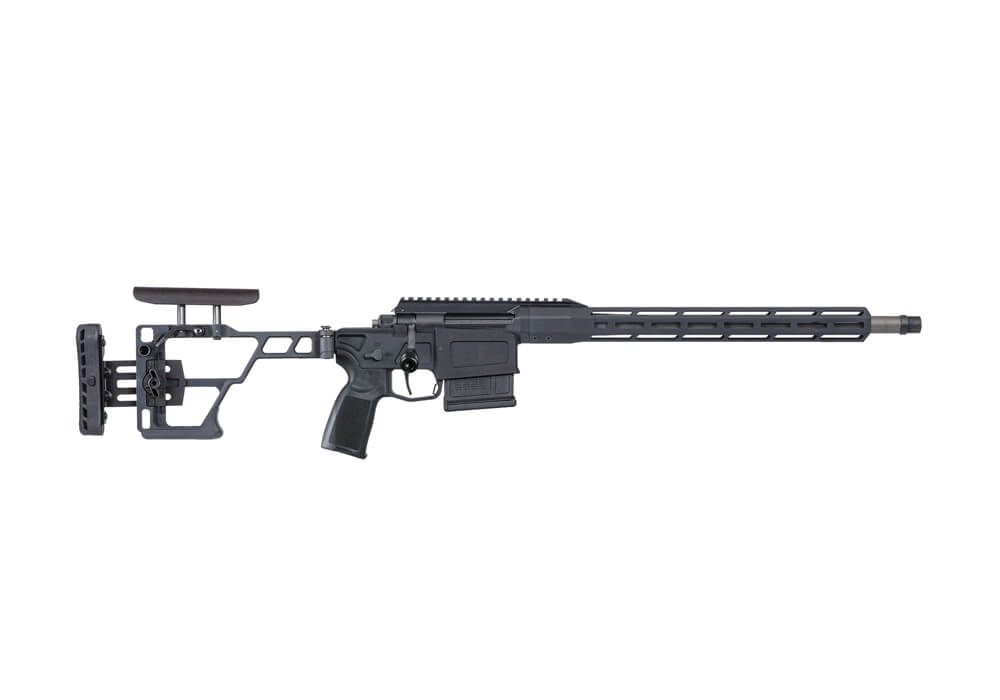
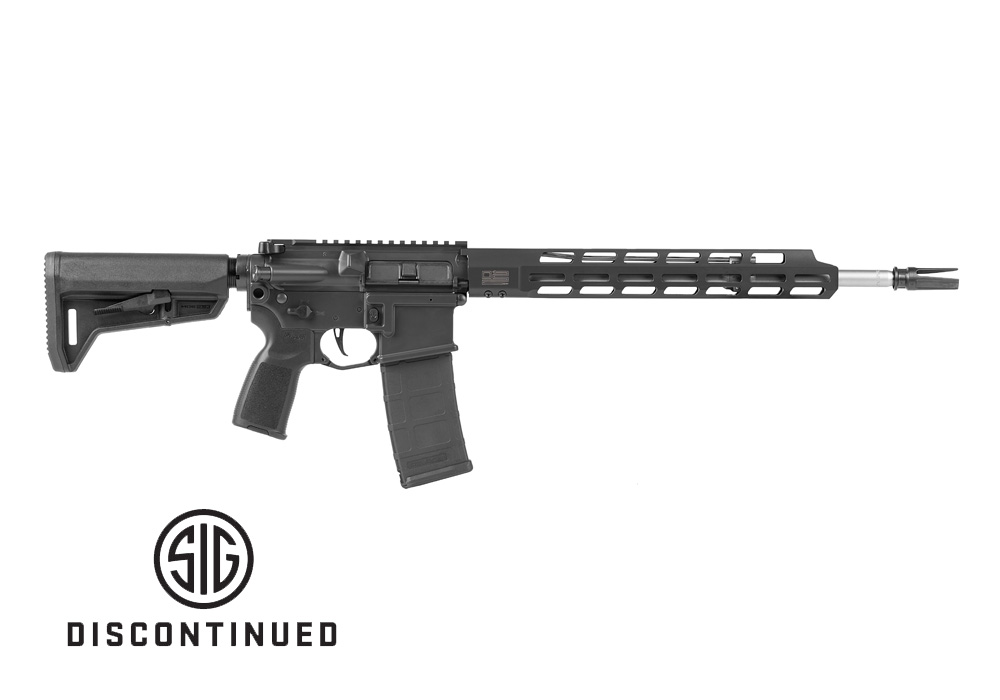
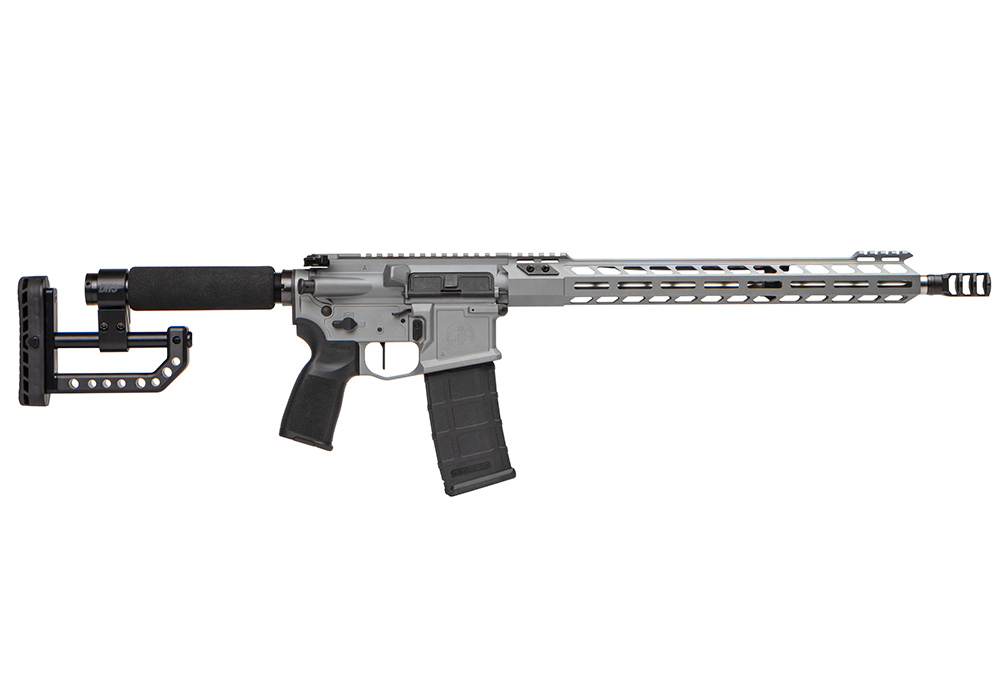
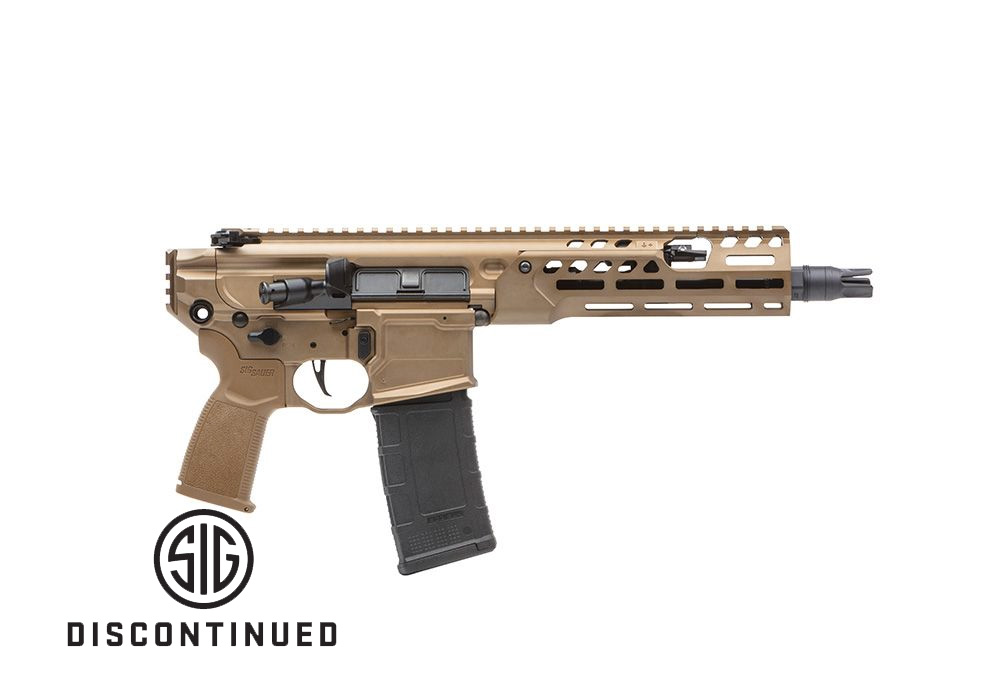
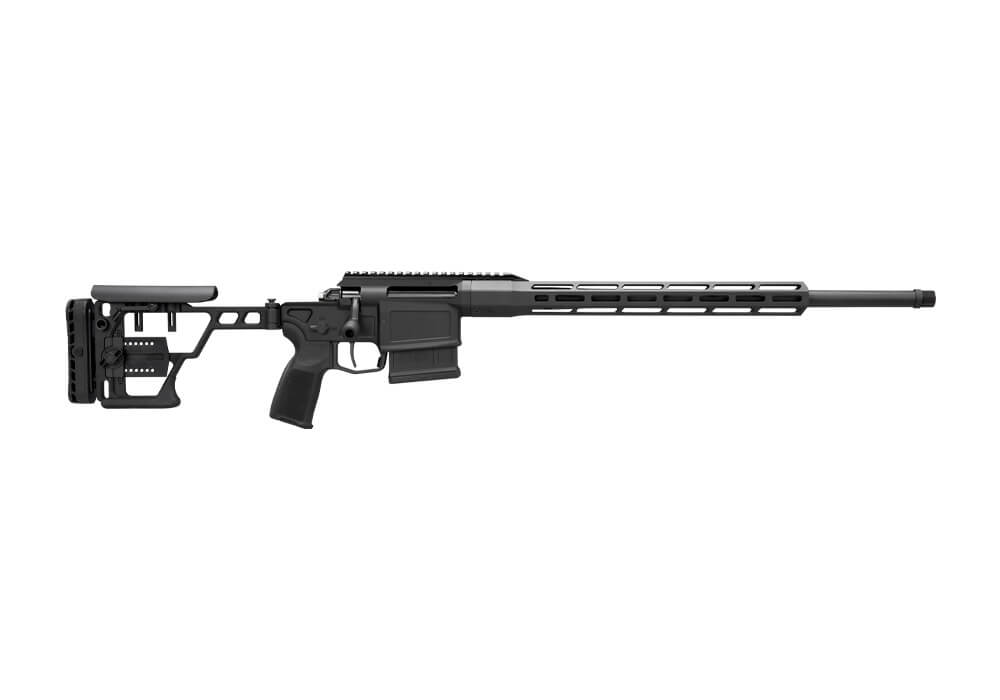
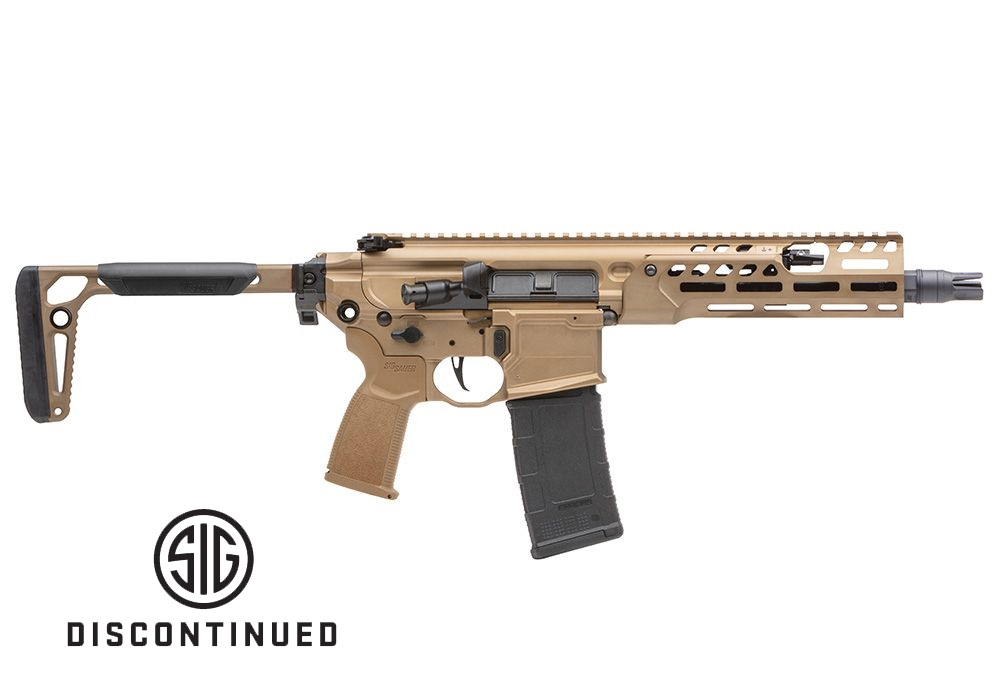
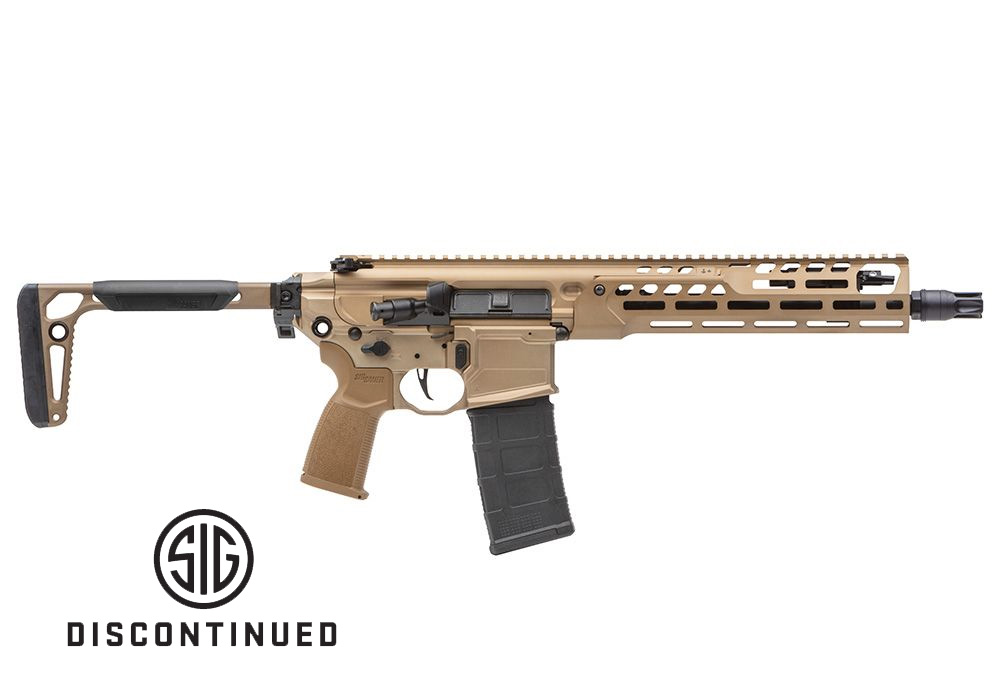
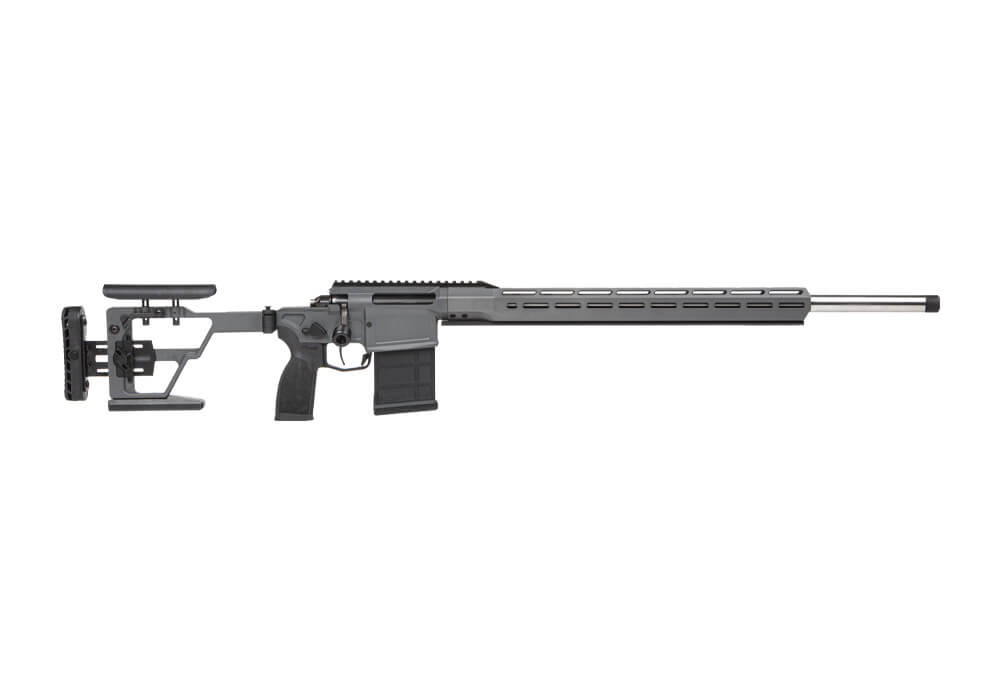
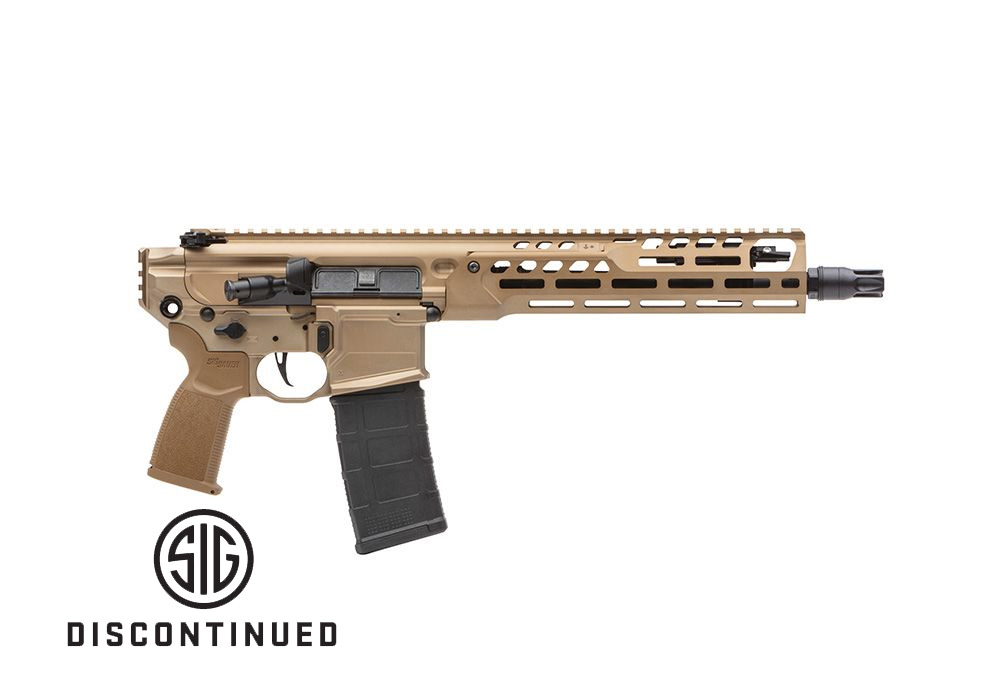
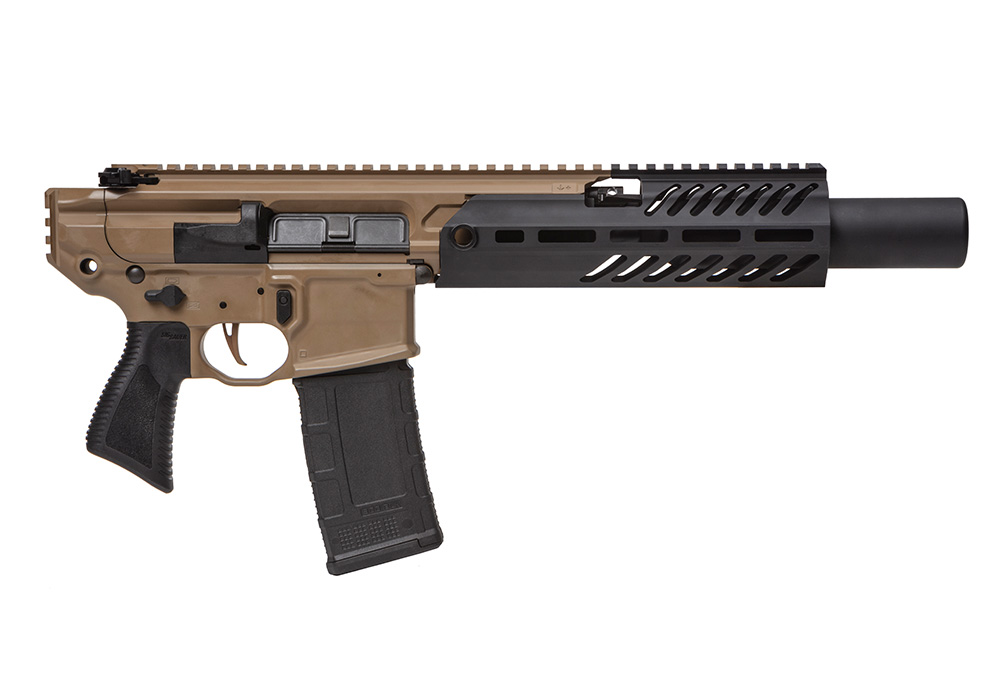
Advanced Durability Rifles are designed for shooters who place a premium on dependable performance, long-term service life, and resilience in demanding conditions. These rifles may be selected for backcountry hunting, practical training, competition, ranch use, recreation, or professional applications where equipment can encounter dust, rain, cold, heat, abrasion, and repeated handling. The defining idea is not simply a rugged appearance; it is the integration of durable materials, protective finishes, reliable operating systems, and thoughtful ergonomics into a complete platform. When comparing rifles in this category, consider how the receiver, barrel, bolt or operating group, handguard, stock, and controls work together. A rigid receiver can help maintain a consistent relationship between the barrel and optic, while a well-designed handguard protects the supporting structure and provides a stable mounting surface. Protective treatments also deserve close attention. Ferritic nitrocarburizing, often associated with black nitride or QPQ finishes, hardens the surface of compatible steel components through a chemical diffusion process rather than simply applying a layer over the metal. This can improve resistance to corrosion, wear, and handling marks while preserving important dimensions. DLC and PVD treatments are used on select components to create hard, low-friction surfaces that may support smooth cycling and reduce wear at high-contact points. Ceramic-based finishes such as Cerakote are valued for their resistance to abrasion, chemicals, and changing weather, while Type III hardcoat anodizing helps protect aluminum receivers and handguards from surface wear. No finish eliminates the need for maintenance, but the right combination can give a rifle added resilience when it is carried through wet brush, set down on rocky ground, or transported between a warm vehicle and a cold range.
Barrel construction is another important consideration for anyone evaluating Advanced Durability Rifles. Traditional steel barrels remain a trusted choice for their strength, consistency, and broad availability, while carbon fiber-wrapped designs can offer a useful balance of rigidity and reduced weight. The practical advantage of a lighter rifle becomes apparent on a long walk through uneven terrain, when every ounce begins to matter, but weight should be considered alongside balance, recoil management, barrel profile, and intended use. A rifle carried for extended periods may benefit from a streamlined configuration, whereas a platform intended for extended range sessions may place greater emphasis on thermal behavior, a stable firing position, and a barrel designed for sustained accuracy. Heat management matters because repeated firing raises barrel temperature and can influence point of impact, shooter comfort, and component wear. Features such as a free-floating barrel, ventilated handguard, carefully engineered gas system, and robust operating components may help a rifle remain predictable as conditions change. Monoforged upper receivers and integrated rail bases are also notable design approaches because they reduce the number of separate interfaces between the receiver and handguard, creating a stiff, continuous foundation for optics and accessories. When choosing among durable rifle configurations, examine optic compatibility, sling attachment points, stock adjustment, grip shape, controls, magazine compatibility, and the availability of replacement parts and support. A rifle that feels natural to shoulder and easy to operate is more likely to be handled safely and used confidently. For shoppers comparing configurations within this category, AR15 Rifles With Enhanced Durability can provide a focused place to review options built around added resistance to wear and environmental exposure.
These rifles may appeal to experienced shooters who spend long days outdoors, as well as newer owners who want a durable foundation for developing sound habits over time. A hunter moving through damp timber may appreciate corrosion-resistant components and a finish that is easier to maintain after a day in the field. A recreational shooter may value a reliable operating system and a handguard that supports a practical optic, sling, or light while standing up to regular transport. Someone training throughout the cooler months may look for controls that remain accessible with gloves, a stock that adjusts for layered clothing, and an operating system that is straightforward to inspect and clean. Advanced durability can also make this product category a thoughtful gift for a properly licensed adult who has demonstrated an interest in shooting sports, hunting, or outdoor equipment, provided the recipient’s needs, local laws, and safe-storage requirements are understood before purchase. The most durable rifle is still best served by consistent care: unload and verify the firearm before cleaning, follow the manufacturer’s instructions, inspect high-contact areas for unusual wear, use appropriate lubrication, and store the rifle secured from unauthorized access. After exposure to rain, condensation, salt air, mud, or heavy dust, a careful wipe-down and inspection can help prevent small issues from becoming larger ones. Durable construction is a starting point, not a substitute for responsible ownership. By matching the rifle’s materials, finish, barrel design, controls, and accessories to the environments where it will be used, shoppers can choose an Advanced Durability Rifle that feels dependable in the hand and remains a capable part of their equipment through changing seasons, repeated range visits, and demanding outdoor use.