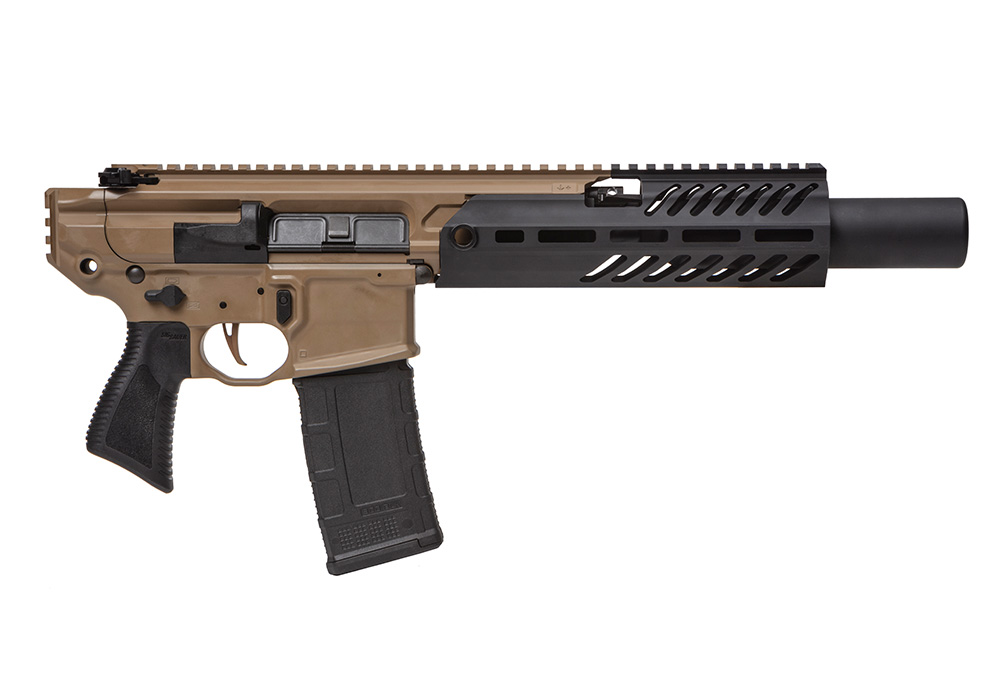
AR-15 rifles with enhanced durability are designed for shooters who place a premium on dependable performance, hard-wearing components, and long-term service life. These rifles are often selected for training, recreational range use, competition, property management, and demanding field conditions where equipment may be exposed to dust, moisture, heat, repeated handling, and extended shooting sessions. A durable configuration begins with the relationship between the upper and lower receivers. Consistent fit, properly finished contact surfaces, and a secure receiver extension can help provide a solid feel while reducing unnecessary movement during operation. Buyers should also examine the barrel construction, as cold hammer-forged barrels are formed under intense pressure to produce a dense, durable bore structure, while chrome-lined bores can add resistance to heat, erosion, and corrosion. Nitride-treated and other advanced barrel finishes may also offer excellent wear resistance, so the right choice depends on intended use, maintenance habits, and the manufacturer’s specifications. Barrel profile matters as well: a heavier profile can better manage heat during extended strings of fire, while a lighter profile may be easier to carry over distance. Mid-length gas systems are frequently considered for their balanced cycling characteristics, offering a smoother impulse than shorter systems in many configurations and potentially reducing stress on internal parts. Buyers comparing rifles in this category should review the gas system, barrel material, chamber treatment, twist rate, muzzle device, handguard attachment method, and the type of stock or brace configuration provided. A free-floating handguard may help preserve consistency when accessories are mounted, while a robust rail system gives users flexibility for optics, lights, and other lawful equipment. Whether kept in a secured collection, transported to an outdoor range during warmer weather, or used for regular practice during the cooler months, an enhanced-durability AR-15 rifle should feel purposeful, stable, and suited to the shooter’s experience level.
The bolt carrier group and receiver extension deserve close attention because these components experience repeated impact, friction, heat, and pressure during normal operation. A durable bolt should be manufactured from appropriate steel and may be verified through high-pressure testing and magnetic particle inspection, processes intended to identify flaws or micro-cracks that are not visible during a basic visual check. A bolt carrier group with a durable phosphate, nitride, chrome, or proprietary protective finish can help resist corrosion and simplify cleaning, although finish alone does not replace proper material selection or quality control. Buyers should look for clear information about the bolt, carrier, gas key, staking, extractor, ejector, and testing procedures rather than relying solely on appearance. A properly staked gas key helps maintain a dependable seal, while a robust extractor and quality spring can contribute to consistent cycling across different ammunition loads. The receiver extension, buffer, and action spring also influence how the rifle handles recoil and returns to battery. A strong, properly aligned extension paired with compatible internal parts can help reduce premature wear and support reliable function over repeated use. Enhanced durability may be especially appealing to experienced range users who train frequently, outdoor enthusiasts who want a rifle able to withstand changing conditions, and first-time owners seeking a platform that can remain useful as their skills develop. It can also be a meaningful gift for an adult recipient who is legally eligible to own a firearm and has demonstrated a genuine interest in responsible shooting, though firearm transfers, background checks, age requirements, waiting periods, and storage rules vary by jurisdiction. When selecting a gift, confirm local requirements and consider offering secure storage, professional instruction, or range time instead of assuming a particular configuration will suit the recipient. A rifle should always be stored unloaded when appropriate, secured from unauthorized access, and handled according to applicable laws and established firearm-safety practices.
Durability is supported by care as much as construction. Even a rifle built with a cold hammer-forged barrel, corrosion-resistant finish, inspected bolt, and reinforced furniture benefits from regular inspection and correct lubrication. Before use, owners should verify that the bore is clear, magazines and ammunition are compatible, sights or optics are secure, and controls function as intended. After a dusty range trip, a damp day outdoors, or a high-round-count practice session, cleaning should address the bolt carrier group, chamber, feed ramps, bore, and other areas where fouling or moisture can collect. Proper lubrication helps reduce friction-based wear on moving metal surfaces, but excess lubricant can attract grit and should be avoided in dusty environments. Owners should follow the rifle manufacturer’s maintenance recommendations, replace worn springs or small parts when indicated, and seek qualified gunsmith service if unusual noise, inconsistent cycling, damaged components, or changes in accuracy appear. Ammunition selection also matters: use only the caliber and cartridge type specified for the rifle, and inspect cartridges for damage before loading. Optics, slings, lights, and other accessories should be selected with attention to weight, mounting security, and the rifle’s intended role so that added equipment does not undermine balance or handling. Shoppers comparing the options in this collection can explore Advanced Durability Rifles to find configurations emphasizing robust materials and service-ready features. The most suitable choice will align barrel length, gas system, controls, furniture, sighting setup, and overall weight with the owner’s experience, storage plan, training routine, and lawful intended use. A thoughtfully chosen rifle, maintained consistently and paired with competent instruction, can provide a dependable foundation for practice and responsible ownership across changing seasons and a wide range of shooting environments.