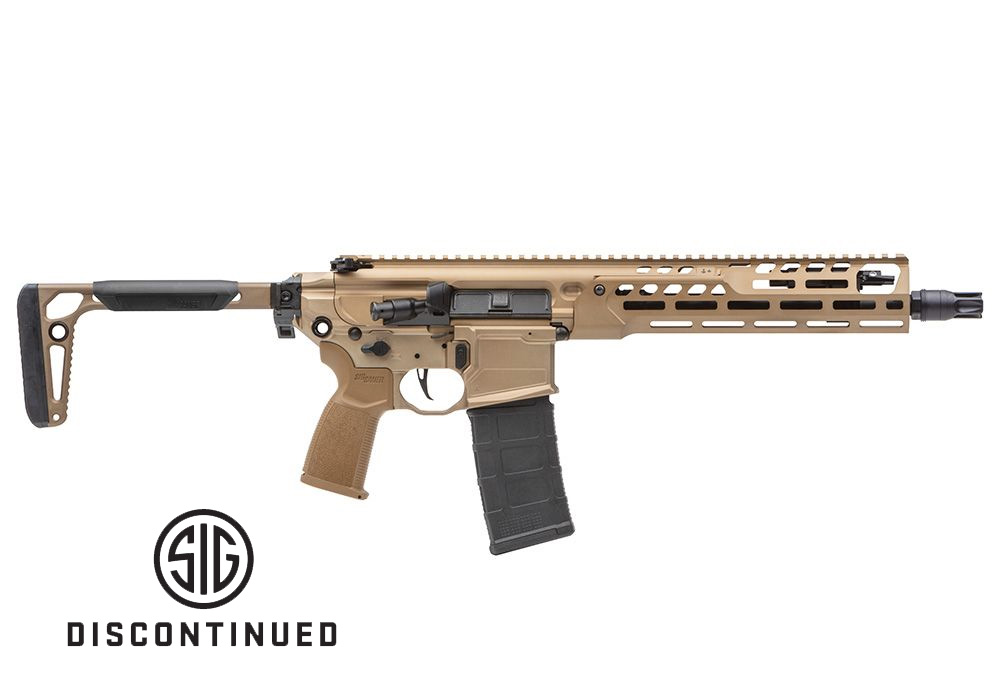
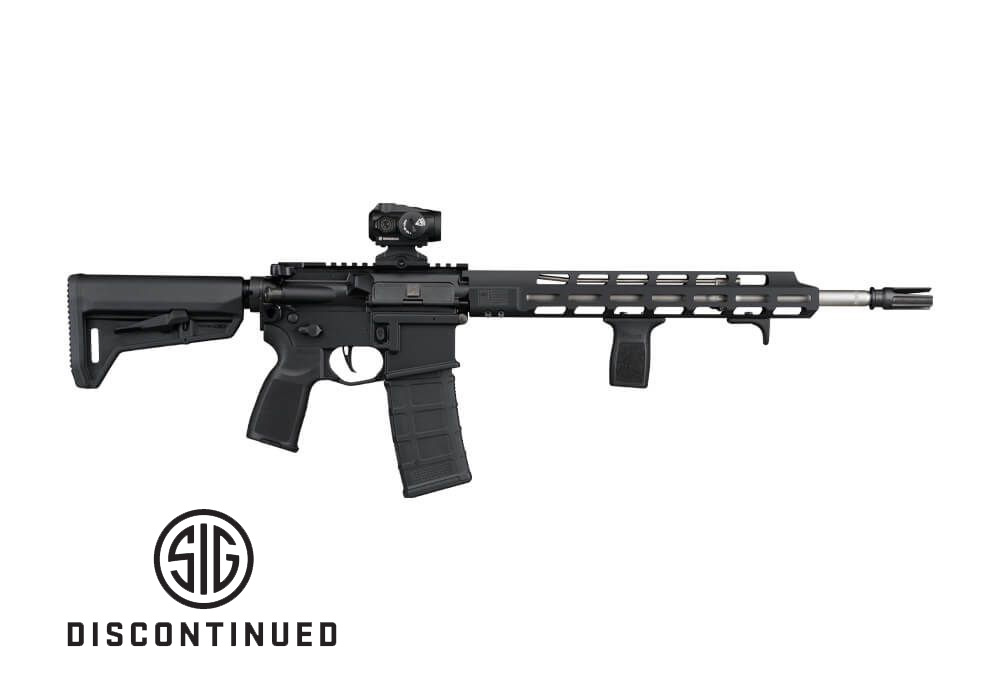
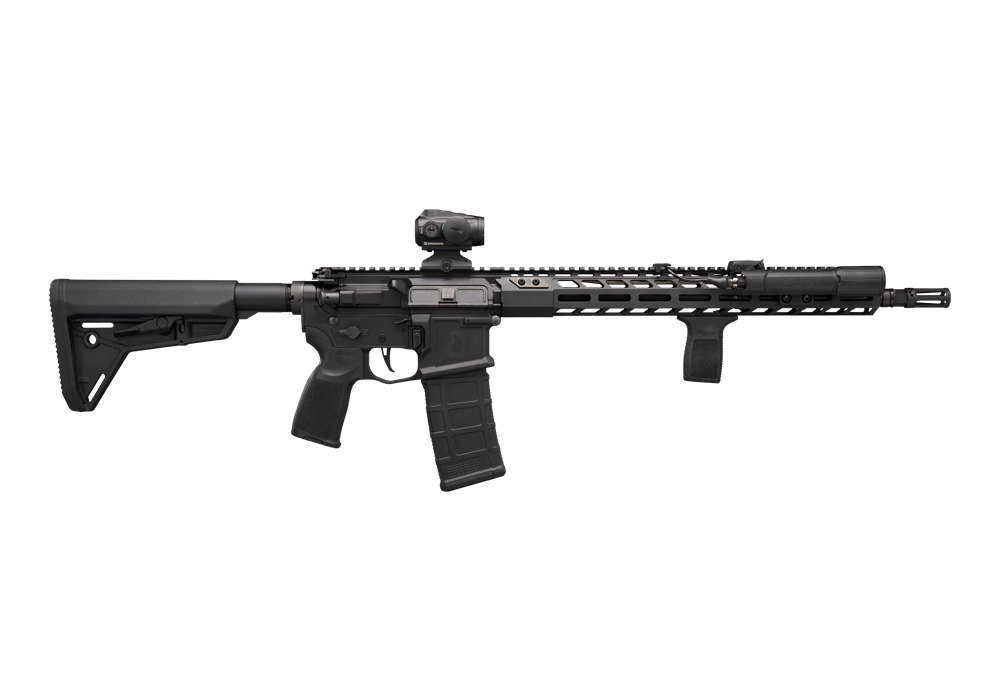
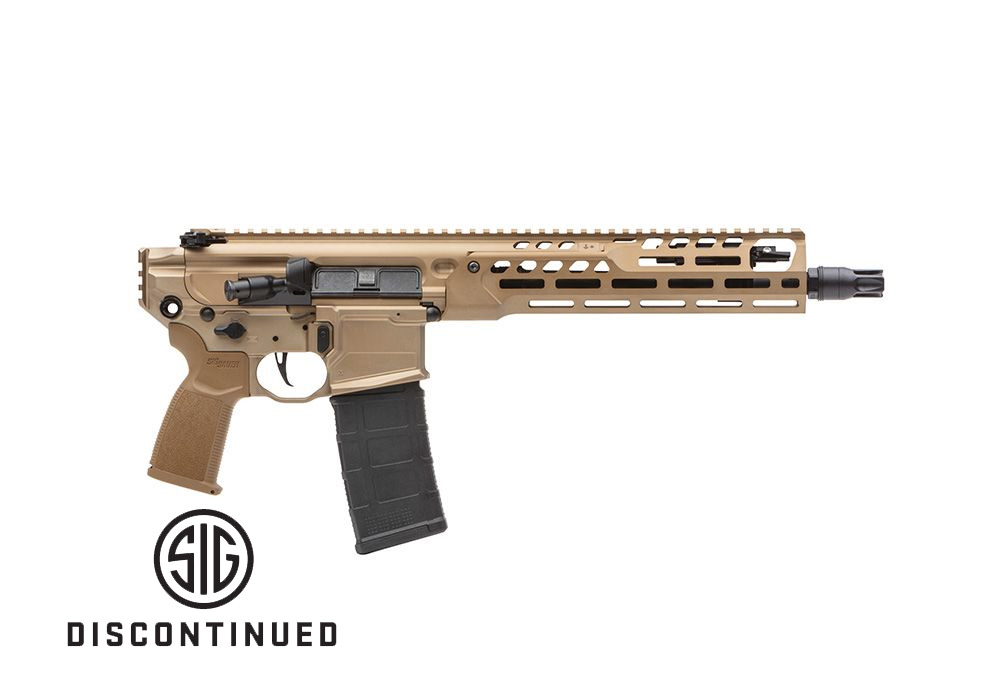
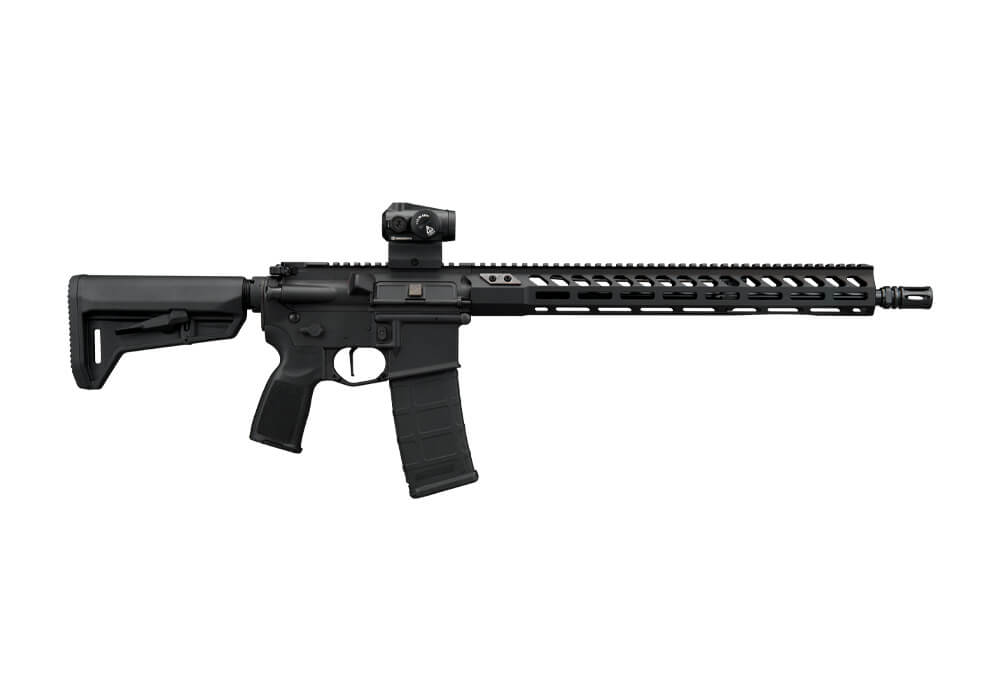
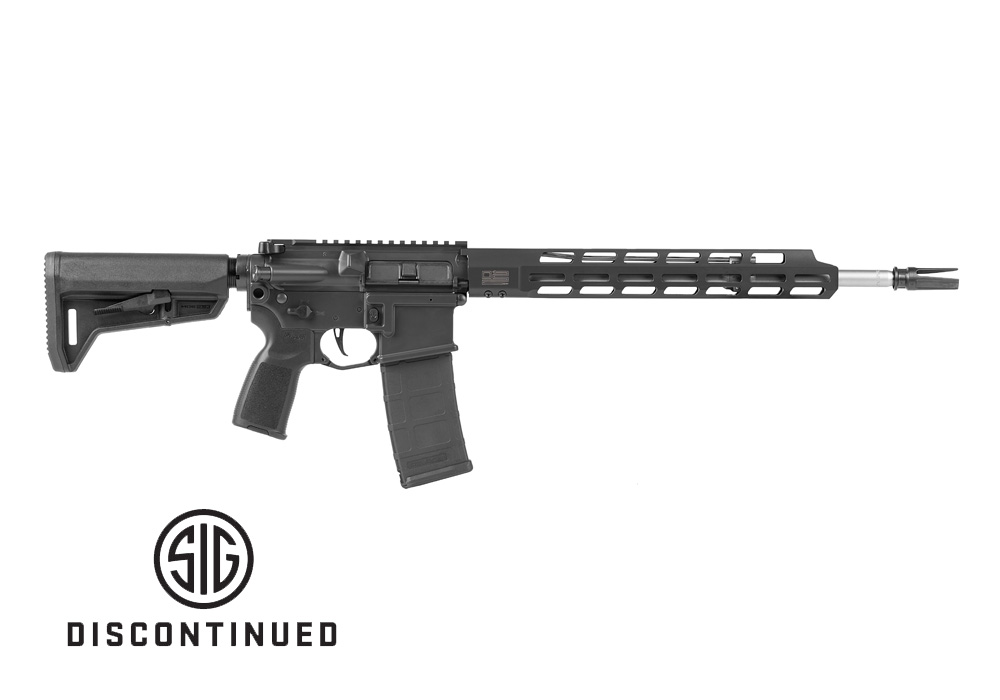
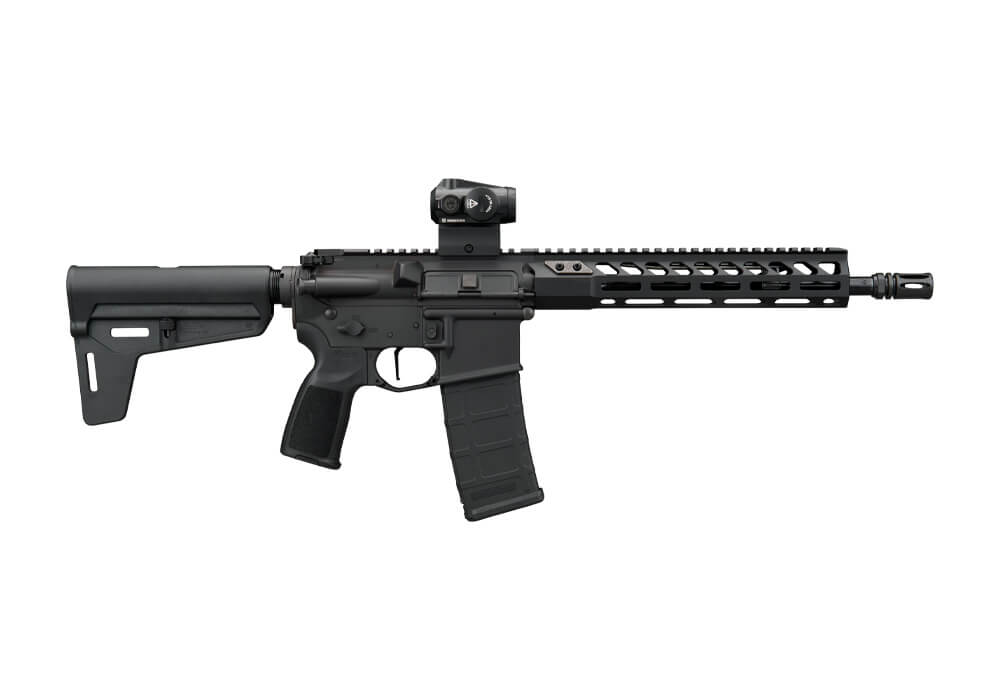
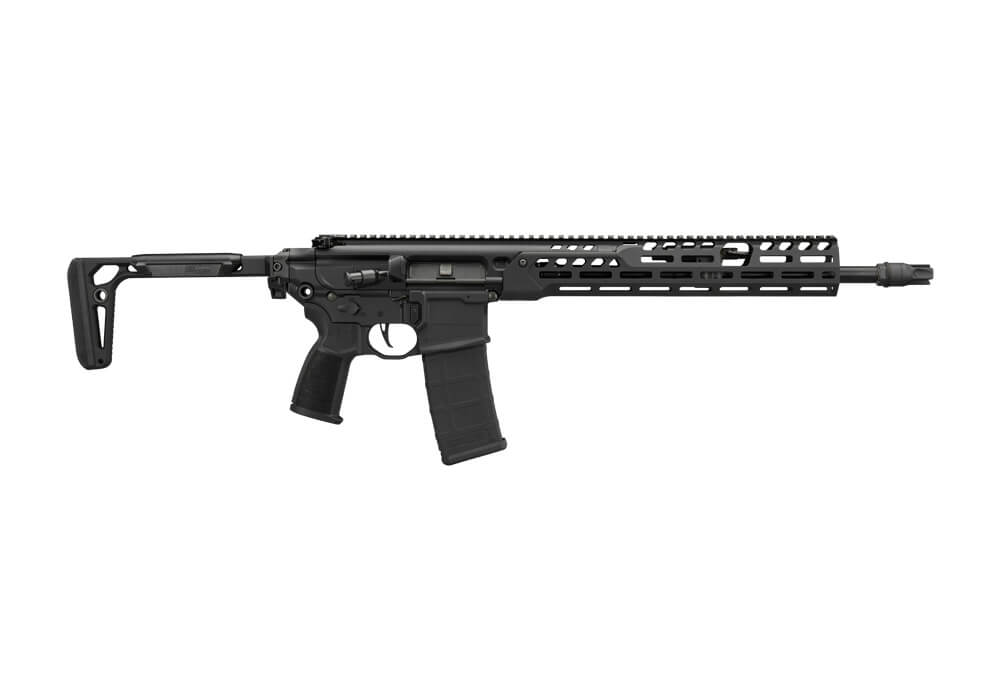
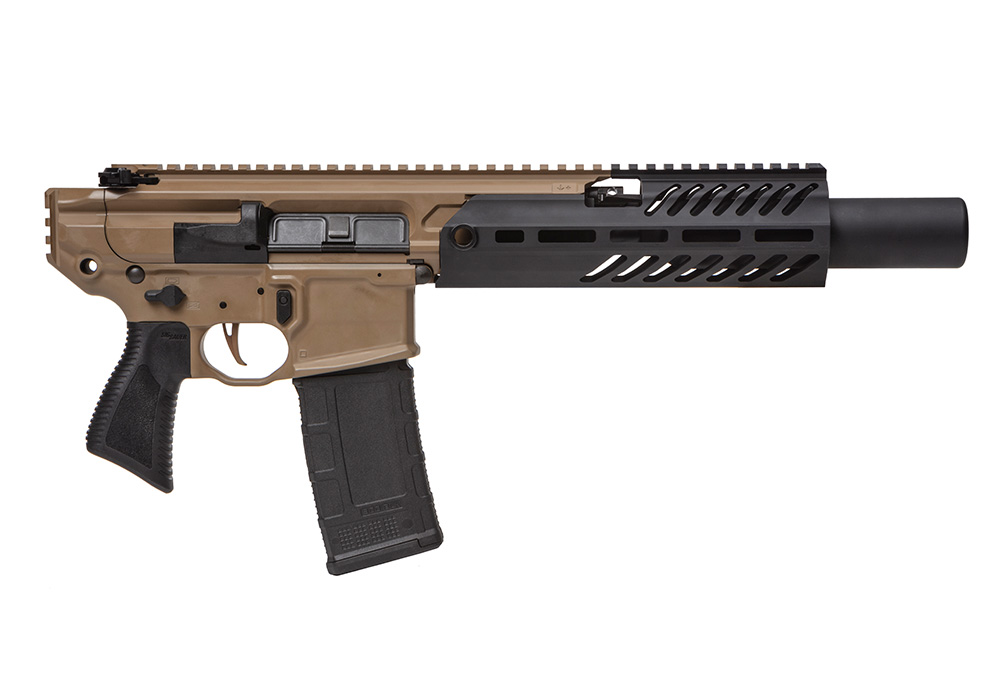
AR15 rifles with improved accuracy are designed for shooters who value repeatable performance, refined handling, and the ability to place shots with greater consistency. While every rifle is influenced by ammunition, optics, technique, and environmental conditions, certain factory features provide a strong foundation for precision. A free-float handguard is one of the most important considerations because it helps keep pressure from a support hand, sling, or rest away from the barrel. That separation can help preserve a more consistent point of impact as shooting positions change. A match-grade barrel may also contribute to tighter groups, particularly when paired with carefully selected ammunition. Barrel profile, length, rifling method, twist rate, and chamber specifications all affect how a rifle performs with different bullet weights. Heavier profiles can resist heat-related point-of-impact shifts during longer practice sessions, while a well-balanced contour may be easier to carry and settle quickly from field positions. Shooters comparing AR15 rifles with improved accuracy should also examine the trigger. A clean, predictable break and a short, controlled reset can make it easier to maintain sight alignment through the shot, especially when shooting from a bench, prone position, or supported field position. A two-stage trigger is often appreciated by precision-minded shooters because the first stage provides a deliberate take-up before the second stage breaks crisply. These features do not replace fundamentals, but they can make good technique easier to apply consistently.
An accurate rifle is only one part of a complete setup. Optic selection should reflect the distances, lighting conditions, and positions most likely to be encountered. A lower-powered variable optic can provide a broad field of view for closer targets while offering enough magnification for careful shot placement at longer distances. A fixed-power optic, red dot, or magnifier may be more appropriate for fast transitions and compact setups, while a higher-magnification riflescope can help a shooter see small aiming points and evaluate groups at extended range. Whichever optic is selected, a rigid mount that is properly installed, leveled, and checked for secure attachment is essential. An excellent scope cannot compensate for a loose mounting system or an inconsistent cheek weld. Ammunition deserves similar attention. Factory match ammunition is generally manufactured with tighter consistency in components, bullet weight, and powder charges than economical practice loads, and it may reveal more of a rifle’s mechanical potential. Many precision-oriented AR15 rifles perform well with heavier open-tip match or boat-tail projectiles, but the best choice depends on the individual barrel’s twist rate and chamber. Shooters can compare several compatible loads, record group sizes, and note how each performs as the barrel warms. A simple range notebook can be surprisingly useful: a few lines about ammunition, distance, weather, and point of impact often explain patterns that are difficult to remember from one session to the next. During the warmer months, heat shimmer and mirage can make distant targets appear to move, while cooler months may bring wind, heavier clothing, and different support requirements. These conditions make a stable position, careful zeroing, and a repeatable shooting process just as important as the rifle itself.
These rifles may suit recreational target shooters, competitive participants, hunters where legal and appropriate, and experienced firearm owners who want a more deliberate platform for practice and evaluation. They can also be a thoughtful gift for a responsible adult who has expressed a clear interest in precision shooting, provided the purchase, transfer, storage, and possession requirements are understood and satisfied. Firearms should never be given casually or transferred without confirming applicable federal, state, and local laws, and a gift recipient should have a secure storage plan before taking possession. A quality case, locking device, eye and ear protection, a stable shooting rest, and a supply of suitable ammunition can all support a more complete and responsible ownership experience. For a new owner, professional instruction and supervised range time are valuable investments; for an experienced shooter, a precision-oriented AR15 can offer a familiar operating system with a more refined focus on consistency. Before choosing a configuration, consider the balance between barrel length, overall weight, stock adjustment, handguard shape, optic placement, and the amount of time the rifle will be carried rather than fired from a fixed bench. A rifle that produces excellent groups but is uncomfortable to hold may see less use, while a well-balanced setup can encourage regular practice during bright summer afternoons and the cooler months that follow. Shooters seeking a different combination of precision, ergonomics, and specialized controls may also review AR15 Rifles With Elite Tactical Features. Regardless of configuration, safe muzzle direction, disciplined trigger-finger placement, positive target identification, and secure storage remain essential every time the rifle is handled.