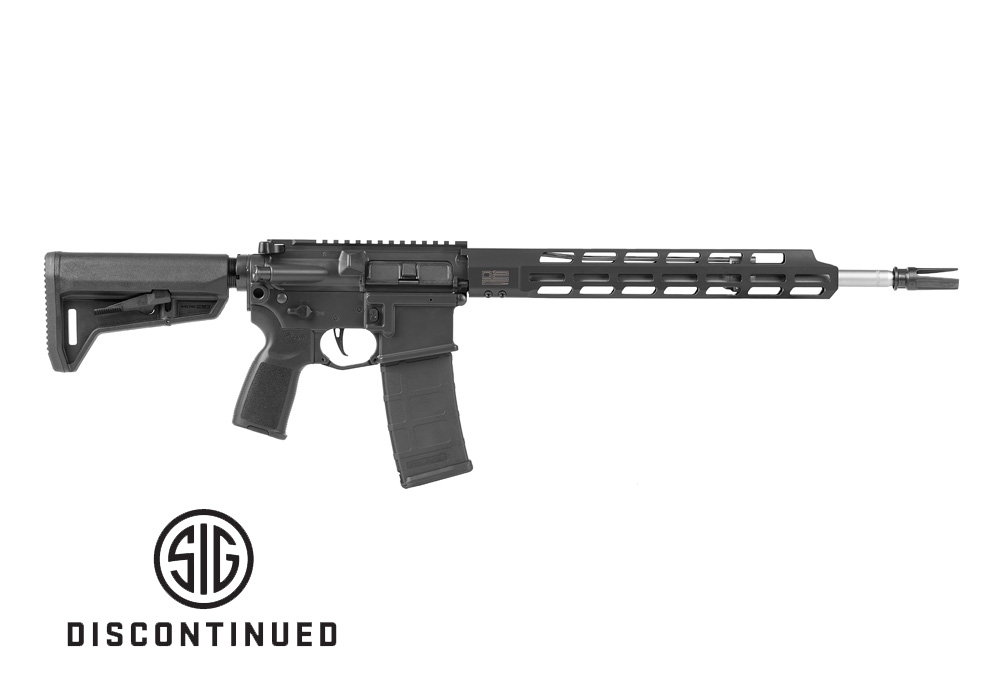
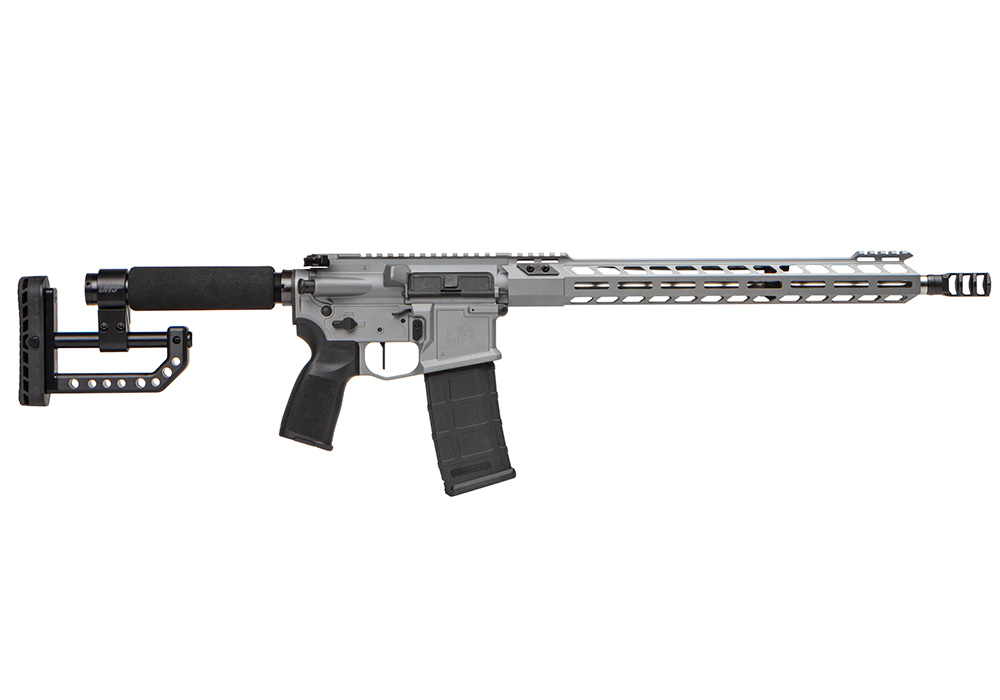
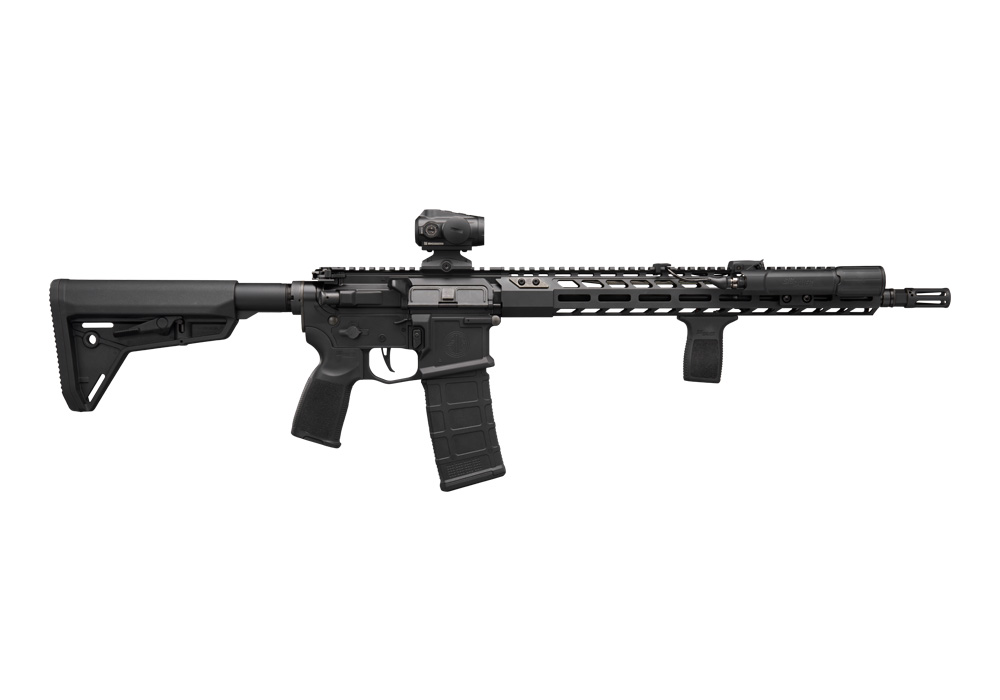
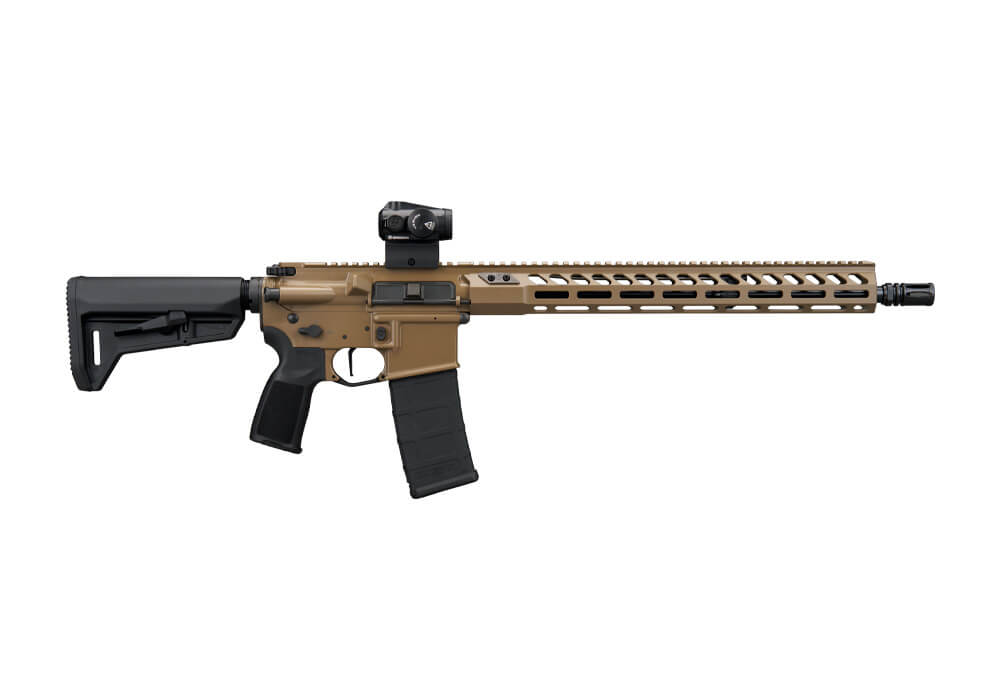
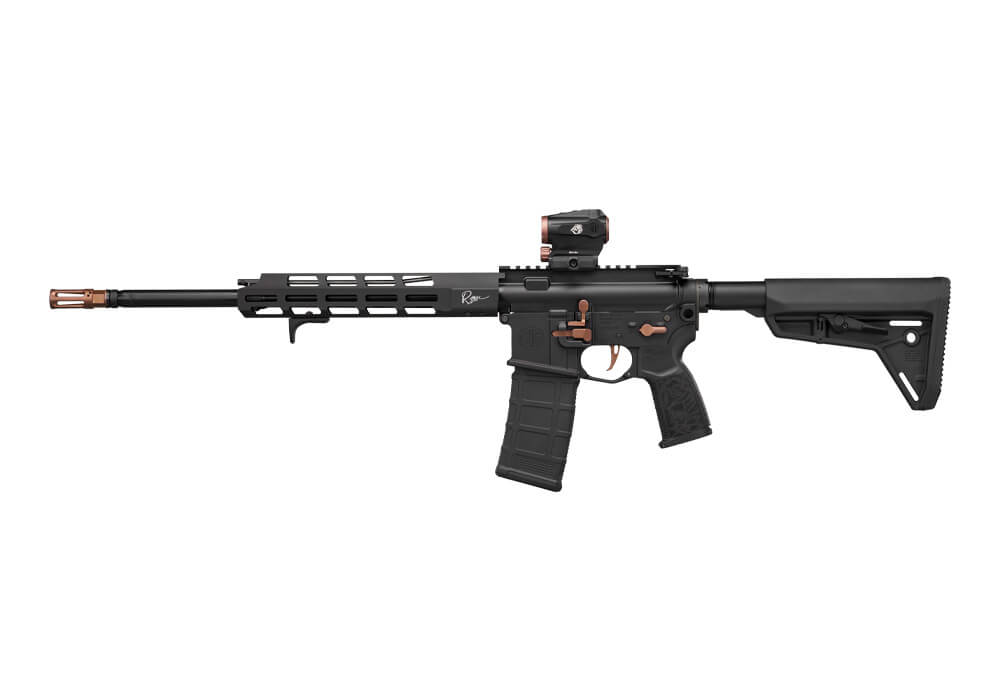
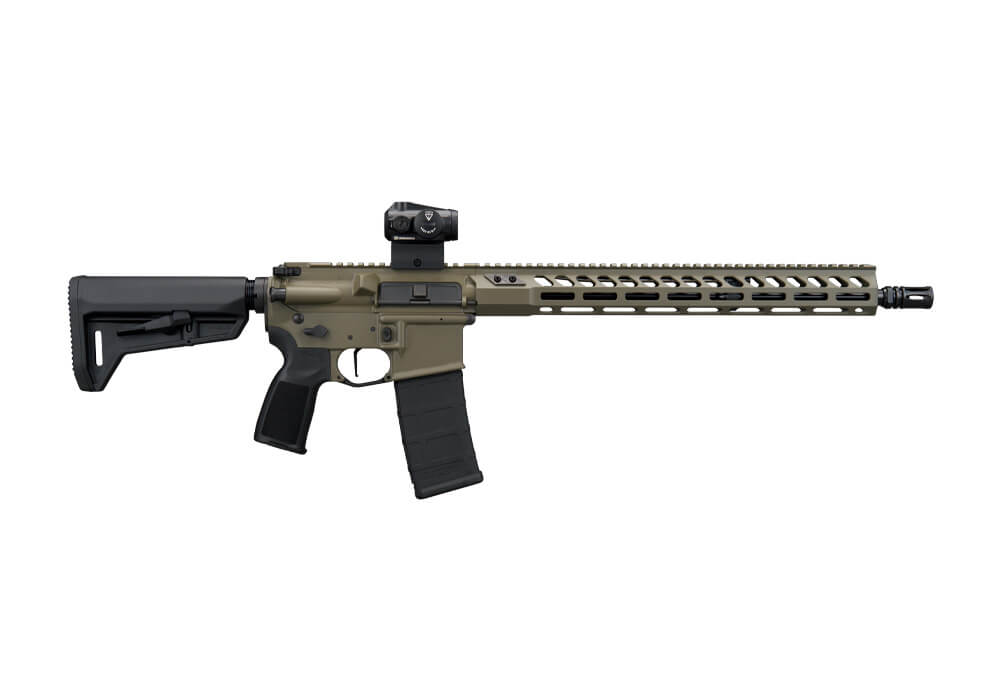
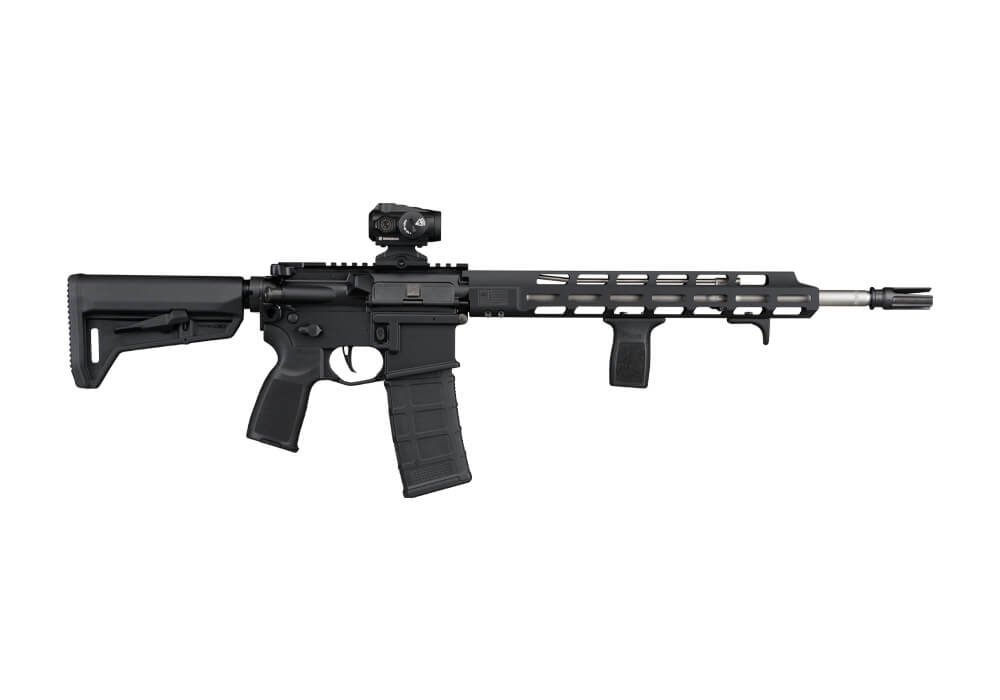
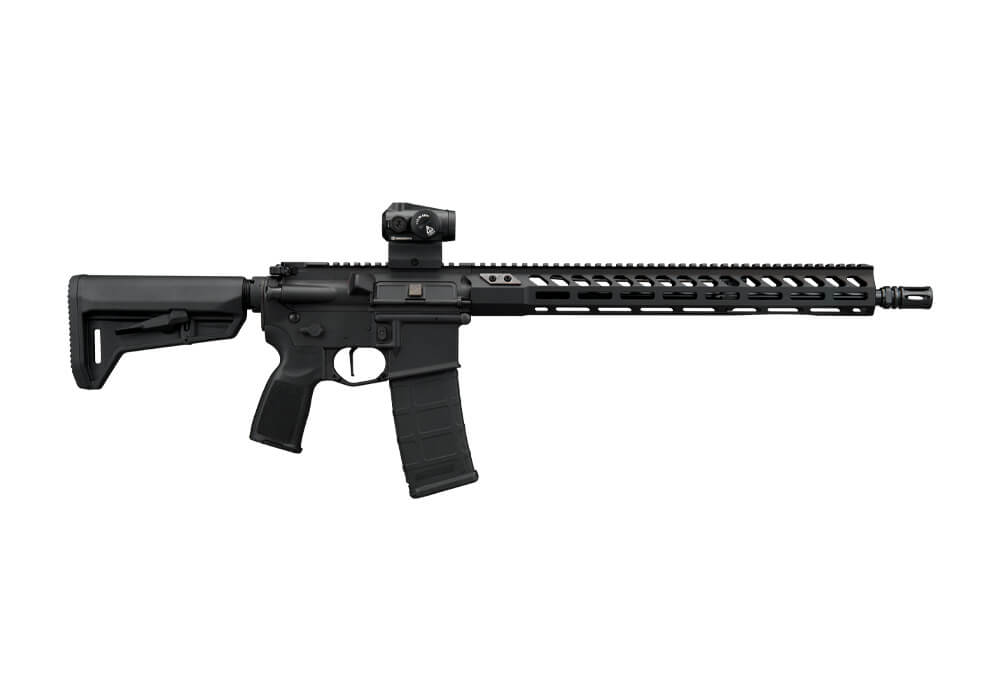
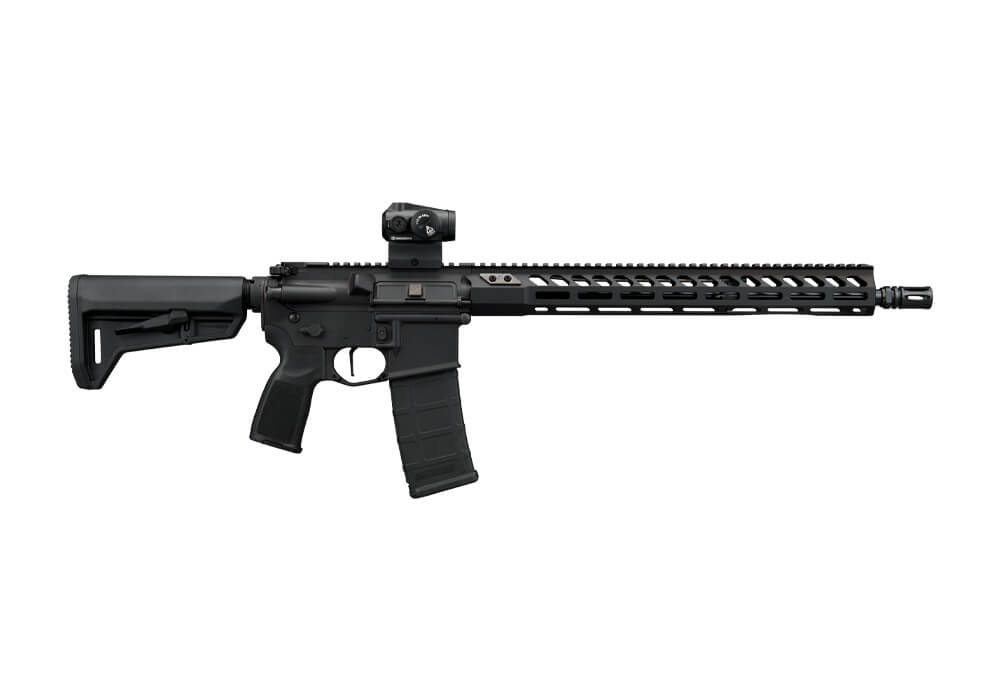
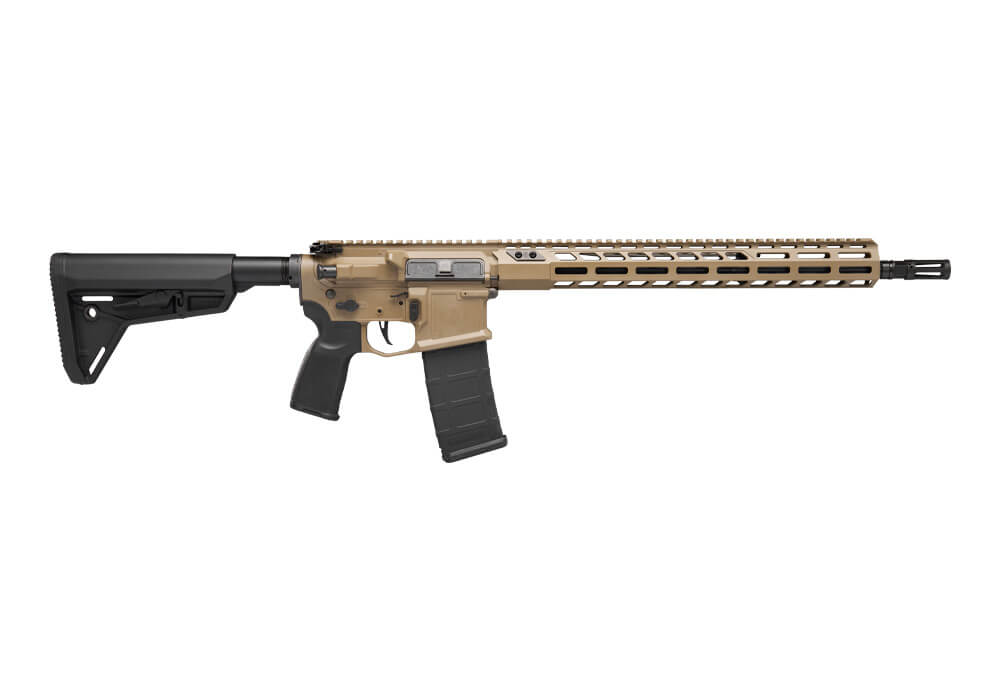
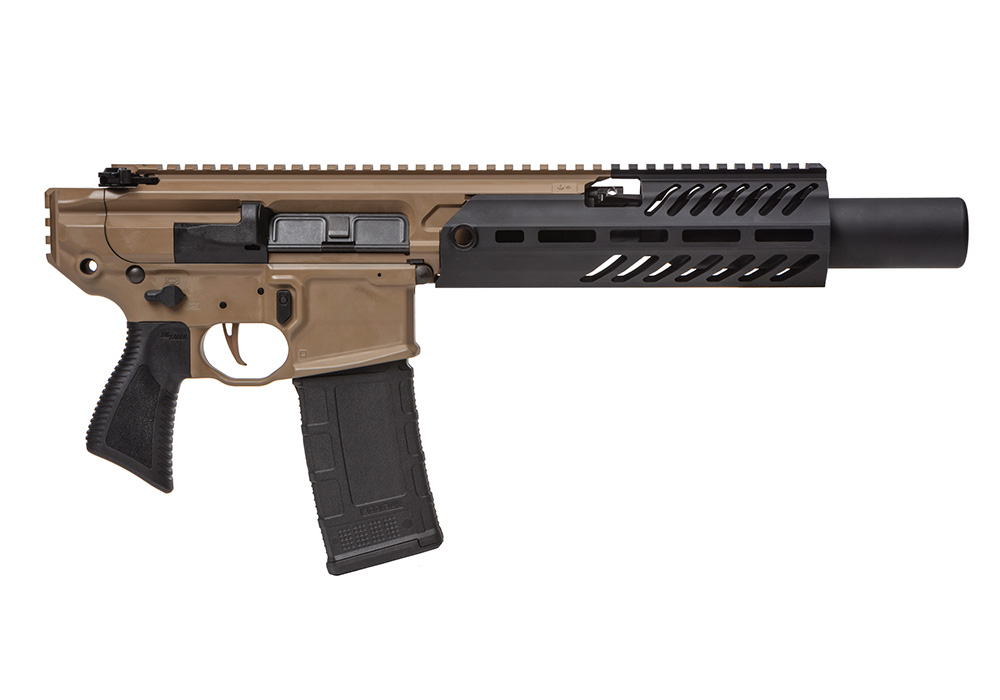
High-durability rifles with modular design combine rugged construction with the flexibility to adapt as a shooter’s needs evolve. They are often selected for demanding range sessions, field use, training, competition, and backcountry applications where dependable function and practical adjustability matter. Durability begins with the action, barrel, bolt, stock, and key fastening points, but it also depends on how those components work together under repeated use, changing temperatures, dust, moisture, and transport. Look for a rifle with a rigid receiver, a well-supported barrel, a dependable bolt or operating system, and controls that remain easy to use while wearing gloves or working from an unconventional position. Protective finishes can help guard exterior surfaces against wear and weather, while robust internal components support consistent performance over a long service life. A rifle that feels solid without becoming unnecessarily cumbersome can be especially useful for hunters who hike between glassing points, competitors who spend long days on the firing line, and recreational shooters who want one adaptable platform for several types of practice. Durability does not mean overlooking fit or handling. A rifle should settle naturally into the shoulder, offer a clear sight picture, and balance in a way that feels manageable during movement, setup, and extended strings of fire. Before selecting one, consider the intended environment, the distances involved, the type of ammunition available, and the level of maintenance you are prepared to provide. Every firearm benefits from inspection, cleaning, lubrication where appropriate, and secure storage, while the owner’s manual remains the best source for operating details and service intervals.
Modular design gives a durable rifle greater flexibility through adjustable stocks, interchangeable grips, adaptable fore-ends, and attachment points for accessories such as bipods, slings, lights, and optics. A chassis-style platform may offer a highly adjustable cheek rest and length of pull, helping different shooters establish a repeatable position without forcing the rifle into a one-size-fits-all setup. Folding or compacting features can simplify transport, provided the rifle is handled and stored according to the manufacturer’s instructions and applicable law. Some bolt-action systems support user-serviceable or interchangeable barrel arrangements, allowing a qualified owner or gunsmith to configure the rifle for different applications or caliber families. Semi-automatic platforms may appeal to shooters who value a familiar manual of arms, quick follow-up shots, and a broad accessory ecosystem. Bolt-action rifles can be attractive to those who prioritize a deliberate shooting rhythm, mechanical simplicity, and precision-oriented setup. In either case, compatibility deserves close attention: verify the interface for magazines, stocks, grips, rails, handguards, muzzle devices, and optics before purchasing accessories. A rifle that uses widely supported mounting standards can make future upgrades easier, but every component should be selected for secure fit, appropriate function, and lawful use. Buyers should also review barrel length, overall weight, trigger characteristics, sight height, and ammunition availability rather than relying on appearance alone. For shooters who prefer a lighter configuration for hiking or travel, the selection of Durable Lightweight Rifles may provide useful alternatives, while those focused on sustained range work may favor a heavier contour and a more substantial fore-end.
These rifles can serve a wide range of responsible adults, from a first-time owner seeking a platform that can grow with their skills to an experienced shooter refining a dedicated training or competition setup. They may also be considered as a gift for a qualified recipient, but gifting a firearm requires careful attention to age requirements, background-check obligations, transfer procedures, residency rules, and all other applicable federal, state, and local laws. A conversation about intended use is helpful before purchase, since a rifle chosen for precision practice may differ considerably from one selected for woodland hunting, ranch use, or structured training. During the cooler months, durable construction and practical controls become especially valuable when gear is carried through damp grass, frosty mornings, or uneven terrain, yet the same qualities remain useful in warmer conditions and indoor range environments. Modular rifles also reward gradual refinement: a shooter may begin with a reliable optic and sling, then add a bipod, adjust the stock, or select a different grip after gaining experience with the platform. Changes should be deliberate, checked for secure installation, and followed by function testing in a safe environment. Keep ammunition separate during storage and transport, confirm the rifle is unloaded before maintenance, use suitable eye and ear protection, and practice the fundamental rules of firearm safety every time. With thoughtful selection and consistent care, a high-durability modular rifle can provide a dependable foundation for practice, recreation, field pursuits, and continued development without locking the owner into a single configuration.