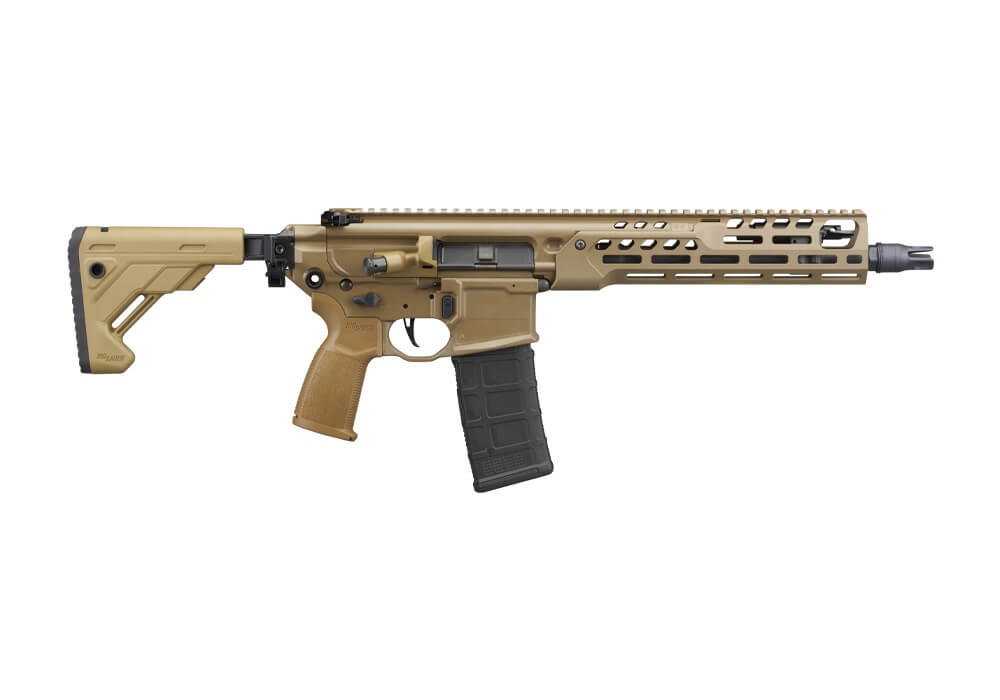
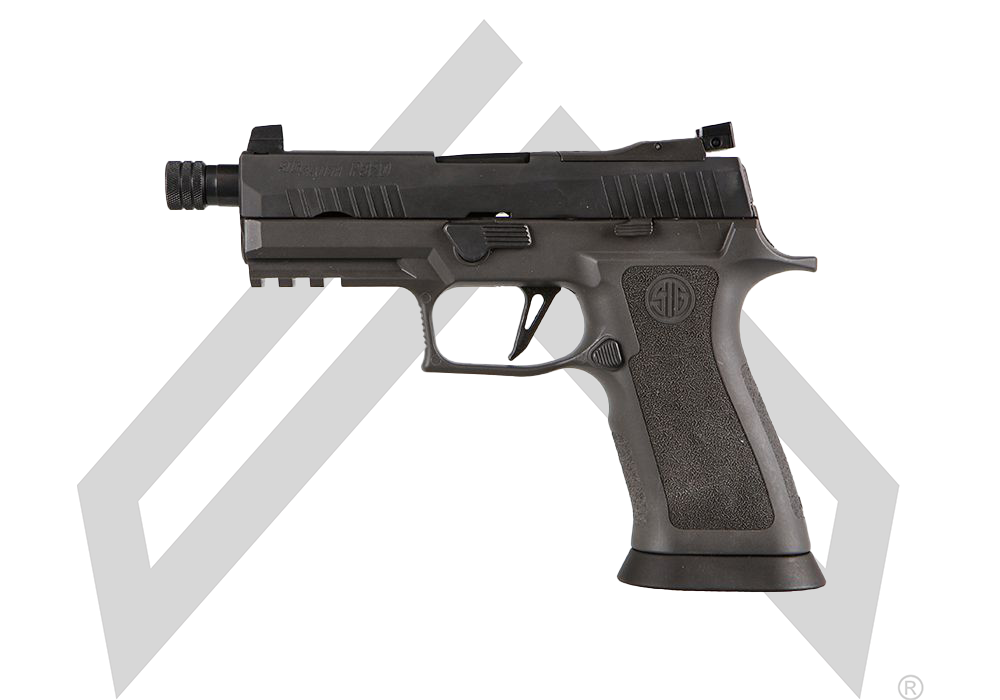
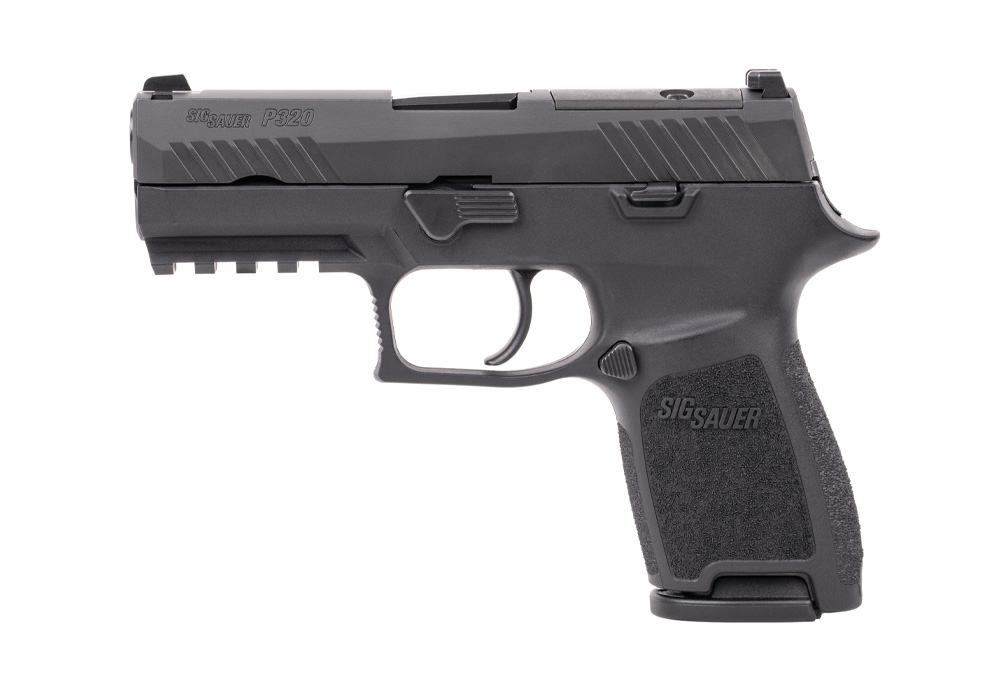
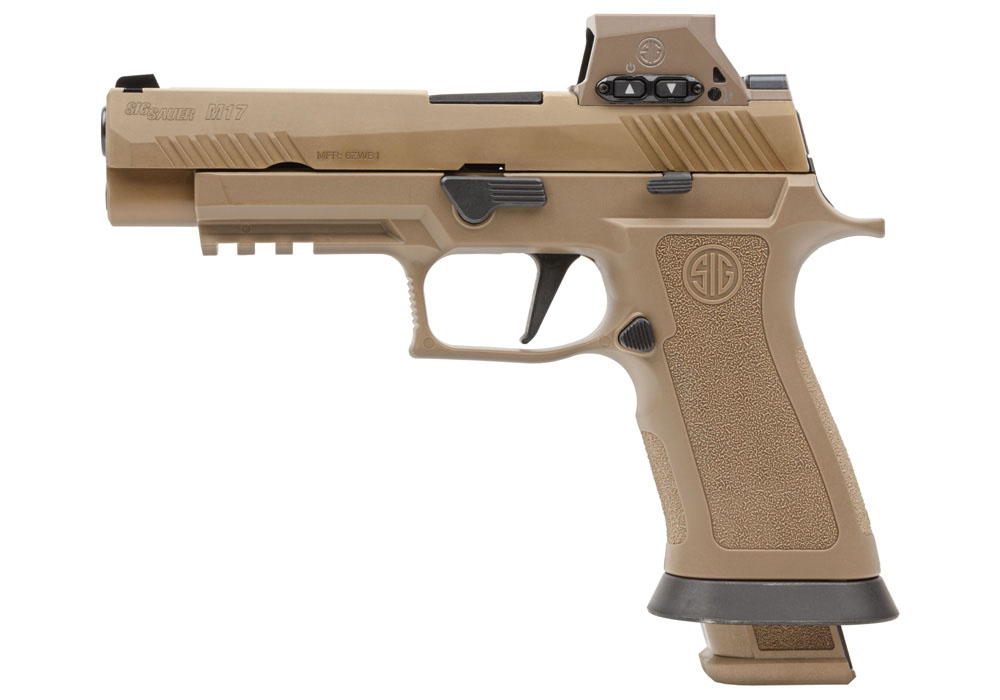
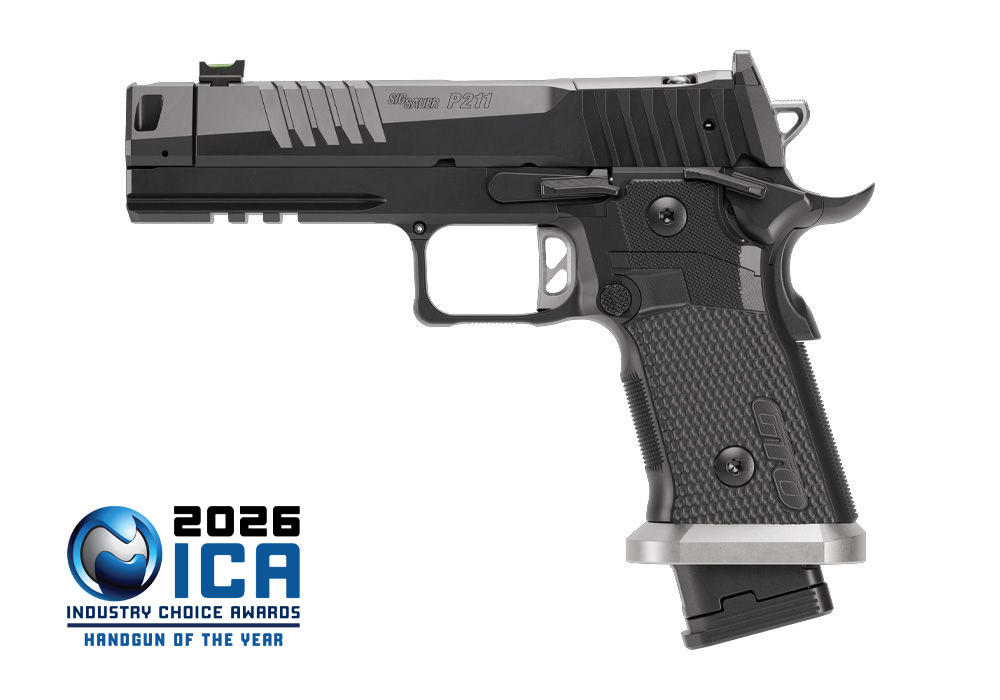
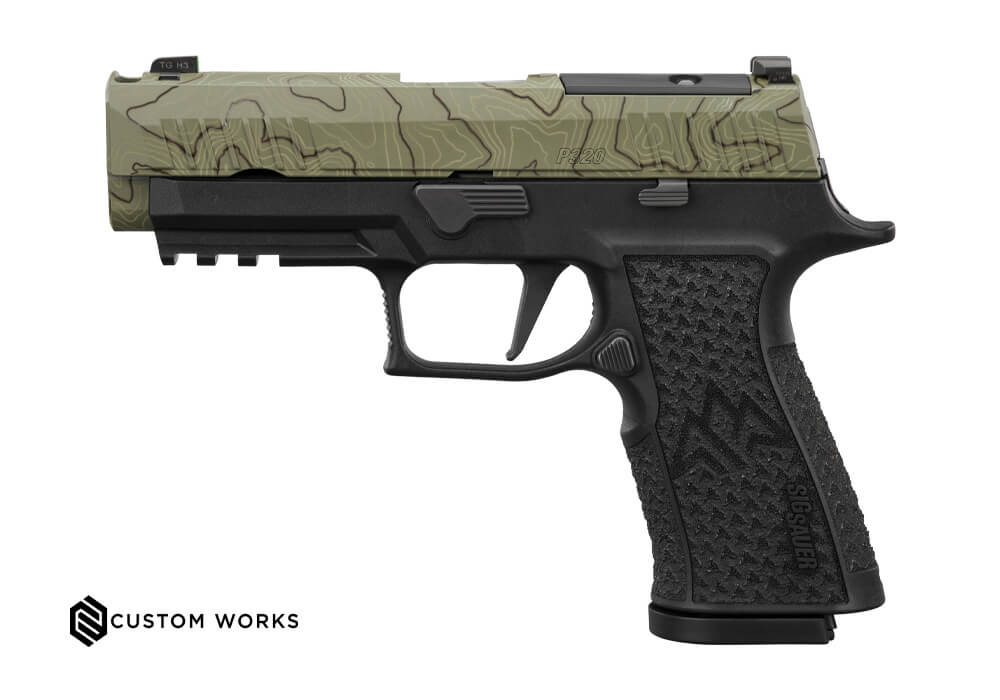
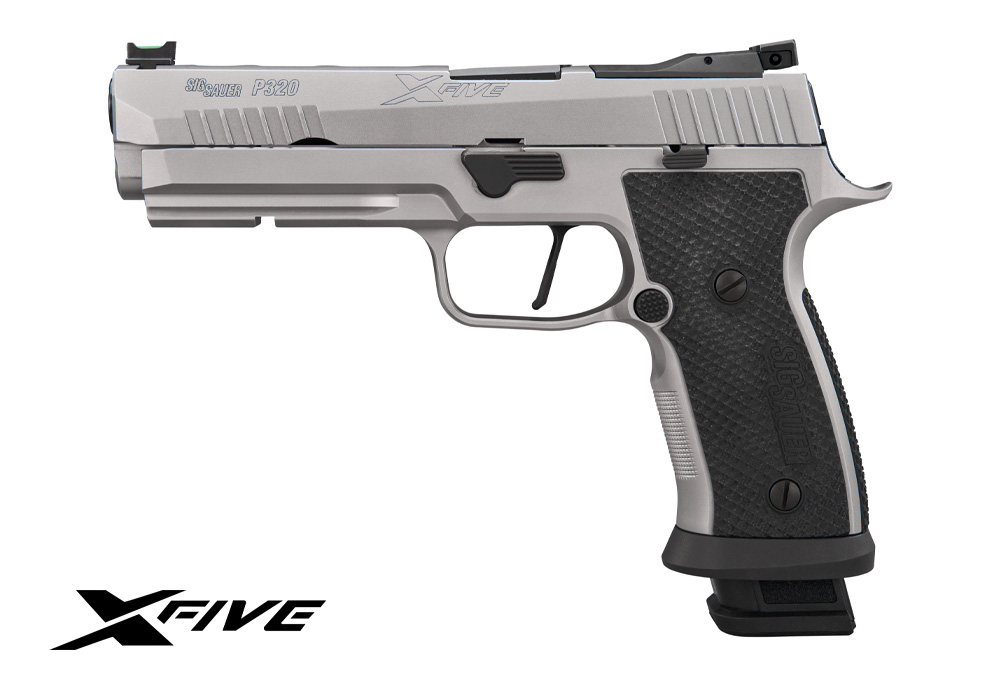
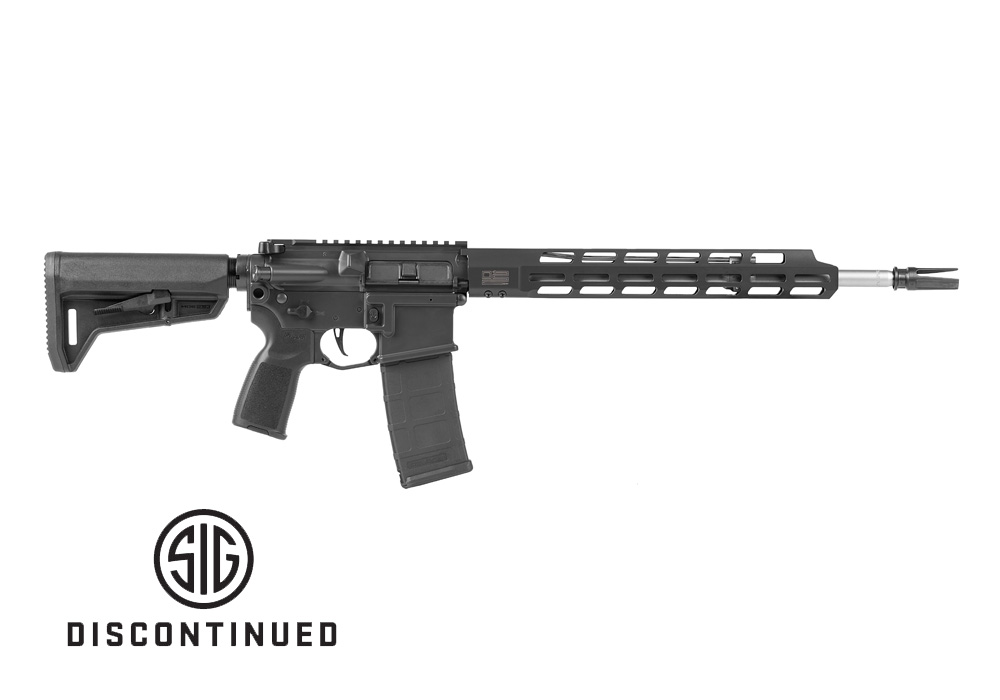
Durable tactical firearms are built for dependable performance when equipment must stand up to demanding conditions, repeated handling, and the uncertainty of real-world use. This category typically includes rugged pistols, rifles, shotguns, and rimfire platforms selected for practical construction, straightforward controls, and materials that can withstand the wear associated with training, duty, field work, or responsible home protection. A durable firearm may feature a corrosion-resistant finish, a reinforced polymer frame, a steel or aluminum receiver, a robust locking system, or components designed to keep functioning after exposure to dust, moisture, vibration, and temperature changes. These qualities do not replace proper maintenance, but they can provide valuable confidence when a firearm is carried in a holster, transported in a case, used on a range, or stored as part of a carefully planned security setup. When comparing options, consider the intended role first. A compact or full-size pistol may suit lawful concealed carry, duty use, or range practice, while a rifle can offer a stable platform for training, property maintenance, or recreational shooting. A pump-action shotgun may appeal to owners who value simple manual operation and broad ammunition availability, and a rimfire rifle can be an approachable choice for fundamentals, small-game applications where lawful, and economical practice. Look closely at controls, grip shape, sighting options, overall weight, barrel length, maintenance access, and the availability of standard or extended-capacity magazines or other compatible accessories. The best choice is one that fits the user’s hands, supports consistent handling, and can be stored securely in a location appropriate to the household.
Reliability begins with sound design and continues through responsible ownership. Firearms intended for tactical or hard-use applications commonly emphasize proven operating systems, durable finishes, secure fasteners, and components that are easy to inspect and clean. A simple internal layout can make routine maintenance more manageable, while a protected trigger system, positive safety mechanism, and clear status indicators support deliberate handling. Rifles with modular receivers and accessory mounting points may allow owners to configure optics, lights, slings, or other lawful equipment around a specific task, although every added component should be selected for compatibility and installed according to the manufacturer’s instructions. Pistols may be evaluated for grip texture, trigger reach, sight visibility, recoil control, and holster support. Shotguns deserve attention to stock dimensions, action travel, loading procedure, and the fit of the chosen ammunition. Across all firearm types, corrosion resistance matters especially when equipment moves between a climate-controlled safe, a vehicle, an outdoor range, and cooler or damp weather. A light film of appropriate lubricant, a clean chamber, unobstructed bore, and regular inspection can help preserve dependable function. Owners should also account for storage requirements, transportation laws, local purchasing rules, and any training or permitting obligations that apply in their jurisdiction. Secure storage is essential: use a quality locking device or safe, keep ammunition stored appropriately, and prevent unauthorized access by children, visitors, or anyone who is not legally permitted to handle the firearm. Training with a qualified professional can turn unfamiliar controls into practiced habits, while a written maintenance routine helps prevent small issues from becoming larger ones. For owners building a dependable setup over time, durable accessories and replacement components can be found among Durable Firearm Parts, with compatibility verified before purchase or installation.
These firearms may serve a wide range of responsible users, including trained professionals, recreational shooters, first-time owners who are prepared to learn, rural property owners, and experienced enthusiasts seeking a dependable platform for regular practice. They can also be considered as a meaningful gift for a legally eligible adult who has expressed a genuine interest in shooting sports, outdoor recreation, or responsible preparedness, provided the buyer understands applicable laws and the recipient’s preferences. A firearm should never be presented casually or transferred without completing all required checks, documentation, and dealer procedures. Fit and purpose matter more than appearance: a well-chosen firearm should feel manageable during dry practice, align naturally with the user’s intended sights, and support a maintenance routine the owner is willing to follow. During the cooler months, durable construction can be particularly useful for equipment that moves between indoor storage and cold outdoor environments, where condensation and changing temperatures deserve attention. A padded case, eye and ear protection, a safe storage solution, approved cleaning supplies, and professional instruction can be just as important to the overall experience as the firearm itself. Before use, read the owner’s manual, confirm the firearm is unloaded when handling or storing it, keep the muzzle pointed in a safe direction, keep the trigger finger outside the trigger guard until ready to fire, and identify the target and what lies beyond it. Whether selected for range training, lawful field use, duty-related needs, or a carefully considered home-defense plan, durable tactical firearms reward thoughtful selection and consistent care. Comparing construction, ergonomics, operating system, capacity options, accessory compatibility, and long-term support makes it easier to choose equipment that remains practical through repeated use and changing conditions.