For shoppers exploring top selling items in North Dakota, shooting-sports equipment brings together firearms, ammunition, optics, suppressors, and accessories for responsible ownership. Within this category, popularity is only one part of a product’s appeal; suitability depends on its intended purpose, construction, fit, and the owner’s familiarity with its operation. North Dakota’s prairie landscapes, agricultural communities, and established shooting traditions provide context for equipment used in lawful hunting, recreational target shooting, and organized range activities. A firearm carried across private land with permission serves a different purpose from one used primarily at a supervised shooting facility, and those differences influence preferences for weight, dimensions, controls, and sighting systems. Materials contribute to that experience in tangible ways. Steel components provide strength in areas subject to repeated mechanical stress, while aluminum and reinforced polymer can reduce overall weight, depending on the design. Protective finishes help limit surface wear, although no finish eliminates the need for appropriate cleaning and inspection. Fit matters just as much as material choice: grip shape, stock dimensions, control placement, and overall balance affect whether a firearm feels manageable during supervised practice. A comfortable fit allows the user to reach controls without an awkward shift in hand position and maintain a consistent position behind the sights. For an experienced participant, that may mean familiar handling characteristics across different shooting activities. For a newer owner, straightforward controls and access to qualified instruction can be more meaningful than an extensive feature list. Durability is similarly practical rather than decorative. Secure component fit, clearly described maintenance requirements, and a design suited to its stated purpose all contribute to confidence over time. These considerations give a shooting-sports collection relevance beyond a popularity label, connecting the equipment to real routines such as preparing for a range visit, checking a hunting setup, or organizing secure storage at home. The strongest connection between a shopper and a product is a clear understanding of what it is intended to do and how it fits into responsible use.
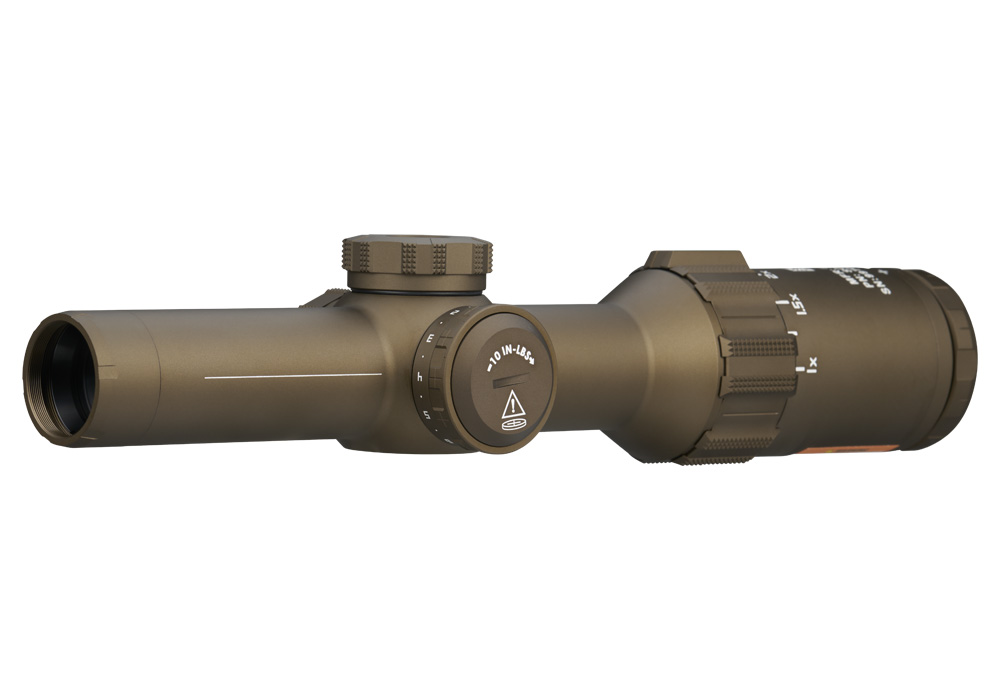
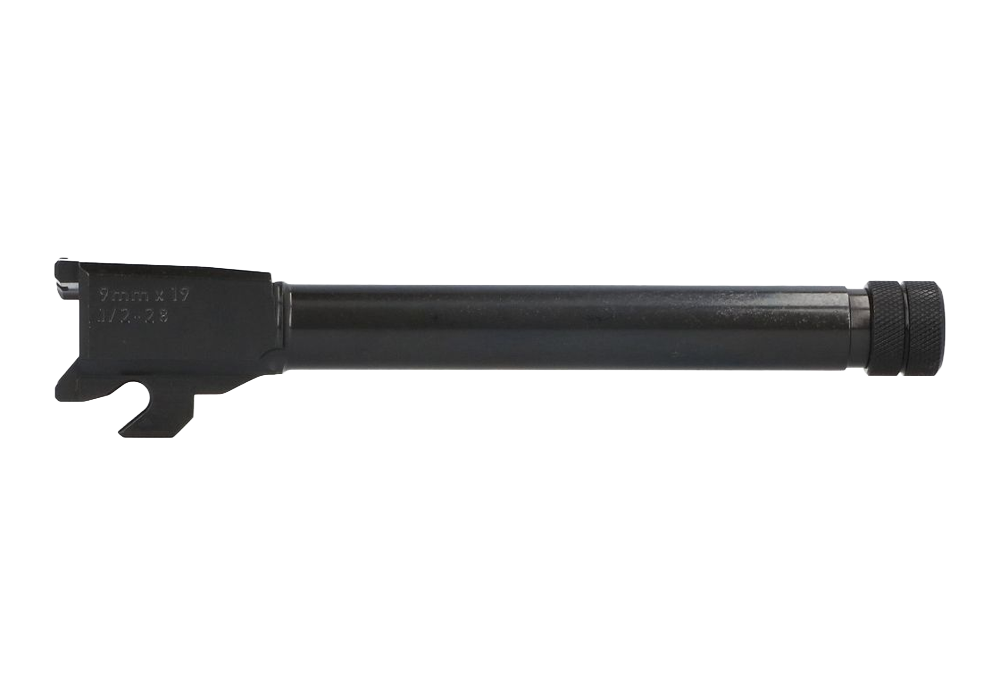
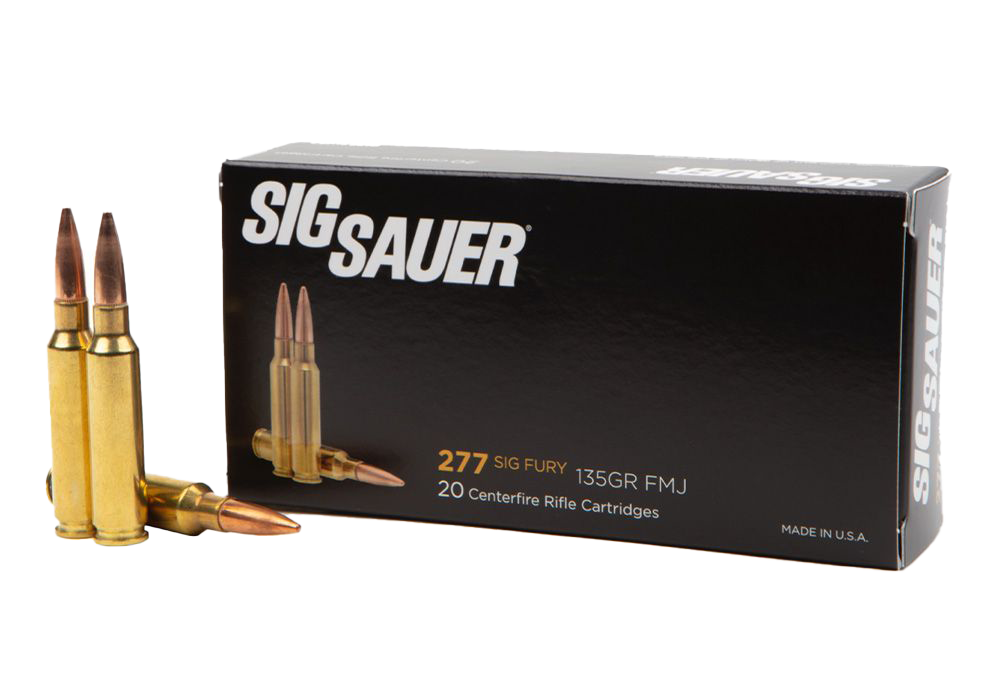
Ammunition and optics add another layer of purpose to this collection, with compatibility taking precedence over appearance or popularity. Ammunition must match the firearm’s marked chambering and the manufacturer’s specifications; cartridges that look similar are not necessarily interchangeable. Bullet construction, cartridge dimensions, and the intended application distinguish ammunition designed for target practice from ammunition intended for lawful hunting. Packaging provides essential identification, and retaining that information helps owners keep different loads organized without relying on memory or visual resemblance. Consistent storage in an appropriate, secure location also protects packaging and keeps ammunition separated from unauthorized users. Optics address a different set of needs, helping the shooter see an aiming reference or observe a target more clearly within the limits of the equipment. Magnification, viewing area, eye relief, and reticle design influence the viewing experience, while overall size and weight affect how a complete setup balances. More magnification is not automatically more useful. At a supervised range, a clear sight picture and a reticle that remains easy to interpret may matter more than an extensive adjustment range. For lawful field use, manageable weight and compatibility with the firearm’s mounting system become equally important. Housing materials, lens treatments, and secure adjustment mechanisms contribute to durability, but performance still depends on proper installation and use according to the manufacturer’s directions. Suppressors belong in this same compatibility-focused discussion. Their suitability depends on the firearm, cartridge, mounting interface, and manufacturer-defined operating limits, along with applicable legal requirements. A suppressor reduces sound but does not make a firearm silent or replace appropriate hearing protection. Dimensions, weight, construction materials, and service requirements can differ substantially across designs, affecting balance and long-term care. Together, these categories show why shooting equipment is best understood as a coordinated system rather than a group of unrelated purchases. Each component has a defined role, and a popular feature is useful only when it supports the actual application without compromising fit, compatibility, or safe handling.
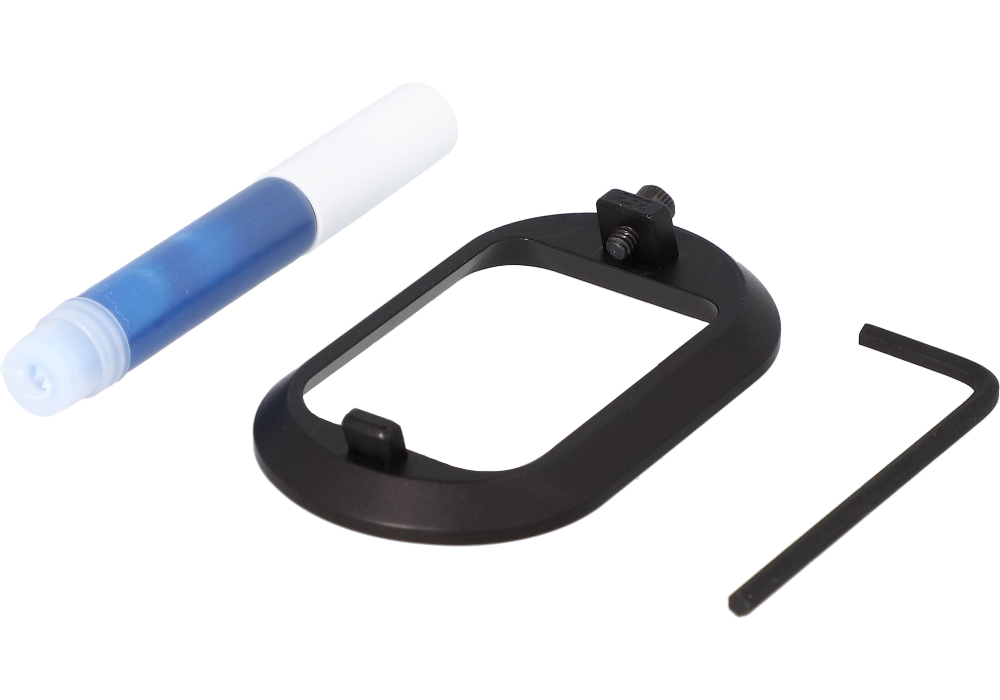
Supporting accessories often determine how comfortably that equipment fits into everyday ownership. Protective cases help keep equipment organized during lawful transport, while purpose-built storage supports secure access control at home. Interior dimensions, closure design, and protective lining matter more than exterior styling when a case needs to accommodate a particular overall shape. A case intended for transport is not automatically a substitute for secure storage, and its use should reflect both its design and applicable requirements. Carry equipment likewise depends on exact fit, stable retention, and full coverage of the trigger area; a loose or mismatched fit is not a useful compromise. Eye and hearing protection serve a broad audience, from regular range participants to guests attending their first supervised session. Comfort has practical value here: eyewear that sits securely and hearing protection that seals correctly are easier to use consistently. Cleaning supplies and maintenance tools support ownership over the long term, provided their materials and dimensions are appropriate for the equipment being serviced. Abrasive tools, incompatible solvents, and improvised repairs can damage finishes or components, making the manufacturer’s care instructions an important reference. Routine care begins with an unloaded firearm, ammunition removed from the work area, and a suitable workspace. Inspection and servicing should remain within the owner’s training, with qualified professional help for concerns beyond routine maintenance. For gift shoppers, protective equipment, storage accessories, and care supplies can be thoughtful choices when the recipient’s needs and fit requirements are known. Gifts involving firearms, ammunition, or regulated accessories require particular attention to eligibility and applicable laws rather than assumptions about the recipient. Regional collections can also provide another way to browse related categories; Top Selling Items In North Carolina offers a separate state-focused collection without changing the importance of individual suitability. For North Dakota shoppers, the lasting value of shooting-sports equipment rests in appropriate materials, dependable fit, responsible care, and a clear connection between the product’s design and its intended use.