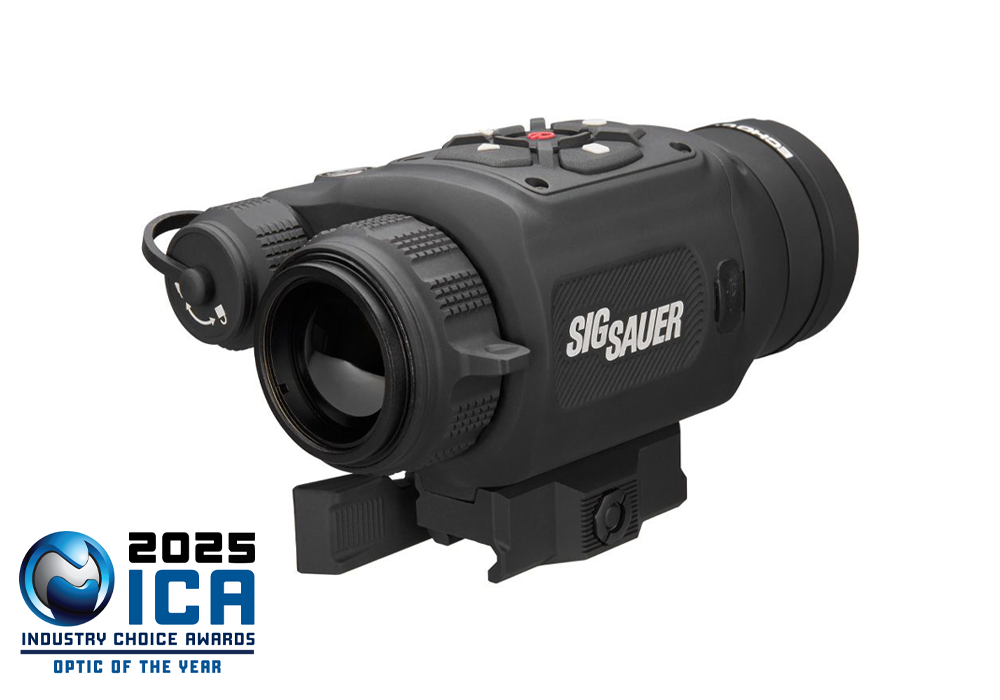
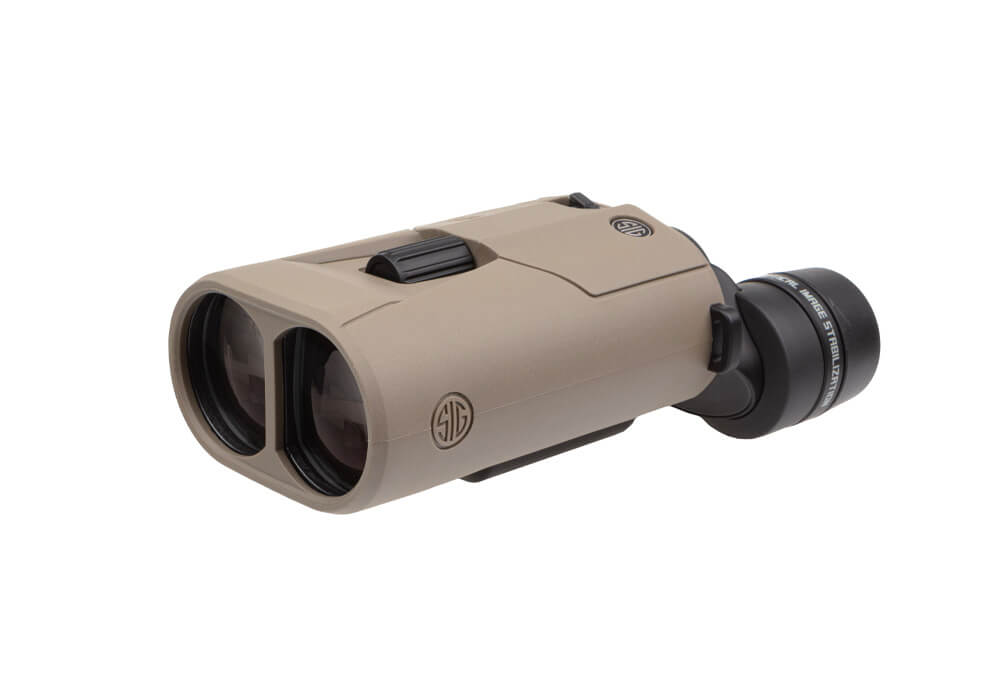
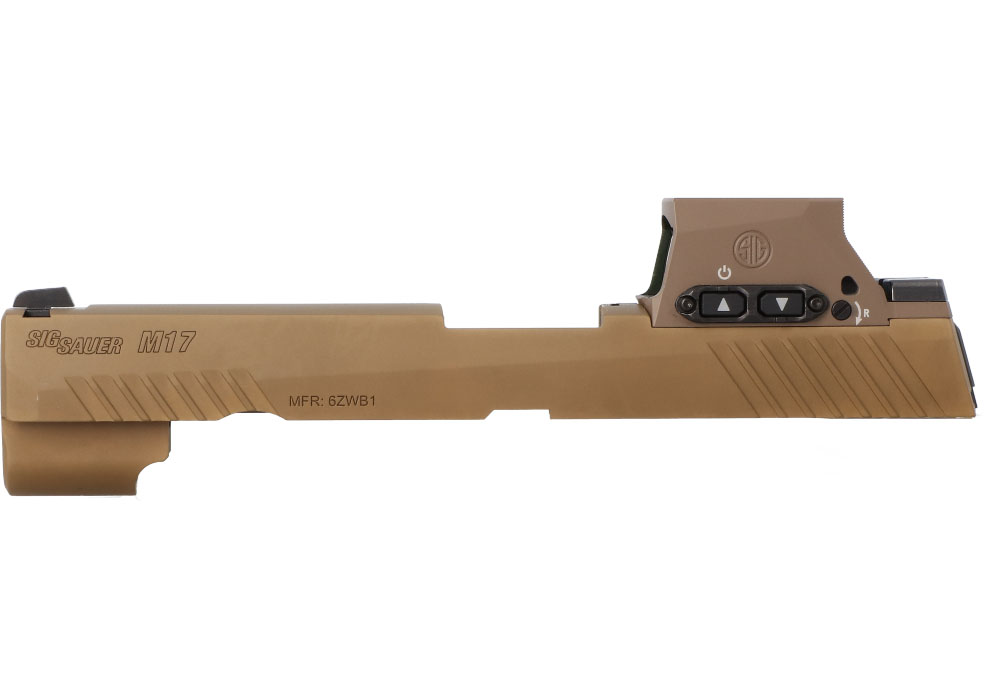
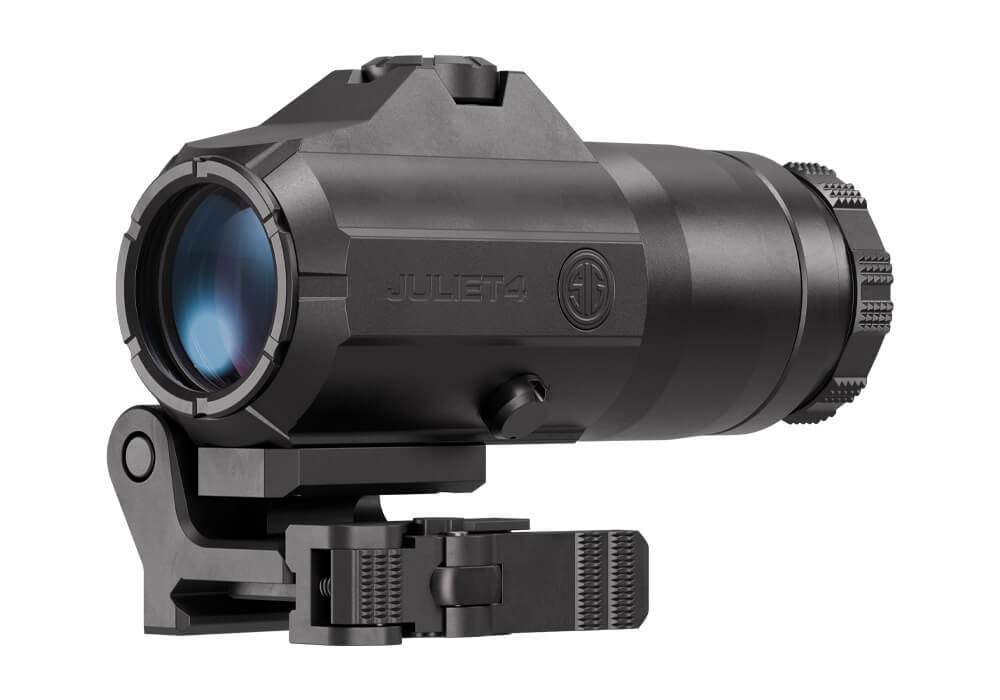
Top-selling items in Minnesota reflect a range of interests, and this collection centers on equipment for shooting sports, hunting, and responsible firearm ownership. Within that setting, popularity is only part of the picture: intended use, comfortable fit, practical care, and suitability for local conditions give a purchase lasting value. Minnesota offers plenty of reasons to pay attention to those details, from an indoor practice session near the Twin Cities to a cool morning at an outdoor range or a long day in the woods. During the cooler months, damp vegetation, muddy paths, and the transition between chilly air and heated spaces can put everyday equipment through changing conditions. Materials and finishes matter in this environment, but so do straightforward handling, clear care requirements, and storage that keeps equipment protected between outings. A durable exterior is useful when gear travels regularly, while manageable weight can make a difference over a full day outside. Neither quality replaces proper maintenance or careful use. For someone new to shooting sports, clearly documented specifications and compatibility information can be more meaningful than a long list of features. An experienced participant may be more interested in familiar controls, consistency across regularly used equipment, or a size that fits an established transport and storage routine. Those priorities help explain why a regional collection can be relevant to several kinds of shoppers without suggesting that one choice suits everyone. The setting matters as well: equipment for supervised recreational practice may serve a different purpose from equipment intended for lawful hunting. Minnesota shoppers benefit from keeping those uses distinct and checking the rules that apply to the activity and location. The common thread is practical suitability—equipment that fits its owner, supports a legitimate sporting purpose, and remains straightforward to inspect, clean, transport, and securely store through repeated use.
Construction and fit are central considerations across these product categories. Depending on the equipment, steel, aluminum, reinforced polymers, coated surfaces, and protective fabrics can each serve different purposes. Their value depends on how they are used, not simply whether a particular material appears in a specification. Metal components may provide structural strength, polymers can help manage weight, and a protective finish can limit exposure to moisture when cared for according to the manufacturer’s directions. No finish eliminates the need for inspection after a wet outing. Fit is similarly specific to the person and the application. Equipment should feel manageable rather than awkward, and controls should be understandable without requiring an uncomfortable reach. A size that seems convenient on a shelf may feel quite different during a supervised session with a qualified instructor. Clothing also changes the experience: a heavier outer layer can affect comfort and freedom of movement, making cooler-weather fit worth considering alongside overall dimensions. For optics, relevant details include clear published specifications, suitable mounting compatibility, and care instructions for coated glass. Protective accessories should fit the equipment they are intended to hold rather than allowing unnecessary movement or pressure on delicate surfaces. Ammunition selection requires an exact match to the firearm’s markings and manufacturer guidance; similar names or appearances are not a substitute for confirmed compatibility. These are areas where verified product information matters more than regional popularity. Durability also includes how easily an owner can follow the prescribed care routine. Accessible instructions, appropriate cleaning materials, and a dry, secure storage environment help preserve condition over time. After equipment has been exposed to cold or damp conditions, moisture deserves attention before storage, especially when condensation develops indoors. Following the manufacturer’s cleaning and lubrication directions is more reliable than assuming that extra treatment offers extra protection. For households with children, visitors, or shared living spaces, secure storage is a foundational part of ownership, with firearms unloaded, locked, and inaccessible to unauthorized people, and ammunition secured separately.
The people browsing a Minnesota collection may include established hunters, recreational target shooters, adults preparing for their first supervised range visit, and family members looking for a useful gift for someone with an existing interest. Each brings a different definition of usefulness. A regular range participant may value equipment that travels neatly, is easy to account for, and fits the facility’s requirements. A hunter may place greater importance on weather exposure, comfortable transport, and compatibility with the rules for the intended season and activity. Someone returning to the sport after time away may appreciate clear documentation and an opportunity to refresh safe handling practices with qualified instruction before using unfamiliar equipment. Gift shoppers have a different challenge: personal preferences and compatibility requirements can be difficult to judge from appearance alone. Nonrestricted accessories can be thoughtful choices when the recipient’s needs are known, particularly when dimensions, intended use, and care requirements can be confirmed beforehand. A gift should complement an established routine rather than create an obligation to change it. Any purchase or transfer involving regulated equipment requires attention to applicable laws and eligibility requirements, including when the intended recipient lives elsewhere. Minnesota and neighboring states share some outdoor traditions and cooler-weather conditions, but their legal requirements and individual shoppers’ priorities should not be treated as interchangeable. For another regional collection, Top Selling Items In North Dakota offers a neighboring-state browsing option. Across either setting, a best-selling designation provides a starting point for browsing, not proof of suitability for a particular person. The more lasting considerations are concrete: whether the equipment matches its intended purpose, whether its dimensions suit the owner and storage space, and whether its maintenance needs fit a realistic routine. A careful purchase takes those details seriously, from the first review of the specifications to the quiet task of inspecting and securing everything after a day outdoors. That practical approach keeps the focus on responsible ownership, dependable care, and enjoyment of lawful shooting sports throughout Minnesota’s cooler months and beyond.