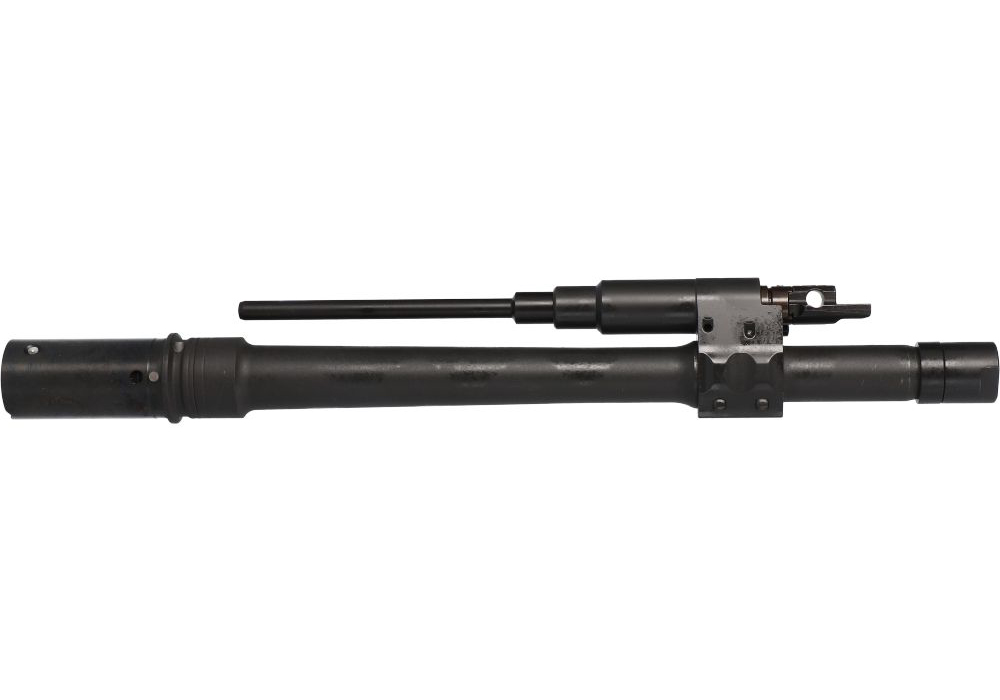
For Oregon shoppers, firearms, ammunition, optics, suppressors, and shooting accessories belong to a broader routine of responsible ownership, recreational shooting, and lawful hunting. A selection of top-selling items in Oregon brings these categories together around practical considerations: comfortable fit, reliable construction, compatibility, and care requirements that suit the owner’s routine. Someone preparing for a first supervised range visit may value straightforward controls and an organized way to transport equipment, while an experienced participant may be replacing a worn case or choosing accessories for an established setup. Intended use gives each purchase its context. Equipment for recreational target shooting can involve different handling, transport, and storage considerations than equipment carried during a lawful hunting outing. Across those settings, materials influence weight, feel, and maintenance. Steel components provide strength in areas exposed to repeated mechanical stress, aluminum can reduce weight in selected parts, and polymer can offer a practical balance of durability and manageable weight. The quality of the finish, the design of contact surfaces, and the accessibility of routine maintenance points all contribute to long-term ownership. Fit deserves equal attention. A grip should feel secure without forcing an awkward hand position, and controls should be accessible to the intended user. The dimensions of a firearm, the shape of a case, and the arrangement of compartments can affect how comfortably equipment fits into an existing routine. At an established range, that can mean arriving with everything organized rather than searching through a crowded bag for eye protection. For Oregon shoppers comparing popular categories, these everyday details offer more useful context than appearance alone. Personal familiarity, qualified instruction, and the manufacturer’s recommendations remain important parts of choosing equipment that suits its intended purpose. Lasting satisfaction often comes from the match between the equipment and the person using it, not from choosing the most elaborate configuration.
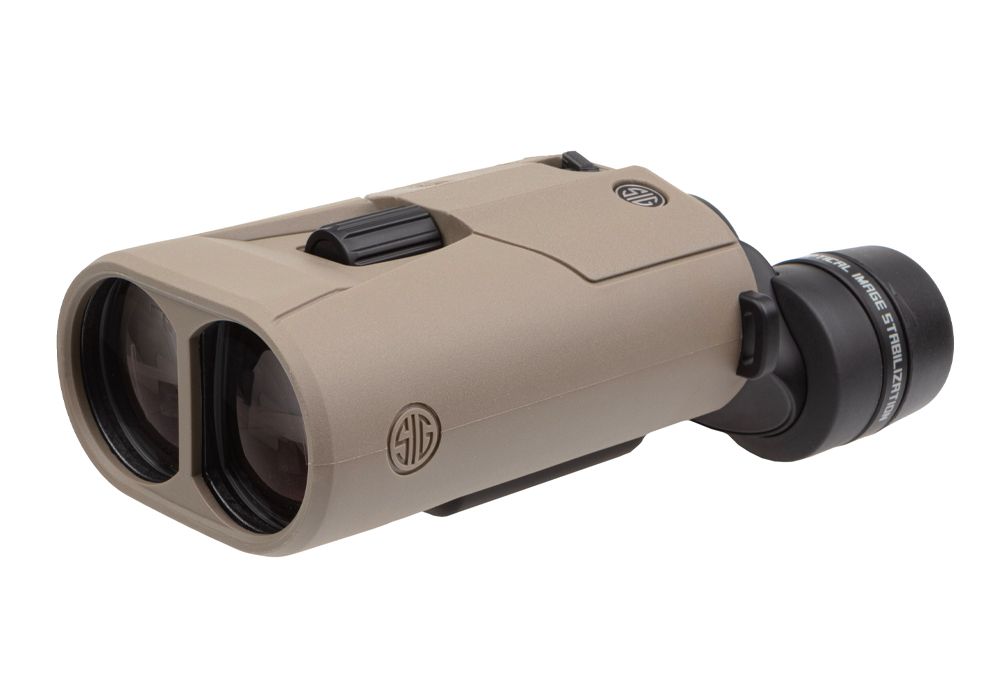
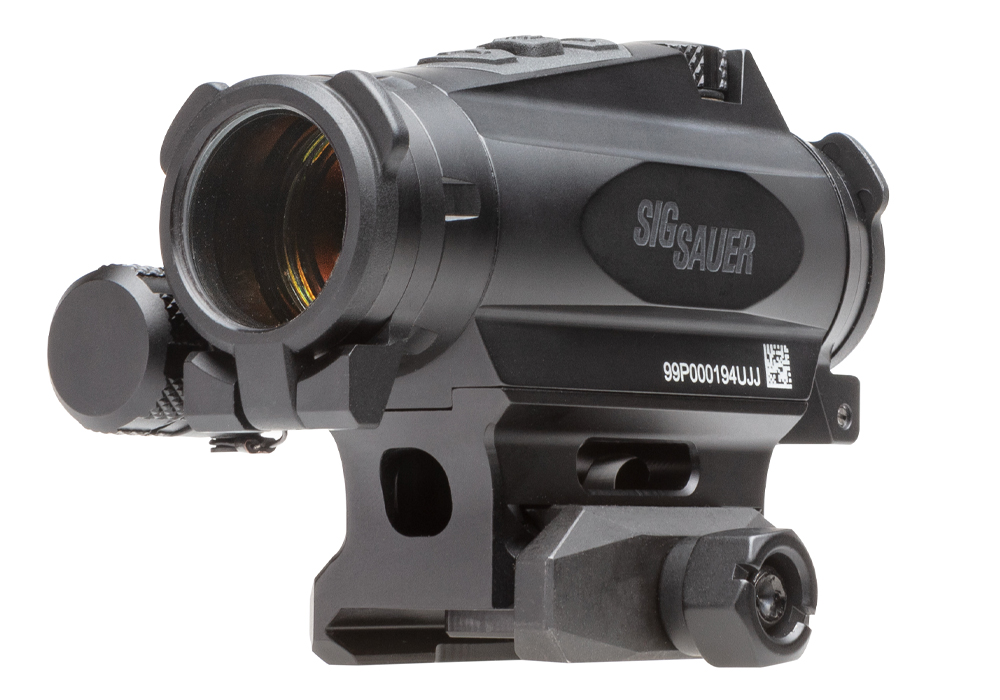
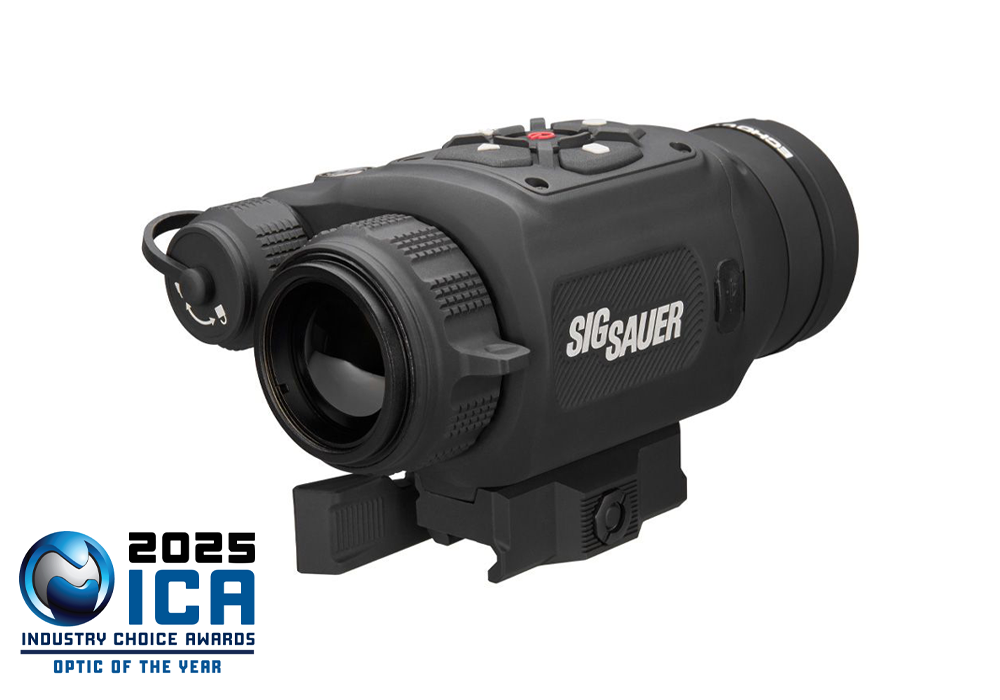
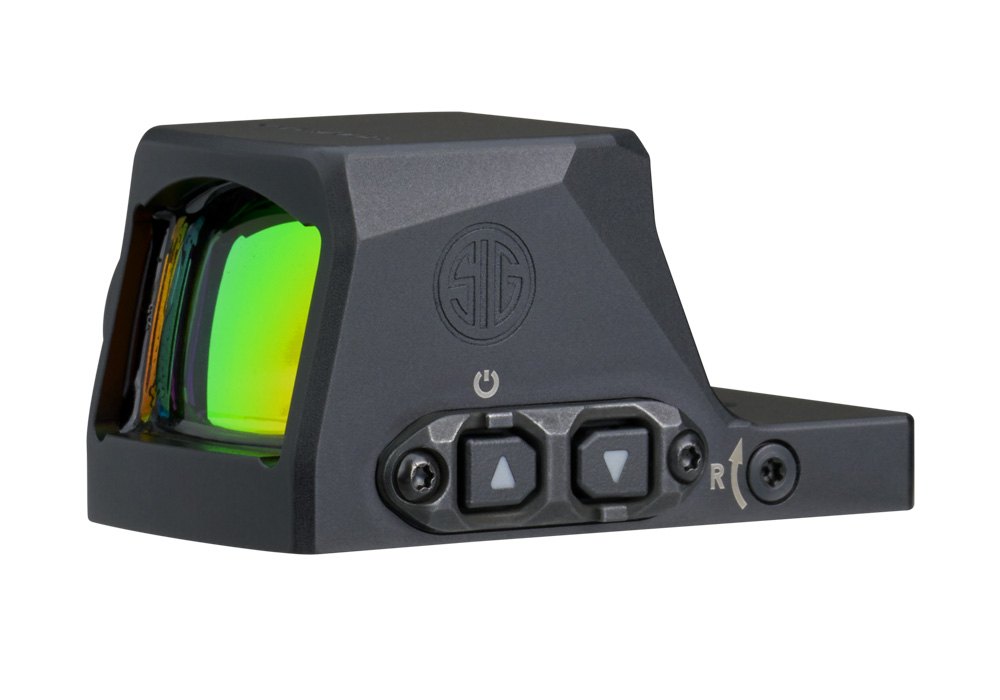
Compatibility is especially important when firearms, ammunition, optics, and accessories are considered together. Ammunition must match the exact specifications of the firearm, and packaging should remain clear and identifiable during storage and transport. Keeping original labels accessible helps owners distinguish between similar-looking cartridges without relying on appearance or memory. For lawful sporting use, ammunition selection also involves the intended activity, the manufacturer’s recommendations, and any applicable range or hunting requirements. Optics introduce another set of considerations, including physical dimensions, mounting compatibility, viewing comfort, and the clarity of the sight picture. Lens coatings, adjustment controls, and housing construction can influence the ownership experience, but specifications are most useful when considered alongside the equipment and activity involved. A compact setup carried between a vehicle and a range bench presents different handling considerations from equipment packed with other field essentials. Protective lens covers and a suitable case can help preserve optical surfaces when equipment is not in use. Suppressors require particular attention to applicable laws, ownership and transfer requirements, manufacturer guidance, and compatibility confirmed by a qualified professional. They do not replace appropriate hearing protection or responsible handling practices. Accessories also deserve careful consideration because their value often becomes apparent through repeated use. A case with a supportive interior helps keep equipment separated and protected, while a range bag with distinct compartments can keep protective equipment, paperwork, and maintenance supplies easier to locate. Zippers, hinges, latches, handles, and stitching are worth examining because these are the parts handled repeatedly during ordinary use. Interior dimensions matter as much as the exterior footprint; padding should protect the contents without placing pressure on delicate components or preventing the case from closing correctly. In this context, top-selling items in Oregon are useful as a starting point for comparing categories, while verified specifications and individual needs determine whether a particular choice belongs in an owner’s routine.
Durability continues beyond the initial purchase through suitable care, secure storage, and consistent handling habits. Protective finishes help preserve surfaces, but no finish removes the need to follow the manufacturer’s cleaning and maintenance recommendations. Cleaning products should be appropriate for the materials involved, particularly where coated lenses, polymer surfaces, seals, and finished metal require different treatment. A soft cloth suitable for optics has a different purpose from a brush intended for a firearm component, and keeping those supplies separate helps avoid unnecessary wear. Equipment should be inspected periodically for visible damage, loose components, or deterioration, with concerns referred to a qualified professional rather than addressed through improvised changes. Firearms should be stored unloaded and secured against unauthorized access, with ammunition secured separately. Transport arrangements should also follow applicable requirements and the rules of the destination. These habits support the condition of the equipment while keeping responsible ownership central to the experience. Gift selection benefits from the same attention to fit and purpose. Protective cases, equipment organizers, and compatible care supplies can be thoughtful choices for an adult who already participates in shooting sports, provided the recipient’s equipment and preferences are understood. Eye and hearing protection are similarly personal choices because comfort, sizing, and suitability affect whether they will be used consistently. Firearms, ammunition, and regulated accessories require additional consideration of eligibility, legal requirements, and the recipient’s established needs; they are not interchangeable with ordinary gifts. Shoppers browsing beyond Oregon can also explore Top Selling Items in Ohio for another regional selection within the same broader shooting-sports categories. Wherever the search begins, useful comparisons return to tangible details: materials that suit the purpose, dimensions that fit existing equipment, understandable care requirements, and construction intended for repeated use. Those qualities give popular categories lasting relevance for Oregon shoppers, whether the purchase supports a familiar range routine, a lawful outdoor pursuit, or a better-organized approach to equipment ownership.