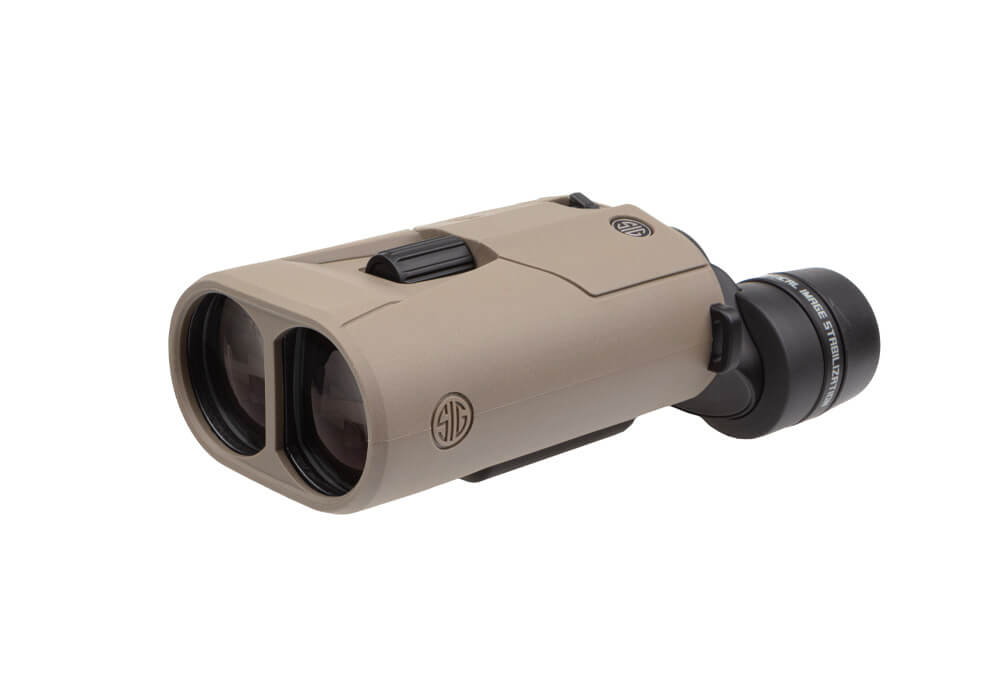
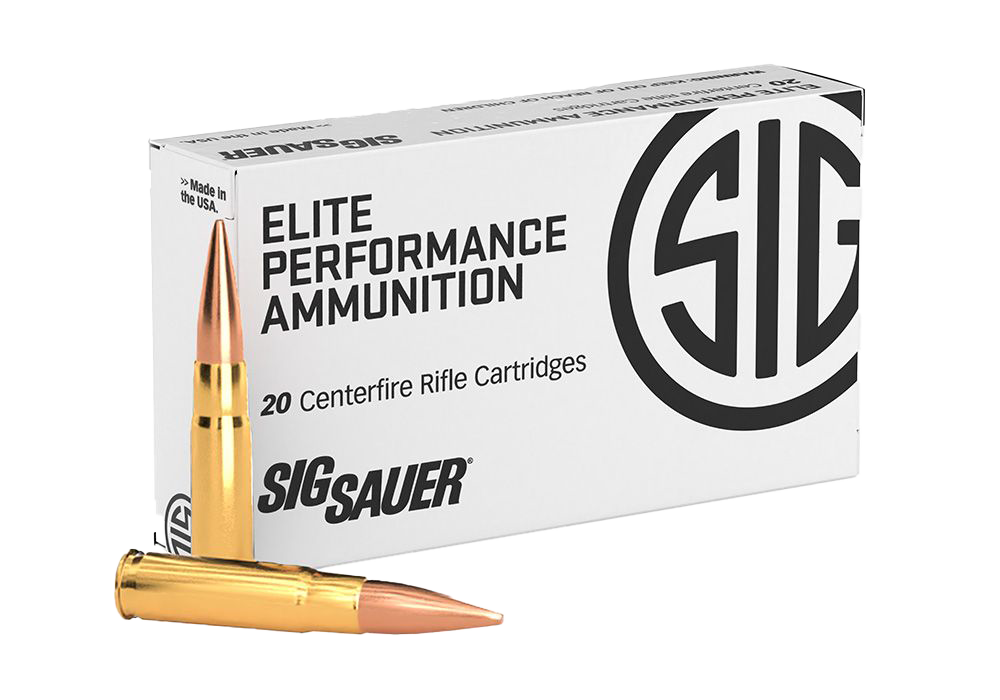
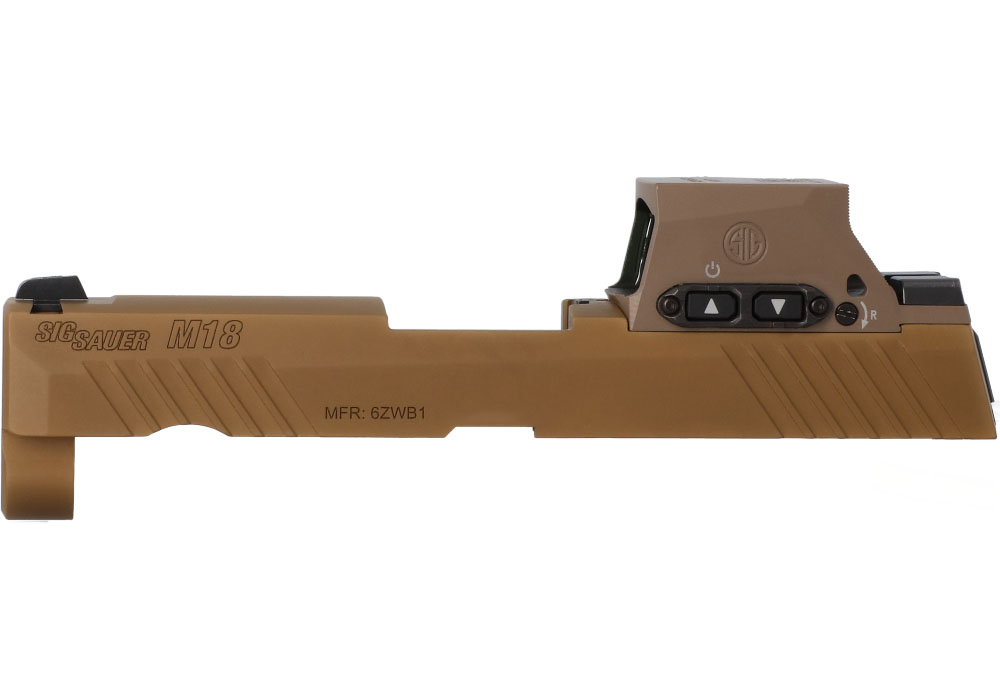
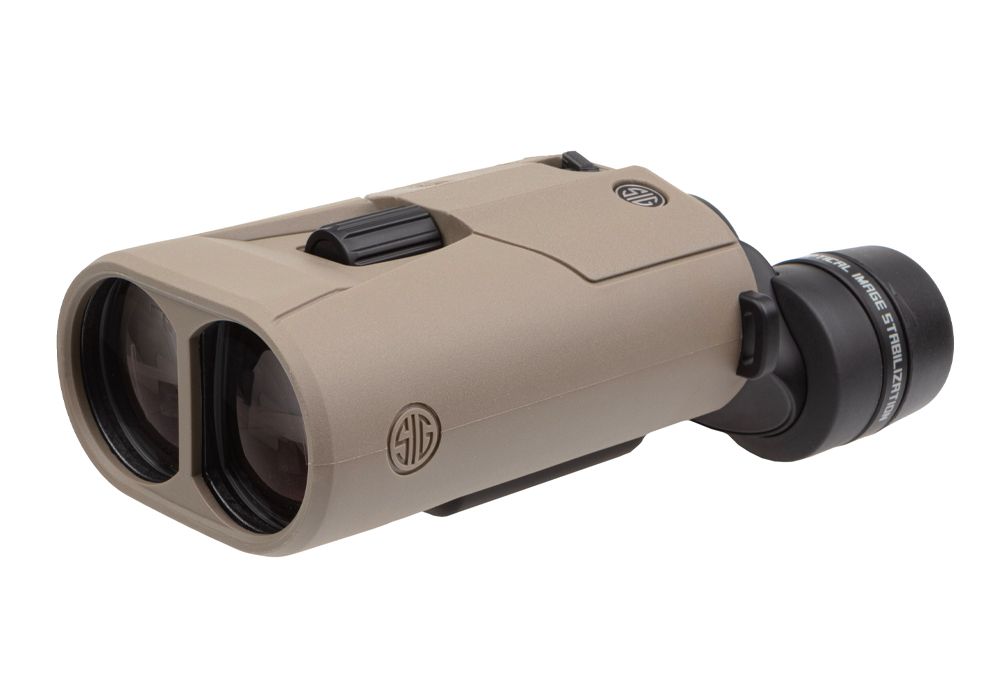
For shoppers exploring top-selling items in Idaho, shooting-sports equipment belongs in the context of the state’s varied terrain, established hunting traditions, and year-round interest in recreational marksmanship. Open agricultural country, wooded foothills, and higher elevations create different demands, even when two outings begin in the same town. A morning at an established outdoor range may involve a covered bench and a short walk from the parking area, while a hunting trip can mean hours of carrying equipment over uneven ground. That difference puts intended use ahead of appearance. Firearms, ammunition, optics, and related accessories serve distinct purposes, and their suitability depends on the activity, the user’s experience, and the conditions in which they will be handled. Recreational target shooters may prioritize a comfortable fit and a consistent sight picture during supervised practice. Hunters often weigh those same qualities alongside manageable overall weight, weather resistance, and compatibility with the requirements of their planned hunt. Experienced enthusiasts may also value familiar controls and straightforward maintenance over features they are unlikely to use. During the cooler months, a jacket or an extra layer can change how equipment rests against the body, while gloves can affect access to controls. Fit should therefore be considered in the clothing and conditions likely to accompany the activity, with any handling evaluation conducted safely and according to the retailer’s procedures. A useful comparison starts with how naturally the equipment can be held, whether its controls are accessible, and whether the user can maintain a comfortable position without strain. Popularity can provide a starting point for browsing, but it does not establish that one configuration is right for every person. Idaho’s landscape supports many forms of outdoor recreation, and the most practical choice is one that suits a clearly defined purpose rather than an imagined all-purpose role. Local range rules, hunting regulations, and transportation requirements remain part of that decision, particularly when a trip involves different properties, jurisdictions, or types of public land.
Materials and construction become especially important when equipment moves between a dry storage space, a dusty range, and a damp field environment. Steel, aluminum, and reinforced polymers each have useful characteristics, but the material name alone does not tell the full story. Protective finishes, the quality of contact surfaces, and the manufacturer’s care requirements all influence long-term performance. Metal components benefit from appropriate protection against moisture, while synthetic surfaces still need inspection for wear, damage, and exposure to unsuitable cleaning chemicals. Weather resistance should never be treated as permission to leave equipment wet or unattended after an outing. A padded case that feels dry on the outside can retain moisture inside, particularly after time in a cold vehicle or on damp ground. Once equipment has been safely unloaded and secured for maintenance, checking those less visible areas helps prevent a small oversight from becoming a persistent problem. Follow the manufacturer’s directions for cleaning, lubrication, inspection, and storage rather than assuming that every finish or component tolerates the same treatment. Optical equipment calls for similar restraint: remove loose grit before wiping a lens, use cleaning materials intended for coated glass, and keep protective covers clean enough that they do not transfer debris back onto the surface. Optical clarity, comfortable viewing, and an appropriate field of view often matter more in ordinary use than a long feature list. Published specifications should be considered alongside the distances and lighting conditions typical of the intended activity, without assuming that a larger or heavier configuration is automatically better. Compatibility deserves equal attention across the entire setup. Ammunition must match the firearm’s specified chambering and manufacturer requirements, and accessories should be verified for the exact equipment with which they will be used. Suppressors involve additional legal and compatibility considerations that require confirmation before purchase or use; they do not replace appropriate hearing protection. For Idaho shoppers who spend time outdoors, durability is best understood as a combination of suitable construction, careful handling, and repeatable maintenance habits, not simply a rugged appearance.
The people browsing popular shooting-sports equipment in Idaho can be as varied as the settings where it is used. A newer participant preparing for instruction may benefit most from uncomplicated equipment, a comfortable fit, and protective gear that can be worn consistently throughout a session. Someone returning to regular range practice may be focused on replacing worn accessories or choosing equipment that is easier to transport and maintain. A hunter preparing for cooler conditions may pay closer attention to carrying comfort, secure storage during travel, and whether an existing setup remains comfortable with heavier clothing. In each case, the details that seem minor at home can become noticeable after several hours outdoors: a case handle that presses into the palm, protective eyewear that conflicts with hearing protection, or an accessory that requires more care than expected. Those everyday considerations give a regional collection practical value without turning its sales theme into a universal recommendation. Gift shoppers should approach the category with the recipient’s experience and preferences in mind, especially when fit, compatibility, or legal transfer requirements are involved. General-purpose storage, care, or protective accessories can be thoughtful choices for an established enthusiast, provided they match the recipient’s needs; personal equipment decisions are often better left to the person who will use it. Secure storage also belongs in the overall plan from the beginning, with access restricted to authorized people and arrangements consistent with applicable law and manufacturer guidance. For households with children or frequent visitors, a dependable storage routine matters every day, not only before and after an outing. Regional browsing can offer another perspective on the category, and Top Selling Items in Utah provides a neighboring-state collection for shoppers interested in exploring further. Different terrain, travel routines, and recreational interests can shape what people look for, but a sound purchase still rests on individual suitability. Across Idaho’s range communities and outdoor traditions, well-chosen equipment is equipment that fits its purpose, receives proper care, and supports responsible participation season after season.