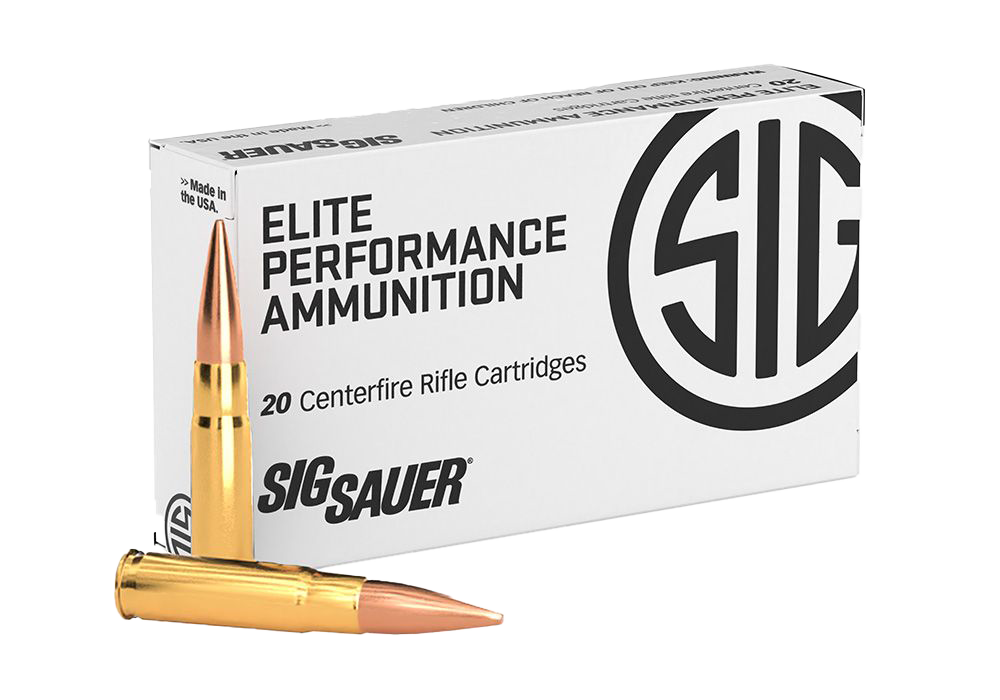
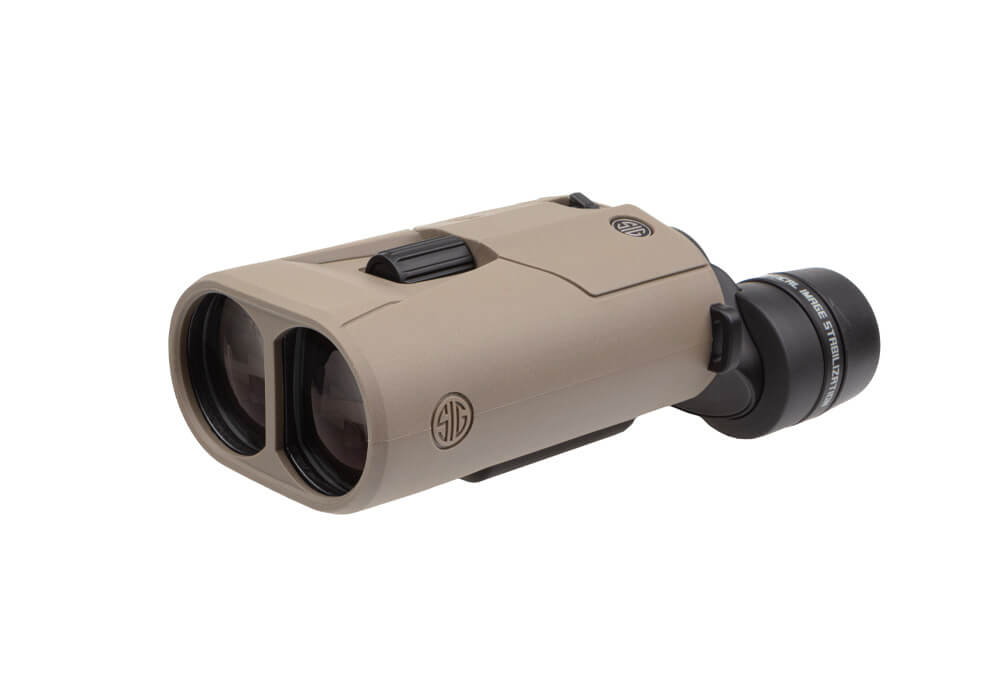
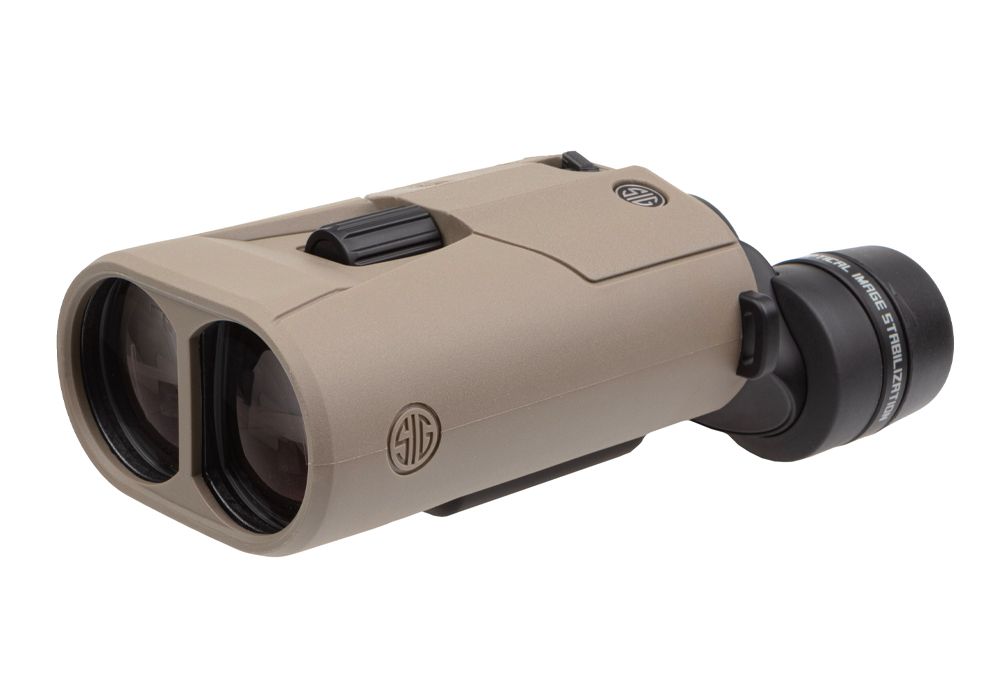
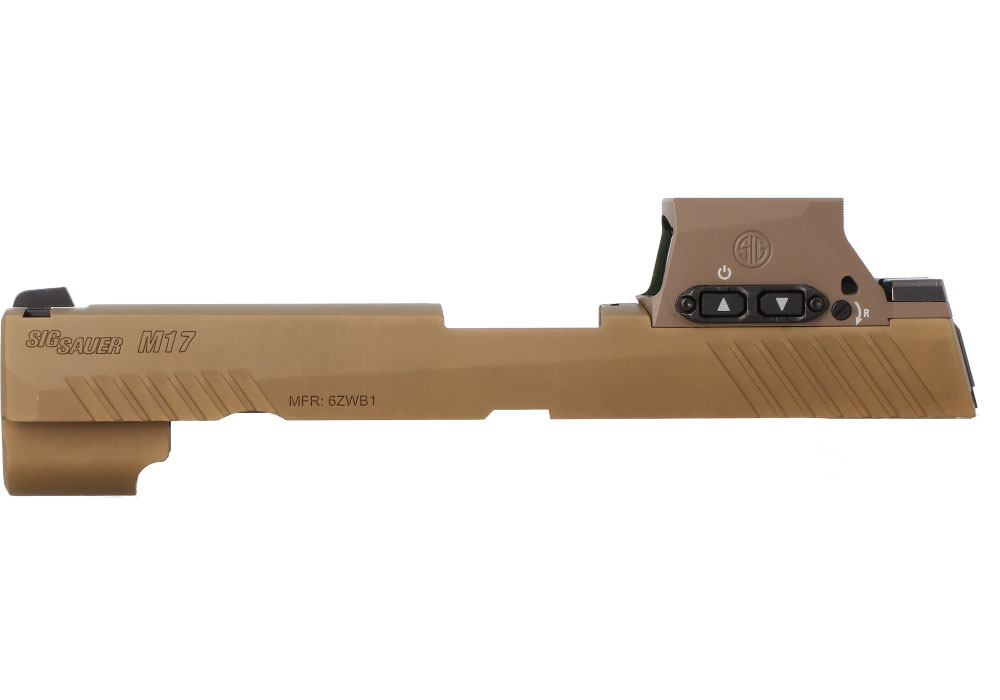
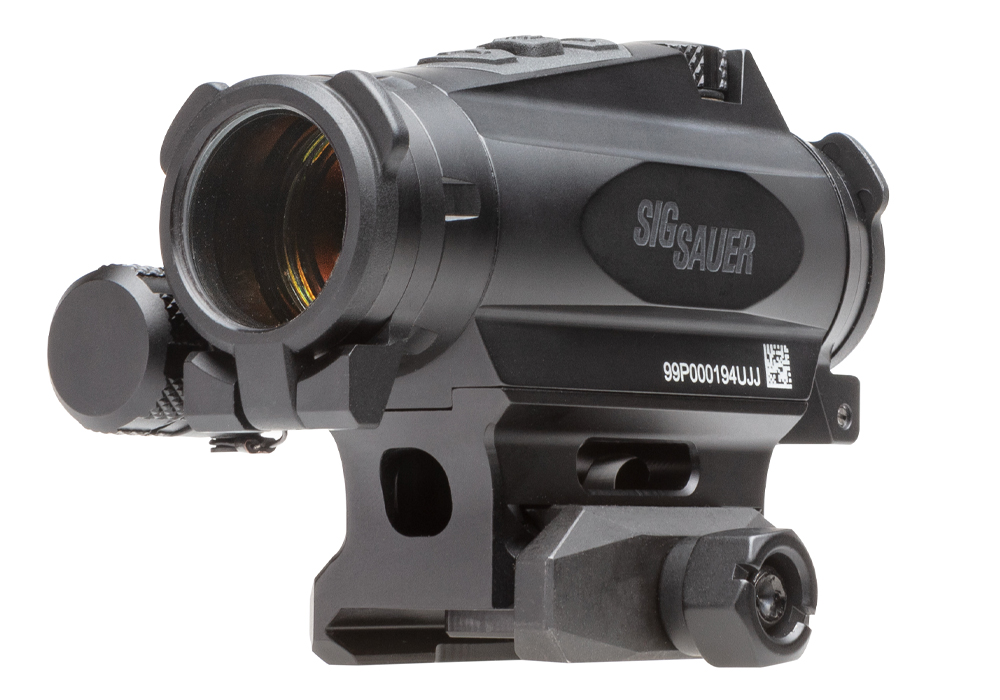
Montana’s shooting-sports community includes recreational target shooters, hunters, experienced firearm owners, and adults assembling their first set of range equipment. A collection of top-selling items in Montana brings those interests together through firearms, ammunition, optics, suppressors, and supporting accessories, with different categories serving distinct purposes. Equipment suited to a scheduled range session may have different handling, storage, and transport requirements from equipment intended for lawful hunting. Montana’s mix of larger communities, small towns, and rural properties also gives practical organization a place alongside performance: a trip that involves a substantial drive rewards a well-packed case, protected lenses, and supplies that stay organized from departure to return. Popularity offers a useful starting point, but the lasting value of shooting equipment comes from how well it suits its owner and intended setting. For firearms, that includes comfortable handling, understandable controls, and compatibility with the equipment already in use. For ammunition, the essential consideration is an exact match to the firearm manufacturer’s specifications, rather than appearance or a similar-sounding designation. Optics bring a different set of considerations, including viewing comfort, image clarity, adjustment readability, and the space needed for secure storage. Suppressors have their own compatibility requirements and legal obligations, and sound reduction does not eliminate the need for appropriate hearing protection. Cases, cleaning supplies, protective equipment, and secure storage round out the broader picture of responsible ownership. These supporting categories can be just as relevant to a frequent range visitor as the primary equipment itself. A padded divider that keeps surfaces apart or a storage compartment that prevents small accessories from getting lost can address a familiar frustration without adding unnecessary complexity. Across the collection, the common thread is purposeful equipment: products selected for a real activity, understood by the person using them, and cared for throughout their service life. That practical approach keeps attention on suitability rather than assuming that a popular choice will meet every shopper’s needs.
Materials and construction influence how equipment feels, how it travels, and how much attention it needs between outings. Steel, aluminum alloys, reinforced polymers, woven fabrics, and protective foams each offer different benefits, and the material alone rarely tells the whole story. Surface finishes, seams, closures, internal supports, and contact points all contribute to durability. A rigid case can help protect its contents during transport, while a soft-sided option may be easier to carry and store; neither replaces secure storage or compliance with applicable transport rules. Padding should support the intended contents without forcing controls, lenses, or other projecting parts against a hard surface. Handles and straps deserve equal attention, especially when a case will be carried across a parking area along with hearing protection, a range bag, and other equipment. Fit matters just as much in wearable accessories. Eye protection should sit comfortably without interfering with hearing protection, and ear protection should maintain its intended seal or fit when worn with other gear. Storage accessories need dimensions that accommodate the actual equipment, not merely a broad category description. Products described as universal can still have limitations, making published measurements and manufacturer compatibility information important parts of the selection. Care requirements are similarly specific. Cleaning agents suitable for one surface may be inappropriate for another, particularly around optical coatings, seals, fabrics, and polymer components. Manufacturer-approved care methods help preserve finishes and function without unnecessary abrasion or chemical exposure. Firearms should be unloaded before cleaning or inspection, with ammunition kept separate from the work area and all manufacturer safety procedures followed. Equipment that shows damage, unusual wear, or uncertain function belongs with a qualified professional rather than in continued use. Regular inspection also extends to the less noticeable details: a worn strap, distorted foam, scratched protective lens, or closure that no longer holds securely. Those small points often determine whether an otherwise useful accessory remains dependable through repeated trips and routine handling.
The people shopping this collection may have very different levels of experience, but useful equipment usually solves a recognizable need. A regular target shooter may appreciate storage that keeps protective gear and maintenance supplies easy to locate. A hunter may place more emphasis on comfortable transport, protected optical surfaces, and equipment that suits the applicable rules for the intended activity. A newer owner may benefit most from straightforward accessories, clear manufacturer documentation, and secure storage that fits the household. None of those needs requires choosing the most complicated option. Familiar controls, legible markings, accessible instructions, and manageable care routines can matter more over time than a long list of features. For a shared household, storage decisions also need to account for unauthorized access, with firearms secured and ammunition stored separately in accordance with applicable guidance and law. Gift shopping calls for similar attention to the recipient’s circumstances. Protective equipment, cases, and organizational accessories can be thoughtful choices for an adult shooting-sports enthusiast when measurements, preferences, and compatibility are known. A gift intended to recognize a personal milestone is more useful when it fits the recipient’s established activities rather than introducing equipment they have not chosen or learned to use. Where regulated products are involved, all eligibility, transfer, registration, and other applicable requirements remain essential. The collection of top-selling items in Missouri offers another regional view of shooting-sports shopping, while this Montana collection keeps the focus on products relevant to its own audience. Regional interest can reveal familiar categories, but it does not replace an individual assessment of fit or intended use. The strongest long-term choices are easy to account for, straightforward to maintain, compatible with existing equipment, and appropriate for the places where they will be used. From a carefully organized range bag to a secure place for equipment at home, those practical details give shooting-sports products their everyday value long after the initial selection.