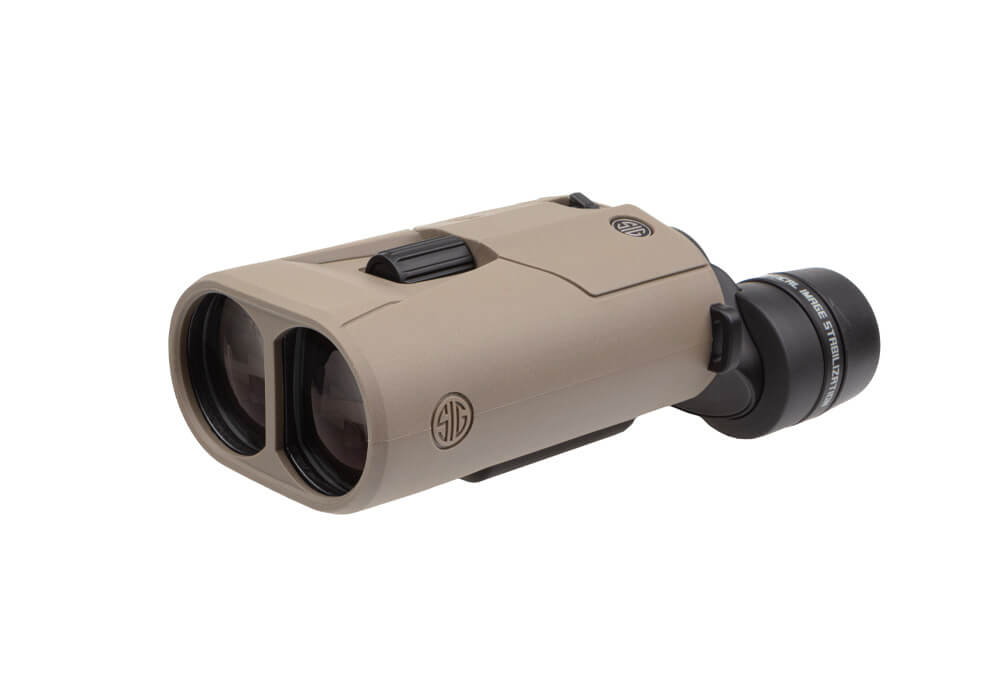
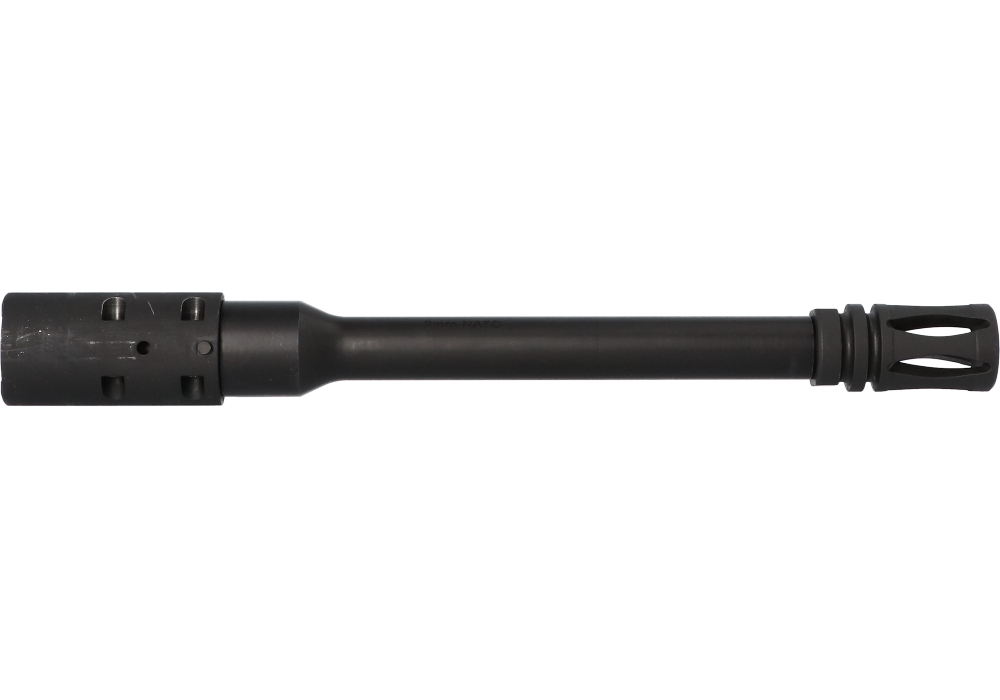
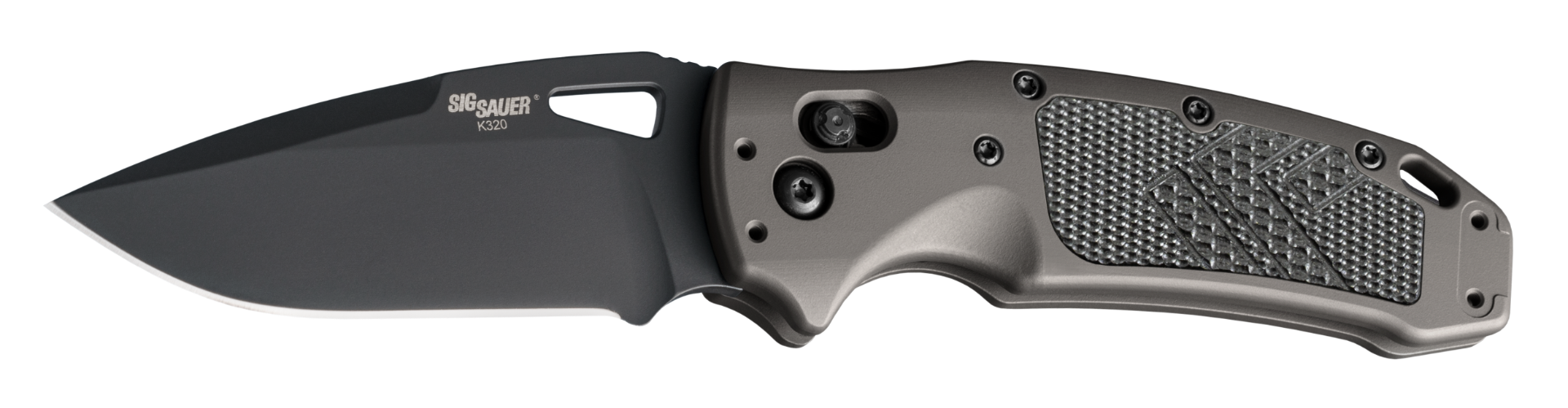
A collection of top-selling items in Missouri brings together equipment for recreational shooting, lawful hunting, range practice, and responsible firearm ownership. Within a shooting-sports collection, the emphasis is on firearms, ammunition, optics, and supporting accessories suited to different activities, experience levels, and personal preferences. A regular range visitor may prioritize comfortable protective equipment and an organized case, while a hunter may place greater importance on manageable weight, clear optics, and durable construction. Someone establishing a first range setup may be looking for straightforward operation, clear manufacturer documentation, and equipment that is easy to maintain. Across these uses, popularity is a useful starting point, but suitability depends on how the equipment fits the person and the task. Grip dimensions, overall weight, control placement, and compatibility with existing equipment deserve attention alongside appearance. A comfortable fit should support safe handling without requiring an awkward reach or an unstable hold. For carrying accessories, secure retention and proper coverage matter more than a generic size description, and compatibility should be confirmed against the exact equipment involved. Range bags and protective cases serve a different purpose: keeping equipment organized, shielding finishes from unnecessary contact, and separating small accessories so they remain easy to locate. Reinforced handles, dependable closures, padded dividers, and accessible compartments can make a noticeable difference when packing for a practice session. Picture a range bag resting on a bench, with eye protection in its own compartment, hearing protection within reach, and paperwork protected from cleaning supplies. That kind of organization helps keep attention on range procedures rather than searching through loose gear. Missouri shoppers may use their equipment at indoor facilities, established outdoor ranges, or other locations where the activity is permitted, so intended use should remain central to every comparison. Facility rules, applicable laws, and manufacturer requirements also shape which categories and features are appropriate. The strongest match is equipment that supports the intended activity, fits correctly, and remains practical to inspect, transport, store, and care for over time.
Materials and construction help explain how shooting-sports equipment feels in use and how it holds up to routine handling. Steel components offer strength in applications where wear resistance matters, while aluminum alloys can reduce weight in housings and other supporting structures. Polymer components vary in formulation and design, making the quality of their construction more meaningful than the material name alone. Surface treatments and protective finishes can help resist corrosion and everyday abrasion, but no finish eliminates the need for inspection and care. Seams, fasteners, attachment points, and areas that experience repeated contact deserve the same attention as the most visible surfaces. With protective cases, a sturdy shell or substantial fabric should work together with supportive padding rather than simply adding bulk. With optics, clear glass, readable markings, practical controls, and a secure, compatible mounting arrangement contribute to usability. Higher magnification is not automatically a better match; the appropriate viewing characteristics depend on the activity, the setting, and the manufacturer’s intended application. Shoppers who wear prescription glasses should also consider how eye protection fits alongside their eyewear and hearing protection. A comfortable arrangement matters during an extended range visit, especially when multiple pieces of protective equipment must work together without pressure points or interference. Ammunition requires a separate compatibility check: its specifications must match the firearm manufacturer’s requirements, and packaging should remain identifiable so essential information is not lost. Storage and handling should follow the relevant manufacturer guidance. Care supplies likewise need to suit the materials and finishes they will contact. A cleaner appropriate for one surface may not be appropriate for another, and excess product can create its own maintenance problems. Manufacturer instructions provide the proper starting point for cleaning intervals, approved materials, inspection procedures, and any service that requires a qualified professional. Good upkeep is less about an elaborate collection of tools than about having suitable supplies, a consistent routine, and a clear understanding of when equipment needs professional attention. Durable equipment should still receive regular checks, particularly where moving parts, closures, straps, or mounting hardware show wear.
The people browsing top-selling items in Missouri may have very different reasons for choosing similar categories. An experienced recreational shooter may want a more orderly way to transport existing equipment, while a newcomer may be focused on protective essentials and secure storage. Hunters, recreational competitors, and occasional range visitors also bring different expectations for portability, organization, comfort, and maintenance. A compact case that suits a short range visit may not provide the organization needed for a full day at a facility, while a larger bag can become cumbersome when its extra space serves no practical purpose. Details such as handle placement, adjustable dividers, washable surfaces, and room for required documentation can matter more in everyday use than an extensive feature list. Secure storage deserves equal consideration, with access controls and storage arrangements appropriate to the household and consistent with applicable requirements. Equipment should remain protected from unauthorized access, and any storage system should be used according to its instructions. Accessories can also be thoughtful gifts for an established enthusiast when the recipient’s preferences and compatibility needs are known. Protective equipment, organizational gear, and suitable care supplies are often more personal than they first appear: eyewear fit, hearing-protection comfort, case dimensions, and material compatibility can determine whether a gift becomes part of a regular routine. A range partner who carefully separates lenses from cleaning tools may appreciate purposeful compartments, while someone who carries equipment between a vehicle and a range bench may prefer comfortable handles and balanced weight. Shoppers exploring neighboring regional collections can also view Top Selling Items In Kansas for another selection organized around local interest, while checking requirements for each intended location independently. Whether the purpose is regular practice, a lawful sporting activity, or better care of existing equipment, thoughtful selection starts with the same essentials: a clear intended use, verified compatibility, dependable construction, and manageable upkeep. Those qualities give popular shooting-sports categories lasting relevance beyond a single outing and help turn individual purchases into a coherent, practical setup.