For shoppers exploring top-selling items in Mississippi, firearms, ammunition, optics, suppressors, and related accessories serve distinct roles in hunting, target shooting, and responsible firearm ownership. These categories reflect shooting-sports interests rather than the agricultural commodities associated with the state’s broader economy. A useful purchase fits the owner’s intended activity, experience, physical comfort, and storage arrangements. Someone spending an afternoon at an established range may value straightforward controls, comfortable handling, and equipment that is easy to inspect and maintain. A hunter walking wooded property may place greater emphasis on manageable weight, durable finishes, and an unobstructed view through an optic. Across Mississippi’s Delta, pine country, and communities along the Gulf Coast, personal preferences vary, but dependable construction and appropriate fit remain practical considerations. Firearm fit involves more than overall dimensions: grip shape, reach to the controls, balance, and the relationship between the stock and the shooter’s natural position all influence comfort. A firearm that feels steady during a brief inspection should also suit the way it will be carried, stored, and used within applicable laws and range rules. Materials contribute to that experience. Steel components provide strength in demanding contact areas, aluminum can reduce weight in appropriate applications, and reinforced polymer can offer a durable gripping surface without unnecessary bulk. Protective finishes help preserve surfaces, although no finish replaces routine inspection and care. Clear operating information and straightforward maintenance requirements are especially valuable for newer owners, while experienced enthusiasts may pay closer attention to consistency across familiar equipment. For either group, a thoughtful selection supports repeatable practice rather than relying on appearance alone. Secure storage belongs in the same conversation as fit and finish, particularly in households with children, visitors, or anyone who should not have access. Locks, secured cases, and suitable storage systems support responsible ownership from the first day a firearm enters the home. The most relevant features are those that continue to matter after the initial purchase: understandable operation, comfortable handling, and a realistic plan for ongoing care.
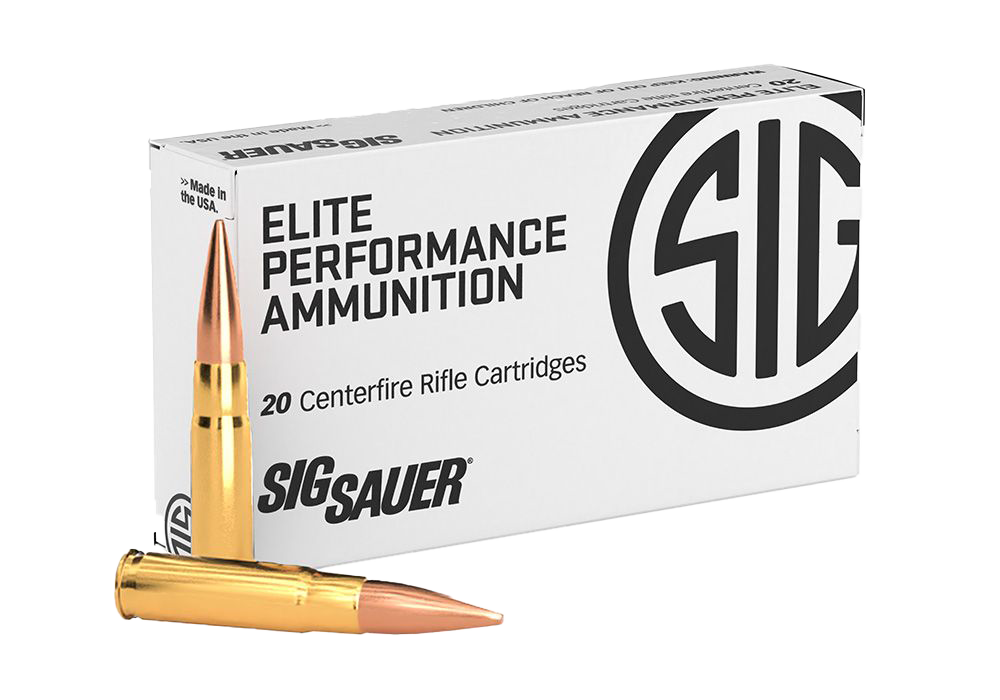
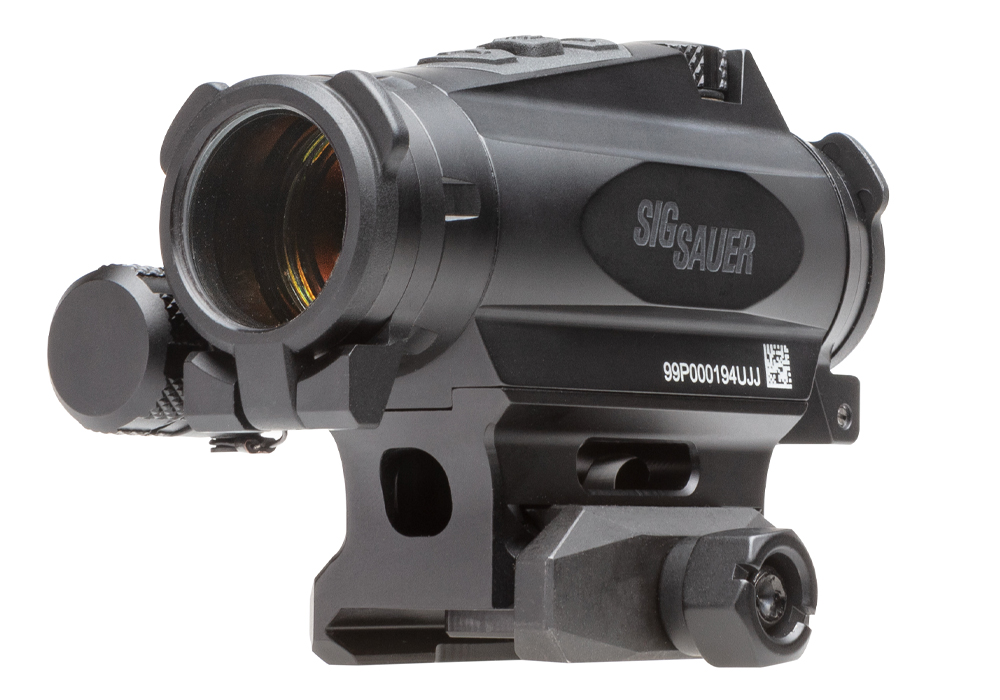
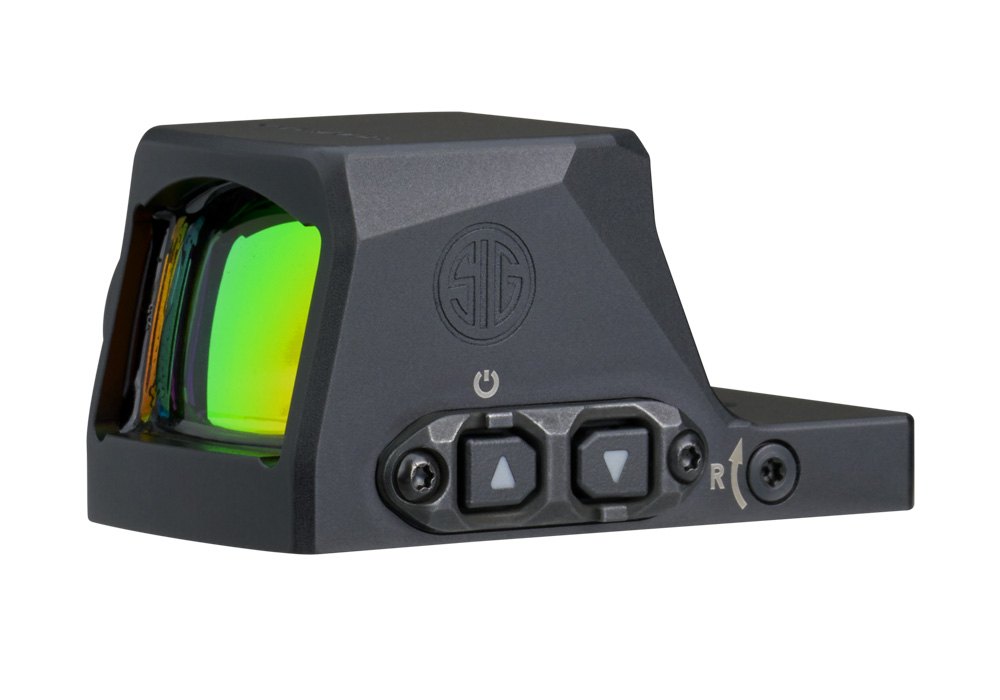
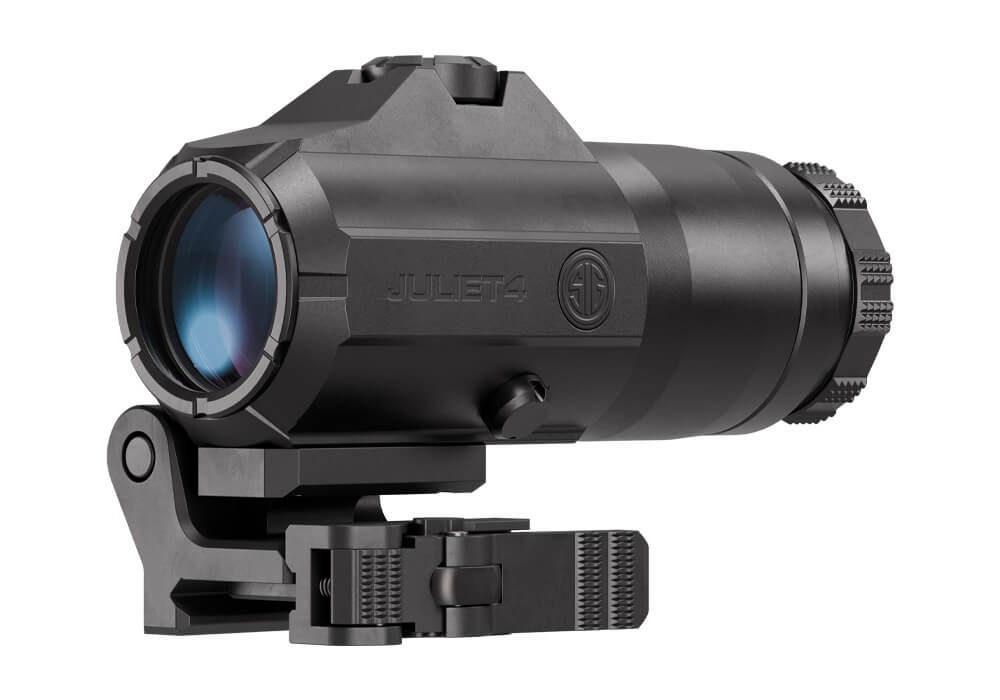
Ammunition and optics bring a different set of considerations to Mississippi shooting-sports purchases, with compatibility taking priority over superficial similarity. Ammunition must match the firearm’s specified chambering and the manufacturer’s instructions; packaging, markings, and the owner’s manual provide essential information that should remain clear and accessible. Intended use also matters, since routine target practice and lawful hunting place different demands on ammunition selection. Consistent practice with an appropriate choice helps an owner become familiar with the equipment, while safe storage protects ammunition from contamination and keeps it separate from unauthorized access. Original packaging can preserve identification and make routine organization easier. Optics deserve the same attention to suitability. A clear sight picture, readable adjustments, appropriate magnification, and comfortable eye positioning can matter more than a long list of features that will rarely be used. On a supervised range, an optic that allows a relaxed viewing position can make a session more comfortable; in wooded terrain, a usable field of view may be more relevant than extreme magnification. Compatibility includes the mounting interface, available clearance, and the firearm manufacturer’s requirements. Any installation or service beyond the owner’s experience belongs with a qualified professional. Durable housings, protected lenses, and secure adjustment controls help equipment withstand ordinary transport and repeated use, but glass and coated surfaces still need careful handling. Lens covers, suitable cleaning materials, and a padded case help protect the investment between outings. Suppressors involve additional considerations, including firearm compatibility, manufacturer specifications, maintenance requirements, and applicable federal, state, and local rules. They reduce sound but do not eliminate firearm noise or replace appropriate hearing protection. Their dimensions and weight can also affect the balance of a compatible firearm, making the complete setup more relevant than an isolated specification. Across these categories, the strongest connection is practical compatibility: ammunition suited to the firearm, an optic suited to the viewing task, and accessories suited to the equipment and the owner’s lawful activities.
Supporting accessories often determine how comfortably and responsibly shooting equipment fits into everyday life. A protective case needs enough room for the equipment without allowing unnecessary movement, along with closures and handles suited to repeated transport. Interior padding protects surfaces, while an organized layout keeps small accessories from rubbing against lenses or finishes. Cases intended for transport serve a different purpose from secured storage at home, and neither should be assumed to satisfy every storage requirement. Hearing and eye protection belong alongside the primary equipment, not as an afterthought. Comfortable eyewear should sit securely without interfering with hearing protection, and hearing protection should fit correctly and suit the setting. At a busy range, small details such as pressure around the ears, a slipping nose bridge, or difficulty seeing through scratched lenses can interrupt concentration. Cleaning supplies also benefit from a task-specific approach: tools and products should be appropriate for the firearm’s materials, finish, and manufacturer’s care instructions. Unloaded equipment, a suitable work area, and careful adherence to the owner’s manual are fundamental to routine maintenance. Regular inspection can reveal wear, loose components, or damage that deserves professional attention before the next outing. These practical categories can also suit gift giving when the recipient’s preferences are understood. An experienced range enthusiast may appreciate protective equipment that fits comfortably or a case that matches an established setup, while a newer owner may value straightforward storage and care essentials. Fit-dependent accessories are most useful when dimensions and compatibility are confirmed rather than guessed. Any firearm gift requires attention to the recipient’s legal eligibility and all applicable transfer requirements. For a neighboring-state perspective, the Top Selling Items In Alabama collection offers another regional view of shooting-sports shopping. Across both states, lasting usefulness rests on the same foundations: appropriate equipment, responsible handling, secure storage, and care that preserves reliable condition over time. Those qualities give a purchase relevance well beyond its place among popular selections.