Firearms, ammunition, optics, suppressors, and shooting accessories connect Alabama shoppers with equipment for range practice, lawful hunting, organized competition, and responsible ownership. A collection of top-selling items in Alabama brings these interests together, while individual needs give each category its practical context. A regular range visitor may value familiar controls and repeatable handling, while a hunter may place greater emphasis on manageable weight, a comfortable carrying position, and compatibility with an appropriate sighting system. Across Birmingham, Huntsville, Montgomery, Mobile, and communities throughout the state, the best fit depends on the person, the activity, and the environment where the equipment will be used. Firearm fit includes more than overall dimensions. Grip circumference, stock length, control placement, and balance can affect whether an adult user can maintain a comfortable position without stretching or shifting their hands awkwardly. A firearm that feels balanced during a brief inspection may feel different during a supervised training session, making instruction and hands-on evaluation valuable parts of responsible selection. Materials also contribute to handling and upkeep. Steel components offer strength and wear resistance, aluminum can reduce weight in suitable applications, and reinforced polymers can provide durable surfaces with different textures and contours. Protective finishes help resist corrosion and surface wear, but no finish eliminates the need for routine care. Contact points, moving components, and exposed metal benefit from inspection and maintenance according to the manufacturer’s instructions. For equipment carried between a vehicle, a range bench, and secure storage, practical details such as a protective case, secure latches, and an interior that prevents unnecessary movement deserve attention alongside appearance. Durable equipment is not simply equipment that looks substantial; it is equipment suited to its intended use, maintained correctly, and supported by compatible accessories. Those fundamentals remain relevant whether someone is building familiarity through professional instruction, maintaining an established sporting setup, or replacing a worn accessory with something better suited to regular use.
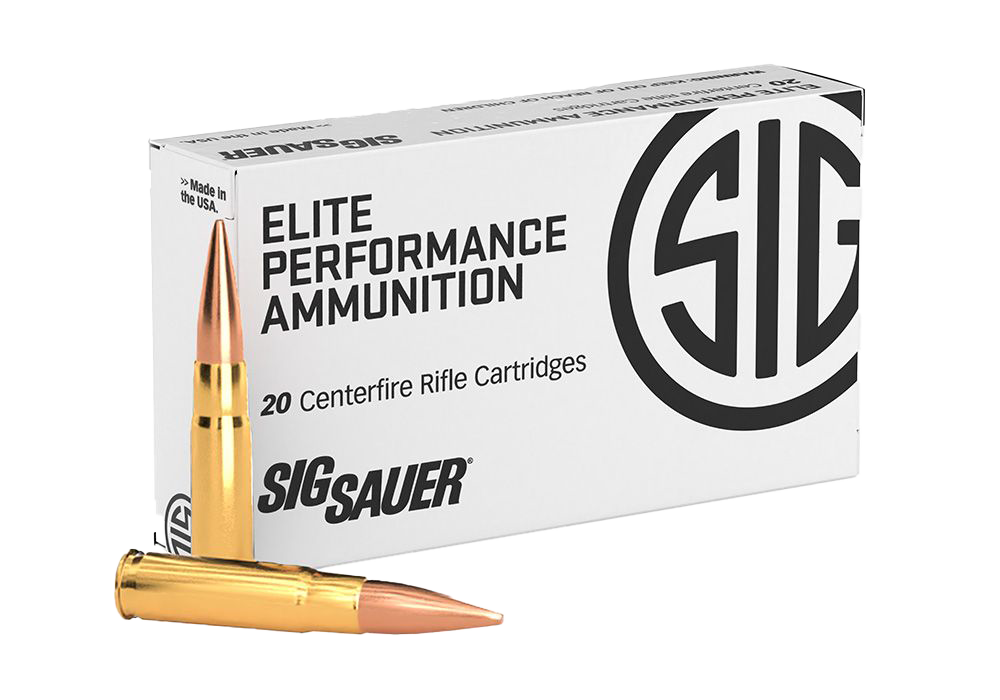
Ammunition, optics, and suppressors each introduce compatibility considerations that are separate from a firearm’s outward appearance. Ammunition must match the firearm’s chambering and the specifications in its manufacturer’s documentation; similar names or dimensions do not establish interchangeability. Within the correct chambering, bullet construction and other manufacturer specifications relate to intended use, including target practice, competition, or lawful hunting. Consistent labeling and orderly storage help keep different ammunition types clearly separated, while a secure, dry storage location helps protect packaging and components. Optics involve a different set of relationships among the shooter, the firearm, and the target. Magnification, reticle design, field of view, eye relief, and overall weight all influence how a sighting system feels in use. Higher magnification is not automatically a better match for every activity, particularly when a broad field of view or a less demanding viewing position matters more. A comfortable sight picture should work with the user’s natural posture rather than require an awkward head position. Mounting compatibility is equally important: the interface, mounting height, and clearances must suit the firearm and optic, with installation following the relevant manufacturer instructions. Lens coatings, housing materials, adjustment controls, and sealing specifications contribute to durability, but optical surfaces still require appropriate cleaning materials and protective care. Suppressors have their own fit, maintenance, and legal requirements. Caliber compatibility, barrel specifications, mounting systems, and the manufacturer’s stated limitations all matter, and qualified professional assistance can help resolve questions before installation or use. A suppressor reduces sound; it does not render a firearm silent or remove the need for appropriate hearing protection. Purchases, possession, transport, and use are subject to applicable laws and approval requirements. For Alabama shoppers, these categories are closely related without being interchangeable: a well-matched setup depends on documented compatibility, realistic expectations, and an understanding of the care each component requires. Clear specifications are more useful than broad claims of toughness or performance when evaluating equipment for a particular sporting purpose.
Supporting accessories often determine how comfortably and consistently shooting equipment fits into a routine. Eye protection should provide appropriate impact protection and work comfortably with hearing protection, prescription eyewear, and the user’s shooting position. Earmuff fit deserves attention because eyewear temples, headwear, or an uneven seal can affect protection. Cases, range bags, and storage accessories serve different roles, from protecting surfaces during transport to keeping essential gear organized and preventing unauthorized access. A padded transport case is not necessarily a substitute for a secure locking storage system. In a household where children, visitors, or other unauthorized people may be present, secure storage is an essential ownership consideration, with firearms and ammunition stored according to applicable requirements and recognized safety practices. Organization matters at the range as well: separate compartments for protective equipment, maintenance supplies, and paperwork can keep small essentials from getting buried beneath heavier gear. Care products should be appropriate for the firearm’s materials and finish, and cleaning should follow the manufacturer’s instructions with the firearm unloaded and ammunition removed from the work area. Too much lubricant, an unsuitable solvent, or an abrasive cloth can create avoidable problems, so a simple, compatible maintenance routine is often more useful than a crowded collection of supplies. For gifts, nonregulated accessories can be a thoughtful option for an adult range enthusiast or lawful hunter, provided the recipient’s preferences and equipment requirements are known. Protective equipment, organized transport, and suitable maintenance supplies emphasize comfort and care without assuming that one firearm configuration fits everyone. Firearm and ammunition gifts require particular attention to eligibility, transfer rules, and other applicable laws. Shoppers comparing regional collections can also explore Top Selling Items in Arkansas, keeping personal fit and intended use central to the comparison. Within any regional selection, lasting usefulness comes from compatible equipment, dependable materials, sensible upkeep, and the confidence that accompanies safe handling and qualified instruction.