A collection of top-selling items in Louisiana brings firearms, ammunition, optics, suppressors, and shooting accessories into focus for shoppers interested in lawful hunting, target shooting, and responsible ownership. These categories serve different purposes, even when they appear together on the same page. Equipment suited to deliberate practice at an established range may have different handling characteristics from equipment carried on a hunting property, while accessories for home storage answer another set of needs entirely. For shoppers in Baton Rouge, Lafayette, Shreveport, New Orleans, and communities throughout the state, the most useful comparison is how well an option fits its intended role. Popularity offers a starting point, but dimensions, weight, compatibility, and ease of maintenance often matter more over years of ownership. Firearm fit includes the relationship between the grip and the hand, the reach to the controls, and the ability to maintain a comfortable, consistent position. With shoulder-fired firearms, stock dimensions and overall balance influence how naturally the sights align without an awkward posture. A lighter configuration may be easier to transport, while additional weight can feel steadier during supported target practice; neither characteristic is automatically better for every owner. Someone attending supervised range sessions may value straightforward controls and a setup that is easy to inspect and maintain. A more experienced target shooter may pay closer attention to consistency, sight visibility, and how existing accessories work together. Hunters also have to consider the requirements of their intended activity and applicable regulations rather than treating all sporting equipment as interchangeable. Familiarity matters, too: equipment that supports repeatable handling and regular practice is often more useful than an elaborate configuration that rarely leaves storage. Across these uses, responsible ownership includes qualified instruction, adherence to range rules, and secure storage that prevents unauthorized access. Those practical considerations give a Louisiana-focused collection its relevance beyond a popularity label, connecting the equipment on the page with the routines and responsibilities of the people who use it.
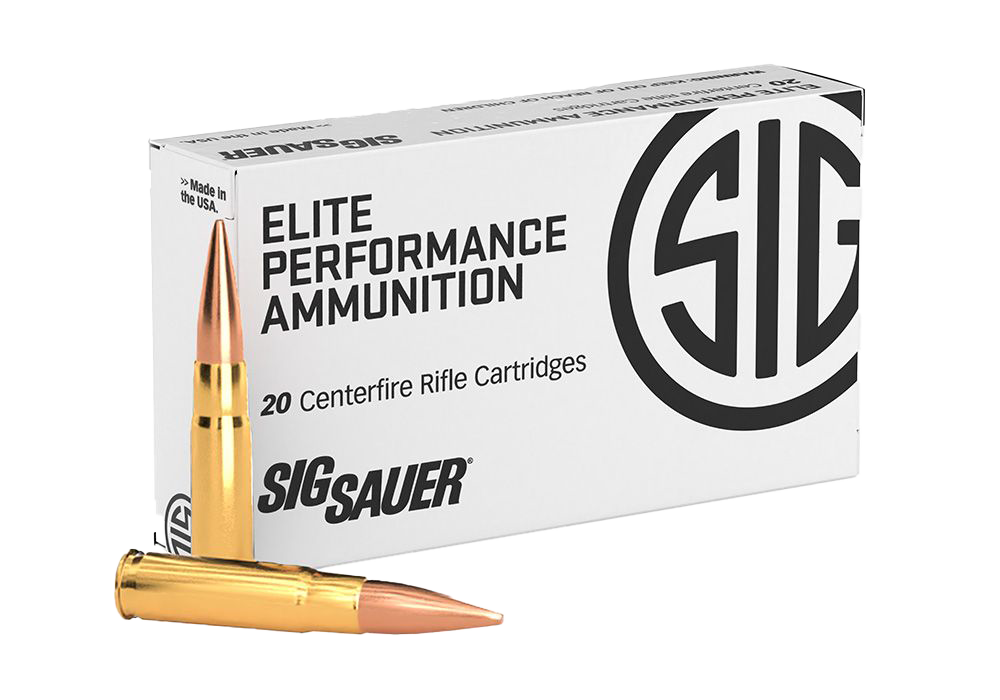
Materials and construction help explain how shooting equipment feels in the hand and how it holds up through regular use. Depending on the category and design, steel can provide strength at high-wear surfaces, aluminum can reduce weight in structural components, and reinforced polymers can offer durable gripping surfaces without unnecessary bulk. The material name alone does not establish quality. Surface treatment, component fit, hardware, and the suitability of the design for its intended purpose all contribute to long-term performance. Smooth edges and accessible controls can improve everyday handling, while textured surfaces may help maintain a consistent grip without feeling excessively abrasive during extended practice. Protective finishes can support resistance to corrosion and wear, but they do not eliminate the need for inspection and appropriate care. After a range visit, residue, fingerprints, and debris deserve attention according to the manufacturer’s maintenance instructions. Cleaners, lubricants, and tools should be compatible with the equipment and its finishes; aggressive treatment can damage surfaces or components rather than preserve them. A dedicated cleaning area also helps keep maintenance supplies organized and separate from ammunition. Storage deserves the same attention as cleaning. Firearms should remain secured against unauthorized access, with ammunition stored separately, and protective cases should support transport without allowing equipment to shift against hard surfaces. Ammunition introduces its own compatibility requirements: the cartridge designation must match the firearm’s markings and manufacturer guidance, and ammunition should be inspected for damage before use. Different ammunition designs serve different lawful sporting purposes, so appearance alone is not a reliable basis for selection. Original packaging helps retain identification and handling information, especially when several cartridge types are stored in the same household. For owners who practice regularly, a consistent routine for checking equipment, organizing supplies, and recording maintenance can be more valuable than adding accessories without a clear need. Durability is not simply a property of the material; it also reflects how thoughtfully equipment is handled, cleaned, transported, and stored between outings.
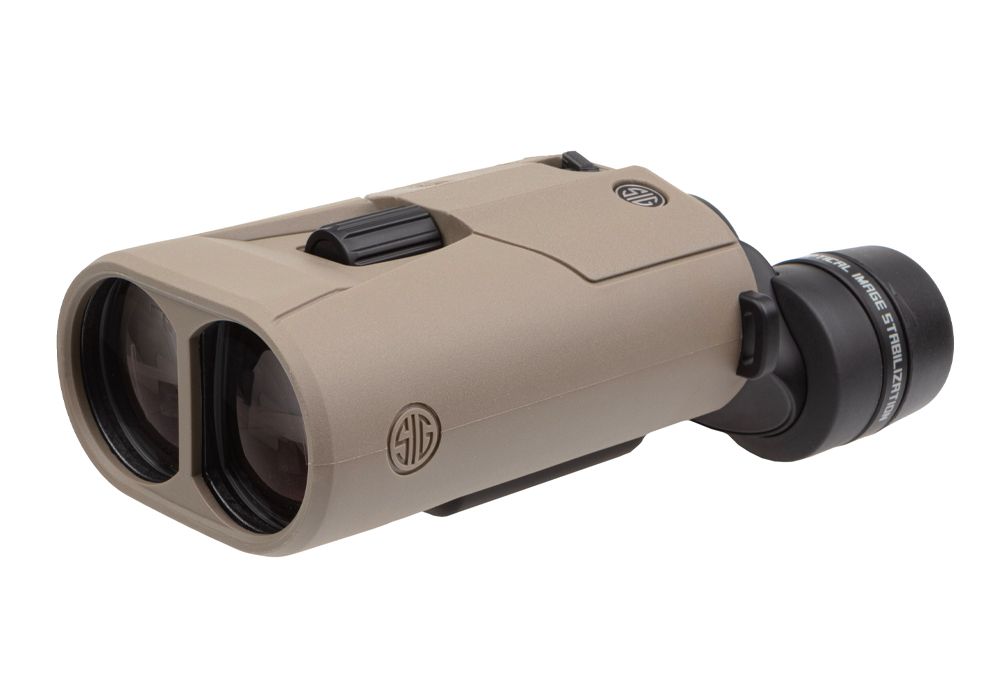
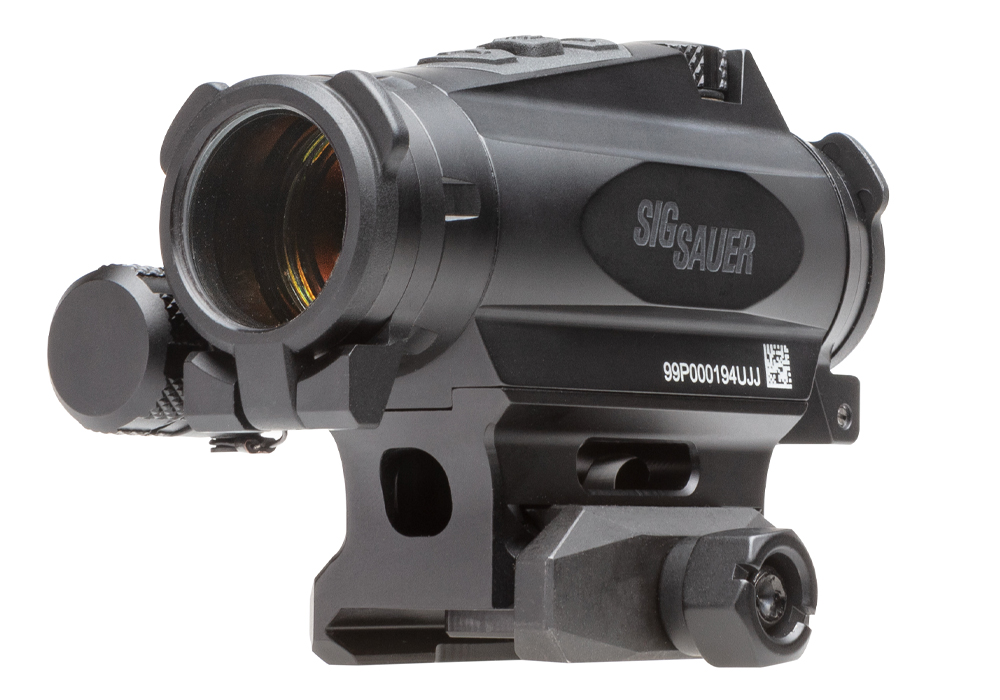
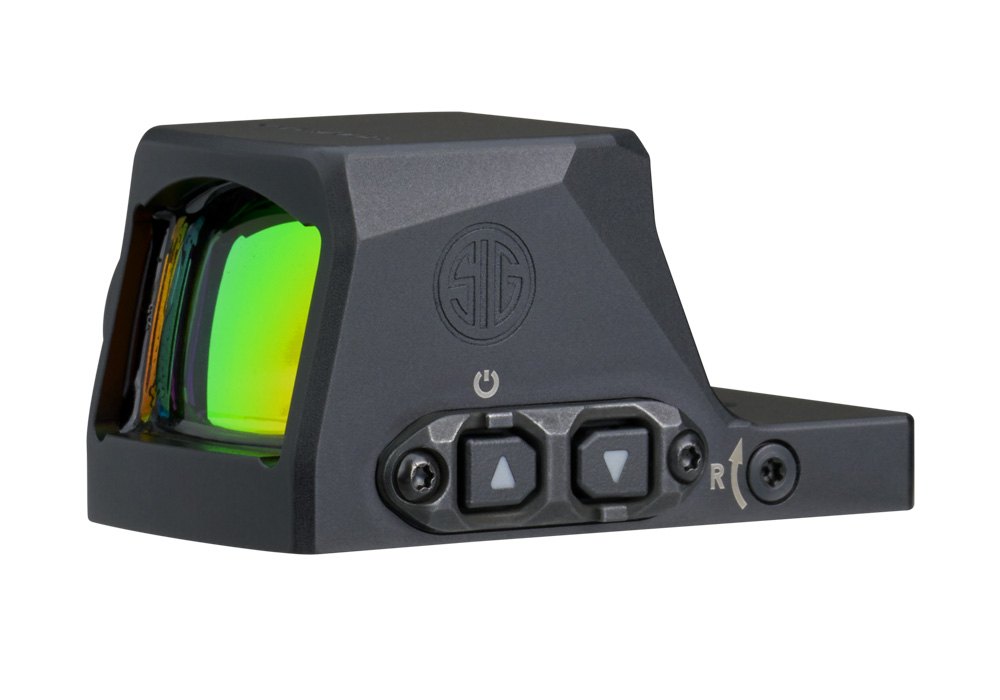
Optics and suppressors add another layer of considerations because their usefulness depends on the equipment around them. An optic should suit the intended shooting activity, with attention to viewing comfort, sight clarity, adjustment controls, mounting compatibility, and overall weight. Magnification can help reveal target detail, but more magnification is not automatically more useful; a comfortable view and a suitable field of view can matter just as much. Eye relief and mounting position also affect whether a shooter can maintain a natural posture. Clear markings and manageable controls are particularly helpful when an optic is shared during supervised practice or used by someone still developing familiarity with the setup. Mounting hardware must be appropriate for the firearm and optic, with installation and maintenance performed according to the relevant manufacturer instructions. Suppressors require similarly careful compatibility checks, along with compliance with applicable federal, state, and local requirements. Their weight, dimensions, attachment system, and maintenance needs can influence the balance and handling of a compatible firearm. They can reduce sound, but they do not eliminate noise or replace appropriate hearing protection. Supporting accessories often provide the finishing details that make a range visit more organized: protective eyewear, hearing protection, secure cases, and suitable maintenance supplies all serve practical roles without changing the firearm’s basic purpose. These categories can also be thoughtful gifts for an eligible adult who already participates in shooting sports, provided fit, compatibility, personal preferences, and any legal requirements are understood. Protective equipment and storage accessories deserve the same care in selection as the primary equipment they support. A properly fitting case or comfortable hearing protection can become part of nearly every outing rather than an accessory left unused. For shoppers comparing regional collections, Top Selling Items In Alabama offers a neighboring-state selection to explore. Whether browsing across state-focused pages or concentrating on Louisiana, the enduring considerations remain intended use, dependable construction, correct fit, manageable care, and a commitment to safe, lawful ownership.