Flash Hiders for New Rifle Builds
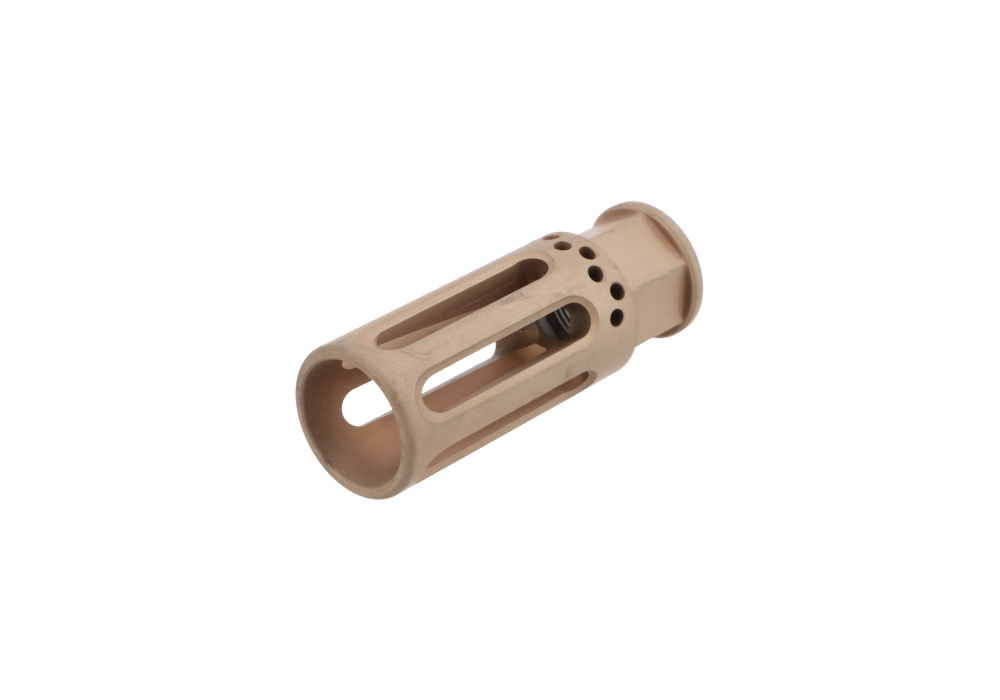
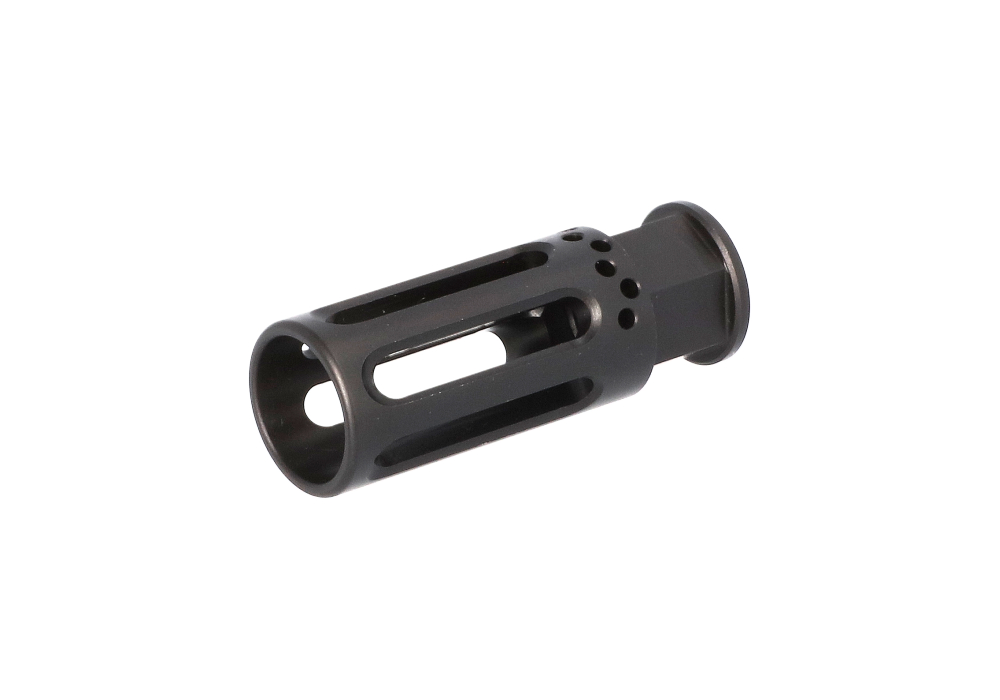
Flash hiders for new rifle builds help manage the bright burst of muzzle flash that can appear when a rifle is fired in low-light conditions. A well-matched flash hider disperses burning propellant gases as they leave the muzzle, reducing the visible signature that can momentarily affect the shooter’s dark adaptation and sight picture. This can be especially useful for rifles used during evening range sessions, in dimly lit training environments, or during lawful defensive applications where maintaining visual awareness matters. Flash hiders are also a practical choice for shooters who want effective muzzle-flash reduction without the pronounced side blast commonly associated with many muzzle brakes. While a standard flash hider is not intended to provide the same recoil reduction as a brake, it generally offers a more comfortable experience for nearby shooters and can be a considerate option for shared ranges, hunting camps, and organized training days. When selecting flash hiders for a new rifle build, begin with the rifle’s caliber, muzzle-thread pattern, barrel diameter, and intended use. The device must be rated for the cartridge being fired, and its thread specification must match the barrel precisely; a correct fit is essential for reliable performance and safe operation. Barrel profile also matters, particularly on builds with tapered or nonstandard muzzle dimensions, because the shoulder and contact surfaces need to support proper alignment. Open-prong designs are often selected for their ability to break up flash effectively, while enclosed or solid-bottom designs may appeal to shooters who prefer a more compact profile and less opportunity for the device to catch on brush, gear, or a sling. A solid bottom can also help limit dust and debris kicked up when shooting from a low or supported position. Some open-prong designs can produce a light ringing sound after a shot, while closed designs tend to offer a quieter mechanical profile; the right choice depends on the rifle’s role, the surrounding environment, and the shooter’s preferences.
For many new builds, the most important decision is whether the rifle may eventually be used with a suppressor. A dedicated flash hider can be a straightforward muzzle device, but a suppressor-compatible flash hider may also serve as the attachment point for a quick-attach system. Choosing that path during the initial build can avoid replacing the muzzle device later and can help keep the rifle’s configuration consistent as accessories are added. Compatibility should be confirmed across the full system, including the suppressor mounting method, thread pattern, caliber rating, barrel length requirements, and manufacturer specifications. It is also worth considering the amount of carbon exposure expected over time, since deposits around a mounting interface can affect removal and installation if the system is not maintained according to its instructions. Flash hiders are commonly chosen by hunters, recreational shooters, competitive participants, professionals, and rifle builders assembling a dependable platform for home protection or general preparedness. They can also make a thoughtful gift for a responsible firearm owner who is beginning a new build, refining an existing rifle, or preparing for low-light practice during the cooler months. For a rifle intended for defensive use, browse related options in Flash Hiders for Home Defense Rifles. Before installation, verify that the device is appropriate for the firearm and ammunition, inspect the muzzle threads and shoulder for damage, and follow the specified installation and torque procedures. Proper timing may be needed for certain designs, and alignment is especially important when a suppressor will be attached; a qualified gunsmith can help confirm concentricity and ensure the finished setup is ready for use. With the right fit and a clear understanding of the rifle’s purpose, flash hiders for new rifle builds offer a practical way to reduce visible flash, preserve the shooter’s view in darker conditions, and complete a clean, functional muzzle configuration.