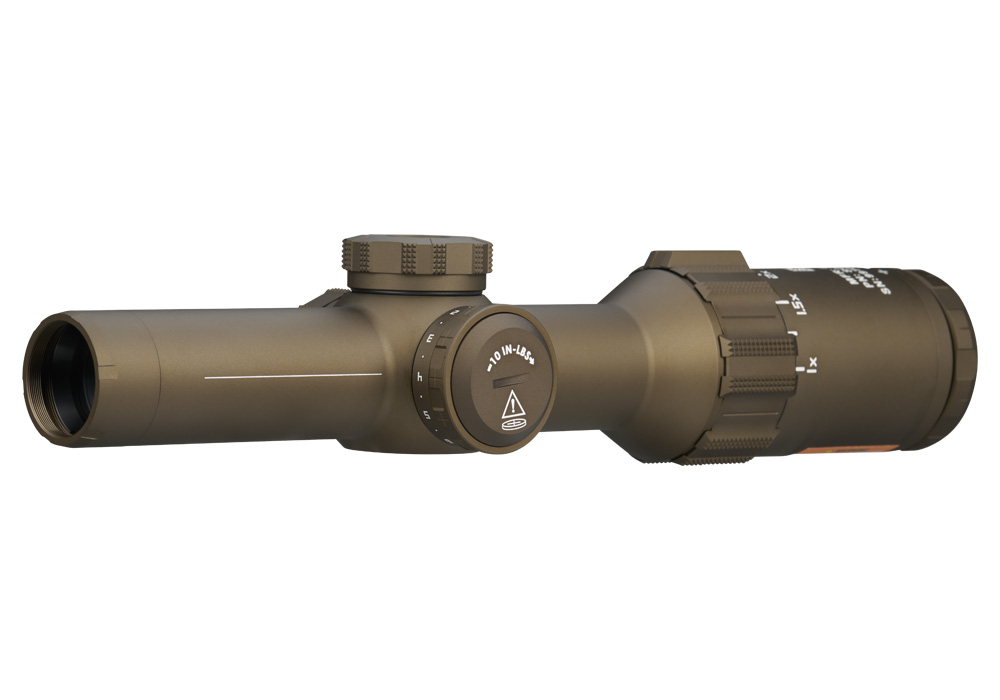
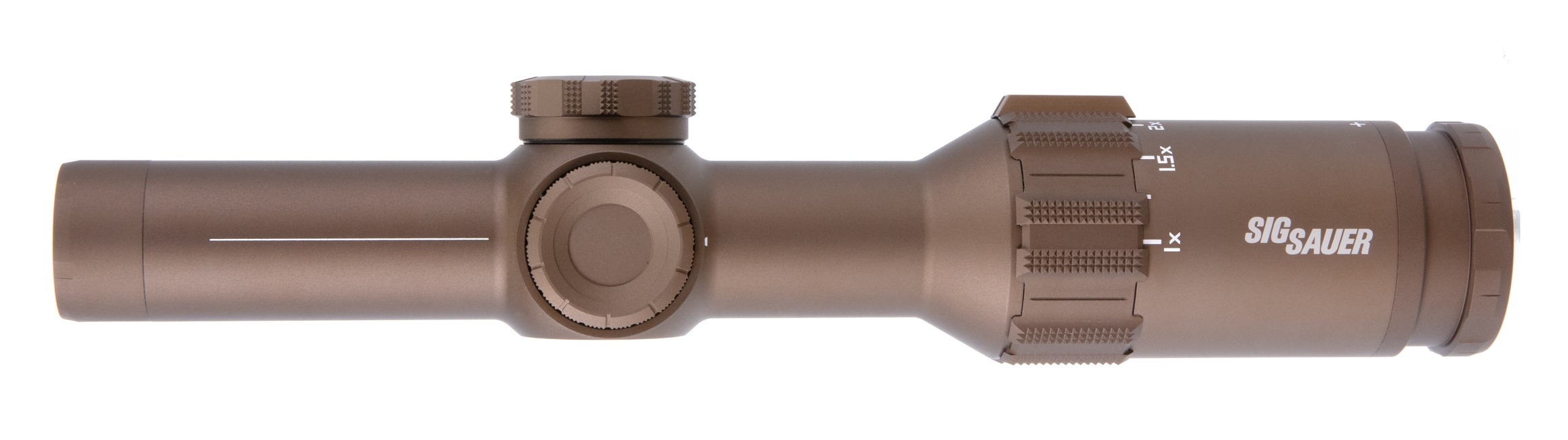
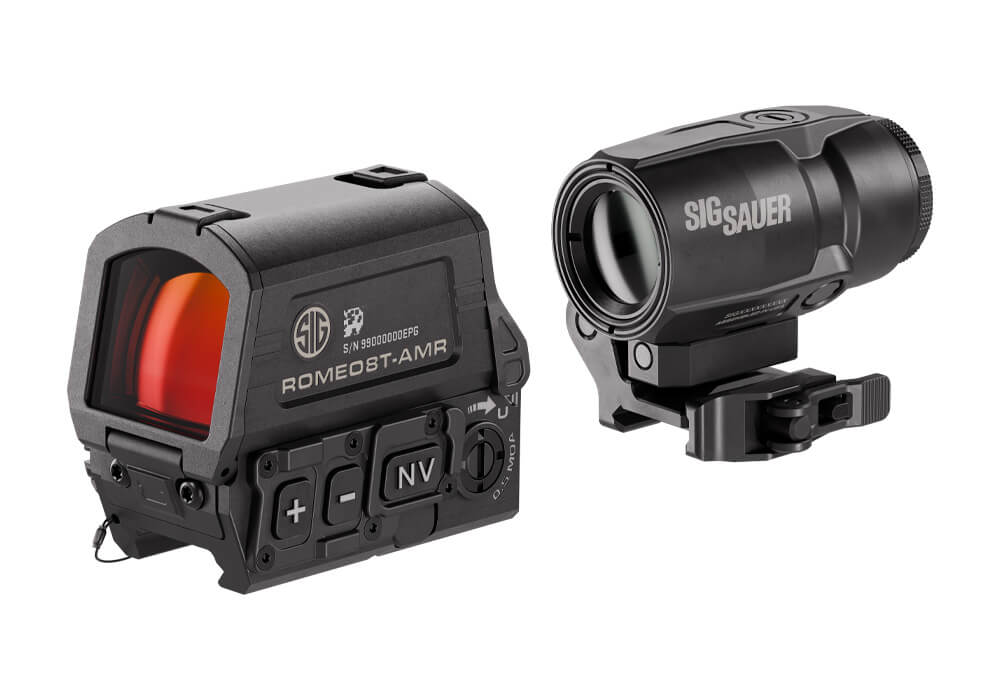
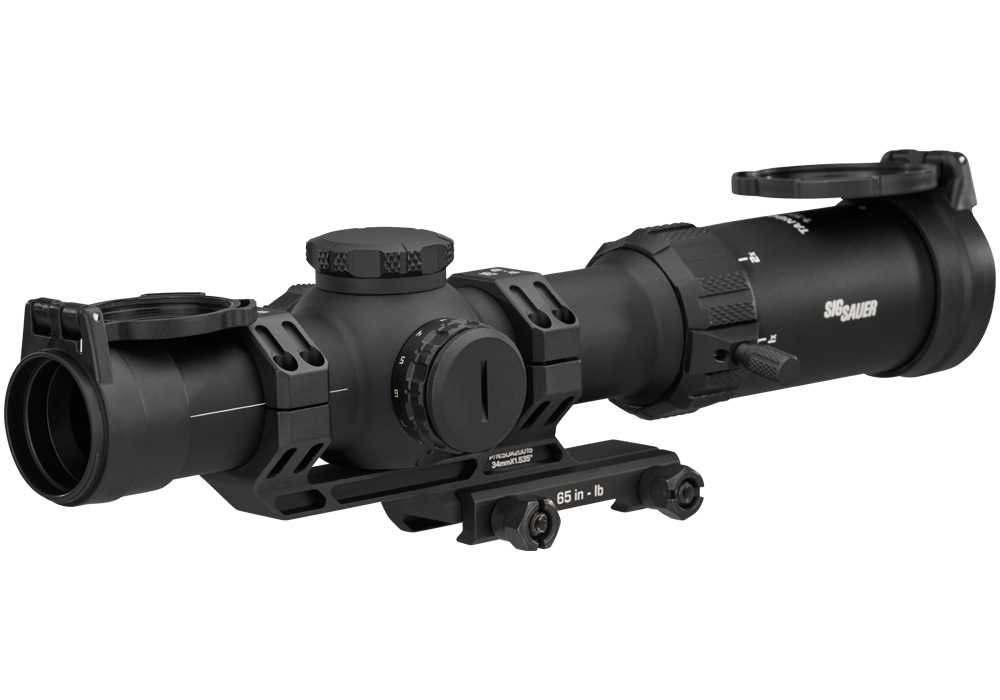
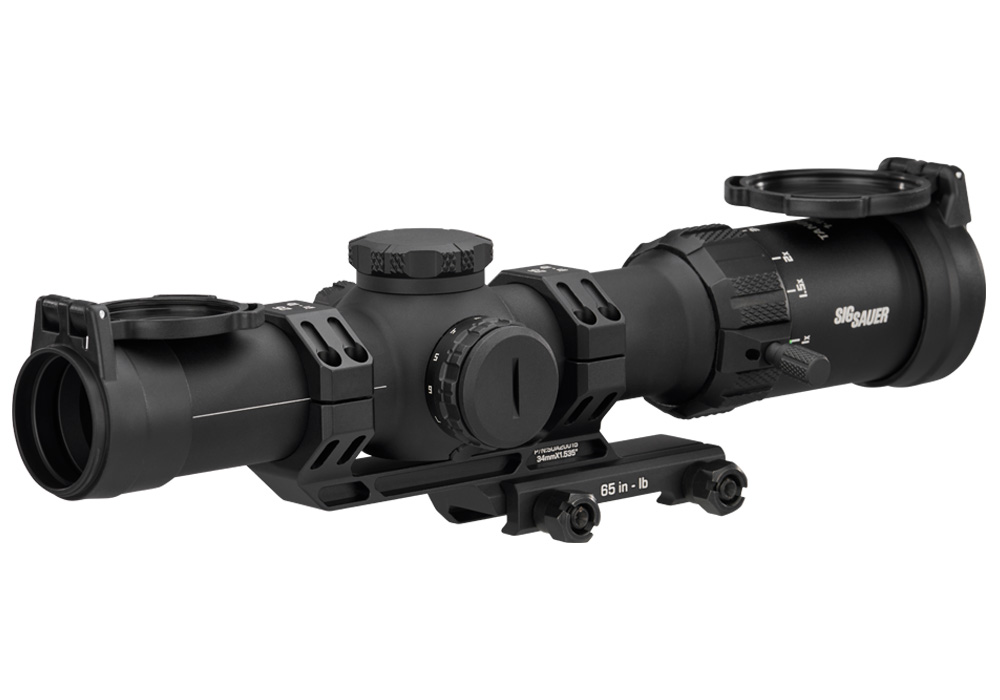
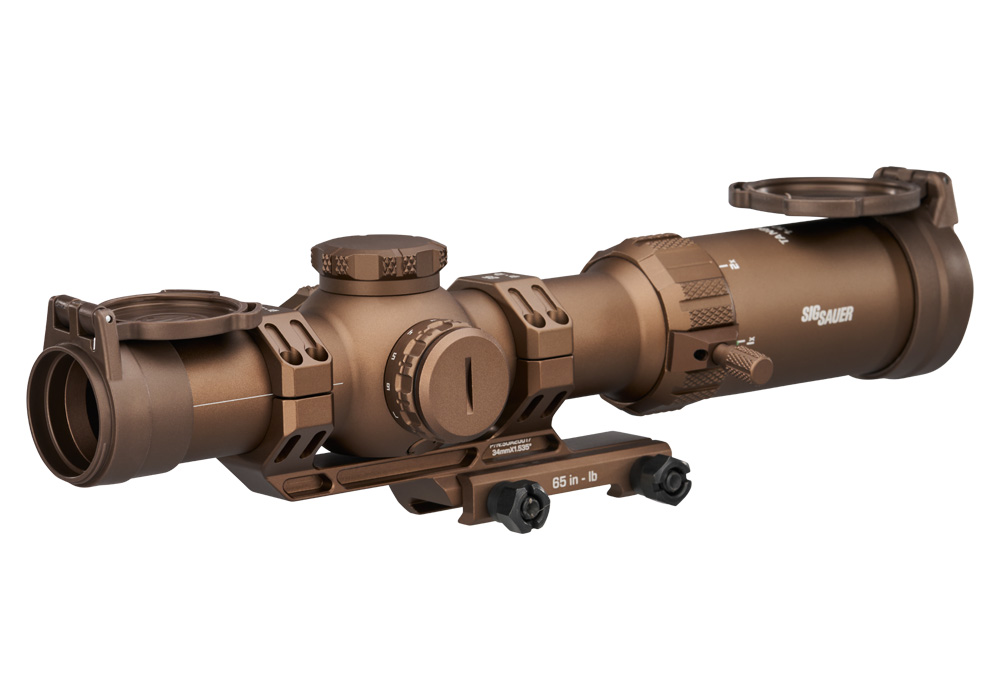
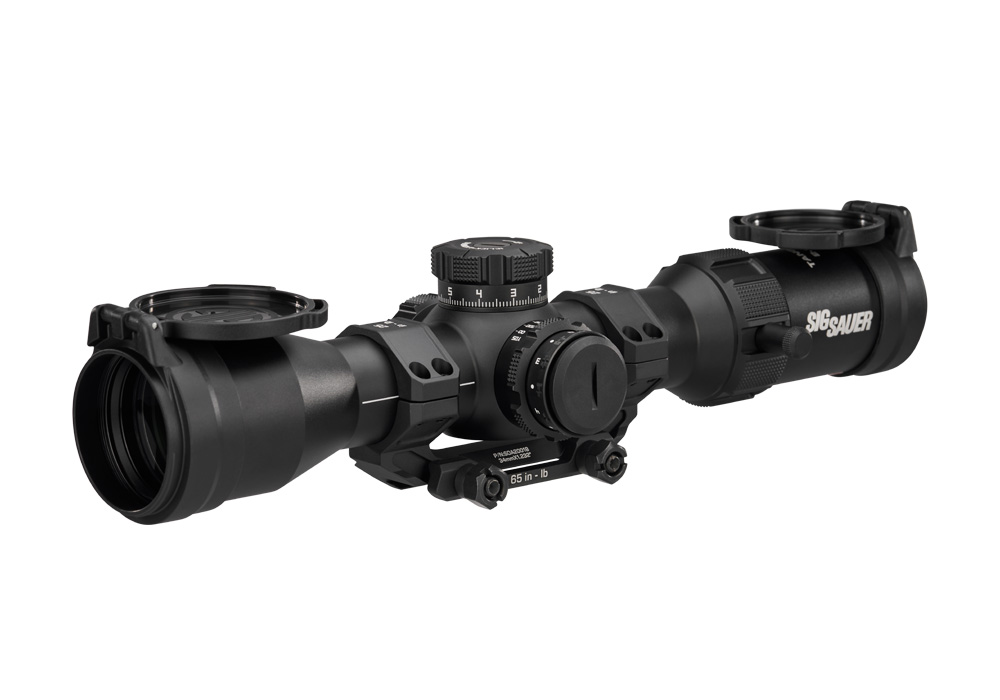
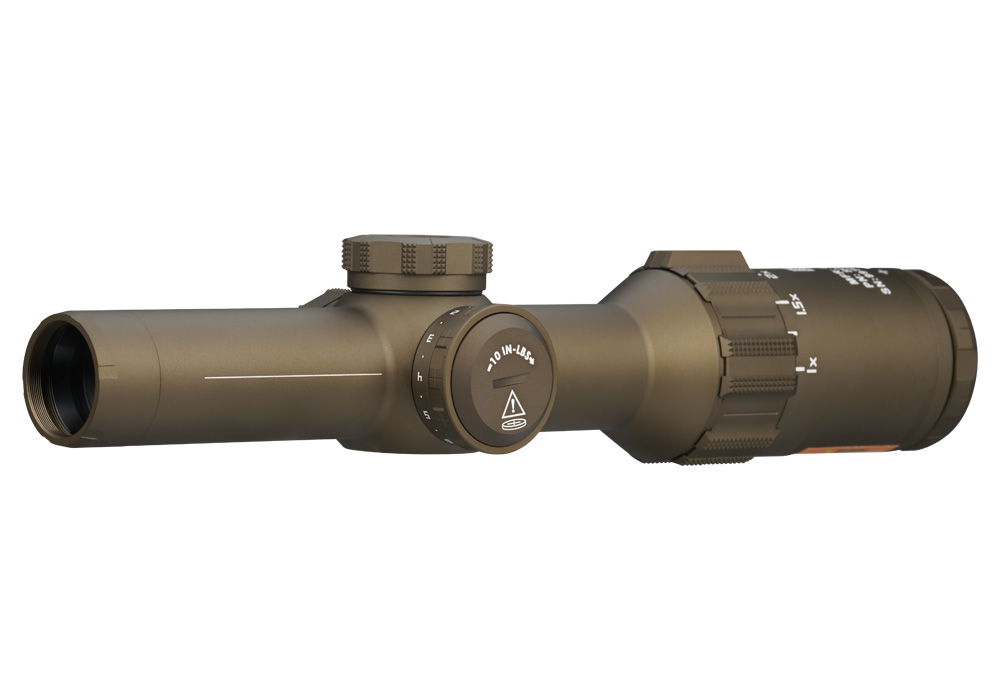
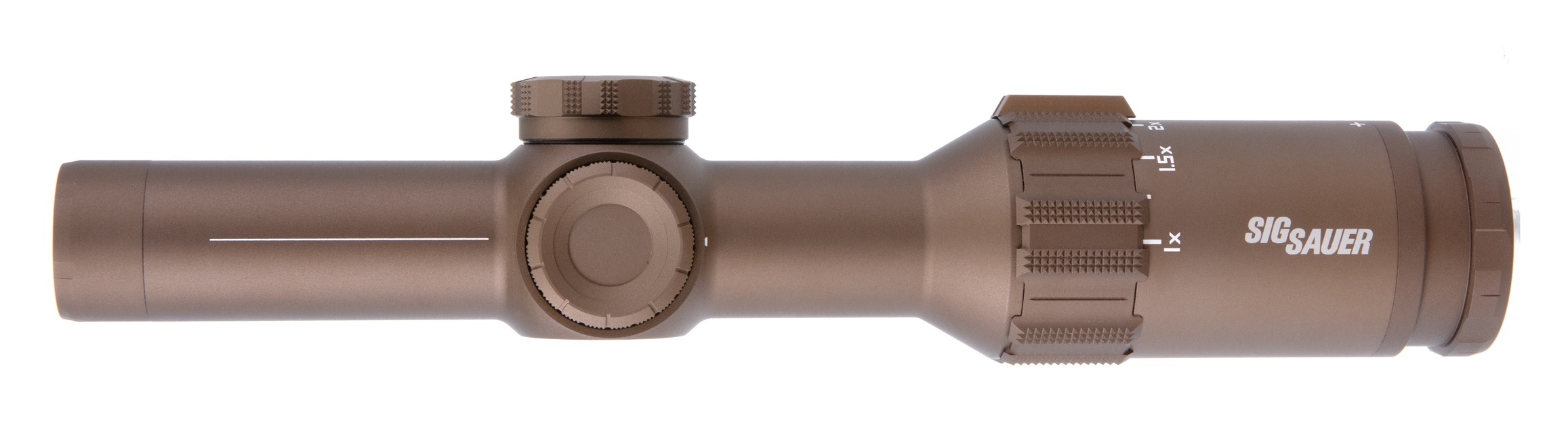
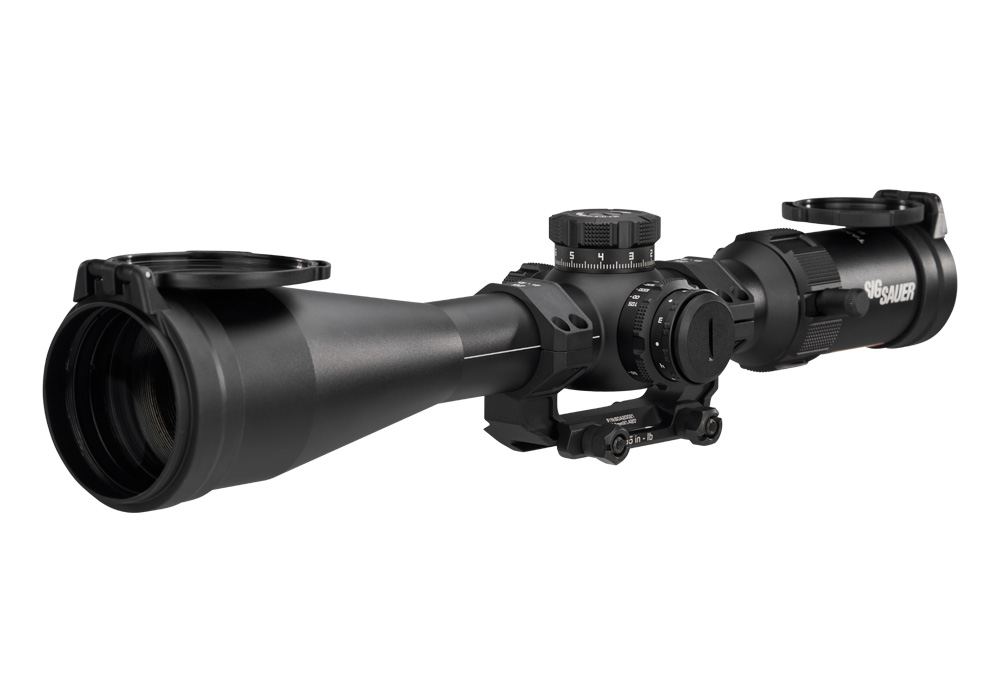
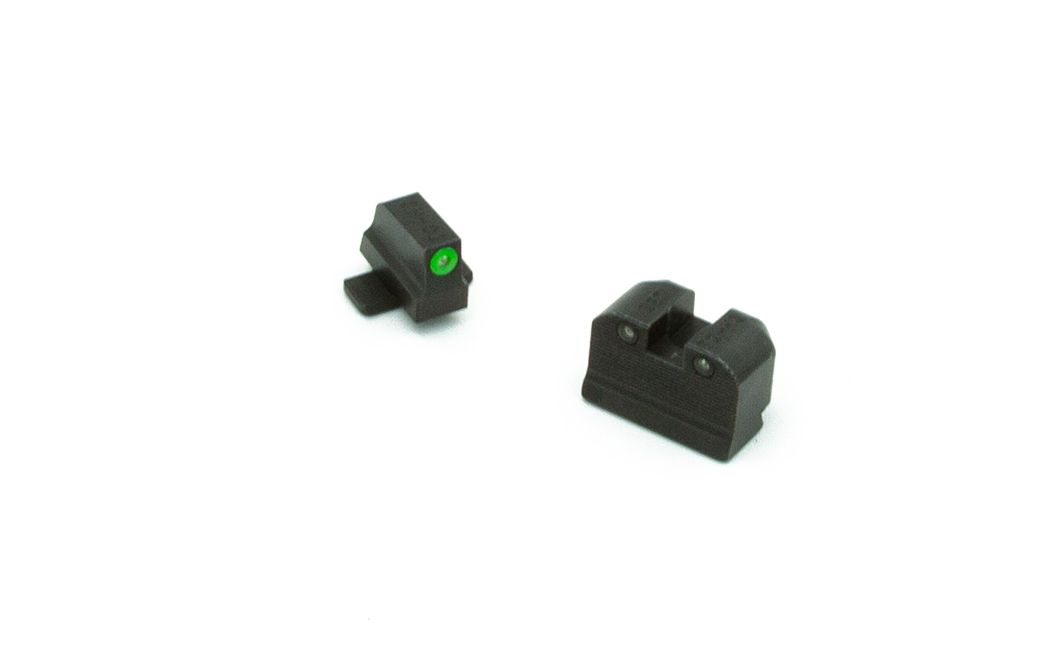
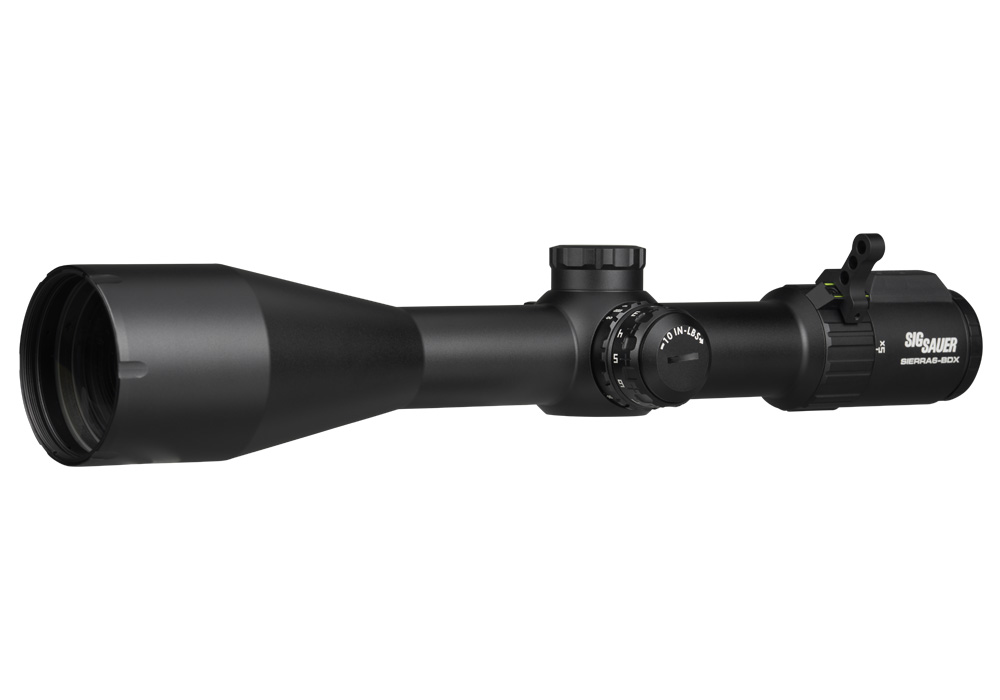
Focal plane reticles are designed to keep the relationship between the aiming marks and the target consistent as magnification changes. In a first focal plane (FFP) scope, the reticle is positioned in front of the magnification lenses, so it appears to grow as magnification increases and shrink as magnification decreases. That movement is intentional: the reticle and target remain proportionate throughout the scope’s magnification range, allowing hash marks, dots, grids, and other subtensions to maintain their intended measurement at every power setting. For a shooter working between close and distant targets, this can make holdovers and wind corrections more intuitive. A mark representing a specific angular measurement remains that measurement whether the scope is set near its lowest power for a broad field of view or turned up for a more detailed sight picture. Focal plane reticles are often selected for precision rifle shooting, practical competition, varmint control, tactical-style training, and hunting in terrain where distances can change quickly. They can be especially useful when there is little time to adjust turrets or calculate a new aiming point. A hunter moving through open timber might begin with the scope at a lower setting to monitor the surroundings, then increase magnification after spotting an animal across a clearing. With an FFP reticle, the same holdover references remain available without requiring the shooter to remember a single “correct” magnification setting. The reticle may look fine and less prominent at low power, then become more visible as magnification rises, so illumination, reticle design, and low-light performance are important considerations when comparing options. Clear glass, generous eye relief, a forgiving eye box, and controls that are easy to operate with gloved hands can matter just as much as the focal plane itself, particularly during the cooler months when changing light and layered clothing can affect a comfortable shooting position.
When evaluating focal plane reticle scopes, start with the kind of shooting you expect to do and the distances most likely to occur. A wide magnification range can provide flexibility, but additional power may bring more weight, a larger objective, or a narrower field of view at the upper end. For fast-moving situations or hunting in dense cover, a lower-power setting and an uncluttered reticle can help the shooter find the target quickly. For deliberate target work at longer distances, a detailed grid or graduated reticle may offer more useful references for elevation, wind, and moving-target leads. Reticle illumination can improve visibility against a dark background or in fading daylight, but it does not replace a properly illuminated target or a well-focused optic. Parallax adjustment is another consideration for precision shooting, as an appropriate setting can help reduce apparent reticle movement when the shooter’s eye is not perfectly centered behind the scope. Turret design should also match the intended method of making corrections. Some shooters prefer dialing elevation and windage, while others rely on reticle holdovers to keep their hands on the rifle and their attention on the target. FFP designs support either approach because their subtensions remain consistent across magnification settings. By contrast, a second focal plane reticle stays the same apparent size as magnification changes, which can make it bold and easy to see at lower power, but its hash marks and holdover references are accurate only at the manufacturer’s designated magnification, often the highest setting. Neither arrangement replaces careful zeroing and practice; the scope should be mounted correctly, confirmed at the intended zero distance, and tested at the magnification settings and environmental conditions most likely to be encountered. Shooters may also appreciate the convenience of Digital Focal Plane Scopes when exploring modern sighting systems that combine electronic aiming features with a focal plane presentation.
Focal plane reticles can be a thoughtful choice for experienced shooters and for someone building a versatile rifle setup for the first time. They are also a practical gift consideration for a hunter preparing for varied terrain, a target shooter refining a dope card, or a range enthusiast who wants one optic to support multiple distances. Before purchasing, confirm that the scope’s tube diameter, mounting height, adjustment range, and objective clearance suit the rifle and rings or mount being used. Consider the rifle’s recoil, the amount of time spent carrying it, and whether the optic will be used in bright open country, shaded woodland, a covered range, or a mix of environments. A reticle that looks impressively detailed in a product image may feel busy when viewed against branches or grass, while a simpler pattern may be faster to read under pressure. Look for intuitive magnification and illumination controls, reliable zero retention, durable construction, and a reticle scale that matches the ammunition, barrel, and ballistic expectations of the setup. Familiarity is part of performance: spend time from a stable bench and from practical field positions, learning how the reticle appears at low, medium, and high power. Practice locating each holdover mark, estimating wind corrections, and returning to a consistent cheek weld until the process feels natural. During early fall hunts, changing foliage and uneven light can make a well-defined reticle valuable; as the weather turns colder, a scope with dependable controls and a forgiving eye box can be easier to manage while wearing heavier layers. Focal plane reticles reward that preparation by keeping their aiming references useful throughout the magnification range, giving shooters a consistent visual language for deliberate shots, changing distances, and the varied conditions encountered on the range or in the field.