Digital focal plane scopes bring a modern approach to aiming by combining a digital sensor, an internal display, and an electronically generated reticle in one sighting system. Unlike traditional optics that use a physical reticle positioned in either the first or second focal plane, a digital scope projects the image and aiming reference onto a screen inside the optic. The reticle can be displayed over the target image, adjusted for brightness and color, and configured with useful aiming points for different distances. Because the reticle is digitally generated, its relationship to the displayed image can remain consistent as magnification changes, helping holdovers stay accurate throughout the available zoom range. The reticle and target image share the same digital display plane, so shifting your eye behind the optic does not create the same apparent movement between crosshairs and target that can occur with a conventional glass reticle. Digital focal plane scopes may also offer features such as multiple reticle styles, illuminated aiming points, image enhancement, video recording, wireless connectivity, and selectable viewing modes. Depending on the design, a single optic may support clear daytime observation, low-light viewing, or night vision through an infrared illuminator and compatible sensor. These capabilities make digital optics useful for hunters, recreational shooters, property owners, and anyone who wants a flexible sighting system that can adapt as lighting and distance change. During the cooler months, when daylight fades earlier and field conditions can shift quickly, the ability to adjust display brightness, contrast, and viewing mode can be especially practical. A digital scope can help turn a dim tree line, brushy field edge, or shaded target area into a more defined image while preserving a familiar rifle-mounted format. Even with advanced electronics, fundamentals still matter: a stable mount, a properly zeroed rifle, a clear field of view, and careful confirmation of the reticle at the intended distance remain essential.
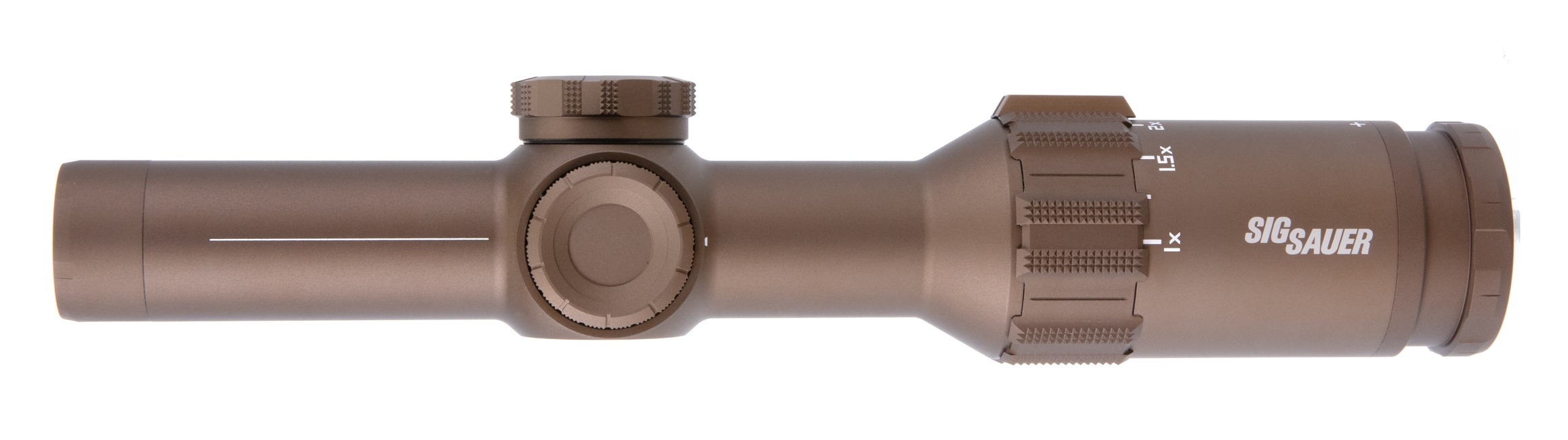
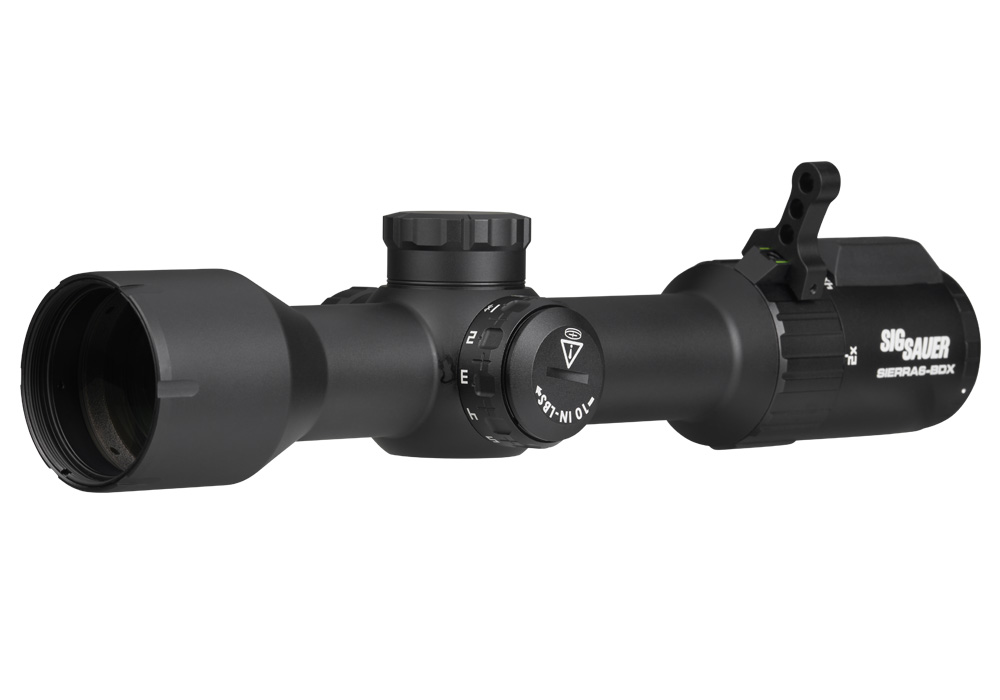
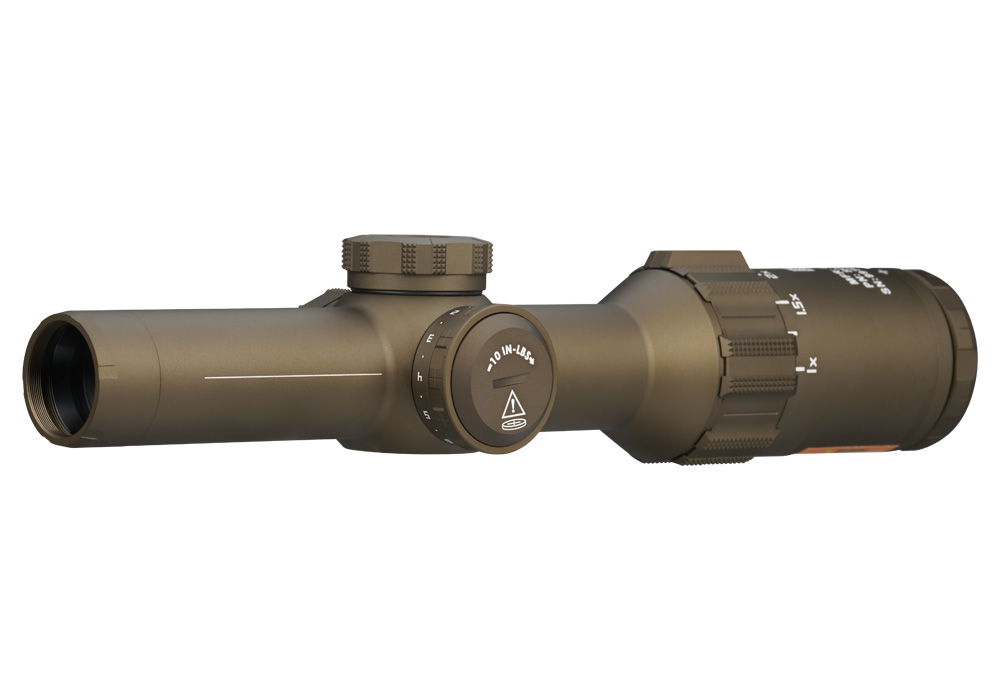
Choosing among digital focal plane scopes begins with identifying how the optic will be used. Daytime-focused models are well suited to range sessions, varmint control, and hunting in full or changing daylight, while night-capable designs are intended for observation and aiming in very low-light conditions when used in accordance with applicable laws and regulations. Thermal-capable systems detect heat rather than relying on visible light, making them valuable for spotting warm objects against cooler backgrounds, but they present a different image and require time to learn. Some digital scopes include an integrated laser rangefinder, allowing the shooter to obtain a more precise distance reading without carrying a separate device. Others offer ballistic calculators that can use distance, ammunition data, environmental inputs, and the rifle’s zero to recommend an aiming correction. These tools can be convenient, but they should be treated as aids rather than substitutes for disciplined verification. Confirm the scope’s calculations at known distances, enter the correct projectile and sight-height information, and understand whether the displayed solution is a holdover point, an elevation adjustment, or another form of correction. Resolution, sensor quality, refresh rate, magnification range, field of view, and display clarity all affect how naturally the optic performs. Higher magnification can make a distant target easier to inspect, but a wider field of view may be more useful for locating moving game or tracking activity through dense cover. Battery life deserves close attention, particularly for extended outings away from a vehicle or charger. Review whether the optic uses replaceable or rechargeable batteries, how quickly it starts, and whether recording, rangefinding, wireless functions, or infrared illumination reduce operating time. Durability, weather resistance, mounting dimensions, control placement, and overall weight also influence the experience. A scope that looks impressive on paper still needs to balance comfortably on the rifle and remain easy to operate with gloved hands or in poor weather. For shooters who prefer the straightforward feel of a conventional optic, comparing digital designs with FDE Second Focal Plane Scopes can provide useful perspective on reticle behavior, controls, and sight picture.
Digital focal plane scopes can be a thoughtful choice for a hunter preparing for changing light, a recreational shooter who enjoys testing new technology, or a landowner who needs to monitor activity around a large property while maintaining a clear record of observations. They can also make an appealing gift for an experienced marksman who already has a dependable rifle and is interested in adding modern imaging or data-assisted aiming to a familiar setup. For a new owner, however, the most feature-rich optic is not always the best starting point. A simpler interface with clear controls, dependable day mode, and an easy zeroing process may build confidence faster than a system filled with settings that rarely get used. Before purchasing, consider the rifle’s intended role, the cartridge’s practical range, the expected lighting conditions, and whether the optic will be carried long distances or used mostly from a fixed position. Check ring height and mounting compatibility, confirm that the rifle and optic can be balanced together, and allow time for setup before heading into the field. A useful routine is to mount the scope carefully, establish a close confirmation zero, refine the zero at the chosen distance, and then test the digital reticle or ballistic features at several ranges. Practice switching between viewing modes, adjusting focus, changing reticle color, and managing brightness before those controls become important. One early-fall range session can reveal details that are easy to overlook at a workbench: whether the display blooms against a bright sky, whether the controls are reachable without losing your cheek weld, or whether the battery remains dependable through a long period of observation. As conditions become colder and daylight grows shorter, keeping spare batteries protected from the elements and carrying a lens cloth can make a noticeable difference. Digital focal plane scopes reward preparation, and their greatest advantage is adaptability—the ability to present a useful aiming reference and a detailed view across changing magnification, distance, and light. When selected to match the rifle, the shooter, and the intended application, they can provide a practical blend of precision, information, and modern convenience.