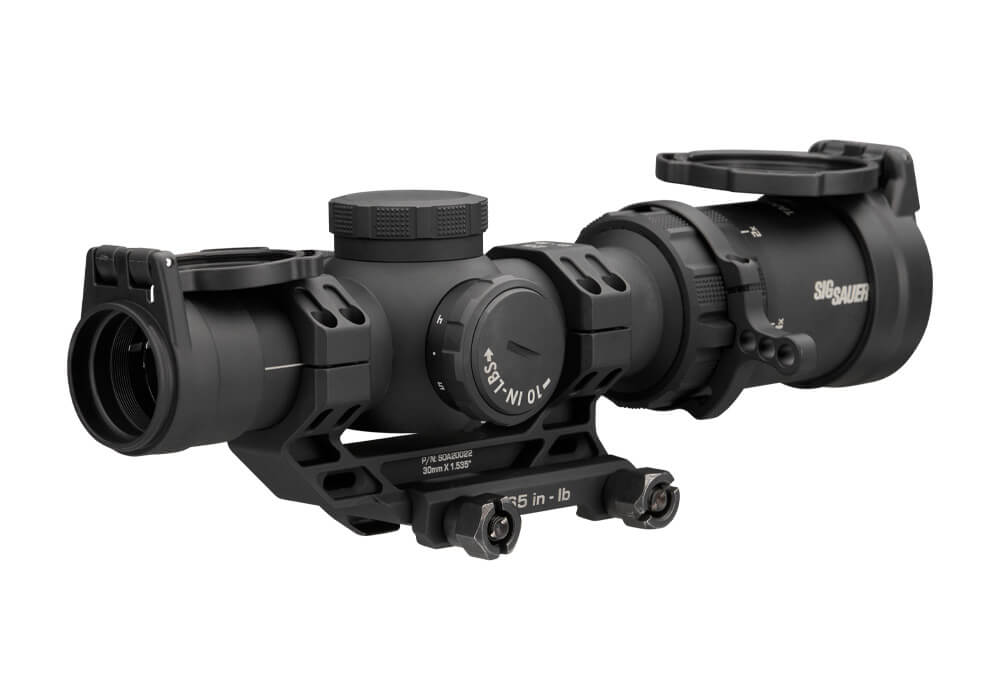
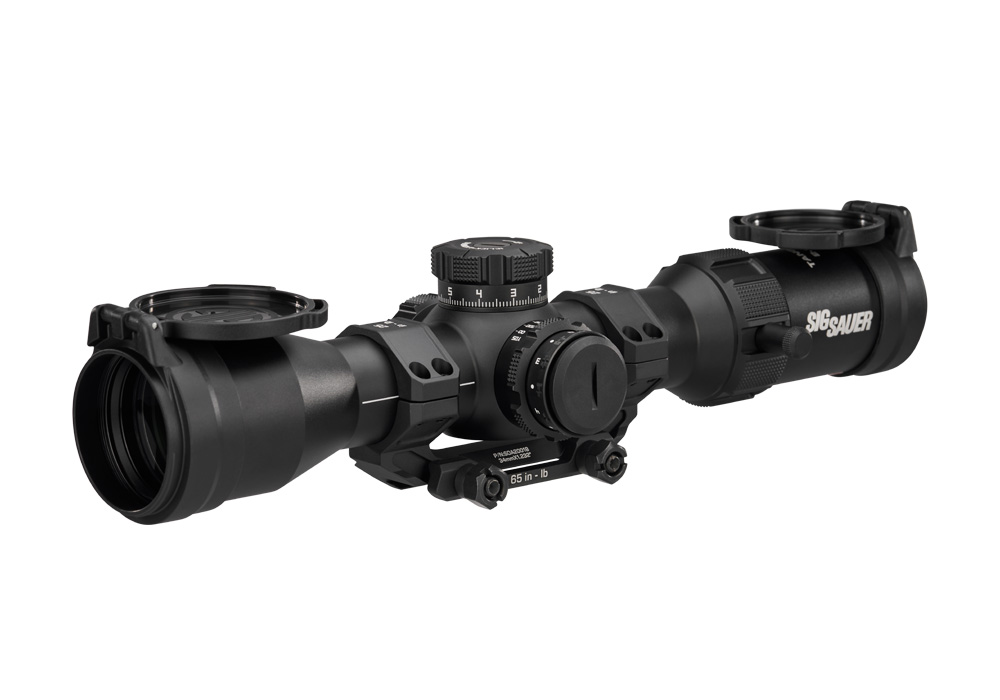
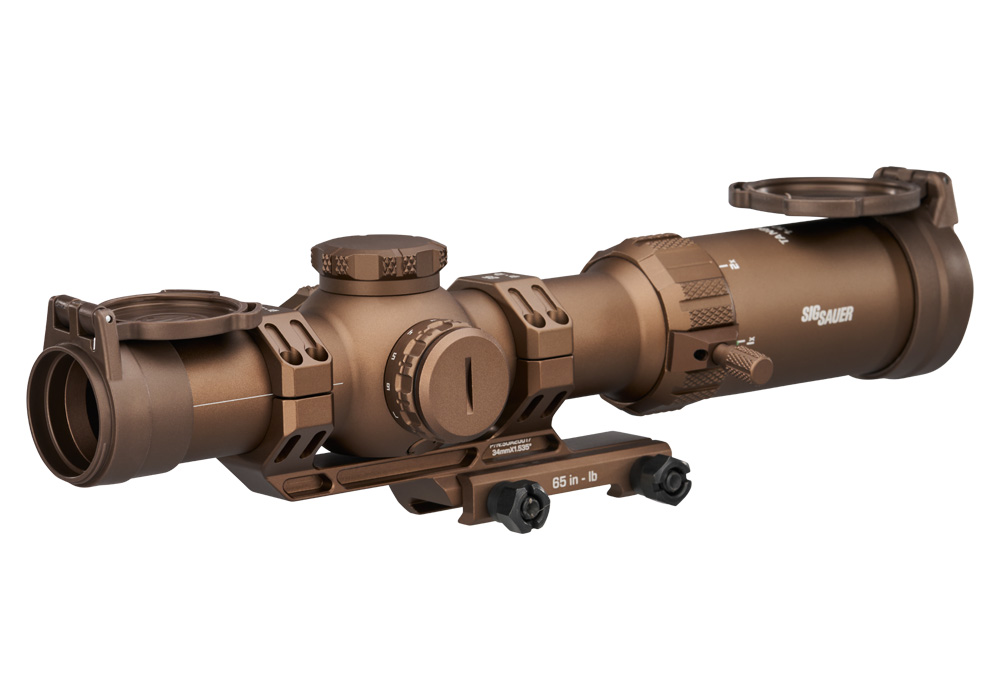
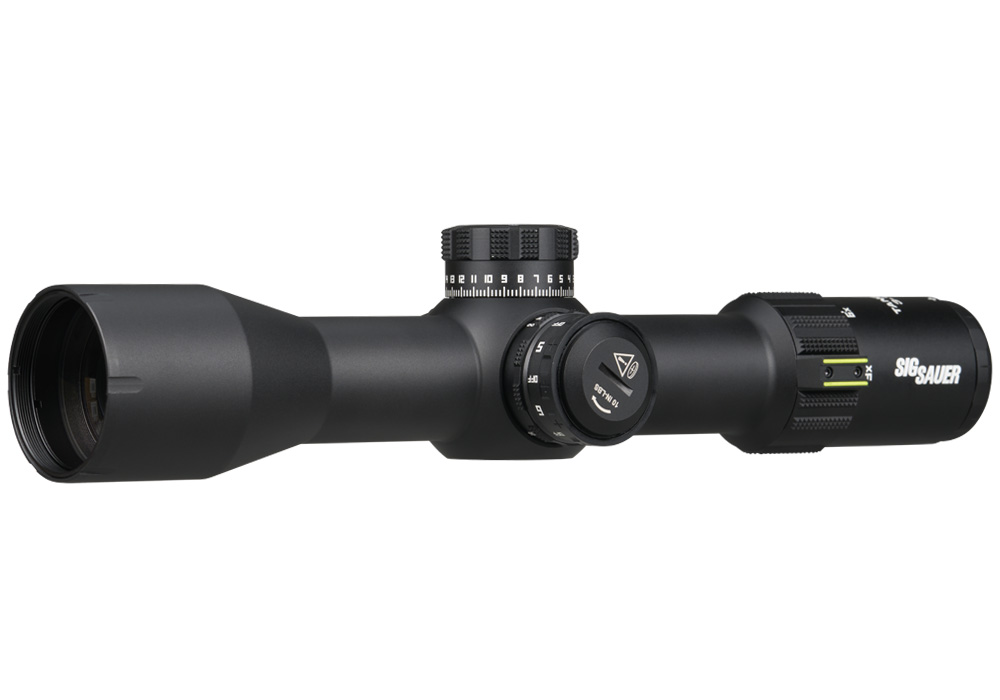
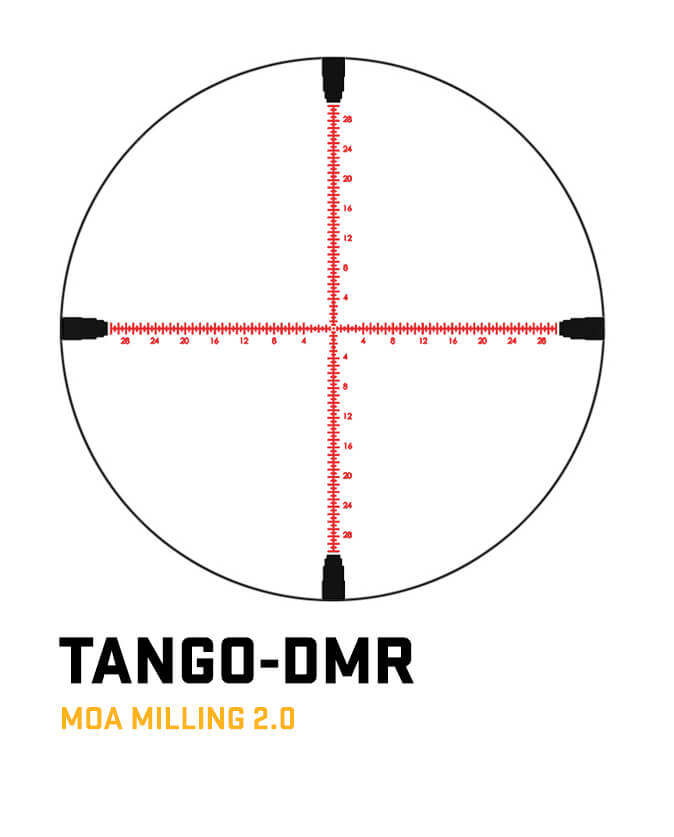
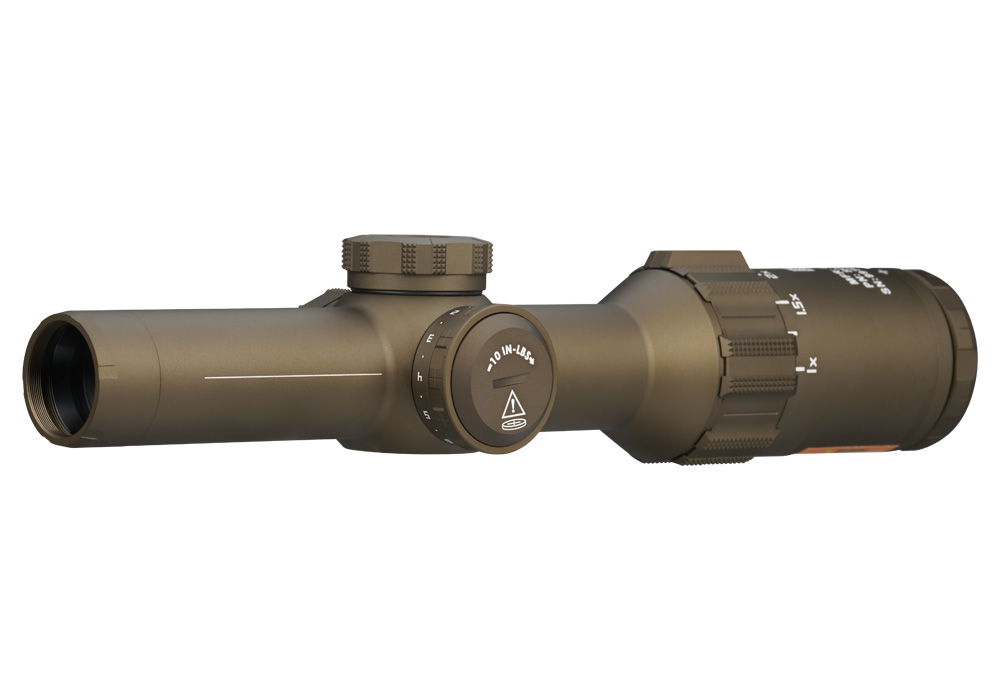
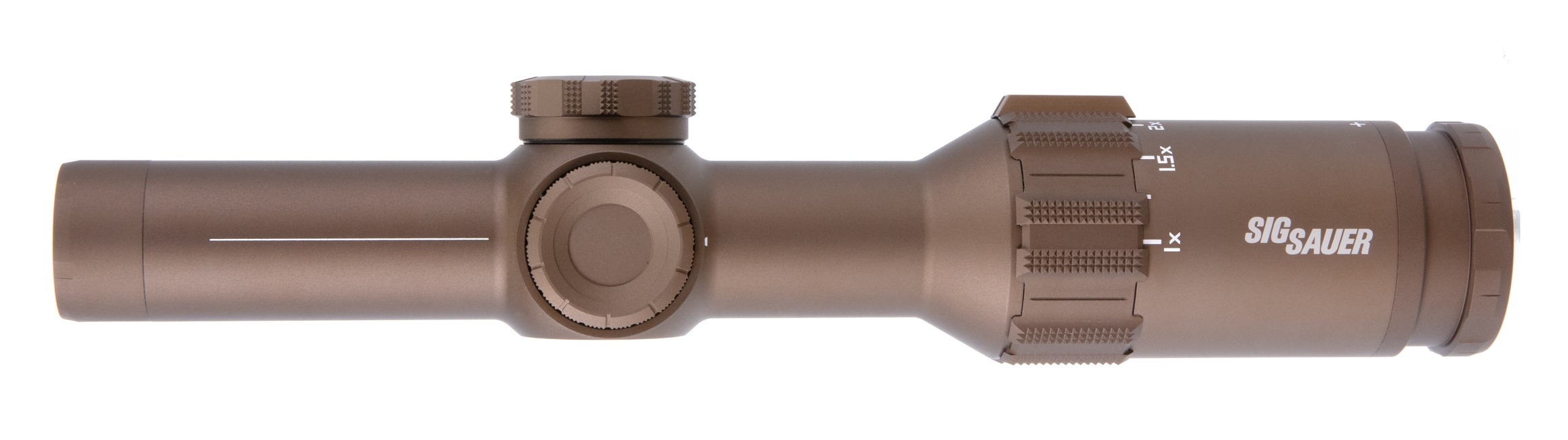
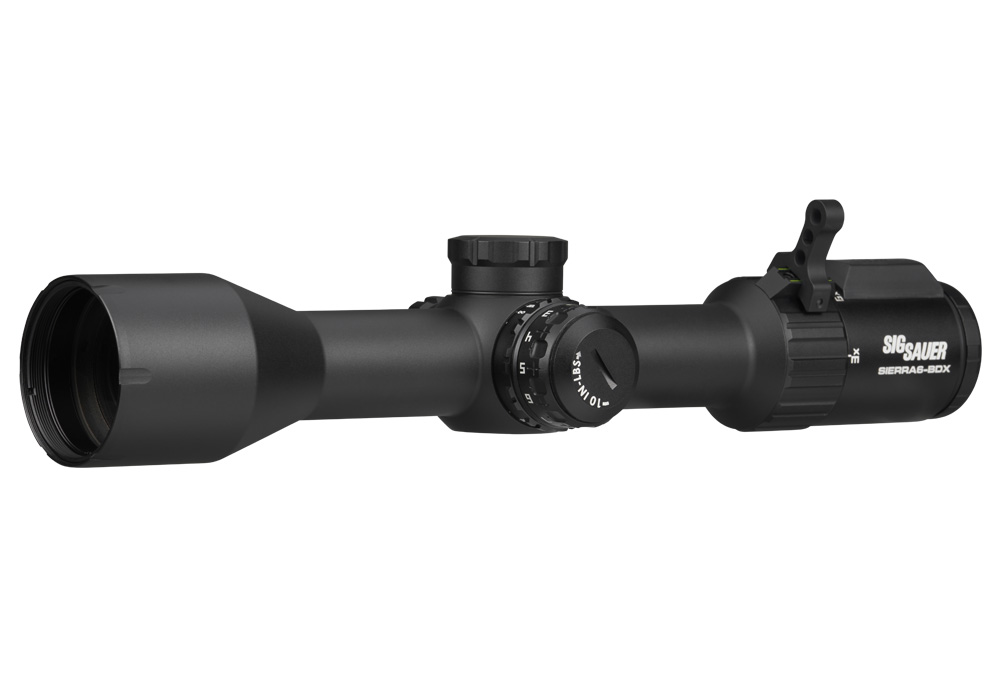
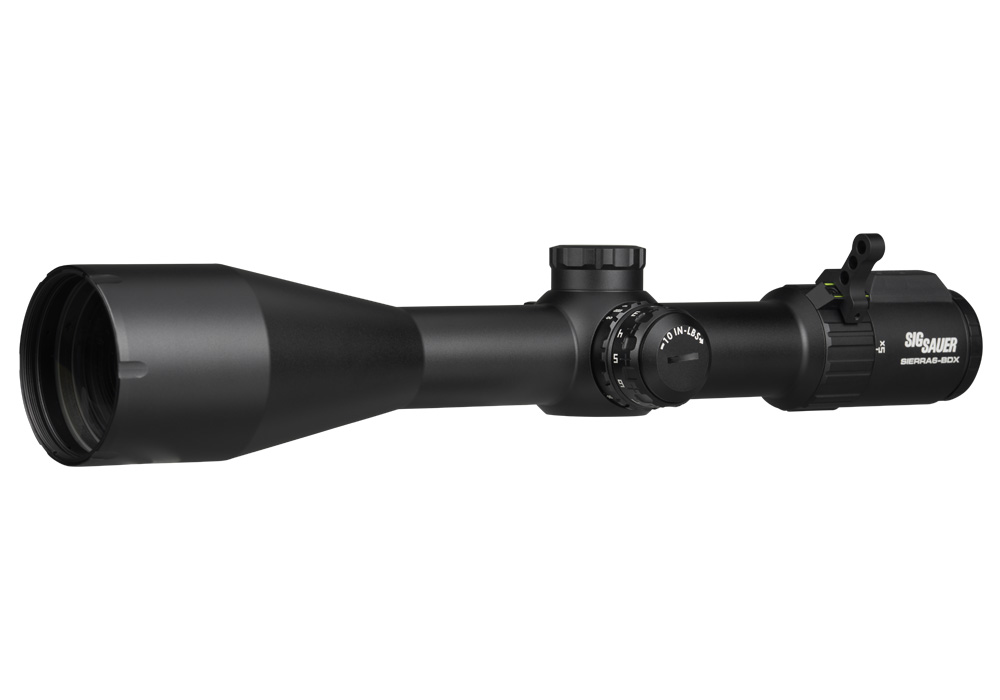
Front focal plane riflescopes are designed for shooters who value consistent reticle measurements across the entire magnification range. In a front focal plane, also called first focal plane, configuration, the reticle is positioned in front of the scope’s magnification lenses. As magnification increases, both the target image and the reticle grow together; as magnification decreases, both become smaller. This means the reticle’s hash marks, ranging brackets, and holdover references maintain their intended subtension at every setting. A marked holdover that represents a specific amount of bullet drop or wind correction remains useful whether the scope is set near its lowest power for a broad field of view or near its highest power for a more precise sight picture. That consistency makes FFP riflescopes a practical choice for long-range target shooting, precision rifle work, field competitions, and hunting situations where conditions can change quickly. A shooter moving between shaded timber and an open hillside may need to reduce magnification to locate an animal, then increase it to refine the aiming point. With a front focal plane reticle, the same references remain valid throughout that adjustment. For shooters who regularly make elevation or windage corrections, this can simplify the process of reading a miss, selecting a hold, and returning attention to the target rather than mentally recalculating the reticle’s value at each magnification level. FFP optics are also useful for range estimation when the reticle includes an appropriate scale. By comparing a known or estimated target dimension to the marks in the reticle, a shooter can form a more informed estimate of distance at various power settings. This does not replace a dedicated rangefinder or careful ballistic data, but it can provide helpful information when a rangefinder reading is unavailable or when a fast field assessment is needed. As with any optic, all shooting should be conducted safely, legally, and with a clear understanding of the rifle, ammunition, environment, and intended target.
When choosing among front focal plane riflescopes, start with the way the optic will be used rather than selecting magnification by appearance alone. A compact, lower-power range may suit a lightweight hunting rifle, close-to-moderate distance practice, or a shooter who prefers a generous field of view and fast target acquisition. A broader or higher-power range may be more appropriate for deliberate target work, extended-distance shooting, or situations where the ability to resolve small aiming points matters. Consider the rifle’s weight, the expected distances, the available mounting space, and how the complete setup will feel when carried through uneven ground during the cooler months. An optic that looks impressive on a bench may be less comfortable after a long walk across ridgelines or through thick cover. Reticle design deserves equal attention. At higher magnification, a detailed reticle can offer precise holdovers for elevation and wind, while at lower magnification, fine lines may appear small against a dark or cluttered background. Illumination can improve visibility in changing light, especially around dawn, dusk, or shaded terrain, although it does not replace proper glass quality and a well-defined reticle. Shooters should also review the adjustment system, turret style, parallax range, eye relief, total travel, tube diameter, and overall durability. Matching the optic’s adjustment units to the shooter’s ballistic data can make range sessions more efficient, while generous eye relief can be particularly valuable on rifles with noticeable recoil. Weather sealing, dependable adjustment tracking, and clear glass are important for anyone who may move between cool mornings, damp ground, bright open country, and indoor storage. A front focal plane riflescope can be a thoughtful gift for a hunter preparing for a new season, a range shooter building a first precision setup, or an experienced rifle owner refining a familiar platform. The best gift choice depends on the recipient’s rifle, mounting system, shooting distance, and preferred reticle style, so those details are worth confirming before purchase. For shooters comparing reticle-based optics with electronically assisted aiming solutions, Digital Focal Plane Scopes offer another category to explore.
A well-selected FFP riflescope becomes most useful when its features are practiced before they are needed in the field. During a range session, a shooter can confirm the rifle’s zero, record reliable ballistic data, and verify how each reticle reference corresponds to the chosen ammunition at different distances. It is worth checking the point of impact after changing magnification, testing elevation and windage adjustments, and learning how quickly the reticle can be found at the lowest setting. These small habits build familiarity. Picture a calm afternoon on the range: the rifle rests securely, the target sits beyond a series of measured distances, and each magnification change becomes part of the same routine rather than a source of hesitation. Later, in a hunting blind or on a rocky overlook, that familiarity can help the shooter make a careful decision when light, wind, and distance are less predictable. FFP riflescopes are not limited to one style of shooting. They can support a hunter who needs a flexible sight picture, a recreational shooter working on stable fundamentals, or a precision-minded competitor who relies on repeatable corrections. They may also suit a firearm owner who wants one optic to cover varied distances without giving up useful reticle references at lower power. Buyers should account for mounting height, ring compatibility, rifle balance, ammunition performance, and the practical limits of their own experience. A scope’s magnification does not create accuracy by itself; consistent fundamentals, confirmed data, proper maintenance, and disciplined shot selection remain essential. Keeping lenses protected, checking fasteners, inspecting the mounting system, and storing the optic securely can help preserve performance through changing conditions. Whether it is carried across autumn fields, used on a covered range during wet weather, or kept ready for clear days when the weather warms, a front focal plane riflescope offers a versatile combination of magnification flexibility and reticle consistency for shooters who want their aiming references to remain dependable from one setting to the next.