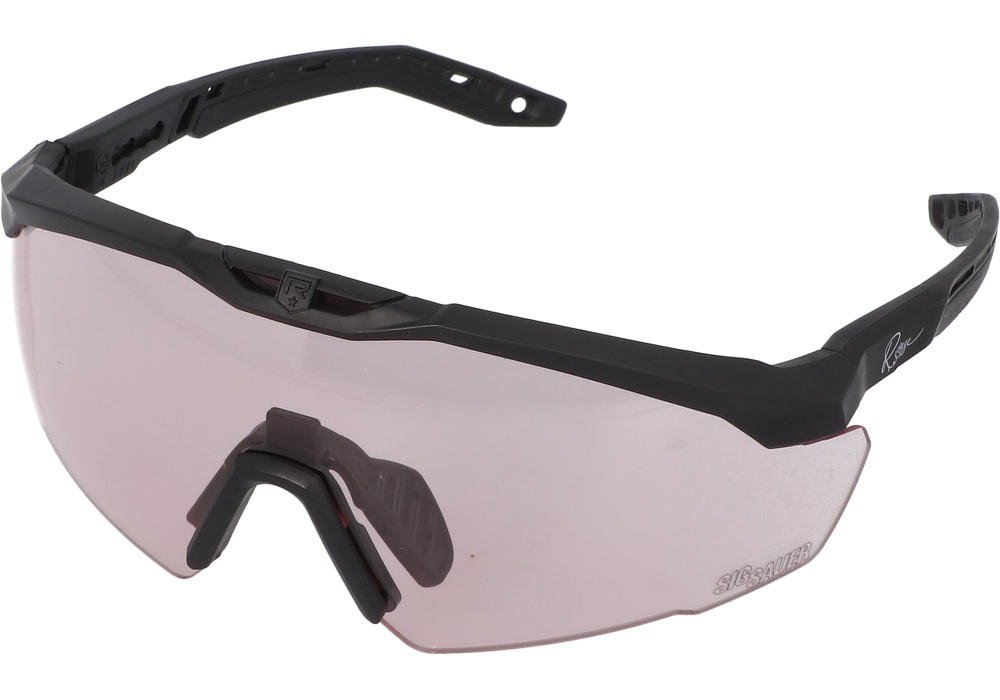
Must-have range gear brings protection, organization, and practical comfort together in a kit that suits the way a shooter spends time at the range. The essentials typically include impact-rated eye protection, hearing protection, a durable range bag, a protective firearm case, compatible ammunition and magazines, targets, and basic maintenance supplies. First-aid supplies, drinking water, and clothing suited to the setting round out the everyday range setup. Each category serves a distinct purpose, whether the visit involves a brief indoor practice session or several hours on an outdoor firing line. Eye protection designed for shooting helps shield the eyes from debris and spent cases, with wraparound coverage offering protection beyond the front of the lens. Clear impact-rating information, such as markings associated with ANSI Z87.1 requirements, is more useful than a rugged appearance alone. Lens clarity, secure temples, and a comfortable nose bridge matter when glasses stay on for an entire session, especially for shooters who also wear prescription lenses. Hearing protection deserves equally close attention to fit and its stated noise reduction rating. Properly fitted earplugs and earmuffs worn together can provide additional protection, particularly in enclosed shooting bays, though their ratings are not simply added together. Electronic hearing protection can help wearers hear conversation and range commands while limiting amplified loud sounds; its protective performance still depends on the model, condition, and fit. Thin eyewear temples can help reduce interference with an earmuff seal, and lower-profile cups may feel less cumbersome in certain shooting positions. These details become noticeable at a busy indoor range, where neighboring lanes add noise and safety briefings need to remain easy to follow. A well-chosen selection of Shooting Range Gear supports those everyday needs without turning a simple visit into an exercise in carrying more equipment than necessary. For new and experienced shooters alike, dependable protection and a manageable kit form the foundation of a comfortable range routine.
Organization is what keeps essential range equipment useful once it leaves the closet. A range bag with structured compartments separates protective equipment from heavier supplies and keeps smaller accessories from settling into an inaccessible corner. Abrasion-resistant nylon or polyester, reinforced stitching, sturdy handles, and dependable zippers are practical qualities for bags that travel between a vehicle, a concrete bench, and a dusty outdoor shelter. A reinforced base helps the bag hold its shape, while removable dividers allow the interior to accommodate different combinations of equipment. Water-resistant fabric can help with damp surfaces and light moisture, but it should not be confused with waterproof construction. Fit matters here, too: a shoulder strap should sit comfortably when the bag is loaded, and the overall size should remain manageable along narrow walkways or behind a crowded firing line. Protective firearm cases serve a separate role, cushioning contents during transport and keeping them enclosed in accordance with applicable laws and range rules. Soft cases offer flexible storage and padding, while rigid cases can provide greater resistance to external pressure; suitable dimensions and secure closures matter with either style. Ammunition and magazines belong in storage arrangements appropriate to the firearm, transportation requirements, and the facility. Clear separation between ammunition types helps prevent mix-ups, while dedicated pockets protect magazine feed lips from unnecessary contact with loose tools. Loading accessories can reduce repetitive strain on the hands, provided they match the magazine design. Paper targets with visible aiming areas, target patches, and permitted attachment supplies support an orderly session without taking up much room. A compact maintenance pouch can keep manufacturer-approved cleaning materials and correctly sized tools together, rather than loose beside lenses or hearing protection. At a shared bench, that separation means less searching and fewer belongings spread across the work surface. The strongest range setup is not necessarily the largest; it is the one whose layout remains easy to understand when gloves, changing light, or a busy check-in area make small inconveniences more noticeable.
Durability also depends on how range accessories are used, cleaned, and stored between visits. Dust in a zipper, grit on a lens, or moisture trapped inside padding can shorten the useful life of otherwise reliable equipment. Care instructions should guide cleaning methods, especially for coated lenses, electronic hearing protection, and fabrics with protective finishes. Soft lens cloths and suitable cleaning solutions help preserve visibility, while inspecting earmuff cushions for cracking or compression helps identify wear that can affect the seal. Batteries and electronic components need storage conditions appropriate to their design, and damp bags or cases should dry thoroughly before being put away. Any firearm maintenance belongs in a designated area with the firearm unloaded, ammunition kept separate, and the manufacturer’s instructions followed. Personal comfort deserves similar attention because a cold wind across an outdoor bench or several hours on a hard indoor floor can make poorly fitting gear distracting. During the cooler months, adjustable layers offer flexibility between a heated check-in area and an exposed firing line. Closed-toe footwear with dependable traction, clothing that provides suitable coverage, and a brimmed hat can contribute to a more comfortable visit. Gloves should allow necessary dexterity without interfering with safe handling, and added layers should not compromise access to protective equipment. Drinking water and snacks are useful for longer visits, but food and beverages belong outside shooting and ammunition-handling areas, with thorough handwashing before eating or drinking to reduce exposure to lead residue. A clearly identified first-aid kit belongs within easy reach, with contents matched to the setting and the user’s training; specialized emergency supplies are most useful alongside appropriate instruction. These practical considerations make range accessories relevant to occasional visitors, regular recreational shooters, and people attending supervised instruction. They also offer thoughtful gift possibilities when the recipient’s routine, fit preferences, and equipment compatibility are understood. A comfortable bag, protective storage, or an organizational accessory can serve someone well across many visits. Personal protective equipment calls for particular attention to individual fit rather than appearance alone. Across every category, useful range gear earns its place through dependable function, straightforward care, and suitability for the environment where it will be used.