A well-prepared range bag supports a safer, more organized, and more productive day on the firing line. The most important items begin with personal protection: impact-rated eye protection should be worn whenever firearms are being handled or discharged, while reliable hearing protection helps reduce the risk of permanent hearing damage during both indoor and outdoor sessions. Many shooters keep more than one style in their bag, such as electronic or passive over-the-ear protection paired with disposable foam earplugs for additional sound reduction or for sharing with a guest. Clear lenses are useful in indoor bays and during lower-light conditions, while tinted lenses can make bright outdoor ranges more comfortable as the weather warms or during the glare of late-season sun. A spare pair of glasses and an extra set of hearing protection can make a meaningful difference when a friend joins the outing. A properly stocked first-aid kit is another essential consideration. It should be appropriate for the activities and environment, easy to reach without digging through ammunition or tools, and maintained so that supplies remain sealed and within their usable dates. Shooters who spend time at remote outdoor ranges may also choose to carry trauma-oriented supplies and learn how to use them through qualified instruction. Personal comfort items deserve space as well: sunscreen, a brimmed hat, weather-appropriate layers, water, snacks, and lead-removal wipes or hand-cleaning supplies can help keep a long session comfortable and reduce the chance of carrying residue from the range to a vehicle, meal, or home. During cooler months, gloves that preserve dexterity, a compact towel, and a dry layer can be especially practical. Range policies vary, so confirm requirements for eye and ear protection, ammunition containers, targets, loaded magazines, chamber indicators, and other equipment before leaving home. The products collected under Must Have Range Gear are useful starting points for building a setup that reflects the shooter, the firearm, and the facility.
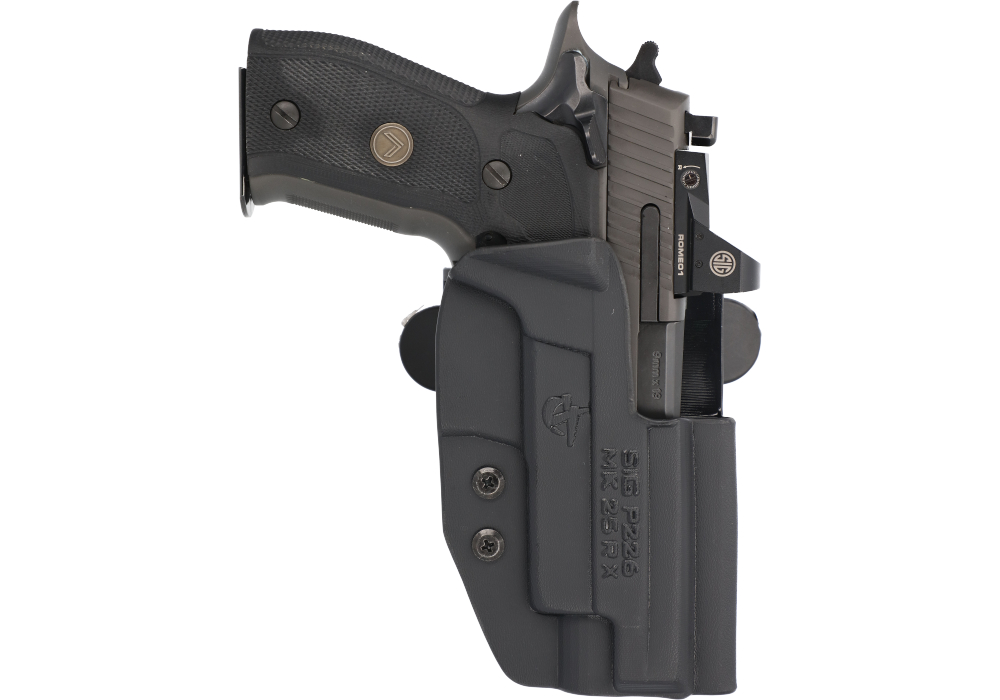
Organization is just as valuable as the items themselves. Ammunition should be packed securely, kept separate from firearms during transport when required by local law or range policy, and clearly identified by cartridge type so there is no uncertainty at the bench. Bringing enough ammunition for the intended practice session is helpful, but a thoughtful packing plan is better than simply filling every available pocket. Extra magazines, magazine pouches, and loading aids can reduce interruptions between strings of fire, while speed loaders may be useful for compatible platforms. Any firearm should be transported and handled in accordance with applicable laws, manufacturer instructions, and range rules, with the action open and the firearm unloaded unless a designated procedure says otherwise. Chamber flags or other approved visual indicators make a clear condition easier to recognize, particularly when firearms are resting on a bench or being moved during a cease-fire. A durable mat gives the shooting position a clean, defined workspace and helps prevent small parts from disappearing into gravel, grass, or a crowded table. A holster can be appropriate for structured practice when it is designed for the firearm and permitted by the range; draw practice should take place only under proper supervision and within the facility’s rules. Target accessories are easy to overlook until a session begins. Paper targets, target backers, staples, tape, and a marker allow shooters to replace damaged targets, label groups, record ammunition types, and note adjustments without relying on the range office. A small notebook can turn a casual outing into useful training by preserving details such as distance, environmental conditions, sight settings, and observations about grip, stance, trigger control, or follow-through. These simple records are particularly helpful when returning during a different season, when changing light, temperature, or wind can affect the experience. For a first-time shooter, a carefully assembled range bag can be a thoughtful gift because it provides practical support without assuming a particular firearm or shooting discipline. An experienced shooter may appreciate the same basics in upgraded materials, a more efficient layout, or a dedicated backup supply that stays packed and ready.
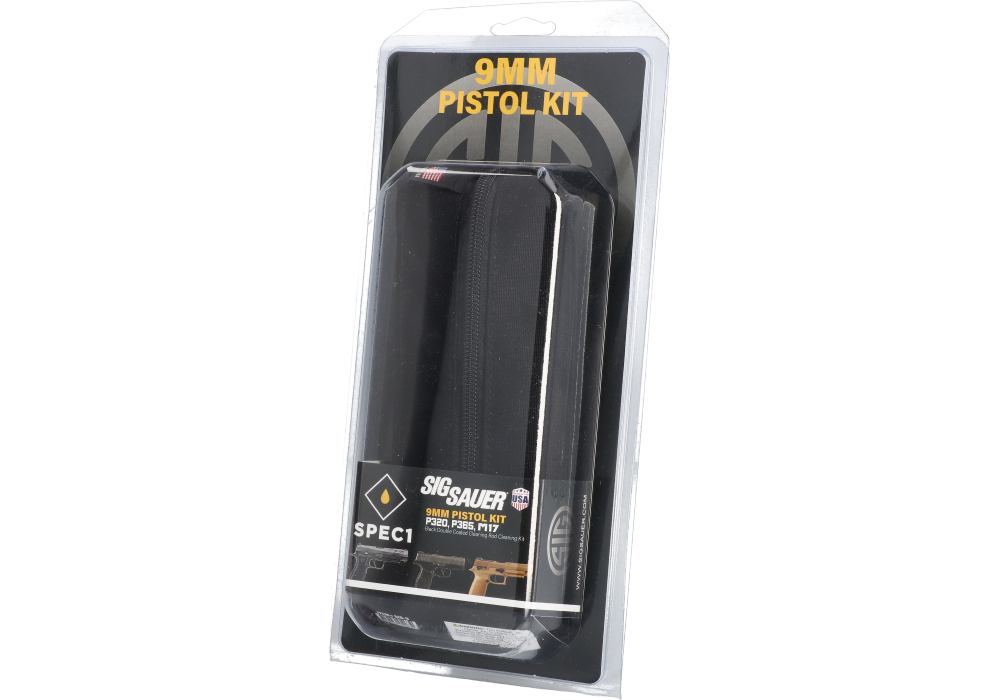
Maintenance and contingency items round out a capable range setup. A compact cleaning and maintenance selection can address minor issues without turning the bag into a full armorer’s kit. Appropriate brushes, patches, a small amount of lubricant, and tools sized for the firearm can help with routine care or a quick adjustment, provided the owner follows the firearm manufacturer’s instructions and understands which tasks are suitable in the field. A general-purpose multitool, compact driver set, or properly sized hex keys may be useful for tightening compatible accessories, while specialized adjustment tools should be selected carefully to avoid damaging fasteners or delicate components. Keep lubricants closed and separated from ammunition, targets, and clothing to prevent leaks, and avoid improvising with tools that do not fit. A flashlight can help locate dropped parts, inspect a chamber or case, or navigate an outdoor facility as daylight fades, while spare batteries should be stored where they will not contact loose metal objects. A small trash bag, zippered pouches, and labeled compartments keep used patches, empty packaging, and personal items from mixing with clean equipment. For outdoor ranges, consider the practical effects of dust, rain, heat, and uneven ground; for indoor facilities, compact organization and hearing protection are often especially important. Before each outing, inspect the bag for damaged straps, depleted batteries, missing first-aid supplies, and items that have become contaminated or worn. Afterward, remove spent ammunition packaging and waste, wipe down equipment as appropriate, and restock what was used so the bag is ready for the next responsible range visit. The best range bag is not necessarily the largest one. It is the bag that keeps essential safety equipment immediately accessible, protects ammunition and personal gear, accommodates the shooter’s practice plan, and leaves enough room for the unexpected while remaining comfortable to carry from the vehicle to the firing line.