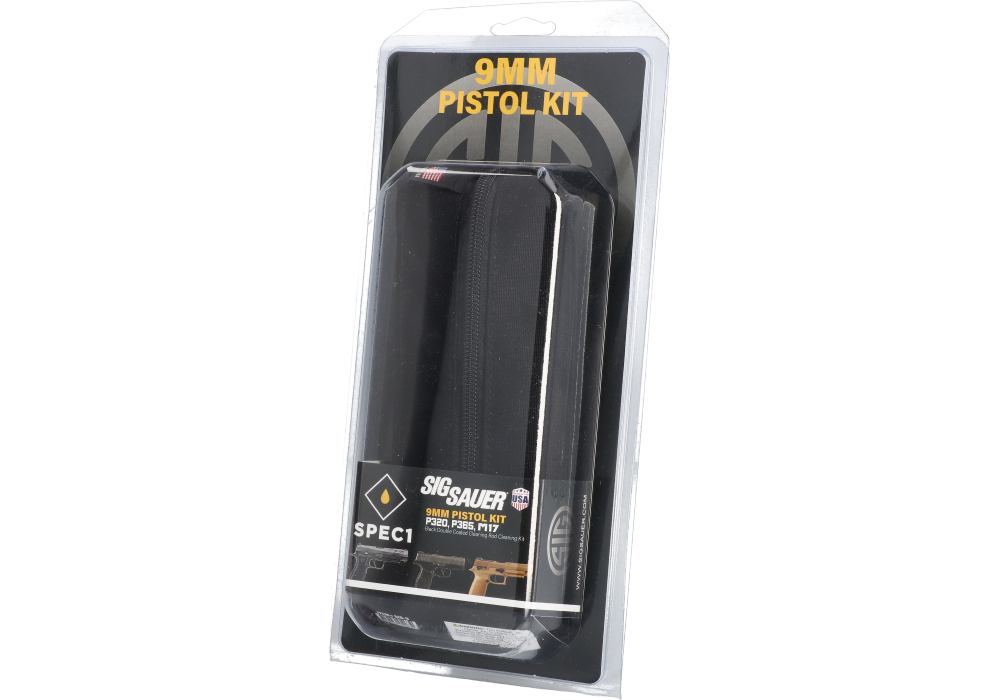
A well-prepared range bag does more than carry a pistol and ammunition. It keeps a practice session moving when a small part loosens, a battery fades, or a quick maintenance task becomes necessary between strings of fire. The most useful pistol parts and accessories for a range bag are compact, purpose-driven items that address common wear points without adding unnecessary weight. Spare magazines are an obvious starting point because they reduce time spent loading and give shooters a convenient way to separate different drills or ammunition types. Magazine components, including replacement springs, followers, base pads, and floor plates, can also be worthwhile for shooters who train often or maintain several magazines for the same pistol. These items are especially helpful when a magazine is dropped onto concrete or gravel and suffers damage that would otherwise end a session. Snap caps and other inert training rounds have a place in both practice and maintenance, supporting safe function checks, dry-fire routines, and troubleshooting under appropriate range or training procedures. A compact bottle of gun oil, CLP, or purpose-made grease helps address light lubrication needs when a pistol begins to feel sluggish, while a bore snake, chamber brush, or compact cleaning rod can help remove fouling and keep the firearm running smoothly. Always follow the firearm manufacturer’s instructions, confirm that the pistol is unloaded before maintenance, and use a qualified gunsmith for repairs or problems that are not clearly within your experience.
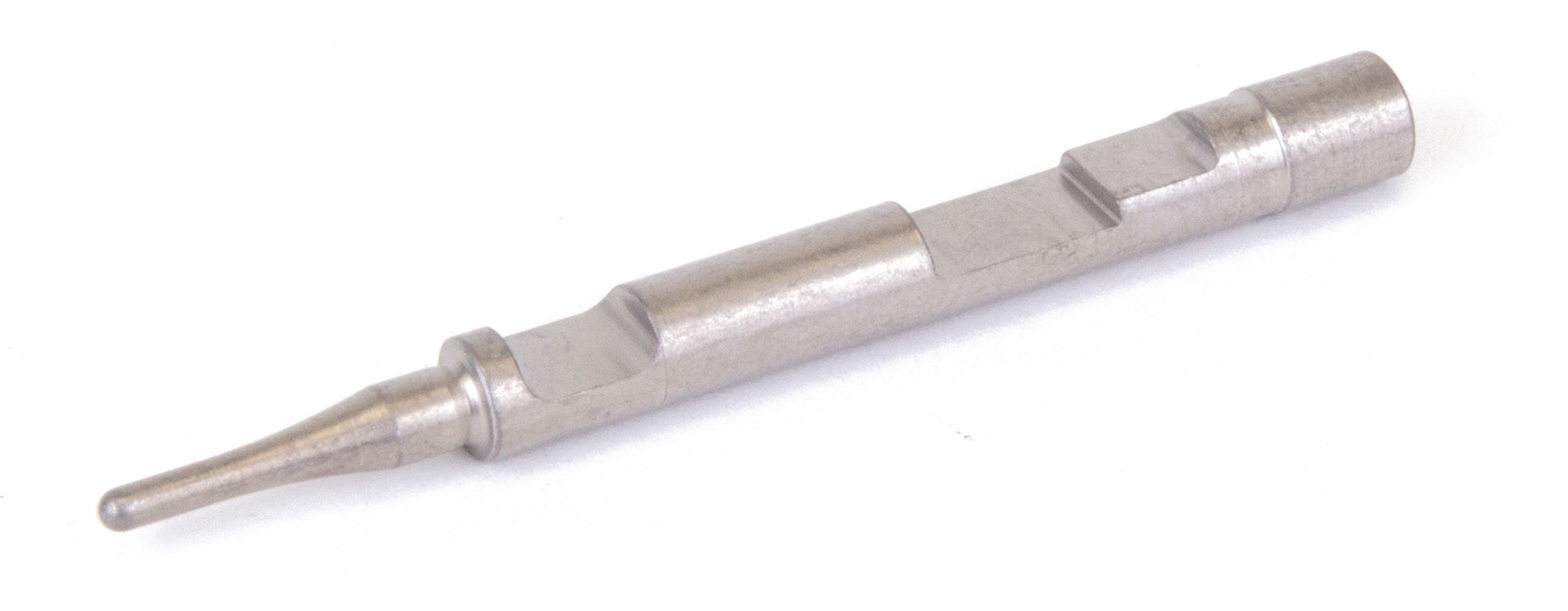
The smallest components in a range bag can prevent the longest interruptions. Shooters who use a mounted red dot or a rail-mounted light may want to carry the correct spare batteries, since a dead optic or illumination source can make a familiar setup feel unexpectedly different. A few properly sized optic screws, adapter hardware, or rail fasteners can be useful when matched precisely to the pistol and accessory; fasteners are not interchangeable simply because they appear similar, and the wrong length can cause damage or prevent secure installation. A compact set of correctly sized hex keys, Torx drivers, and flat or Phillips drivers is often more practical than a large tool kit, especially when each tool fits a known screw on the pistol, optic, grip panel, or accessory. Small brass or polymer punches, along with a non-marring hammer, can assist with appropriate disassembly and pin work, while a multi-tool or small pair of pliers may help with general range-bag tasks. A dedicated bore obstruction tool belongs in the category of serious contingency equipment rather than casual tinkering. If a shot sounds or feels unusual, stop immediately, keep the firearm pointed in a safe direction, unload it, and have the bore inspected; never attempt to fire another round through a suspected obstruction. A compact first-aid or trauma kit, nitrile gloves, shop towels, and a small flashlight add practical value as well. These essentials are useful for new shooters building their first organized range bag, experienced competitors replacing worn gear, or a thoughtful gift for someone who spends weekends practicing fundamentals. Shooters who carry a pistol for personal protection may also find related replacement components and maintenance essentials in Parts for Everyday Carry Pistols, with selection guided by the exact firearm model and its intended role.
Comfort, visibility, and organization matter just as much as replacement hardware. Impact-rated eye protection with clear and tinted lenses helps accommodate changing light from bright outdoor bays to shaded covered lanes, while electronic hearing protection paired with backup foam plugs provides flexibility during extended sessions. Target pasters, masking tape, and a permanent marker keep targets usable through multiple drills and make it easier to record groups, misses, and sight adjustments. A small parts tray or zippered organizer prevents optic screws, magazine components, and tools from disappearing into the bottom of a crowded bag, and labeling compartments by firearm can reduce the chance of mixing incompatible parts. Before heading to the range, check each item against the pistol’s model, caliber, optic footprint, magazine type, and accessory setup. Standard-capacity or extended-capacity magazines should be selected in accordance with applicable laws, range rules, and the firearm’s specifications. It is also sensible to inspect spare parts for damage, keep batteries protected from loose metal objects, and replace consumable items before they become unreliable. During warmer weather, lubrication and water should be protected from heat and leakage; during cooler months, gloves, extra layers, and a brighter task light can make maintenance more manageable. The goal is not to fill every pocket of the bag, but to carry the small, compatible parts that solve realistic problems: a spare magazine to keep practice moving, fresh batteries to preserve an optic or light, the right driver for a loose fastener, cleaning supplies for routine upkeep, and safety equipment for the unexpected. A thoughtfully assembled selection gives every range visit a more confident, orderly rhythm while supporting responsible handling, regular inspection, and safe firearm ownership.