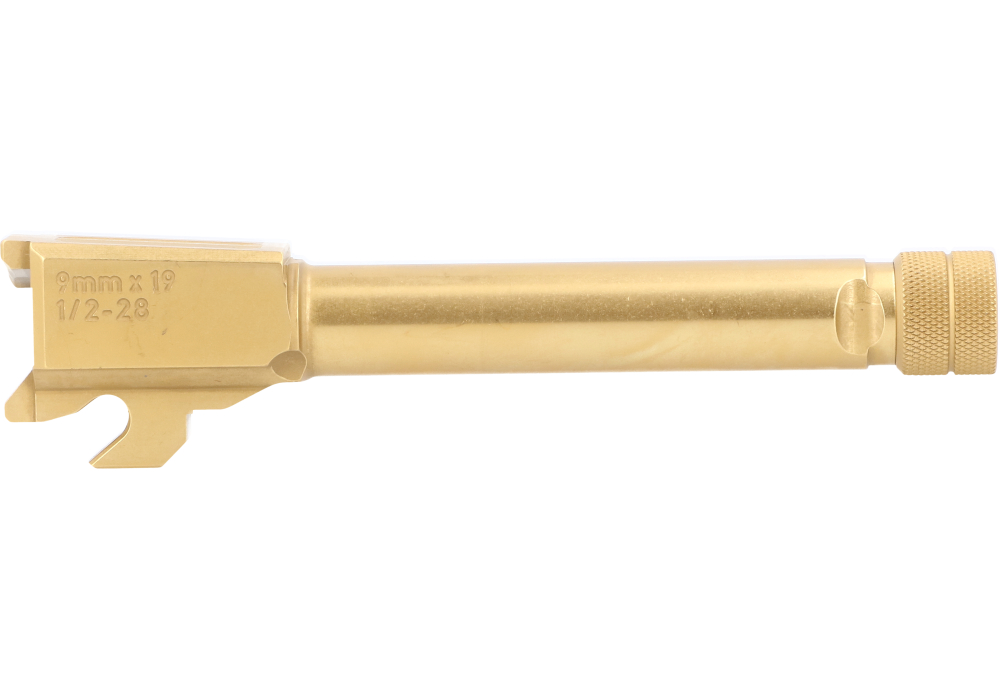
Pistol parts for concealed carry belong to a category where compatibility, durability, and everyday comfort matter more than dramatic styling. A pistol carried close to the body has to work within the dimensions of its frame, slide, and holster, so even a small difference in a replacement component can affect the overall fit. This category can encompass grip components, replacement controls, sight components, and routine service parts, with each serving a different role in the firearm’s original design. The most useful distinction is between a component intended for a particular pistol configuration and one that merely looks similar. Model family, frame size, production revision, and factory configuration can all matter, and a familiar appearance is not proof of interchangeability. Manufacturer documentation provides a stronger basis for selection than photographs or broad compatibility claims. For an owner who carries regularly, a replacement part may be about addressing ordinary wear, maintaining a familiar configuration, or choosing a surface finish that suits personal preferences. Concealed carry also brings practical considerations that are easy to overlook when a component is viewed on its own. An exposed edge may rest against an undershirt, a different exterior profile may change holster clearance, and a grip surface that feels comfortable briefly may feel different against the body over several hours. A longer grip profile can also change how clothing rests over the firearm without changing the dimensions of the slide. Those relationships make documented dimensions and intended application especially important. Components that interact with the holster deserve particular attention because secure retention and complete trigger coverage remain essential. The purpose of a replacement should be clear before appearance becomes the deciding factor. A restrained finish and familiar dimensions often suit an everyday carry setup better than an assortment of unrelated changes. Selection should support the pistol’s intended use without bypassing safety features or assuming that a new component will resolve a handling concern. For owners replacing a worn component, an exact match to the original specification can be more relevant than a different appearance or an unfamiliar feel.
Material choice helps explain why pistol components can differ in weight, feel, maintenance needs, and resistance to everyday wear. Steel is common where strength and wear resistance are important, while aluminum can offer a different balance of weight and rigidity in applications designed for it. Polymer components bring their own characteristics, including molded contours and textured surfaces, but their suitability still depends on the design and specifications of the firearm. No material is automatically the best choice for every location or purpose. Surface treatment matters as well: a coating can influence corrosion resistance and appearance, yet it does not eliminate the need for regular inspection and appropriate care. Contact with skin, perspiration, clothing fibers, and the interior of a holster creates a different environment from occasional storage in a protective case. A finish may gradually show polished edges where it rubs against another surface, while recessed areas can collect lint that is not obvious at a glance. Cosmetic wear and functional wear are not interchangeable, and uncertainty about a component’s condition belongs with a qualified professional. Grip texture is another material detail worth considering in context. A pronounced pattern may feel distinct in the hand but also rub against clothing or skin; a smoother surface presents a different tactile experience. Personal comfort should be assessed alongside the manufacturer’s intended application rather than treated as a substitute for proper fit. Routine care should follow the firearm and component manufacturers’ instructions, including guidance on compatible cleaners, lubricants, and inspection intervals. An aggressive solvent or abrasive tool can damage some finishes and polymer surfaces, so assumptions based on care practices for another firearm may be misplaced. Components requiring fitting, internal inspection, or evaluation of safety-related functions are appropriate work for a qualified gunsmith. Professional assessment is particularly valuable when a replacement involves interacting parts rather than a purely external surface. Clear maintenance records and retained packaging can also help identify exactly what has been installed when future service becomes necessary.
Choosing concealed carry pistol parts is ultimately about understanding the relationship between an individual component and the complete firearm. A useful product description identifies the intended application, relevant materials, finish, dimensions where applicable, and any restrictions on compatibility or installation. Clear photographs can help distinguish shapes and surface details, but they cannot confirm internal fit or replace written specifications. Likewise, a positive experience with a component on one pistol does not establish that the same component belongs on a similar-looking model. Owners maintaining a familiar carry setup often value consistency: a known grip profile, an established holster fit, and service components matched to the original configuration. Others may be considering a different exterior finish or replacing a component that has reached its recommended service interval. Both situations call for a defined purpose rather than an assumption that every change is an improvement. Related categories such as Compact Pistol Customization Parts provide another way to explore the relationship between a smaller pistol’s dimensions and its component requirements, while exact compatibility remains the deciding consideration. For a firearm owner receiving parts as a gift, confirmed specifications are especially important; knowing the general type of pistol is rarely enough to establish the right fit. A documented replacement for a known configuration is a more considered choice than a component selected solely for its appearance. Long-term ownership also benefits from keeping the original documentation and any professional service notes together, particularly when several visually similar components exist within a model family. Those details can prevent confusion during later maintenance or an ownership transfer. Parts are only one element of responsible concealed carry, alongside secure storage, suitable holster selection, ongoing training, and compliance with applicable laws. They do not replace familiarity with the firearm or professional evaluation when something feels different. Well-informed selection keeps the emphasis on appropriate materials, verified fit, manageable care requirements, and the intended role of the complete pistol.