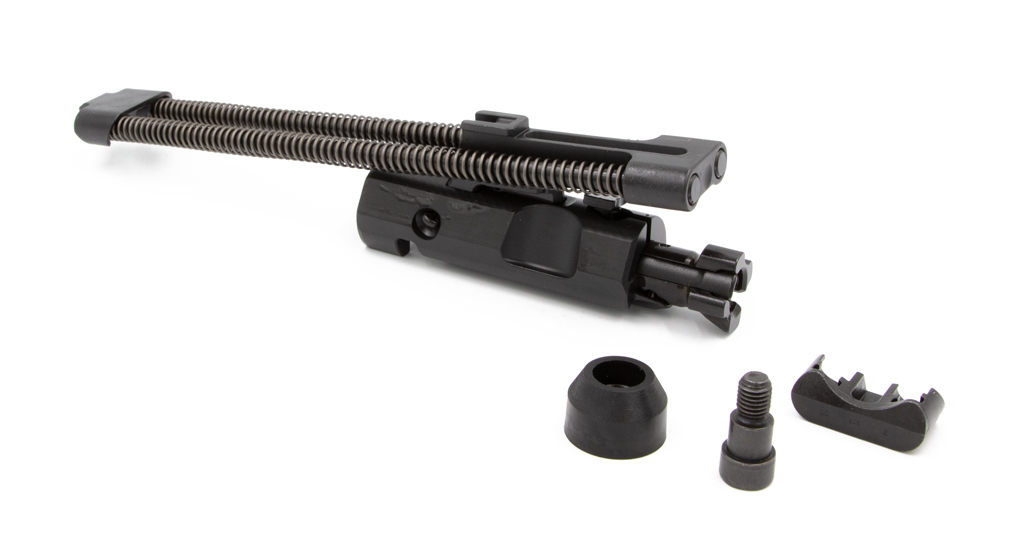
Receiver assemblies are central components of many modern sporting rifles and AR-pattern firearms, and they are commonly divided into two primary sections: the upper receiver and the lower receiver. The upper receiver generally houses or supports the barrel, bolt carrier group, charging handle, handguard interface, and related operating components, while the lower receiver typically supports the trigger assembly, safety selector, magazine well, buffer tube, stock interface, and recoil system. Because these sections work together as one platform, selecting compatible parts is essential. A complete upper receiver assembly can simplify the process for shoppers seeking a coordinated group of components, while a stripped upper or lower may appeal to experienced builders who want greater control over configuration and component selection. The lower receiver often carries particular legal importance because it may be treated as the firearm under applicable federal, state, and local regulations. Before placing an order, review current laws, transfer requirements, age restrictions, shipping rules, and any provisions that apply to assembly or possession in your area. It is also important to confirm that the receiver assembly matches the intended caliber, barrel interface, bolt carrier group, charging handle, handguard system, buffer arrangement, and trigger components. Small differences in specifications can affect fit, function, and the overall balance of a completed firearm, especially when combining parts from different sources. A careful review of technical details before purchase can prevent costly compatibility issues and help ensure that every selected component has a clear purpose within the build.
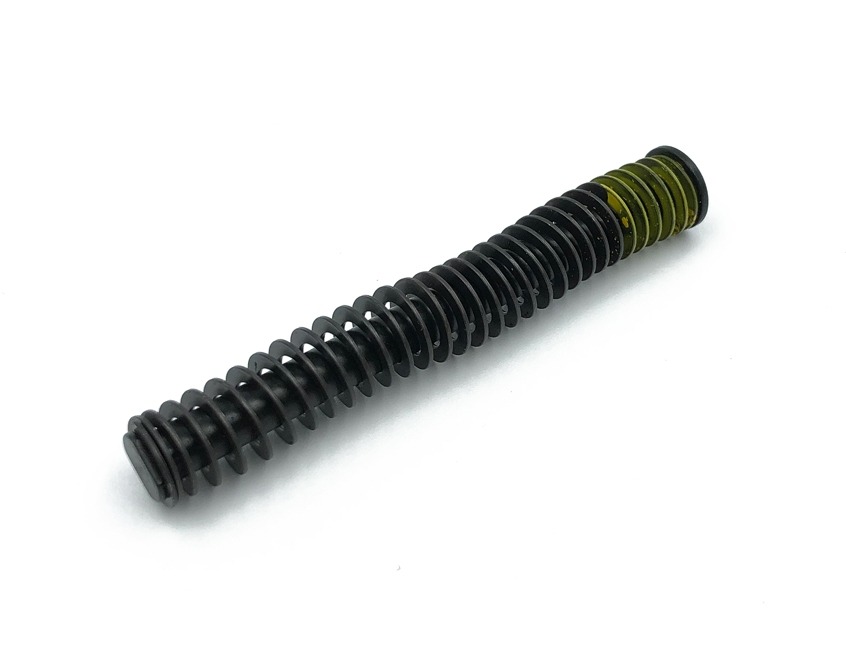
When comparing receiver assemblies, consider how the firearm will be used, how much customization is desired, and what level of installation experience is available. A recreational shooter preparing for range sessions may value a straightforward configuration with familiar controls and a balanced feel, while a hunter, competitor, or defensive user may focus more closely on weight, barrel compatibility, handguard mounting options, control placement, and durability in changing conditions. Materials and surface treatments can influence corrosion resistance, wear characteristics, and appearance, but they should be considered alongside fitment and intended use rather than treated as isolated selling points. Look for clearly stated specifications, consistent interfaces, secure attachment points, and a finish that suits the environment in which the firearm will be stored and used. Shoppers who are assembling a rifle for the first time should account for the additional components required beyond the receiver itself, including the barrel, bolt carrier group, charging handle, trigger group, buffer tube, recoil spring, stock, sights, and appropriate magazines. The recoil system deserves particular attention because its spring and buffer work with the bolt carrier group to support reliable cycling. Those comparing related components may also review Recoil Spring Assemblies when planning a compatible setup. A qualified gunsmith can help verify headspace, torque values, alignment, and function, particularly when a build combines parts with different specifications. Even experienced owners benefit from consulting the manufacturer’s technical documentation and using the correct tools rather than relying on improvised methods. After assembly or service, function checks should be performed in a controlled environment with the firearm unloaded, pointed in a safe direction, and handled in accordance with applicable safety procedures.
Receiver assemblies can be useful for an owner refreshing an established platform, a knowledgeable builder creating a personalized configuration, or a family member selecting a practical gift for an adult shooter who already understands the relevant platform and legal requirements. They can also suit someone preparing a reliable rifle for range practice during the cooler months, when organized training, sight-in sessions, and maintenance often become part of a regular routine. As a gift, a receiver assembly is best selected with care because preferences regarding caliber, controls, finish, mounting standards, and intended role vary widely, and transfer rules may apply even when the item is purchased as part of a present. A gift card, approved transfer through a licensed retailer, or a conversation about preferred specifications may be more suitable than choosing an unfamiliar configuration on another person’s behalf. Regardless of the reason for purchase, keep all components, tools, and completed firearms secured from unauthorized access, and store ammunition separately according to local guidance and responsible ownership practices. Receiver assemblies are not interchangeable simply because they share a general platform designation; details such as upper and lower compatibility, barrel extension dimensions, operating system, magazine pattern, and control layout all deserve attention. Clear product descriptions, accurate measurements, and a realistic assessment of installation skill can make the selection process more efficient. With thoughtful planning, proper compliance, and professional inspection when needed, the right receiver assembly can serve as a dependable foundation for a carefully configured firearm and a more confident ownership experience.