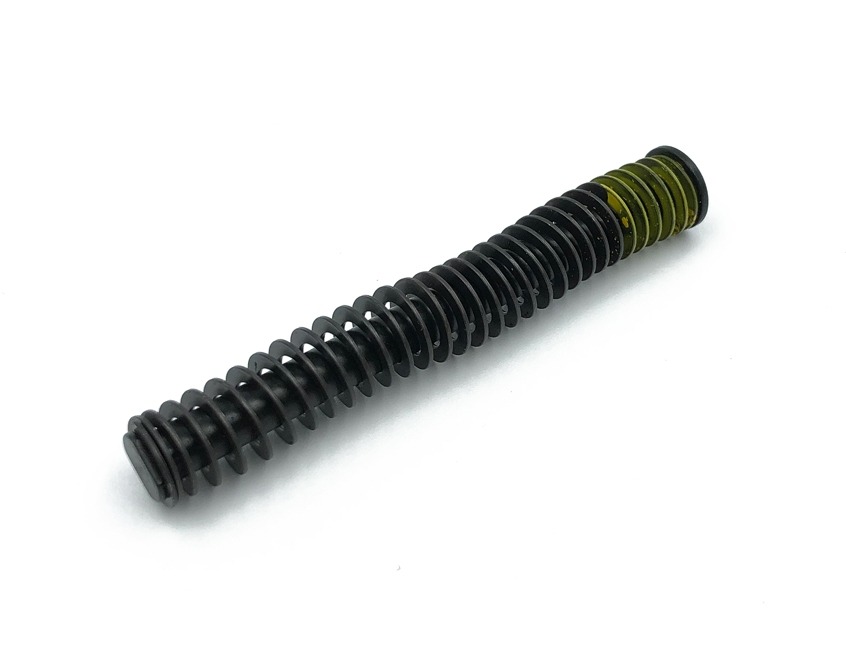
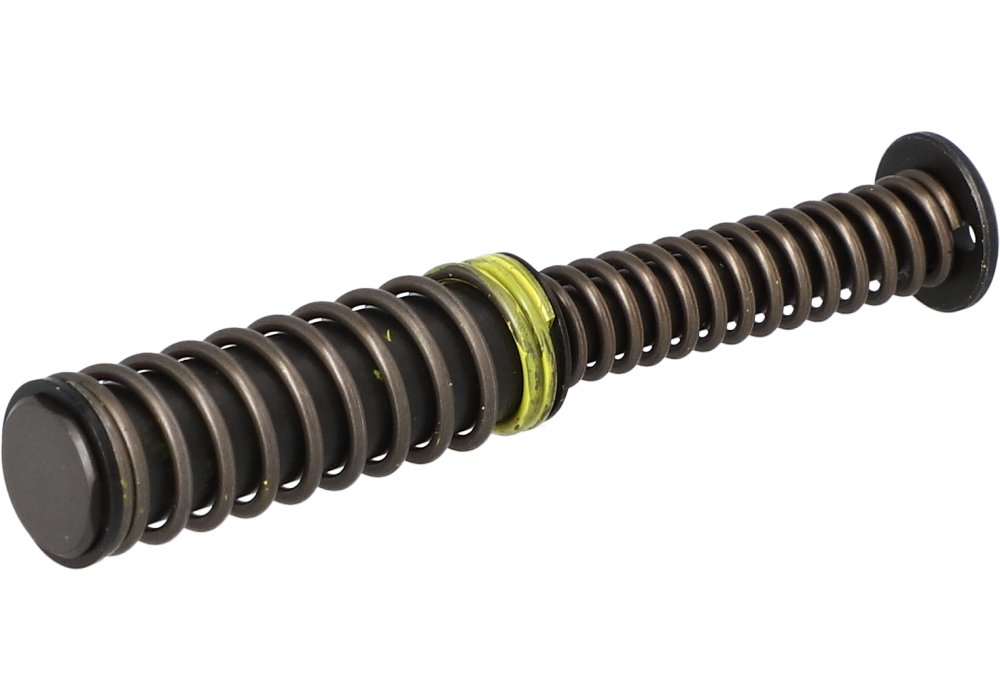
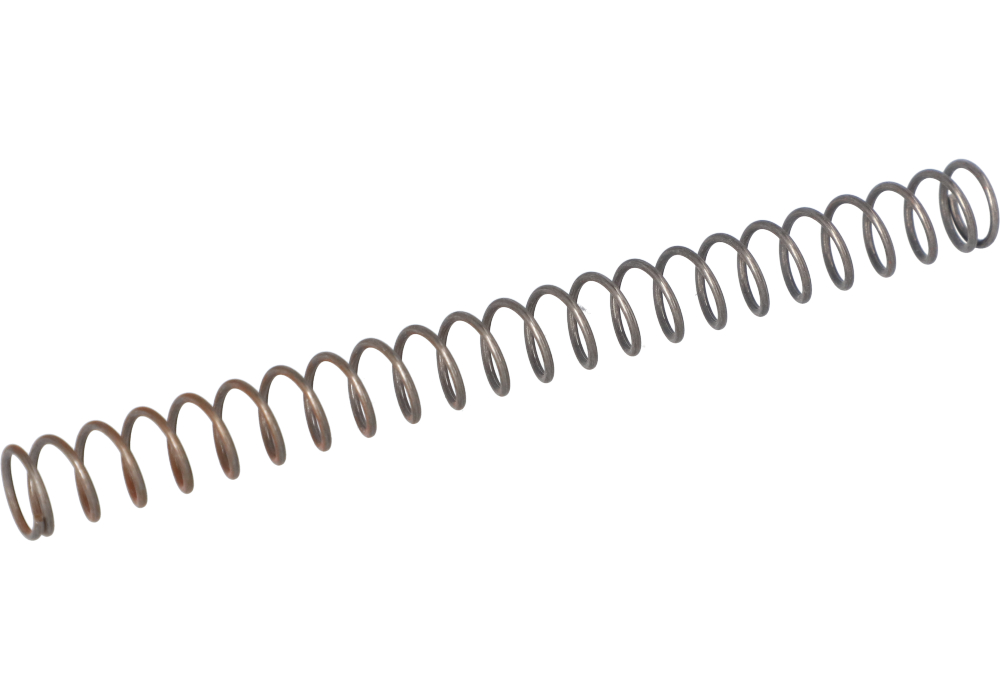
Spring assemblies play an important role in the reliable operation of many firearm systems, helping manage tension, return movement, secure internal components, and support consistent function through repeated use. A spring assembly may combine a spring with a guide, retainer, seat, pin, or other mating hardware, allowing the components to work together as a coordinated unit rather than as isolated parts. Because springs operate under stored energy, the correct assembly must match the firearm model, configuration, and intended application. Even small differences in length, wire diameter, rate, end shape, or mounting arrangement can affect how a part fits and performs. When reviewing spring assemblies, begin by confirming compatibility through the firearm’s owner documentation, parts diagram, or a qualified service professional. Pay close attention to model family, generation, caliber, frame or receiver size, and any listed variations. A part that appears similar may not provide the correct tension or interface for a particular setup. It is also useful to inspect the existing assembly for signs of fatigue, corrosion, distortion, chipped coils, uneven wear, or loss of spring tension. In a firearm that sees regular range use, training, hunting, competition, or service, these components may experience thousands of compression and release cycles. Routine inspection can help identify wear before it affects the broader operating system. During cooler months, when range time may become more deliberate and equipment often spends longer periods in storage between outings, a careful parts check can be a practical part of responsible firearm care. Store replacement assemblies in a clean, dry place, keep them organized by firearm, and retain any packaging or reference information that helps confirm fitment later.
Choosing the right spring assembly is less about appearance than about precise function. Consider whether the assembly is intended to control trigger movement, return a component to position, guide reciprocating motion, support a locking interface, or provide tension within another internal mechanism. The spring rate matters: a spring that is too light may not return a component with sufficient authority, while one that is too heavy can change the feel of the controls or place unnecessary stress on adjoining parts. Correct geometry matters just as much. The spring must sit squarely, follow its intended path, and work with the original guide or retainer without binding. Buyers should compare the listed application with the exact firearm configuration rather than relying only on a photograph or a general description. If the assembly is intended for a trigger system, review the manufacturer’s service information and consider whether a qualified gunsmith should perform the work. Related components, including Trigger Springs, can influence trigger reset, control feel, and the relationship between moving parts, so replacing one item may warrant an inspection of neighboring components as well. A spring assembly can be a sensible addition to a maintenance kit for a frequent shooter, hunter, instructor, collector, or competitive participant, particularly when paired with labeled storage trays, non-marring tools, cleaning supplies, and a written record of service. It can also be a thoughtful gift for a firearm owner who prefers to keep commonly serviced parts available, provided the purchaser verifies the exact model and configuration before ordering. For someone newer to firearm maintenance, the most useful gift may be a compatible replacement selected with guidance from the owner’s manual or a qualified professional rather than a generic assortment that may not fit.
Safe handling deserves equal attention when replacing any spring assembly. Before beginning work, point the firearm in a safe direction, remove all ammunition from the work area, and verify the firearm is unloaded according to the owner’s manual. Keep ammunition stored separately, use suitable eye protection, and work on a stable, well-lit surface where small parts cannot roll into debris or become confused with components from another firearm. Do not improvise with a spring of uncertain specification, stretch a spring to alter its rate, grind an end, or force an assembly into place. Avoid using a component that shows rust, cracking, permanent deformation, or other damage. Some firearm assemblies contain substantial stored energy, and a spring can move suddenly if it is released without proper control. If a procedure requires a specialized fixture, spring compressor, alignment tool, or detailed disassembly beyond the owner’s stated maintenance instructions, stop and consult a qualified gunsmith. Never rely on a visual resemblance alone, and do not alter a safety-critical component in an attempt to change trigger pull or operating characteristics without professional advice. After installation, perform the function checks specified by the firearm’s manufacturer, without ammunition present, and confirm that controls move correctly and return as intended. A qualified professional should evaluate any unusual resistance, inconsistent reset, loose fit, scraping sound, or change in operation. With accurate fitment, careful storage, and disciplined maintenance, spring assemblies can help support dependable operation and preserve the intended interaction of the firearm’s internal parts across seasons of use.