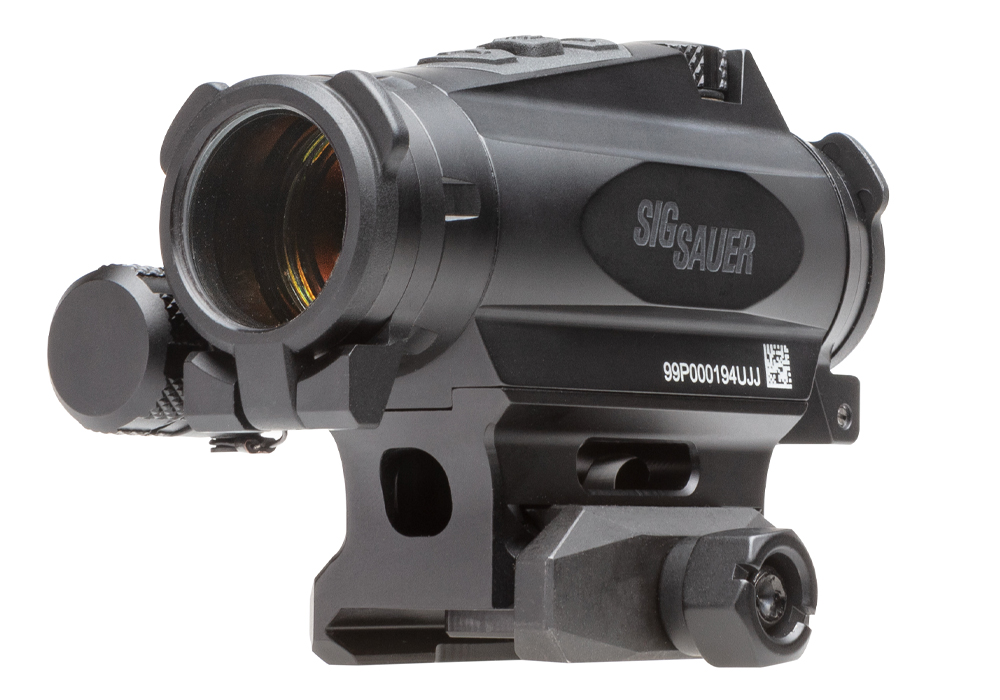
Top selling items in Florida reflect a retail landscape shaped by warm weather, coastal living, and time spent outdoors. Within shooting sports, those conditions give shoppers practical reasons to consider materials, fit, durability, and care alongside intended use. A comfortable afternoon at an indoor range presents different demands from a humid morning outdoors, where eyewear can fog and moisture can collect on exposed surfaces. Firearms, ammunition, optics, and suppressors each have distinct roles, so popularity is best understood as a starting point rather than a substitute for suitability. Recreational shooters may prioritize comfortable handling and straightforward maintenance, while experienced enthusiasts often pay close attention to compatibility with equipment they already own. Those participating in organized shooting sports may also need equipment that meets the rules of their discipline. Across these uses, a product’s specifications matter more than assumptions based on appearance or category alone. Florida adds an environmental consideration: salt air near the coast, persistent humidity inland, and the move between air-conditioned rooms and warm outdoor spaces can all affect how equipment is stored and maintained. Even during the cooler months, a shaded range bench can feel damp long after the sun reaches the parking lot. Corrosion-resistant finishes, durable construction, and clearly documented care requirements therefore deserve attention, although no finish eliminates the need for routine inspection. The most useful comparison is between the product’s stated purpose and the conditions in which it will actually be used. Weight, dimensions, control placement, and maintenance requirements can influence long-term satisfaction just as much as an initial impression. For shoppers browsing top selling items in Florida, this regional context helps explain why practical construction and everyday usability belong in the same conversation as performance. It also keeps the focus on shooting-sports equipment rather than unrelated statewide retail trends, which may reflect tourism, beach activities, or food specialties instead of the needs of range visitors and firearm owners.
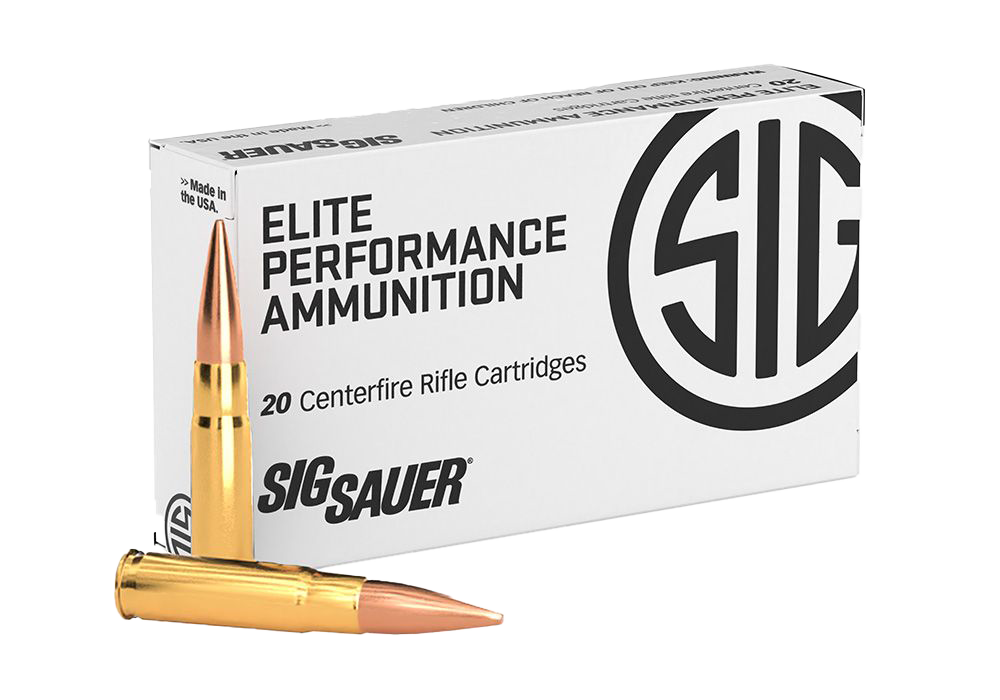
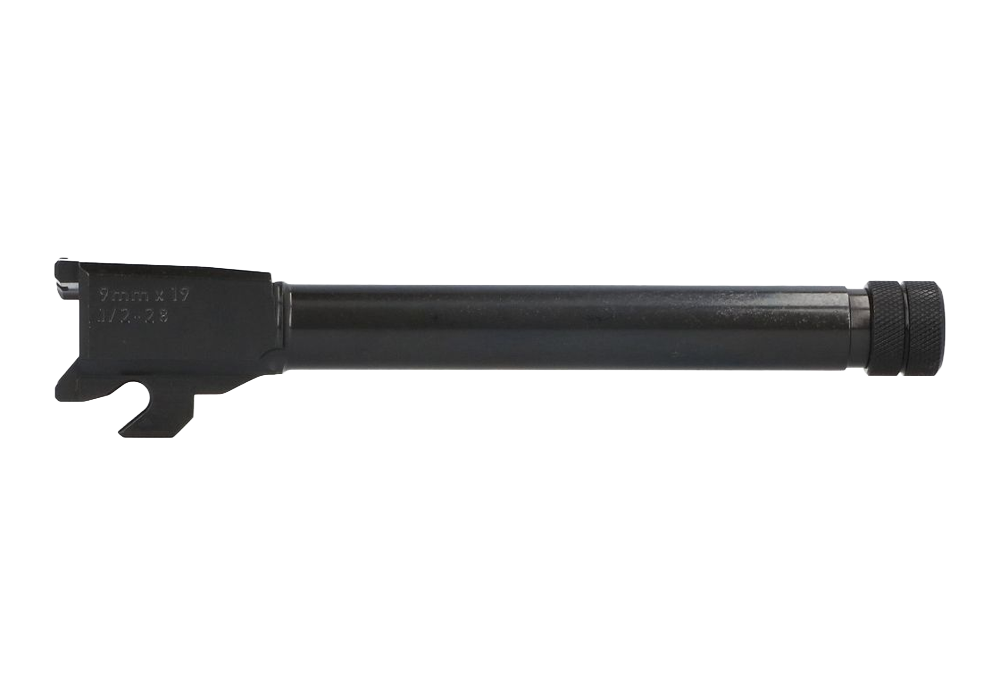
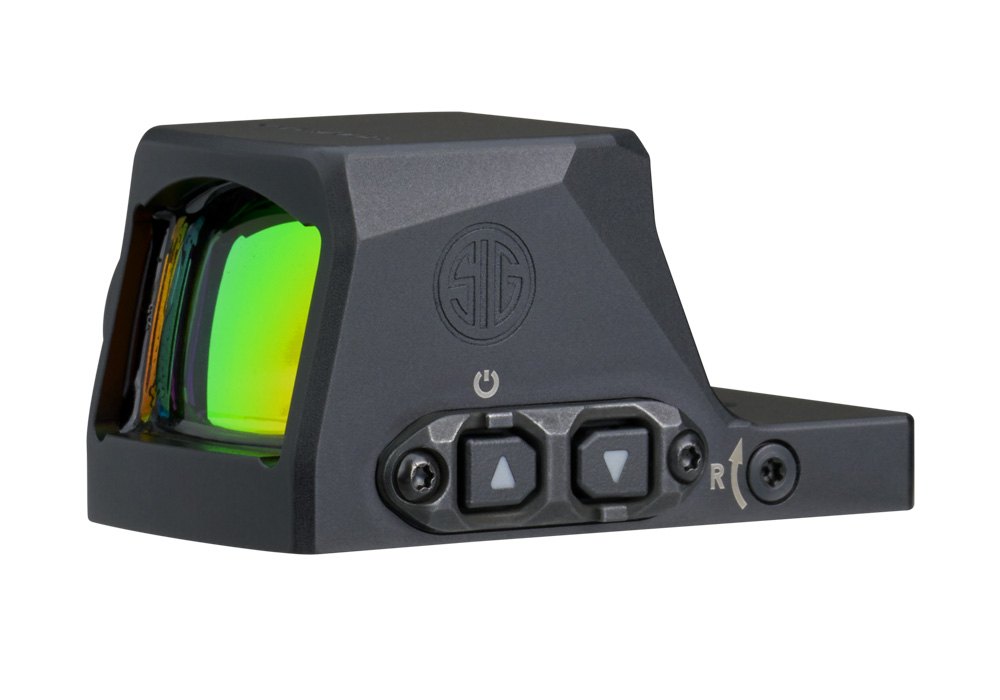
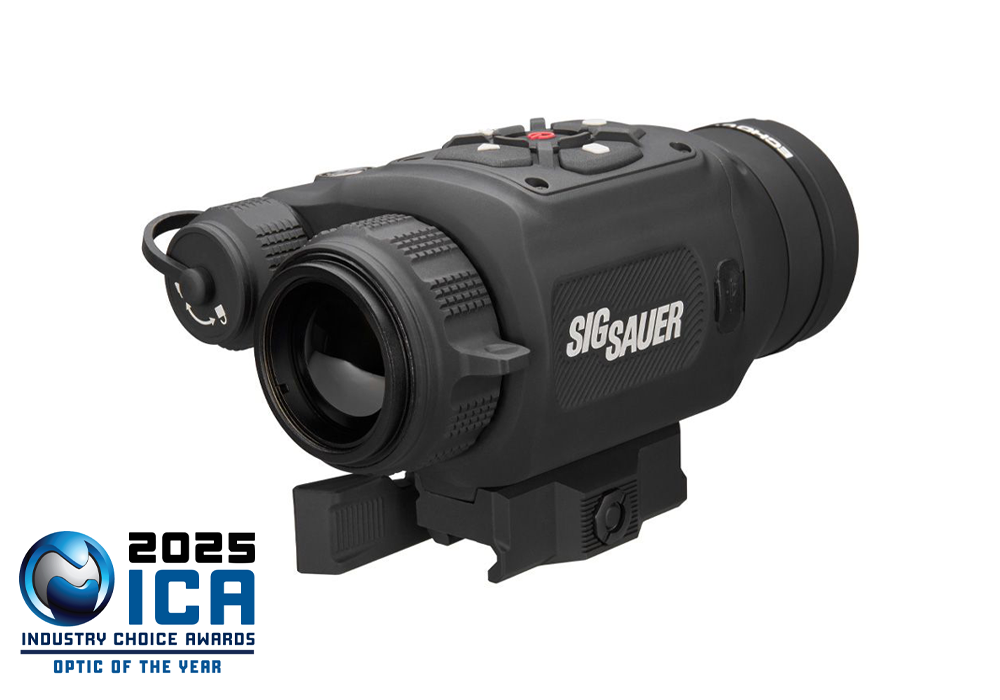
Materials and fit become especially important when equipment is handled regularly rather than kept for occasional use. Depending on the category, steel, aluminum, polymer, and protective surface treatments offer different combinations of weight, rigidity, texture, and resistance to wear. A lighter construction may feel more comfortable during transport, while a different balance or surface texture may better suit an individual’s hands. These qualities are not interchangeable, and a material name by itself does not establish overall quality. Manufacturing tolerances, component design, finish coverage, and the manufacturer’s maintenance recommendations all contribute to how a product holds up over time. Fit is similarly specific. For firearms, comfortable access to controls and an appropriate grip fit matter more than a general size label. For optics, mounting compatibility, viewing comfort, and clearly stated environmental ratings deserve close attention. Ammunition must match the firearm’s specified chambering and manufacturer requirements; visual similarity is not a reliable basis for selection. Suppressors involve their own compatibility requirements and legal considerations, making manufacturer documentation and applicable regulations essential parts of any purchase decision. Protective equipment also benefits from careful fit assessment, particularly when eye and hearing protection are worn together for an extended range visit. A pressure point that seems minor at first can become distracting after an hour, and protective equipment must provide the coverage and protection its intended use requires. Florida’s warmth makes these small details noticeable: a textured surface feels different in a damp hand, and equipment carried from a cool vehicle into humid air may need time and attention before use. A familiar routine, such as checking equipment before leaving home and inspecting it again after returning, helps keep care from becoming an afterthought. Purchases tend to be more satisfying when the owner understands both the product’s function and the responsibilities that accompany it. Clear specifications, accessible documentation, and a realistic sense of how often the equipment will be used provide a stronger foundation than popularity alone.
Care and storage help preserve the qualities that attracted a shopper in the first place. In Florida, a closed case should not be assumed to provide protection from humidity simply because it keeps out dust. Damp fabric, trapped moisture, and residue from handling can affect surfaces during storage, especially when equipment is put away immediately after an outdoor outing. Cleaning and drying according to the manufacturer’s directions, using compatible maintenance materials, and checking storage conditions support dependable long-term ownership. Optical surfaces require particular care because unsuitable cloths or cleaning agents can damage coatings, while ammunition benefits from storage that protects it from moisture and excessive heat. Firearms should be secured against unauthorized access, with ammunition stored separately, and any storage arrangement should account for children, visitors, and other household members. Transport and use also require attention to applicable laws and the policies of the destination range or facility. These considerations apply whether the purchase supports regular practice, an established sporting interest, or a return to the range after time away. Gifts call for a similarly thoughtful approach. Nonregulated shooting-sports accessories can be appropriate for an adult enthusiast when the giver knows the recipient’s preferences, sizing needs, and existing equipment. Regulated purchases and transfers require compliance with the relevant legal requirements and should never be treated as ordinary gift exchanges. During the cooler months, when outdoor plans may become more comfortable across much of the state, equipment that is easy to maintain and well suited to its owner can support a more relaxed routine before and after each visit. Regional browsing can offer another point of comparison through Top Selling Items in South Carolina, while individual suitability remains the deciding factor. Florida shoppers have varied experience levels, household needs, and preferred settings, so no single feature defines the right purchase for everyone. The strongest choices connect intended use with appropriate fit, verified compatibility, durable materials, and manageable care requirements—qualities that remain relevant well beyond a particular season or a product’s place among top sellers.