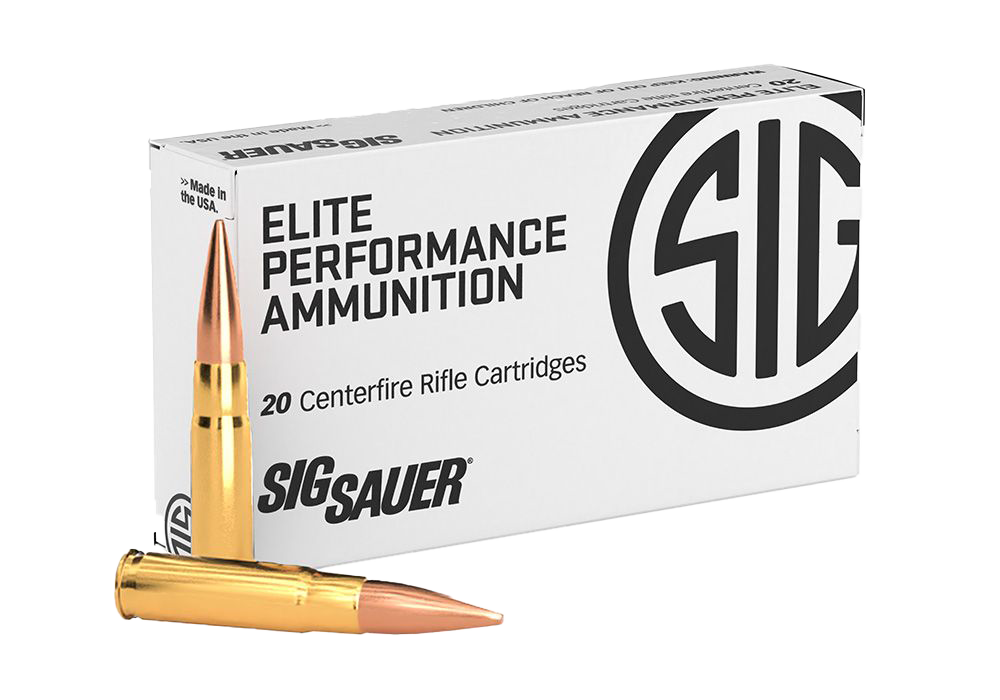
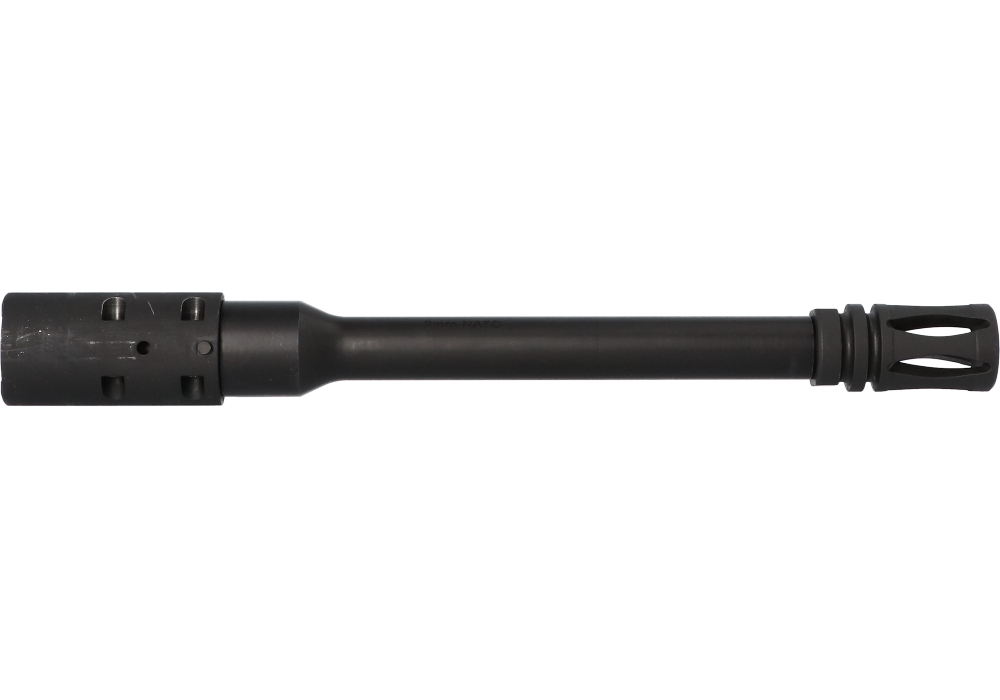
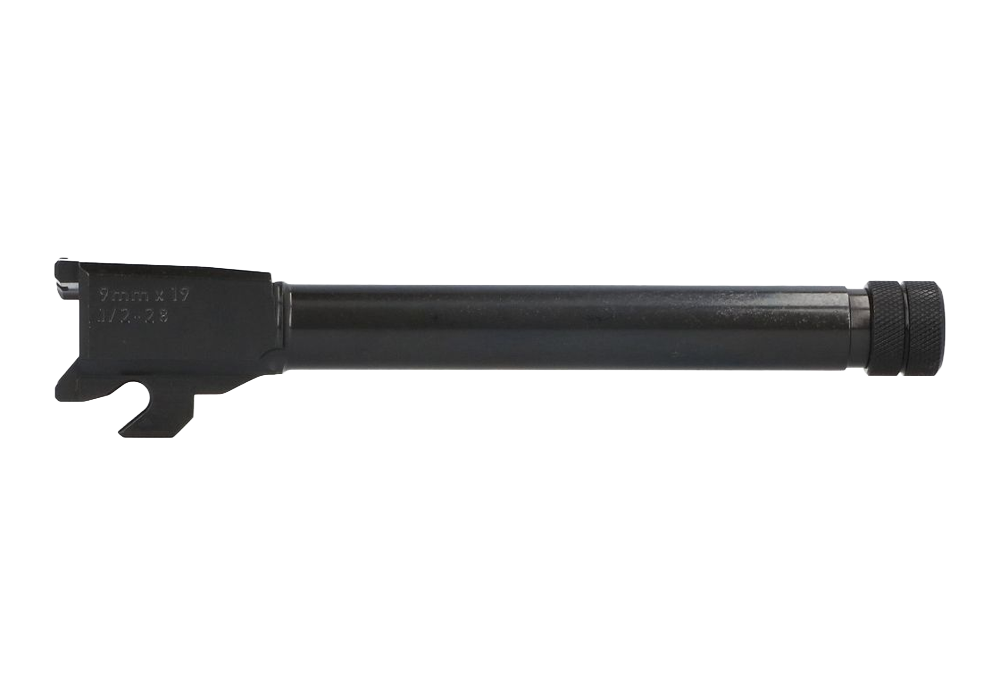
A collection of top-selling items in Arizona offers a focused look at firearms, ammunition, optics, and shooting accessories for lawful sporting use. The appeal extends beyond any single shooting discipline: a recreational target shooter, an experienced competitor, and an adult preparing for a first supervised range visit can approach the same collection with very different priorities. From a range session near Phoenix to a club event outside Tucson, equipment has to suit the person using it as well as the activity planned. For firearms, that relationship begins with comfortable dimensions, accessible controls, and a balance that feels manageable without forcing an awkward posture. Grip shape, overall weight, and sight visibility can matter more in regular use than a long list of features. Someone who spends most sessions at a shooting bench may value different handling characteristics than someone participating in an organized sporting event, where equipment rules also influence suitability. Familiarity matters, too. A design that feels intuitive during supervised instruction can support a more consistent experience than an unfamiliar configuration selected on appearance alone. Ammunition belongs in that same conversation, with the firearm’s specified chambering and manufacturer guidance providing the basis for compatibility. Range policies and the requirements of a particular sport may further narrow the appropriate choices. These considerations give an Arizona best-seller collection practical context without suggesting that popularity alone establishes the right fit. The most useful comparison is between the equipment’s intended role and the owner’s actual routine: occasional recreational practice, regular instruction, organized competition, or another lawful sporting activity. Clear specifications, understandable care requirements, and a realistic sense of how equipment will be transported and stored help distinguish lasting usefulness from features that may see little use. A thoughtful selection feels appropriate from the first supervised familiarization session and continues to make sense as experience develops. That is especially relevant when several adults share a household but have different levels of familiarity, different physical proportions, and different reasons for visiting a range.
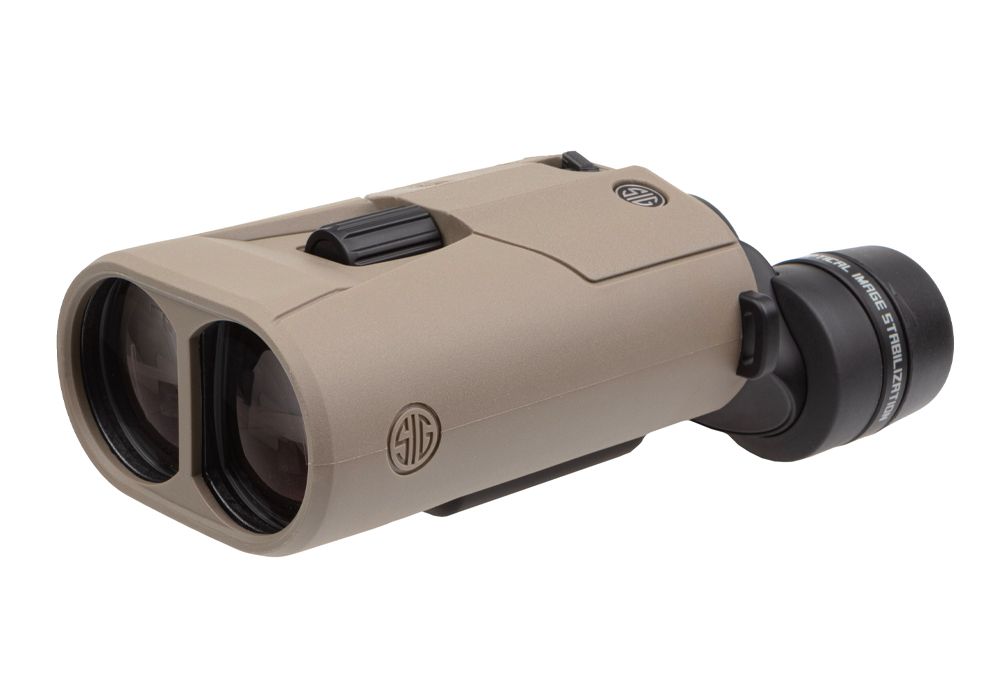
Materials and construction shape how shooting equipment feels, wears, and responds to routine care. Steel, aluminum, and reinforced polymers each serve different purposes, and their value depends on the design as a whole rather than the material name alone. Metal surfaces benefit from finishes suited to regular handling, while textured contact areas should offer a secure feel without becoming uncomfortable over an extended practice session. Well-fitted components, clearly marked controls, and accessible manufacturer documentation contribute to confidence in ownership. Durability also includes the less dramatic details: a protective case that keeps equipment from shifting during transport, lens covers that shield glass from scratches, and storage arrangements that prevent hard surfaces from rubbing together. A case resting beside a range bench should provide organized space for equipment without placing pressure on delicate components when closed. Optics introduce another set of considerations, including optical clarity, viewing comfort, overall dimensions, and compatibility with the equipment they accompany. Clear markings and straightforward adjustments can make routine use less confusing, but suitability still depends on the intended sporting application and the manufacturer’s specifications. Suppressors require particular attention to lawful ownership requirements, documented compatibility, and prescribed maintenance; professional guidance can help resolve questions without relying on assumptions about fit. They do not replace appropriate hearing protection or established range procedures. Across these categories, care should follow the instructions supplied with the equipment, including the recommended cleaning materials and service intervals. Solvents, lubricants, and cleaning tools are not universally interchangeable, and a finish that looks resilient can still require a specific approach. Secure storage is equally important, with access restricted to authorized adults and ammunition stored according to applicable requirements and manufacturer guidance. Equipment that is easy to inspect, protect, and maintain often fits more naturally into a regular shooting routine. For many owners, that practical ease is an important part of long-term satisfaction, alongside fit, function, and the confidence that comes from understanding the equipment’s limitations.
The broader appeal of shooting accessories is often clearest in the small details of a range visit. Comfortable eye protection, properly fitted hearing protection, organized transport, and suitable storage all support a more orderly experience, whether the visit lasts an hour or includes a structured class. Protective eyewear should sit securely without pinching, and hearing protection should work comfortably with other equipment rather than creating pressure points. A bag with distinct compartments can help keep personal belongings separate from range equipment, while a protective case gives delicate surfaces and lenses a dedicated place during travel. These are practical considerations for experienced enthusiasts as well as adults building familiarity through qualified instruction. They also create sensible gift possibilities when the recipient’s preferences are known. For an adult who already enjoys target shooting, an accessory that supports an established routine may be more appropriate than equipment requiring exact firearm compatibility or personal fit. Even seemingly simple choices benefit from knowing whether the recipient prefers compact organization, extra cushioning, or protective gear that works with prescription eyewear. Personal sizing and manufacturer requirements still matter, and a gift should complement responsible ownership rather than introduce uncertainty. Arizona shoppers may also be comparing equipment for individual use with accessories intended for a household’s shared range routine. In that setting, clearly separated storage, identifiable personal protective equipment, and straightforward care requirements can be especially useful. Shoppers interested in another regional collection can explore Top Selling Items In New Mexico for a neighboring perspective on shooting-sports selections. Across either collection, the strongest basis for a decision remains the same: lawful intended use, confirmed compatibility, comfortable fit, and care that the owner can consistently provide. Those qualities connect the appeal of popular equipment to the everyday details that matter after a range visit ends, when everything needs to be inspected, protected, and securely stored until its next appropriate use.