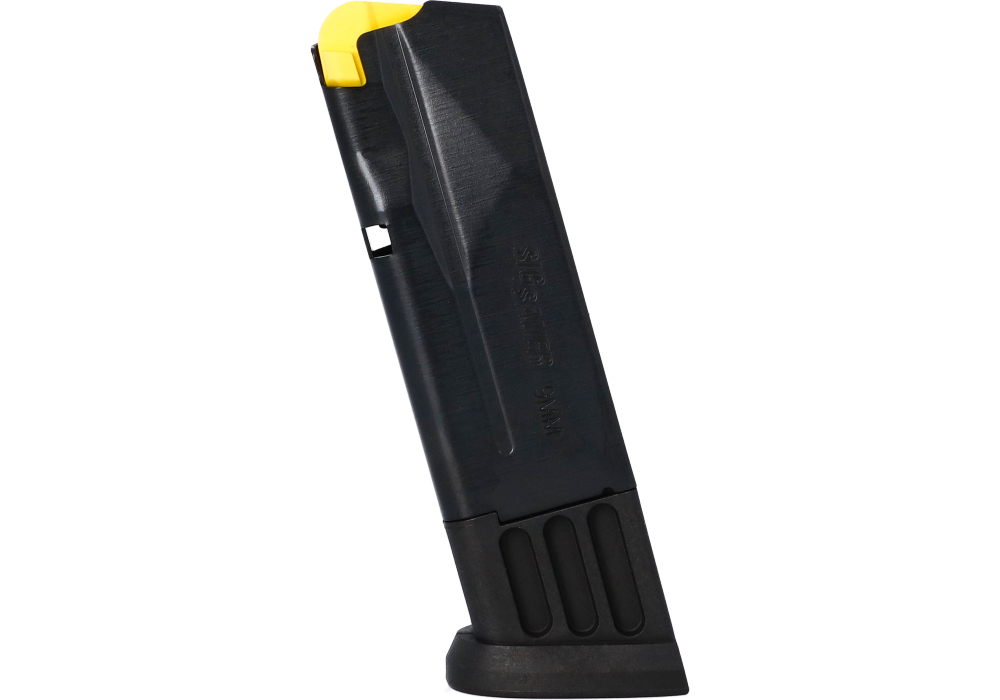
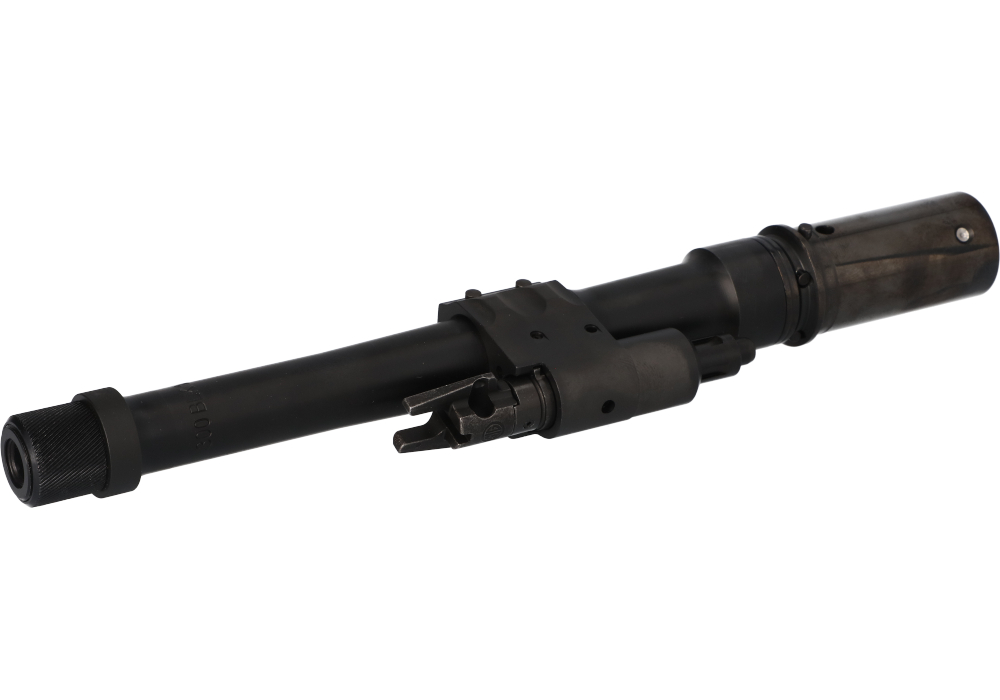
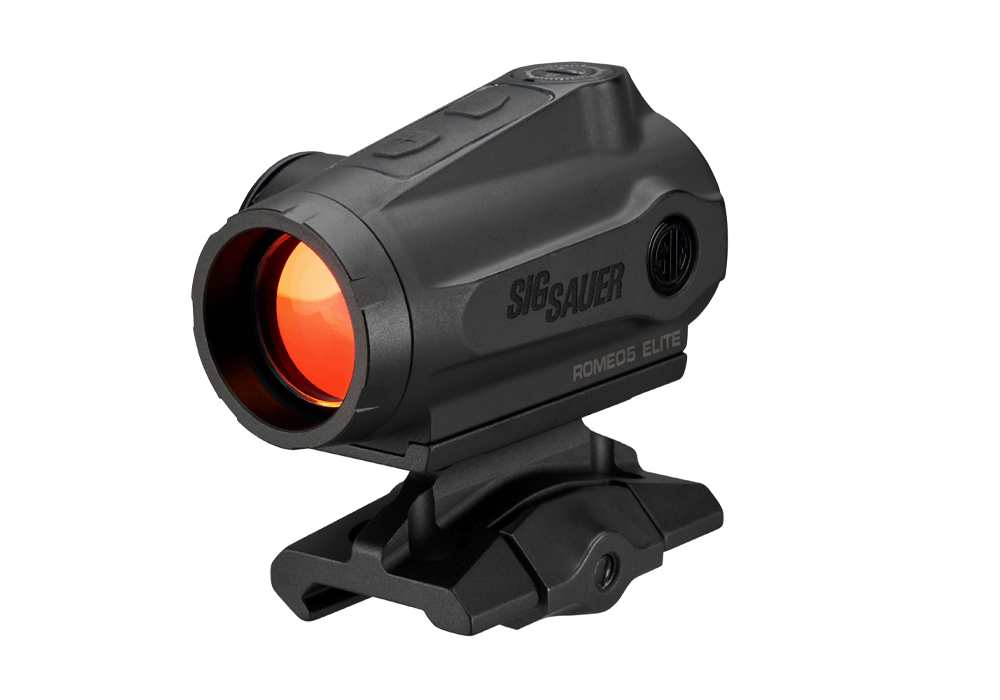
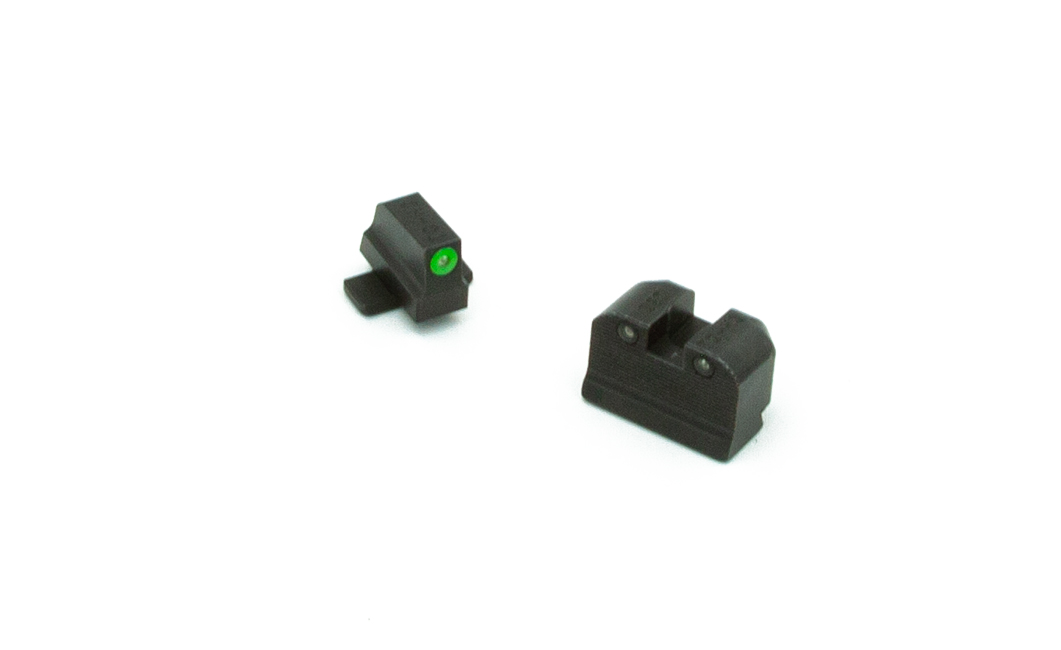
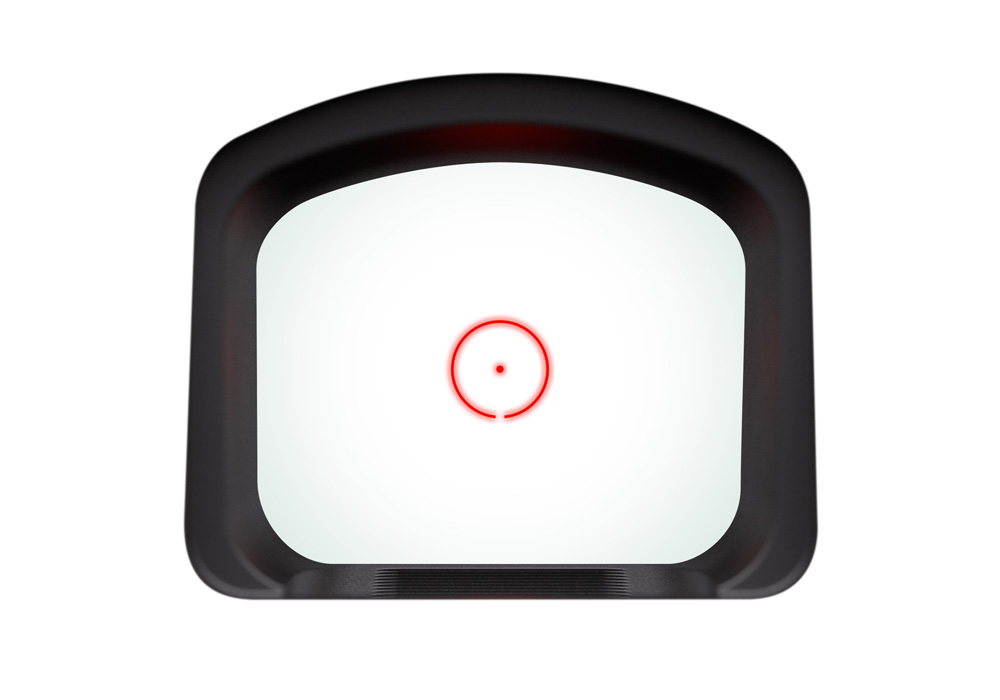
For shoppers exploring top selling items in Rhode Island, firearms, ammunition, optics, and range equipment belong to a distinct corner of the state’s retail landscape: products selected for recreational shooting, organized competition, lawful hunting, and responsible ownership. In this setting, local relevance comes less from a state outline or souvenir motif and more from how equipment fits a person’s routine. A regular indoor range visitor may value comfortable hearing protection and an organized equipment bag, while someone spending time at an outdoor sporting club may pay closer attention to weather resistance, lens protection, and secure storage between outings. Rhode Island’s coastal setting adds practical context. Salt air, damp mornings, and the transition from a heated vehicle to a cool outdoor range can put materials and finishes through changing conditions. Corrosion-resistant surfaces, sturdy closures, and protective cases are useful considerations, although no finish eliminates the need for appropriate care. Materials matter in ways that become apparent with repeated handling: steel provides strength at working surfaces, aluminum can reduce weight in certain components, and reinforced polymers can offer a balance of resilience and manageable weight. The right balance depends on the equipment’s intended purpose rather than a single material being best for every application. Likewise, a textured surface should feel secure without becoming uncomfortable over a long practice session, and a carrying strap should sit comfortably when a bag contains a normal day’s equipment. Popularity can help introduce shoppers to a category, but suitability rests on fit, compatibility, and the conditions in which a product will be used. A collection of regional favorites is most useful when viewed through those everyday needs, with product specifications providing the details that a broad bestseller label cannot. For newer participants, that means distinguishing essential protective and storage equipment from optional conveniences; for experienced owners, it may mean replacing worn essentials or finding a better fit for an established routine.
Fit deserves particular attention because equipment that looks similar on a screen can feel noticeably different in person. For firearms, responsible selection includes understanding the intended sporting use, the manufacturer’s specifications, and whether the controls and overall dimensions are appropriate for the individual. Professional instruction and supervised familiarization can help newer owners develop safe handling habits before independent practice. Protective equipment has its own fit requirements: eyewear should remain stable without uncomfortable pressure, and hearing protection should provide the correct protection for the setting while fitting as its manufacturer directs. A hat, glasses, or clothing can affect how earmuffs seal, so comfort should never be evaluated separately from function. Optics also require a clear understanding of compatibility and purpose. Mounting interfaces, overall dimensions, manufacturer guidance, and the needs of the intended recreational activity matter more than appearance alone. Clear specifications for weather resistance and lens care are especially useful for equipment that travels between indoor storage and outdoor use. Ammunition requires an exact match to the firearm’s marked chambering and the manufacturer’s instructions, along with compliance with the rules of the range or sporting venue. Packaging and labels should remain identifiable, and storage should protect ammunition from moisture, excessive heat, and unauthorized access. Bags and cases deserve the same deliberate attention as the equipment inside them. Strong stitching, protected seams, dependable handles, and compartments that keep protective gear separate from cleaning supplies can make an ordinary range visit more orderly. A padded compartment may help prevent surface wear during transport, but padding alone is not a substitute for secure storage. Cases should suit the equipment’s dimensions without forcing closures or allowing unnecessary movement. Before transporting firearms or ammunition, owners should check applicable state and local requirements, as well as destination rules. Rhode Island residents who visit clubs or ranges elsewhere in New England should not assume that crossing a state line leaves every requirement unchanged. These practical details distinguish equipment that simply looks suitable from equipment that supports a consistent, responsible routine.
Care and durability become easier to judge when considered across an entire season rather than a single outing. During the cooler months, a damp bag left zipped after an outdoor visit can hold moisture against its contents, while grit carried in on a bench mat can work into fabric seams and closures. Allowing suitable equipment to dry according to its care instructions, inspecting handles and fasteners, and keeping storage areas clean can help preserve service life. Firearms should be unloaded before cleaning, with ammunition kept away from the cleaning area, and maintenance should follow the manufacturer’s directions. Cleaning chemicals should be appropriate for the materials involved; a formula intended for one surface may be unsuitable for another finish, a polymer component, or coated glass. Lenses benefit from their own care routine, using the recommended cleaning method rather than a shirt sleeve or a general household cleaner. For equipment exposed to coastal air, periodic inspection is worthwhile even when the exterior appears clean. Secure storage remains essential between uses, with access restricted to authorized individuals and suitable safeguards for the household. For gift giving, nonregulated supporting gear can be a thoughtful choice when the recipient’s preferences are known. Comfortable protective equipment, a well-organized range bag, or compatible care supplies can suit someone starting lessons, joining a sporting club, or refreshing frequently used essentials. Fit-sensitive gear is best chosen with the recipient’s input, and compatibility should be confirmed rather than guessed. Shoppers interested in a neighboring regional collection can also explore Top Selling Items In Connecticut, while evaluating each selection against personal needs and applicable requirements rather than assuming regional collections are interchangeable. Across Rhode Island’s shooting-sports community, the most useful purchasing considerations remain straightforward: suitable materials, clear specifications, comfortable fit, proper protection, and a realistic care routine. Those qualities give everyday equipment lasting value, whether it accompanies an occasional supervised range visit or becomes part of a familiar weekend sporting schedule.