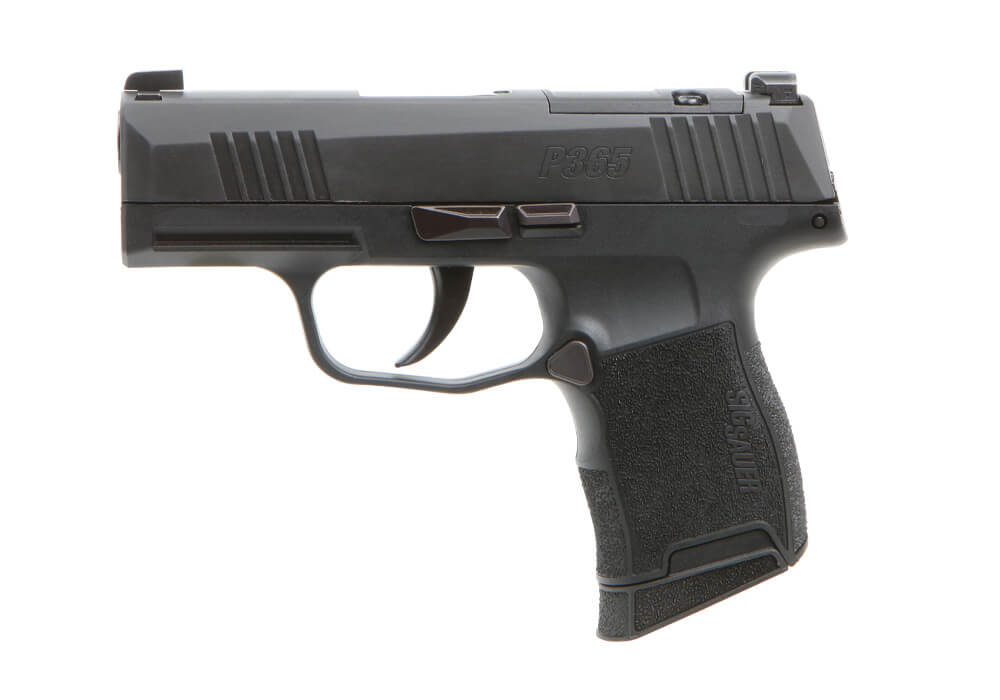
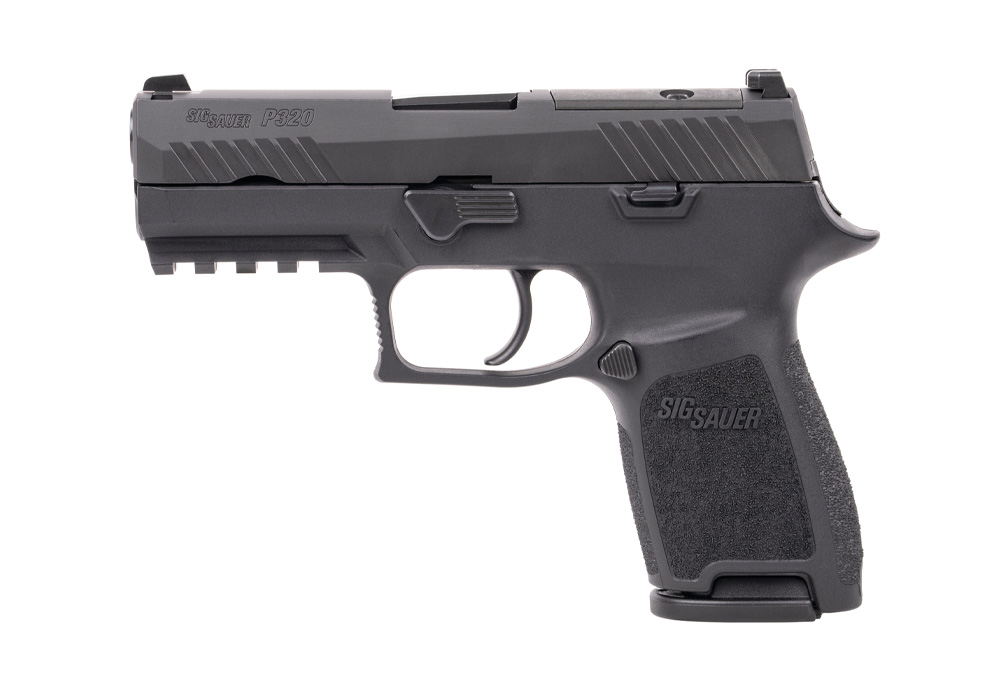
Top selling items in New Hampshire reflect a range of shooting-sports interests, from regular target practice and organized competition to lawful hunting and responsible firearm ownership. Firearms, ammunition, optics, suppressors, and supporting equipment each serve a different role, but their practical value comes down to suitability for the person and the intended activity. Someone spending an afternoon at an established range may prioritize comfortable handling, clear sights, and a case that keeps equipment organized during transport. A hunter may place more emphasis on manageable weight, dependable construction, and an optic suited to the distances and terrain encountered in the field. An experienced competitor may pay closer attention to consistent controls and equipment compatibility across a familiar setup. Fit matters across all of these uses. Grip dimensions, reach to the controls, overall balance, and stock dimensions can influence whether a firearm feels comfortable and manageable during supervised handling or instruction. Size alone does not establish suitability, and appearance says little about how equipment will work for an individual. Steel, aluminum, and reinforced polymers offer different combinations of weight, rigidity, and resistance to everyday wear; the material is most meaningful when considered alongside its finish, construction, and maintenance requirements. A heavier component may be appropriate for one application while a lighter alternative better suits another. Durable equipment also benefits from thoughtful care, including inspection, cleaning, and lubrication according to its manufacturer’s instructions. Finish wear at frequent contact points can differ from damage that affects function, making familiarity with the equipment and its documentation valuable throughout ownership. For newer participants, professional instruction and supervised opportunities to evaluate fit provide useful context before selecting unfamiliar equipment. For established enthusiasts, a purchase may support a specific activity rather than replace an entire setup. The common thread is a clear understanding of intended use, with safe handling, secure storage, and applicable purchase and possession requirements remaining part of the decision.
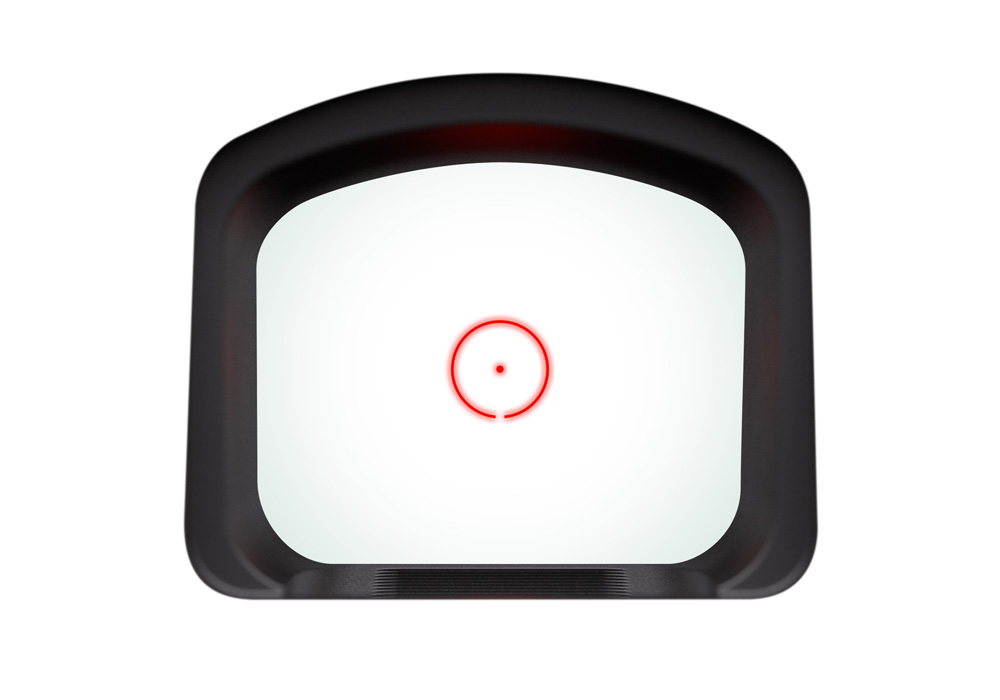
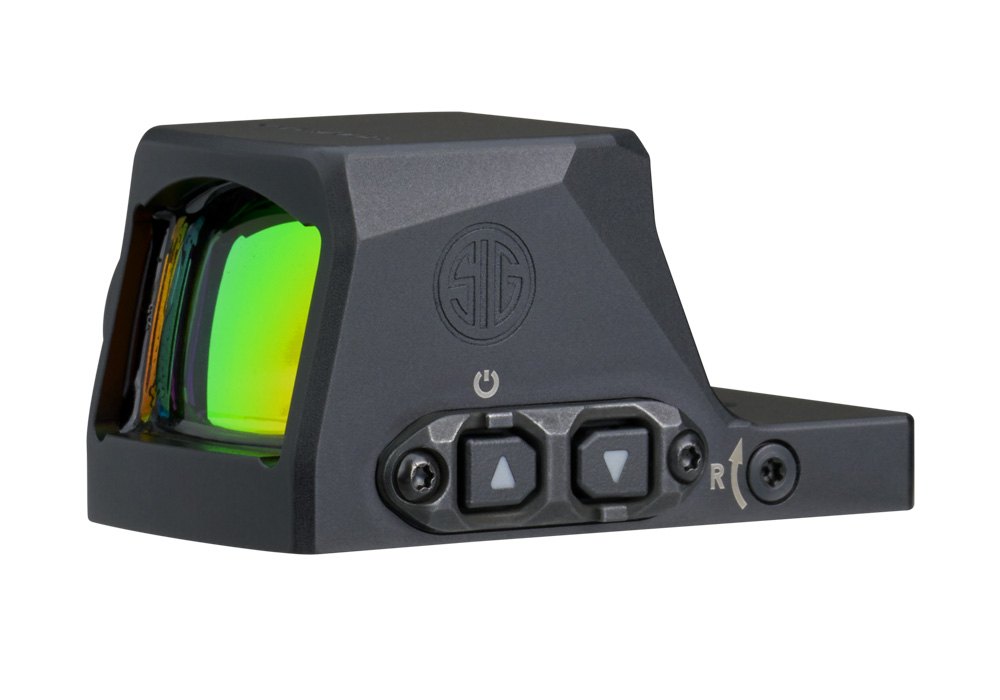
Ammunition and sighting equipment bring their own compatibility considerations, even when the intended activity is familiar. Ammunition must match the firearm’s specified chambering and the manufacturer’s guidance; similar-looking cartridges are not necessarily interchangeable. Beyond that essential requirement, ammunition intended for target practice, competition, or lawful hunting can differ in construction and performance characteristics. Consistency and suitability matter more than packaging language, and any restrictions established by a range or governing a hunting activity remain relevant. Original packaging helps preserve identification and separates ammunition types during storage, while a secure storage arrangement supports responsible ownership. Optics deserve the same attention to the complete setup. Magnification, field of view, eye relief, reticle design, and overall dimensions affect the viewing experience, but mounting compatibility is equally important. An optic that suits deliberate target shooting may feel different during field use, where carrying weight and an unobstructed view can take on greater importance. Clear markings and controls that are easy to distinguish can make equipment more comfortable to use without replacing the need for instruction and familiarity. Mounts and attachment hardware must match the relevant interfaces and follow manufacturer specifications; visual similarity is not proof of compatibility. Suppressors likewise require careful attention to the firearm, ammunition, mounting system, and the manufacturer’s stated use limits, along with all applicable legal requirements. They do not eliminate the need to assess hearing protection or follow range safety rules. Across these categories, durability involves more than a rugged exterior. Secure attachment points, readable markings, serviceable components, and appropriate care all contribute to long-term usefulness. Lens surfaces benefit from cleaning methods intended for optical coatings rather than improvised wiping with a shirt or paper towel. Ammunition benefits from protection against contamination, and equipment documentation provides the correct reference for inspection and service intervals. A coordinated setup is one in which every component has a defined purpose and a verified relationship to the equipment around it, rather than simply sharing a similar finish or style.
Supporting equipment often determines how smoothly a range visit or hunting outing comes together. A well-organized bag gives eye protection, hearing protection, documents, and maintenance supplies distinct places, reducing the need to search through loose gear at a bench. Cases serve a different purpose: their dimensions, padding, closures, and lock provisions should suit the equipment being transported and the relevant transport requirements. A case that is too short can put pressure on its contents, while excessive empty space can allow movement unless the interior provides appropriate support. Handles, hinges, seams, and fastening points deserve attention because these are the parts handled repeatedly. The same practical approach applies to protective equipment. Eye protection should provide appropriate coverage and fit comfortably with hearing protection, while hearing protection needs a proper fit and a rating suited to the setting. Comfort matters during a full range session, especially where glasses, headwear, and other equipment meet around the ears. For someone who already participates in shooting sports, a thoughtfully chosen accessory can be a useful gift when the recipient’s preferences and equipment requirements are known. Protective equipment, organizational accessories, and care supplies still require attention to fit, material compatibility, and intended use; a familiar hobby does not make every accessory interchangeable. Firearm-related gifts also call for careful consideration of applicable laws and the recipient’s circumstances. New Hampshire residents and visiting enthusiasts may share an interest in the same activities, but possession, transport, and use requirements can differ across state lines. Regional browsing can extend to Top Selling Items in Vermont, with the same emphasis on intended use and compatibility. Over time, useful equipment earns its place through comfortable handling, dependable function, straightforward care, and suitability for the owner’s activities. A carefully fitted case, clearly identified ammunition, properly matched optic, and secure storage arrangement each contribute something distinct, supporting responsible ownership well beyond the initial purchase.