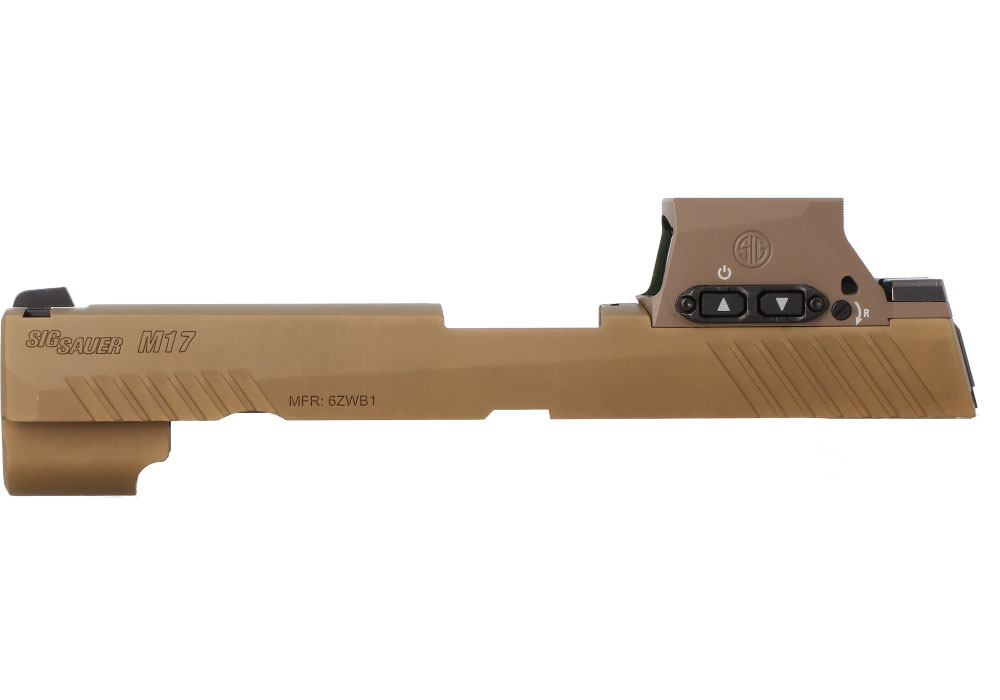
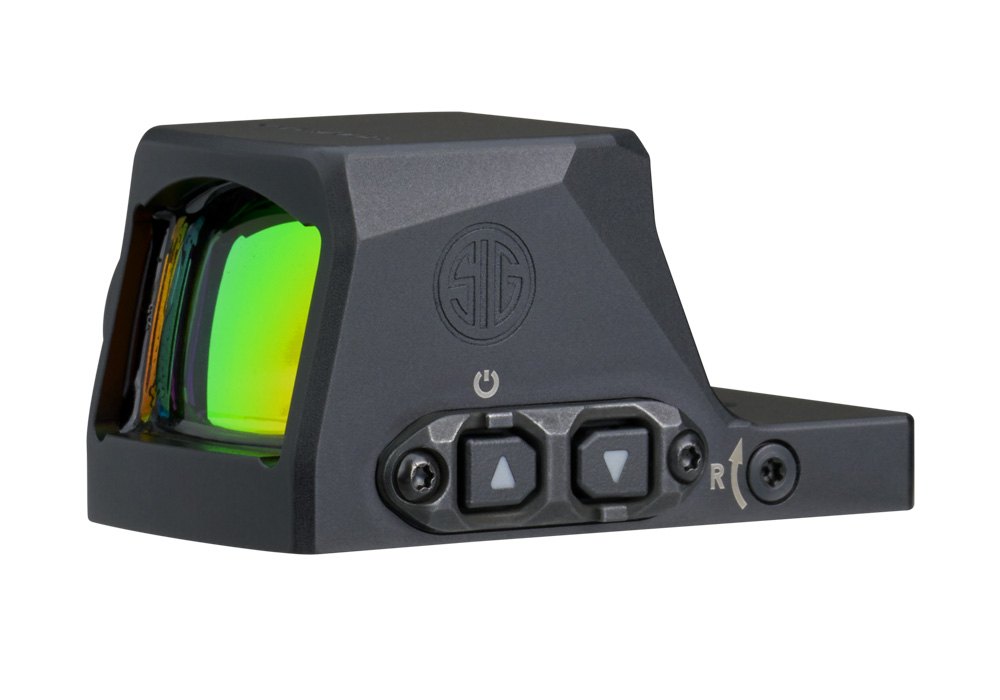
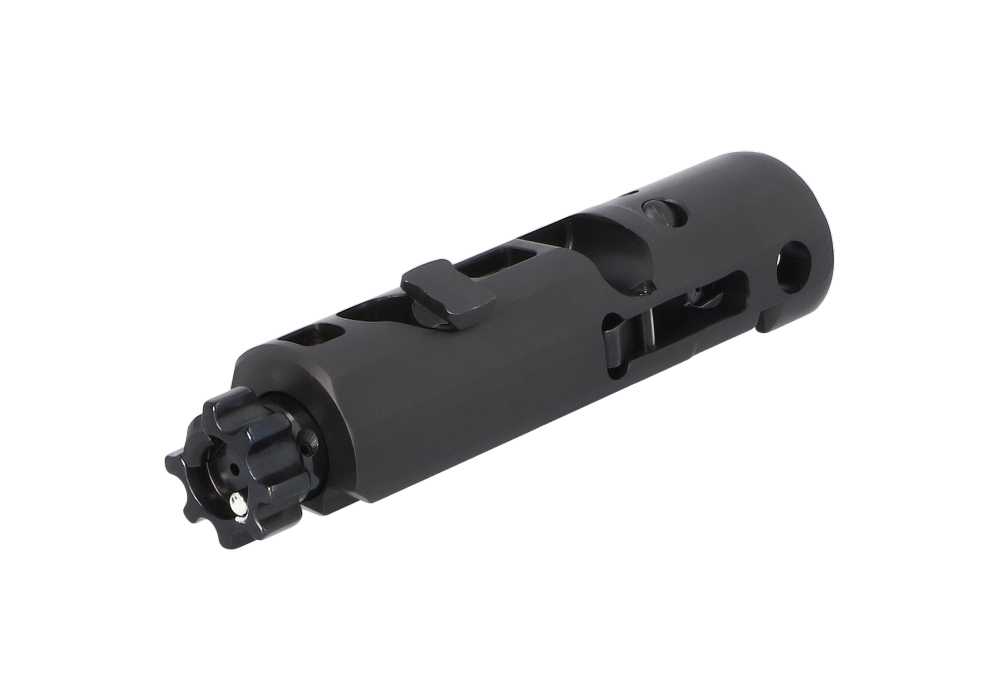
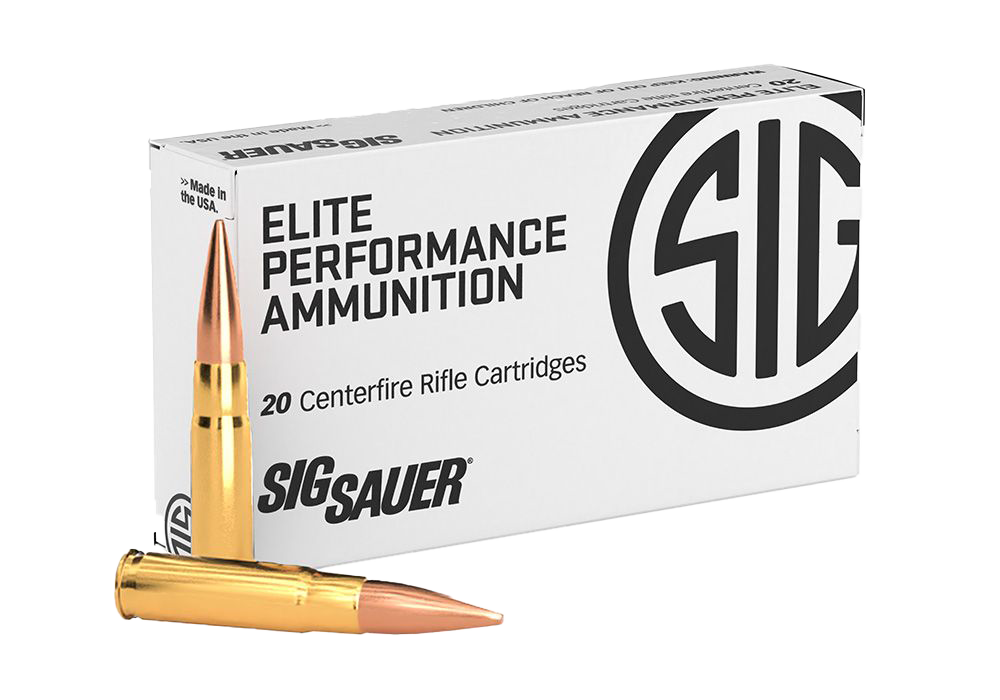
For shoppers exploring top selling items in Vermont, sporting equipment belongs in the context of the state’s wooded hills, rural communities, established hunting traditions, and changing weather. Firearms, ammunition, optics, suppressors, and related accessories serve different purposes, but their value rests on a similar foundation: suitability for the intended activity, dependable construction, and a comfortable fit for the person using them. A recreational range visitor may prioritize straightforward controls and equipment that is easy to transport and maintain. An experienced hunter may place more emphasis on manageable weight during a long walk, weather resistance, and surfaces that remain comfortable to handle in cooler conditions. Neither set of preferences establishes a universal best choice. The appeal of a popular category is most useful when considered alongside the conditions in which the equipment will actually be used. In Vermont, that can mean damp leaves along a trail, moisture collecting on a carrying case, or a chilly morning followed by a much warmer afternoon. Metal finishes, polymer components, protective lens coatings, and secure closures all deserve attention because repeated exposure to moisture and everyday handling can reveal differences that are difficult to see in a photograph. Overall dimensions matter, too, particularly when equipment needs to fit an existing storage arrangement or travel comfortably with other outdoor essentials. Someone who spends several hours outside will notice weight and balance differently from someone attending a short supervised range session. Across these categories, detailed specifications provide a better basis for comparison than appearance alone. Materials, compatibility, maintenance requirements, and included components help explain what a purchase is intended to do and what additional equipment it may require. Popular selections can offer a useful starting point, while the most satisfying choice remains one that fits the owner’s experience, lawful activities, and willingness to care for it properly. That practical perspective keeps regional interest grounded in everyday usefulness rather than assuming that every Vermont shopper has the same priorities.
Materials and fit are especially important when comparing equipment expected to withstand regular outdoor use. Steel, aluminum, and reinforced polymers offer different combinations of weight, rigidity, surface protection, and upkeep, with performance depending on the complete design rather than the material name alone. A protective finish can help resist wear, but it does not eliminate the need to remove moisture or follow the manufacturer’s cleaning directions. Textured contact surfaces may feel different against bare hands and gloves, while a carrying strap that seems comfortable over a light shirt can sit differently over an insulated jacket. Those small details become noticeable when moving between a vehicle, a range bench, and an outdoor setting. For firearms, appropriate dimensions, accessible controls, and a fit assessed through safe handling with a qualified professional deserve more weight than a familiar silhouette. Ammunition requires exact compatibility with the firearm’s marked chambering and the manufacturer’s specifications; packaging descriptions should never substitute for that confirmation. Optics introduce another set of considerations, including viewing comfort, adjustment accessibility, environmental protection, and compatibility with the intended mounting system. Clear specifications about water resistance and fog resistance are more meaningful than vague claims about ruggedness. Suppressors likewise require careful review of compatibility, manufacturer limitations, and applicable legal requirements, and their use does not remove the need for appropriate hearing protection. Supporting accessories should complement the equipment rather than create awkward bulk or interfere with safe handling. A case needs enough room for its contents without forcing pressure against delicate components, and its interior should be kept clean and dry. For any category, durability is best understood as a combination of sound construction, appropriate use, and consistent care. Equipment that encounters wet conditions should receive attention before being put away, with cleaning methods and protective treatments selected according to its documentation. After returning from a damp outing, checking for trapped moisture and allowing suitable components to dry can help protect an investment more effectively than simply closing the case until the next trip.
Care and storage also shape how well sporting equipment fits into life through Vermont’s cooler months. Bringing cold equipment into a warmer indoor space can allow condensation to form, so a thoughtful routine includes inspecting accessible surfaces and following the manufacturer’s directions before storage. Firearms should be unloaded and secured against unauthorized access, with ammunition stored separately in a secure location. Ammunition benefits from a cool, dry environment and packaging that keeps its identification clear. Optical surfaces call for lens-safe materials rather than a sleeve or paper towel, which can carry grit or damage coatings. Batteries, seals, straps, and closures may also need periodic attention according to the relevant care instructions. These are ordinary ownership considerations, not details reserved for intensive use: occasional users still need equipment that can be stored responsibly and checked before its next outing. For households with different experience levels, clear documentation and access to qualified instruction can be as important as the equipment itself. New participants may appreciate uncomplicated maintenance requirements, while established enthusiasts may be more concerned with compatibility across an existing setup. Gift shopping brings those differences into sharper focus. Protective accessories, suitable eye and hearing protection, or care supplies can be thoughtful choices when the recipient’s needs and equipment specifications are known. Guessing about fit, chambering, mounting dimensions, or regulated purchases is less helpful than confirming the relevant details beforehand. Any firearm-related purchase or transfer requires attention to applicable federal, state, and local laws, and a regional shopping page is not a substitute for legal guidance. Shoppers interested in another regional assortment can also explore Top Selling Items in Virginia, while continuing to evaluate each selection against their own requirements. For Vermont shoppers, the enduring appeal of well-chosen sporting equipment is practical: comfortable handling, appropriate protection from the elements, manageable upkeep, and suitability for a clearly defined purpose. Those qualities remain relevant whether the next occasion is a supervised range visit, a lawful hunting outing, or a quiet afternoon organizing and caring for equipment before it is used again.