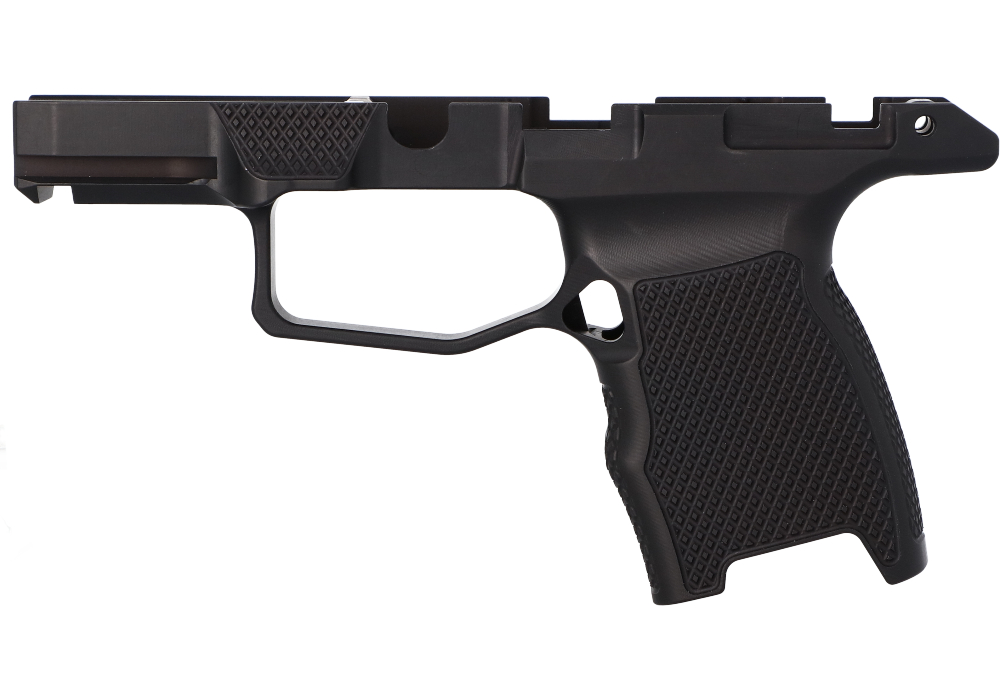
Top selling items in Wisconsin serve a range of shooting sports needs, from supervised range practice and lawful hunting to secure storage and routine equipment care. For shoppers comparing firearms, ammunition, optics, suppressors, and supporting equipment, the most useful starting point is intended use rather than appearance alone. A recreational shooter visiting a range near Milwaukee may have different priorities from a hunter preparing for an outing in central Wisconsin, even when both value dependable construction and straightforward upkeep. Equipment that feels comfortable during a brief inspection can feel different over a longer practice session, so dimensions, weight, balance, and ease of handling deserve attention. For firearms, fit includes whether the grip feels natural and whether controls can be reached comfortably without an awkward change in hand position. For protective equipment and carrying accessories, fit means adequate coverage, secure closures, and room for the equipment being carried without unnecessary movement. Materials also influence the ownership experience. Steel offers strength in demanding applications, aluminum can reduce overall weight, and reinforced polymers provide useful combinations of toughness and manageable weight. None of those materials eliminates the need for care, and the quality of a finish, fastener, hinge, or seam can matter as much as the primary material. A protective case that travels regularly between home and a shooting club, for example, needs reliable closures and an interior that keeps its contents separated and supported. A piece of equipment used mainly at a fixed range may place greater emphasis on comfortable handling and simple organization. Wisconsin’s mix of city neighborhoods, small communities, and rural recreation gives shoppers many different reasons to compare these details. Experience matters, too: a newer participant may appreciate clear documentation and uncomplicated maintenance, while a longtime enthusiast may be looking for a better fit within an established collection. Popularity can help narrow a broad selection, but suitability comes from matching the equipment to the person, the activity, and the conditions of responsible ownership.
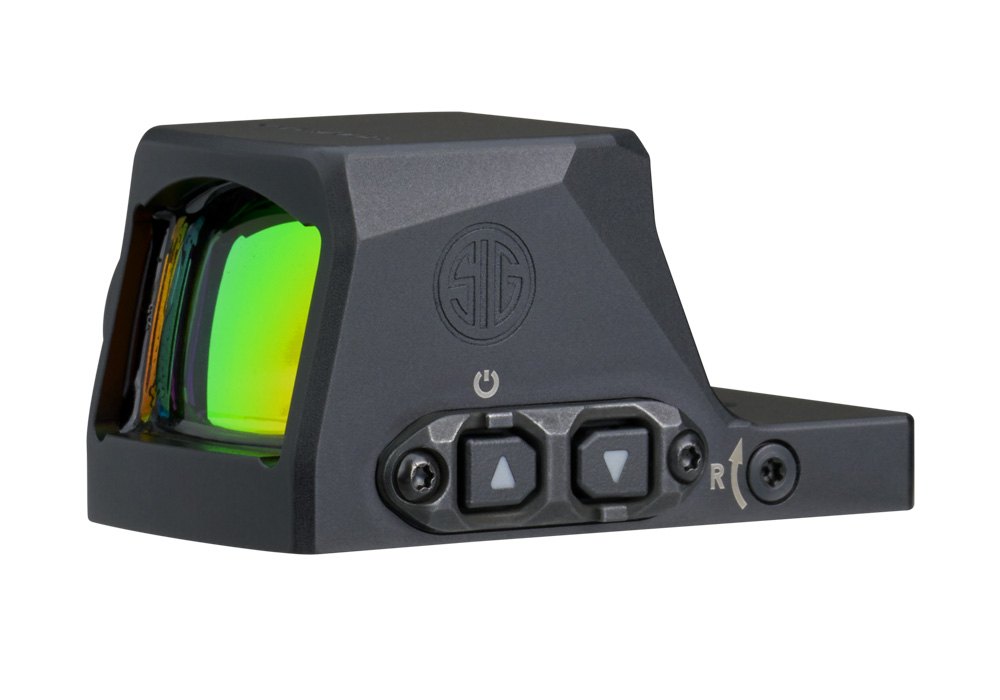
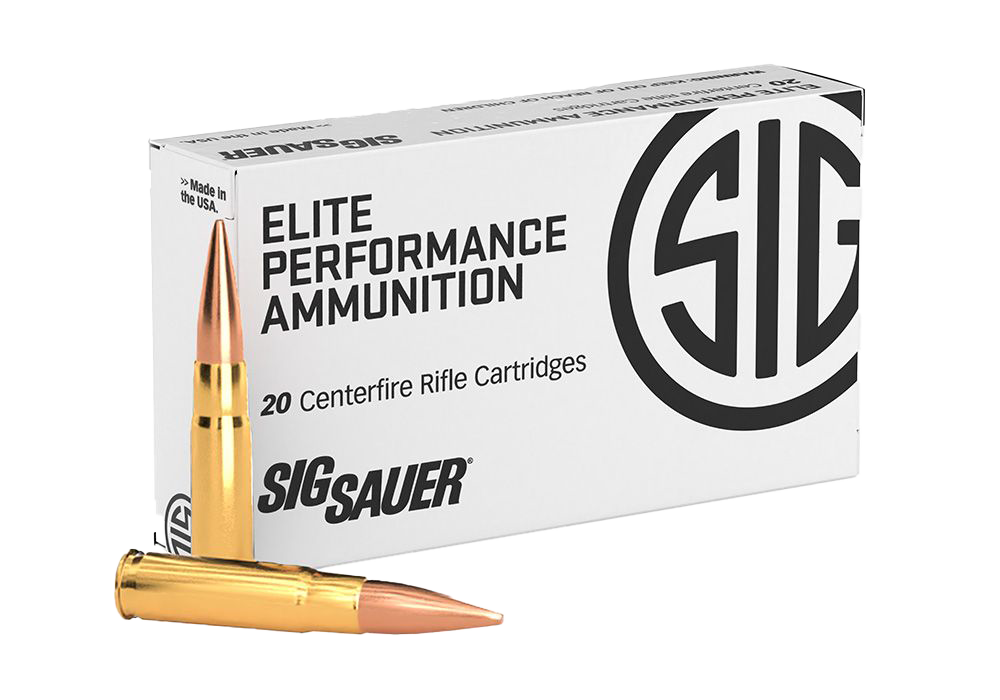
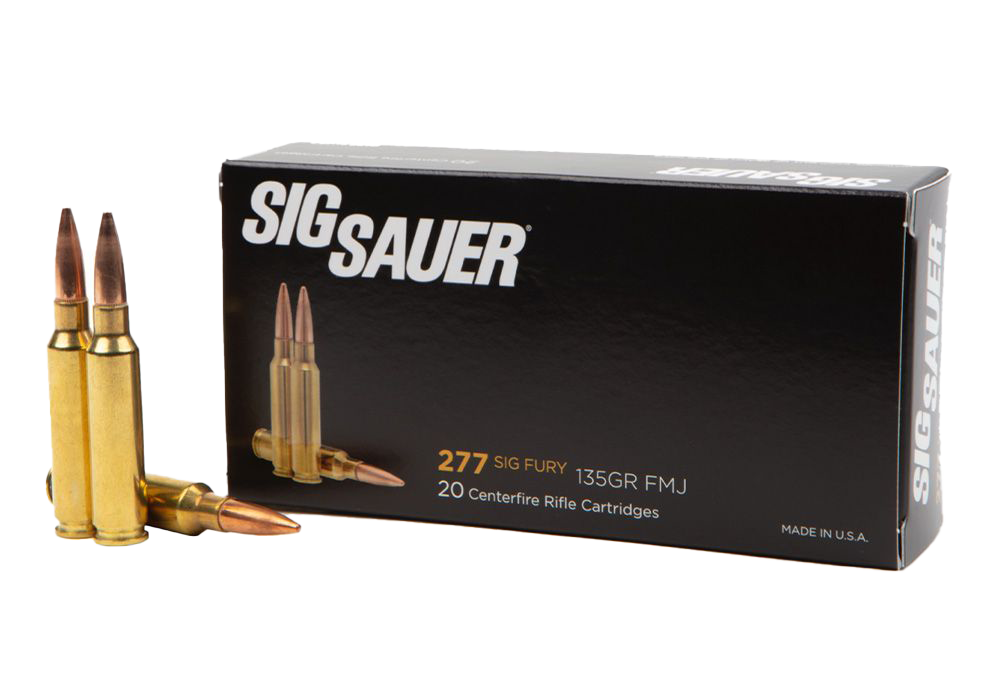
Ammunition and optical equipment call for careful attention to compatibility and manufacturer specifications. Ammunition must match the firearm’s specified chambering and approved requirements; a similar-looking cartridge or a familiar name is not a substitute for checking the markings and documentation. Intended use also matters, including whether ammunition is appropriate for a particular range or lawful hunting activity. Range operators can set restrictions, and hunting rules can differ by species, location, and method, so those requirements belong in the comparison before a purchase. Clear package labeling and organized storage help keep different ammunition types from becoming mixed together. With optics, practical considerations include viewing comfort, overall size, weight, mounting requirements, and the kind of sight picture that suits the activity. An optic that looks appealing on its own still needs to be compatible with the equipment it will accompany. Manufacturer documentation and qualified professional support are valuable when mounting requirements or fit are unclear. Suppressors likewise require careful review of legal requirements, host compatibility, and approved ammunition, along with any range rules that apply. They do not make firearms silent or remove the need to evaluate appropriate hearing protection. Across these categories, durability is closely connected to maintenance. Protective finishes can resist wear, but handling marks, residue, and neglected contact surfaces still deserve attention. Follow the manufacturer’s care directions, use cleaning materials approved for the relevant surfaces, and avoid assuming that one solvent or cloth is suitable for every component. Optical lenses, coated metal, polymer surfaces, and fabric interiors can have different care requirements. A dedicated place to organize cleaning supplies makes routine upkeep easier and helps prevent an unsuitable chemical from reaching a sensitive finish. After a range visit, checking equipment for visible wear, loose external hardware, or damage can reveal a concern before the next outing. Any issue affecting safe operation belongs with a qualified professional rather than an improvised repair. These practical habits support a longer service life without treating durable construction as permission to overlook maintenance.
Ownership also includes everything that happens between outings. Secure storage should prevent access by children, visitors, and anyone else who is not authorized to handle the equipment. A transport case and a secure home-storage solution serve different purposes, and a padded interior alone does not provide access control. Compare locking features, construction, mounting requirements where applicable, and the amount of interior space needed to keep contents organized without crowding. Ammunition should remain clearly identified and stored according to manufacturer guidance and applicable requirements. For transport, review the rules that apply to the firearm, destination, route, and mode of travel rather than assuming that a setup suitable for one trip works for every situation. This is especially relevant for Wisconsin residents who travel beyond the state for recreation or visit shooting facilities with their own operating policies. Shoppers interested in a neighboring state’s collection can also explore Top Selling Items In Michigan while keeping personal needs and local requirements central to the comparison. Gifts deserve the same attention to fit and suitability. Hearing protection, eye protection, storage accessories, and care supplies can be thoughtful choices for an adult who enjoys shooting sports, but preferences and compatibility still matter. Someone who wears prescription glasses may need protective eyewear that accommodates them comfortably, while a frequent range visitor may value hearing protection that remains comfortable through an extended session. A gift involving a regulated product requires particular attention to eligibility, transfer procedures, and the laws that govern the transaction. When personal fit is difficult to judge, confirming the recipient’s requirements is more useful than guessing based on appearance. Whether the purchase supports a first supervised range visit, an established recreational routine, or responsible care at home, the strongest choice is equipment with a clear purpose. Comfortable fit, appropriate materials, understandable care requirements, and secure storage give popular shooting sports equipment lasting practical value well beyond the initial purchase.