Connecticut’s shooting-sports community includes recreational target shooters, organized competitors, hunters, and firearm owners who take a careful approach to practice and maintenance. For these shoppers, top-selling items in Connecticut offer a starting point for considering how equipment fits into an established routine. Firearms, ammunition, optics, protective equipment, and maintenance accessories serve distinct purposes, and their usefulness depends on compatibility, handling preferences, and intended use rather than popularity alone. Equipment intended for frequent range visits may emphasize comfortable handling, straightforward cleaning, and consistent operation over repeated sessions. Hunting equipment brings different considerations, including manageable weight, appropriate performance for the intended activity, and compliance with applicable regulations. For someone returning to shooting after time away, familiar controls and a comfortable fit may matter more than additional features. Experienced participants may be looking for equipment that complements an existing setup without introducing unnecessary complexity. Materials play a practical role across these categories. Steel components offer strength in areas subject to repeated wear, while aluminum and reinforced polymers can help balance weight, durability, and handling comfort. Protective finishes can help resist ordinary surface wear, but no finish eliminates the need for proper care. The way equipment feels during a brief inspection can differ from how it feels through a full practice session, especially when controls are awkward to reach or a grip requires constant readjustment. Fit is therefore more than a matter of overall dimensions. It includes the relationship between hand size, control placement, balance, and the equipment’s intended role. Any handling assessment should take place with firearms unloaded, in an appropriate setting, and under established safety procedures. A well-matched selection supports comfortable, repeatable use without forcing the owner to work around avoidable limitations. That practical relationship between user and equipment gives this collection its most useful context: products belong in a complete, responsible shooting routine, not simply on a list of popular choices.
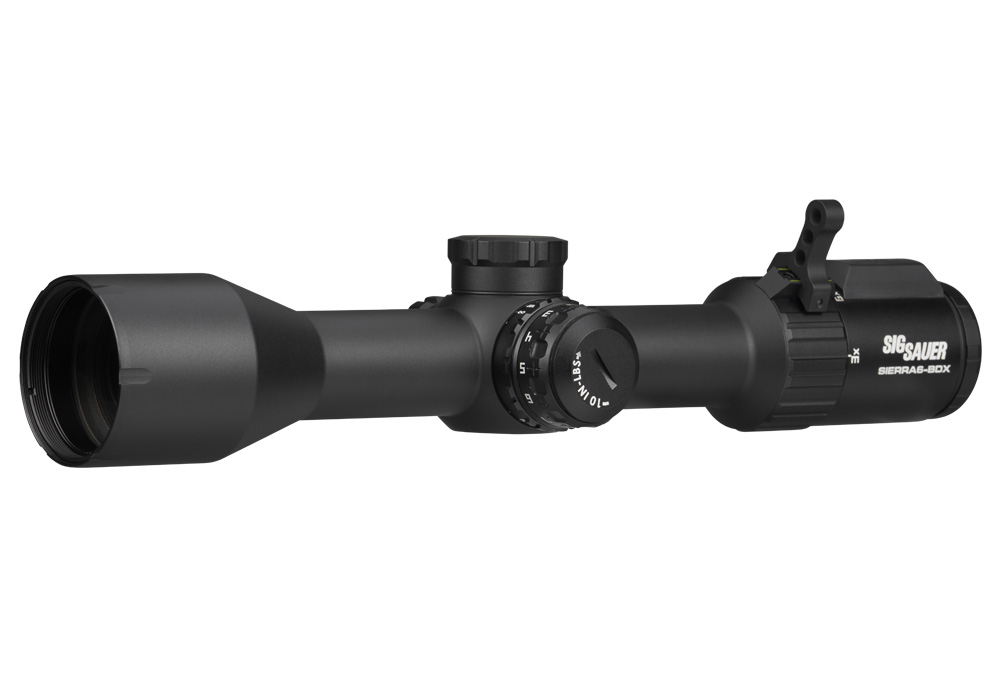
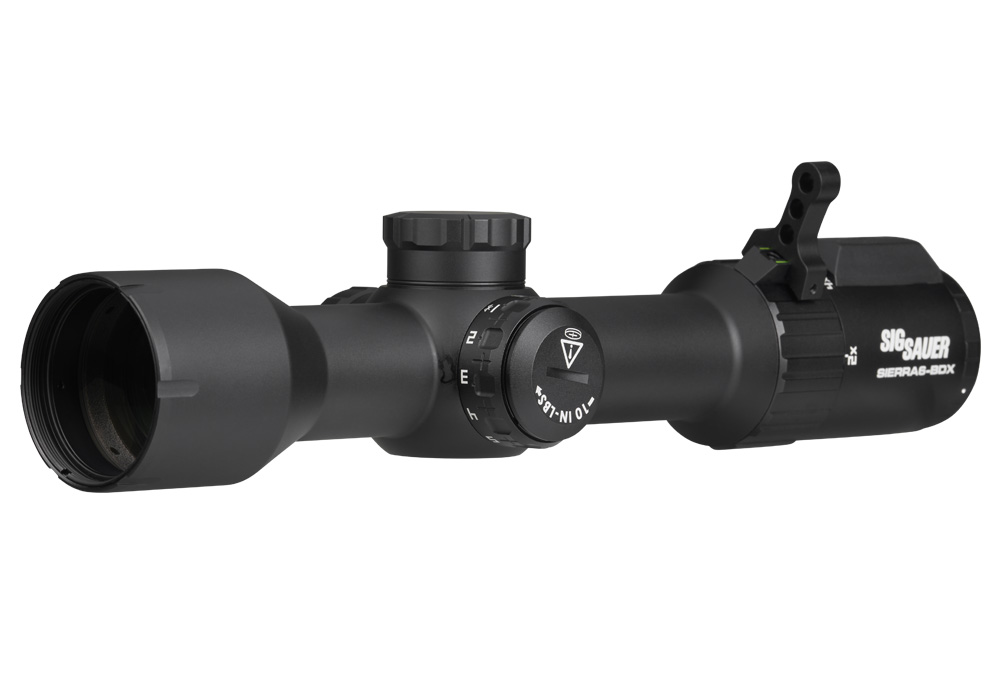
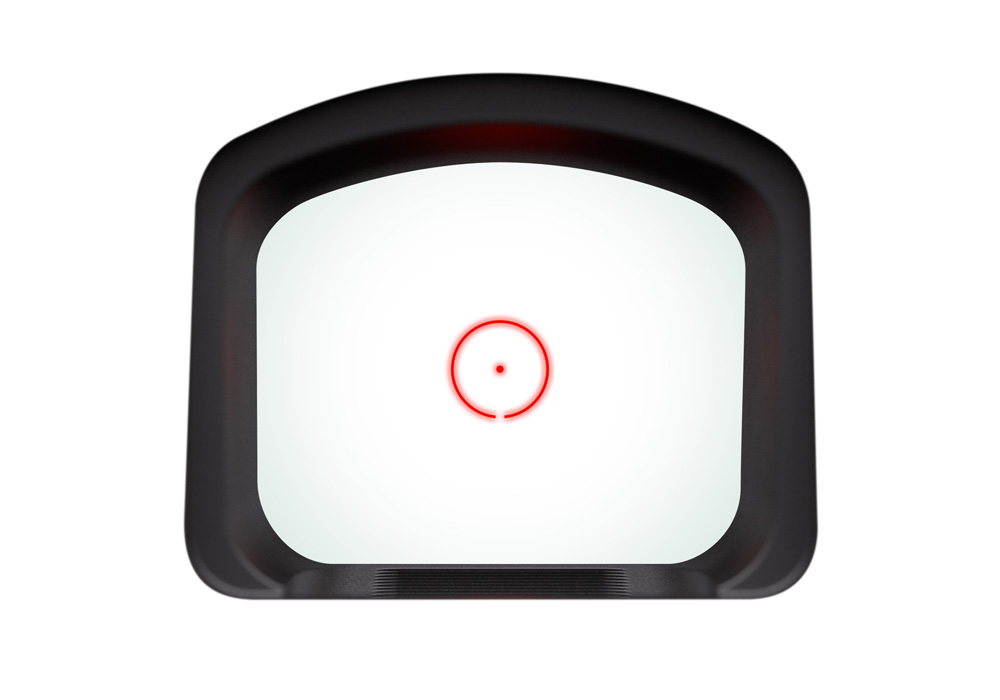
Compatibility is especially important when several product categories work together. Ammunition must match the firearm’s specified chambering and the manufacturer’s recommendations; similar names or appearances are not a substitute for confirming the correct designation. Range rules and the requirements of a particular shooting activity also influence the appropriate selection. Optics involve another set of relationships, including the mounting interface, viewing position, adjustment system, and intended shooting distance. A clear sight picture is useful only when the overall setup fits the equipment and the person using it. Shoppers comparing optical features can consider how easily markings are read, whether adjustments are accessible, and how the design suits the intended activity without assuming that additional features always improve the experience. Protective equipment deserves the same attention as the primary equipment it accompanies. Eye protection should fit securely without creating uncomfortable pressure, while hearing protection needs an effective fit that remains comfortable throughout a session. A person who wears prescription glasses may notice interference that another shooter does not, and combinations of protective equipment should work together rather than compete for space. Storage and transport accessories likewise need to suit their contents. Adequate internal dimensions, secure closures, durable stitching, and protective interiors all affect everyday usefulness. A case that forces equipment against a closure or leaves accessories shifting freely can become frustrating even when its exterior appears sturdy. For Connecticut shoppers traveling between home, a range, and other lawful destinations, transport arrangements should also be evaluated against applicable requirements. Storage at home calls for secure access control appropriate to the household, with particular attention to preventing unauthorized access. Responsible product selection includes these supporting needs from the outset. The equipment used before and after a shooting session often determines how organized, protected, and manageable the entire routine feels, whether that means keeping protective gear together or ensuring that stored equipment is secured appropriately.
Long-term satisfaction also depends on care that matches the materials and construction of each purchase. Manufacturer instructions provide the foundation for cleaning intervals, suitable maintenance products, inspection points, and storage conditions. A protective coating does not mean that moisture, residue, or contact with unsuitable chemicals can be ignored. Soft cleaning materials, compatible solutions, and careful handling help preserve surfaces without unnecessary abrasion. Optical lenses require particular care because an aggressive cleaning method can damage coatings even when the glass appears sturdy. Fabric accessories benefit from attention to seams, closures, and interior surfaces, especially when they regularly carry equipment with hard edges. Keeping packaging information or product documentation accessible can make future compatibility checks and routine maintenance simpler. These practical details matter to frequent participants and occasional users alike; equipment that spends substantial time in storage still deserves inspection before use. They also help shape thoughtful gifts for someone interested in shooting sports. Protective equipment, storage accessories, and maintenance supplies can be useful choices when the recipient’s preferences and existing equipment are known. Personal fit remains important, so assumptions about size, comfort, or compatibility can undermine an otherwise considerate selection. Firearm and ammunition purchases require particular attention to eligibility and applicable law, and popularity should never be interpreted as confirmation that a product is appropriate for every buyer or location. Connecticut shoppers should confirm relevant state, federal, and local requirements before purchasing, possessing, transporting, or using regulated products. Browsing top-selling items in New Hampshire can provide additional regional context, but shopping patterns across state lines do not establish the same legal requirements or suitability. Across the Connecticut collection, the strongest connection between a product and its owner remains practical: suitable materials, comfortable fit, verified compatibility, responsible storage, and care that supports reliable service over time.