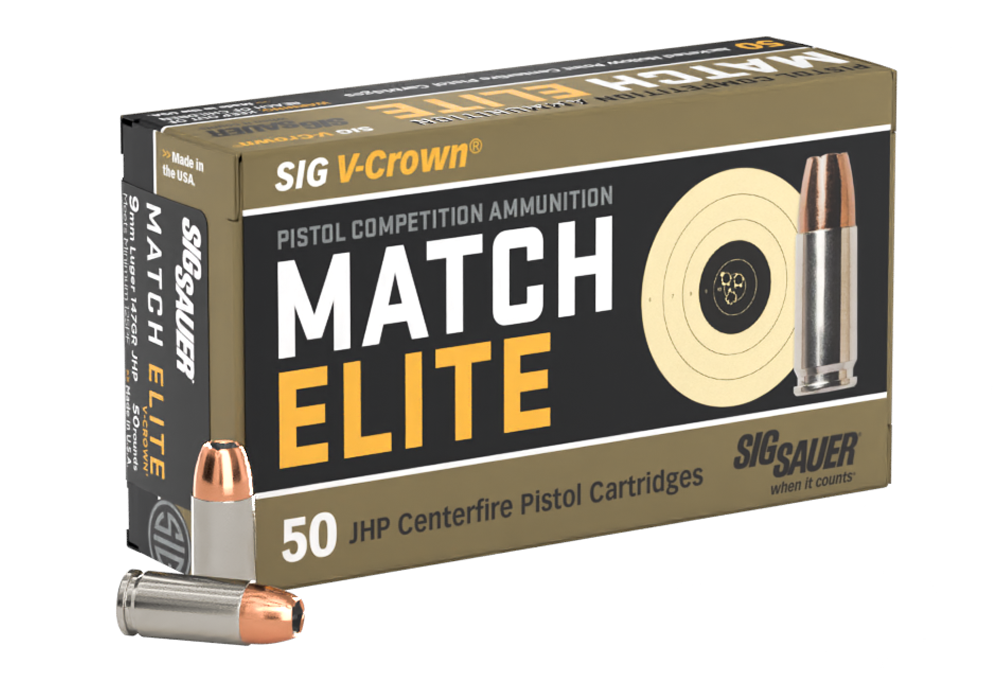
147 grain ammunition is a popular choice for shooters who appreciate the measured, controllable feel of a heavier 9mm projectile. Grain refers to bullet weight, and a 147-grain bullet carries more mass than lighter 9mm loads such as 115gr Ammunition. That added weight typically produces a slower, steadier recoil impulse that many shooters describe as a firm push rather than a quick snap. For new shooters, this can make it easier to maintain a consistent grip and return the sights to the target for follow-up shots. Experienced shooters often choose 147 grain loads because the impulse feels predictable from one shot to the next, especially during deliberate practice, defensive drills, or timed stages. Out of a standard-length pistol barrel, many 147 grain loads travel at approximately 950 to 1,000 feet per second, though actual velocity varies with the load, barrel length, firearm, and environmental conditions. This velocity range is often below the speed of sound, making many 147 grain loads suitable for suppressed shooting when the ammunition, firearm, and suppressor are properly matched. Subsonic ammunition does not eliminate every sound of a shot, but avoiding the sharp sonic crack can make the overall report more manageable when used with appropriate equipment and hearing protection. The result is a practical, versatile option for range sessions, training, competition, and lawful defensive applications.
When selecting 147 grain ammunition, begin with the intended use rather than focusing on bullet weight alone. Full metal jacket loads are commonly chosen for practice because they offer reliable feeding in many modern pistols and are generally economical for the repeated drills that build skill. A shooter working on smooth presentation from a holster, controlled pairs, or transitions between multiple targets may value consistent range ammunition that closely matches the recoil and point of aim of their preferred defensive load. For lawful personal protection, many shooters look for a jacketed hollow point designed to expand after impact, but no ammunition should be assumed to perform identically in every firearm or through every intermediate material. Bullet design, velocity, barrel length, accuracy, reliability, and penetration all matter. Before relying on any load for defensive use, fire enough of it through the intended firearm to confirm dependable feeding, ignition, extraction, and point of impact. A compact pistol can produce different results from a full-size pistol, and a threaded barrel or suppressor can also influence balance, cycling, and practical accuracy. Shooters using a suppressor should confirm that the ammunition is appropriate for the specific setup and remember that a subsonic load is not guaranteed to remain below the speed of sound in every barrel. Reading the cartridge specifications, checking the firearm manual, and following all applicable laws are important steps before purchase or use. Ammunition should be kept dry, protected from excessive heat and moisture, and stored securely away from unauthorized access. During the cooler months, transporting ammunition between a cold vehicle and a warm indoor space can create condensation, so allowing sealed containers to reach room temperature before opening can help protect cartridges from unnecessary moisture.
The heavier projectile also makes 147 grain ammunition a frequent consideration for practical pistol competition. Many match rules calculate power factor using bullet weight and velocity, and a 147-grain load may help a competitor meet a division minimum without relying on an especially fast charge; always confirm the current rules and verify performance with the match’s chronograph standards. The slower recoil impulse can support controlled movement and consistent follow-up shots, although every shooter’s grip, pistol configuration, and ammunition preference are different. For recreational use, this ammunition can be a thoughtful gift for a qualified adult who already owns a compatible 9mm firearm, maintains secure storage, and has a clear use for additional training or practice supplies. A gift card or a conversation about preferred bullet type may be more practical when firearm compatibility and intended purpose are unknown. Whether preparing for an indoor range session while the weather is cool, maintaining skills throughout the year, or organizing supplies for a competition season, buyers should compare cartridge specifications, projectile construction, packaging information, and local purchase requirements. Choose ammunition that matches the firearm’s chambering, use it only in a firearm designed for that cartridge, and inspect each round before loading. With those considerations in place, 147 grain ammunition offers a balanced combination of weight, controllability, and versatility for shooters who value a smooth shooting experience and consistent performance.