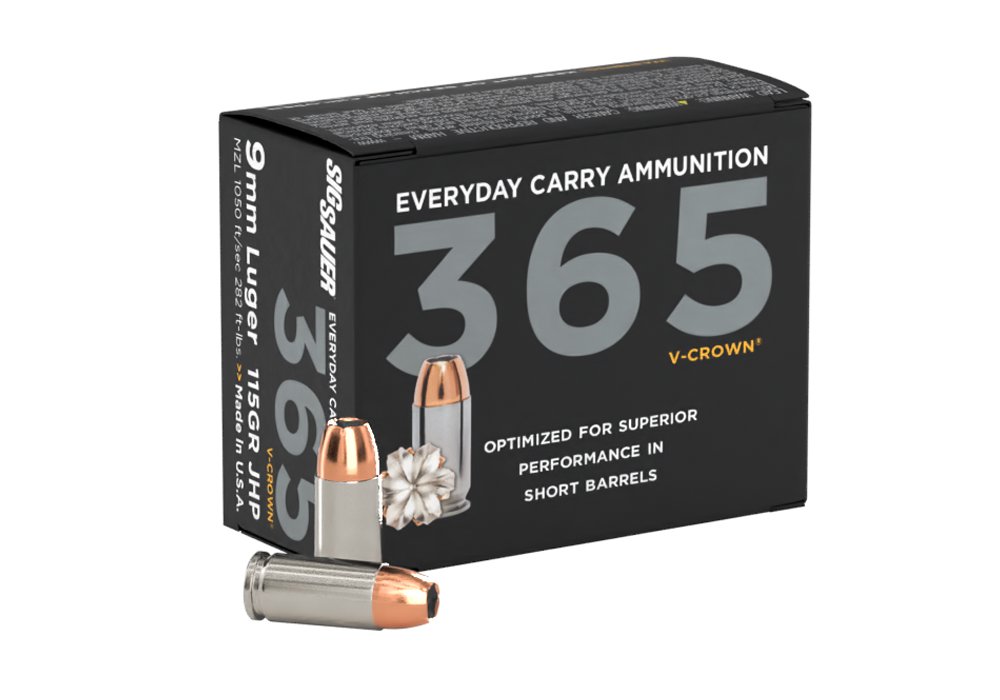
115gr ammunition refers to cartridges loaded with a 115-grain bullet, most commonly associated with 9mm Luger ammunition for handguns and other firearms chambered for that cartridge. The abbreviation “gr” identifies grains, a unit of weight used to describe the projectile rather than the complete cartridge or the amount of propellant inside it. There are 7,000 grains in one pound, and a 115-grain bullet weighs approximately 7.45 grams. Within the familiar range of 9mm bullet weights, 115 grains is lighter than 124 grains or 147 grains. That distinction helps describe the ammunition, but it does not establish its intended use, pressure rating, or compatibility by itself. For target shooting, recreational range sessions, and routine practice, 115-grain full metal jacket ammunition is a common choice. Its familiar place in range bags reflects its suitability for ordinary paper-target shooting and repeated practice with a compatible firearm. A morning spent checking groups on paper, a supervised introductory range visit, or a regular practice session can all involve this bullet weight without requiring the same firearm or shooting experience. Many conventional 115-grain 9mm loads have published muzzle velocities around 1,150 to 1,200 feet per second from handgun-length test barrels, although figures vary with the loading and test conditions. A shorter barrel may produce different results, so a velocity printed on a package is not a guarantee for every firearm. Compared with heavier bullets in the same caliber, lighter bullets often travel faster, but bullet weight alone cannot predict recoil, accuracy, or functioning. Firearm weight, barrel length, cartridge pressure, and the particular load all contribute to the experience. Some shooters describe lighter, faster handgun loads as having a brisk recoil feel; others notice more difference between firearms than between bullet weights. For a useful comparison, the most relevant details are the complete caliber designation, bullet construction, pressure marking, and published specifications—not simply the number 115. Those details distinguish ammunition suitable for a familiar range routine from a cartridge intended for a different role.
Bullet construction gives 115gr ammunition much of its practical character. A full metal jacket bullet typically has a lead core covered by a copper or copper-alloy jacket across its nose and sides, although the exact construction varies. The jacket provides a durable outer surface, and the rounded profiles common to this category are associated with conventional target ammunition. Full metal jacket describes construction, not a promise of identical performance across every loading. Hollow-point bullets have a cavity in the nose and are generally intended to expand under appropriate conditions. Their performance depends on design, velocity, and testing, so a 115-grain hollow point and a 115-grain full metal jacket should not be treated as equivalent simply because their weights match. For ammunition intended for personal protection, documented testing and suitability for the firearm matter more than assumptions about lighter or heavier bullets. The cartridge case is another important material consideration. Brass cases are common because brass can expand during firing to help seal the chamber and then contract sufficiently for extraction. Other case materials and surface treatments exist, but their suitability depends on firearm guidance and range rules. A bright case finish is not, by itself, a measure of quality, and a visible bullet jacket does not reveal every material beneath it. Indoor ranges may have restrictions on certain projectile constructions, while outdoor facilities may set their own ammunition requirements. Those rules are worth confirming before packing for a session, particularly when the bullet’s core or jacket material is not obvious from its appearance. The complete cartridge also includes a primer and propellant, with the components working together as a loading. Bullet weight cannot reveal the pressure specification or replace the information on the package. Standard-pressure ammunition and ammunition marked +P are distinct categories, and a 115-grain designation does not indicate which category applies. The firearm manufacturer’s instructions remain the reference for permitted ammunition, including any restrictions on pressure or construction.
Fit begins with the chambering marked on the firearm, not with a visual comparison between cartridges. 9mm Luger is also commonly identified as 9x19mm, but not every cartridge with “9mm” in its name is interchangeable. A bullet-weight match is likewise not a caliber match: ammunition must have the correct complete designation for the firearm, regardless of whether the projectile weighs 115 grains. This distinction matters for households with several firearms, shared range visits, and shooters comparing different ammunition categories. Clear labeling keeps those differences visible. Original packaging helps protect cartridges during storage and transport while preserving the caliber, bullet type, pressure information, and lot identification. Loose cartridges without a reliable identification history create uncertainty that their appearance cannot resolve. Ammunition also benefits from straightforward care. A clean, dry storage area and secure containers help protect cases and primers from moisture, contamination, and physical damage. Cartridges do not need oil or cleaning solvent; those substances belong away from ammunition. Visible corrosion, a split case, or a bullet seated noticeably differently from the others warrants setting the cartridge aside and following the ammunition manufacturer’s guidance rather than attempting a repair. Secure storage, separate from firearms and inaccessible to children or unauthorized people, is part of responsible ownership. At the range, eye and hearing protection remain essential, and facility rules should shape the ammunition brought along. For newer shooters, the value of a familiar 115-grain load is often the consistency it brings to supervised practice; for experienced owners, it may be a regular reference point when comparing the feel and grouping of compatible ammunition. Neither role makes bullet weight a substitute for safe handling or sound product information. Other projectile weights offer additional context, including the separate 150GR Ammunitions category, but a different weight does not establish a compatible caliber or equivalent use. For 115gr ammunition, the most meaningful selection connects the intended activity with the correct chambering, suitable bullet construction, and clearly stated specifications, then preserves those details through careful storage and handling.