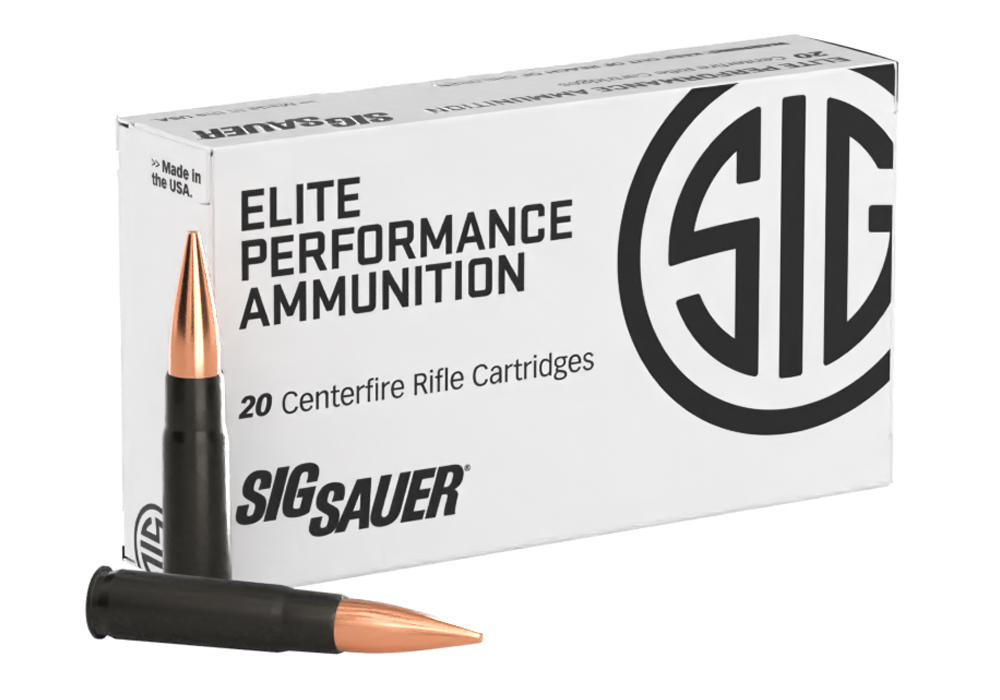
124-grain ammunition is a familiar choice for target practice, organized shooting sports, and personal defense, particularly in 9mm Luger. The 124gr designation describes the weight of the bullet, not the amount of propellant or the weight of the complete cartridge. At approximately 8.0 grams, a 124-grain bullet sits between common lighter and heavier bullet weights within the 9mm category, giving shooters a useful point of comparison when evaluating ammunition for an approved firearm. Bullet weight alone, however, does not establish compatibility: the cartridge designation on the packaging must match the firearm manufacturer’s specifications. A compact handgun, a full-size pistol, and a pistol-caliber carbine may all accept 9mm Luger ammunition, but each can respond differently to the same load because of differences in barrel length, operating system, and overall weight. Published muzzle velocities for many standard-pressure 124-grain 9mm loads fall roughly between 1,050 and 1,200 feet per second, although individual specifications can fall outside that range. Those figures reflect particular test conditions and should not be treated as a guaranteed result from every firearm. Recoil is similarly dependent on the complete combination of ammunition and firearm. Some shooters find that certain 124-grain loads feel less sharp than lighter-bullet alternatives, while others notice little difference or prefer another weight. Neither comfort nor accuracy can be predicted from grain weight alone. For the recreational shooter returning to the same indoor lane, or the experienced competitor keeping a consistent practice routine, familiar ammunition can make changes in feel and point of impact easier to recognize. The appeal of this bullet weight is its broad usefulness rather than a promise of identical performance everywhere. Reliable functioning, a manageable shooting experience, and suitability for the intended activity remain more meaningful than a single number printed on the box. Comparing ammunition within the correct cartridge category keeps that number in perspective and connects the selection to the firearm that will actually use it.
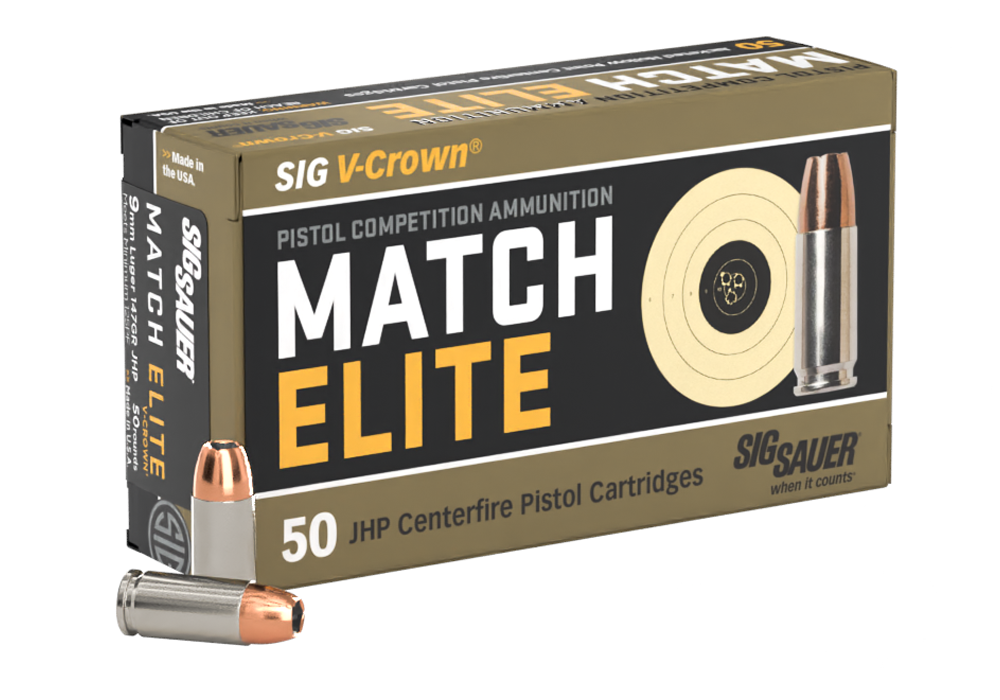
Bullet construction gives 124-grain ammunition much of its practical character. Full metal jacket, commonly abbreviated FMJ, generally uses a lead core surrounded by a metal jacket, often a copper alloy, with the exact coverage and construction varying by design. This style is widely associated with paper-target practice, recreational range sessions, and routine training because expansion is not its primary purpose. Jacketed hollow point, or JHP, ammunition has a different projectile profile and is generally intended to expand under specified conditions. It is commonly associated with personal-defense applications, but the presence of a hollow cavity is not a guarantee of a particular result. Performance depends on the individual design, impact velocity, and test conditions, so manufacturer information matters more than appearance alone. Neither FMJ nor JHP ammunition should be described as incapable of traveling beyond an intended target, and an appropriate backstop remains essential wherever shooting is permitted. Other projectile constructions may address particular range requirements, including restrictions involving exposed lead or certain jacket materials. A range’s ammunition rules can therefore be just as relevant as the firearm’s specifications. Cartridge cases also differ. Brass is common because it provides a useful combination of corrosion resistance and mechanical properties suited to cartridge operation; some ammunition uses other case materials or protective finishes. A nickel-plated surface can offer additional corrosion resistance, but no finish removes the need for sensible handling and storage. Consistent assembly, sound case condition, and suitable component design all contribute to dependable performance. For someone spending an afternoon working through paper targets, a practice-oriented construction may fit the activity, while a person evaluating ammunition for lawful personal protection will have a different set of considerations. Shooters participating in organized events may also need ammunition that meets the event’s published requirements. These distinctions explain why two cartridges with the same 124-grain bullet weight can serve different purposes. The useful comparison is not simply weight against weight, but construction, published specifications, firearm compatibility, and intended use considered together.
Care and handling help protect the condition of ammunition between shooting sessions. Original packaging keeps the cartridge designation, bullet weight, pressure markings, and lot information together, making it easier to distinguish otherwise similar-looking rounds. Separate, clearly identified containers can serve the same organizational purpose when they retain that information. Ammunition belongs in a secure, dry storage area, protected from moisture, contaminants, and access by children or unauthorized people. Cases with visible corrosion, significant dents, loose projectiles, or other apparent damage should not be used; the manufacturer or a qualified professional can provide appropriate direction for questionable ammunition. Ammunition does not benefit from polishing, lubrication, or improvised repairs, and oils or solvents should be kept away from cartridges. Ordinary firearm maintenance is a separate matter and should follow the firearm manufacturer’s directions. Compatibility also extends beyond the caliber name: ammunition labeled +P has a higher pressure designation and should only be used in firearms expressly approved for it. A heavier bullet does not automatically mean higher pressure, and a standard-pressure label does not make a cartridge suitable for every firearm with a similar bore diameter. The same care applies when comparing neighboring bullet-weight categories. Related selections such as 150GR Ammunitions provide a broader view of projectile weights, but a different grain designation does not establish that cartridges share the same caliber or fit the same firearm. For regular range visitors, keeping a record of the ammunition used can help explain differences in observed functioning, recoil feel, or target results across sessions without assuming that bullet weight is the only cause. For someone considering ammunition as a gift, the recipient’s exact cartridge requirements, intended use, and applicable legal restrictions deserve attention before any selection. Across recreational shooting, formal practice, and lawful personal-defense ownership, 124-grain ammunition is best understood as a category with varied constructions and performance characteristics. Clear labeling, appropriate storage, and a close match between ammunition specifications and firearm requirements give that category its practical value.