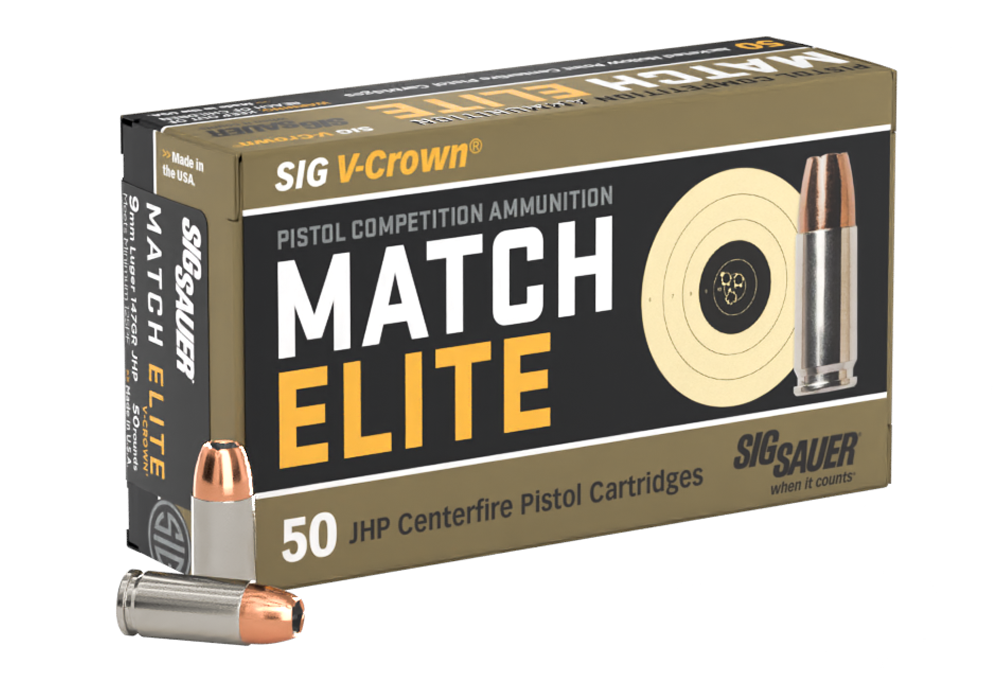
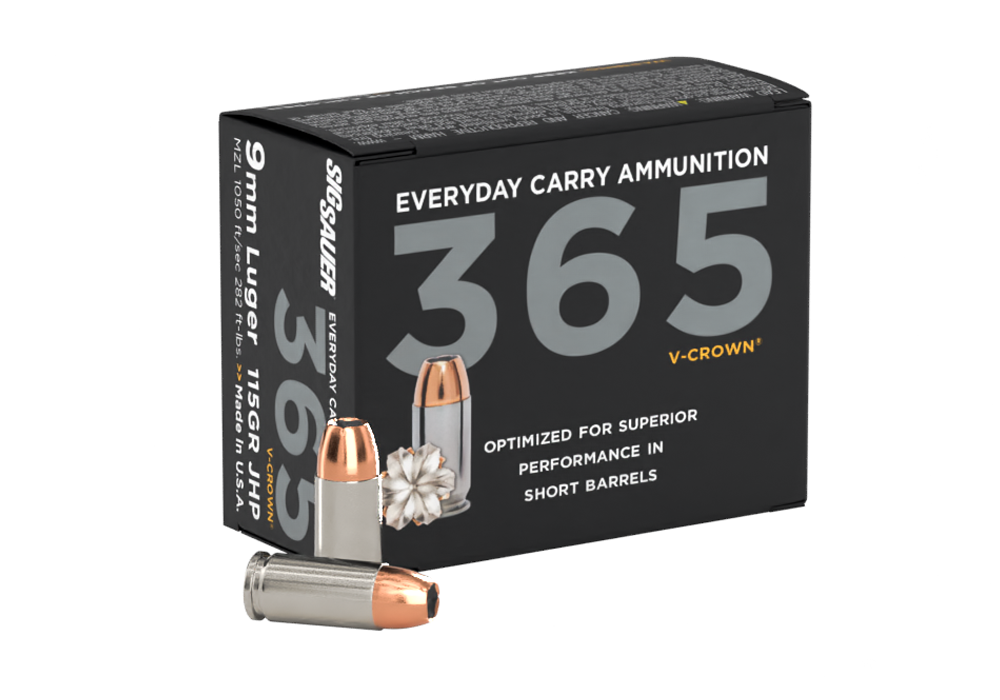
150-grain ammunition is a versatile choice for shooters who want a balanced blend of handling, trajectory, and practical performance from a compatible rifle cartridge. The 150-grain weight is commonly associated with medium-bore cartridges such as .308 Winchester, .30-06 Springfield, and .30-30 Winchester, although the correct cartridge must always match the firearm exactly. Because bullet weight is only one part of a cartridge’s overall design, shoppers should compare caliber, bullet construction, intended use, velocity, and firearm compatibility before ordering. A 150-grain load can offer manageable recoil while still providing useful energy for target practice, hunting, and general rifle work. In many .308 Winchester and .30-06 loads, muzzle velocity may fall in the range of roughly 2,800 to 2,900 feet per second, while .30-30 loads often run at a lower velocity suited to the cartridge’s classic hunting role. Exact figures vary with barrel length, powder charge, bullet profile, and manufacturer specifications, so the information printed on the box should guide final selection. Shooters who enjoy a traditional hunting rifle, a modern sporting rifle, or a dependable range setup may all find value in this mid-weight category. For those comparing nearby bullet weights, 147 Grain Ammunitions offers another point of reference when considering how bullet weight can influence recoil, trajectory, and overall rifle balance.
For range sessions, 150-grain ammunition can be a practical option for building familiarity with a rifle and refining fundamentals. Full metal jacket loads are often selected for paper targets, steel targets approved for rifle use, sight confirmation, and steady practice from a bench or supported position. Consistent practice helps a shooter learn how a particular rifle responds, where its shots group, and how changes in distance or weather affect the point of impact. Before visiting a range, review its rules regarding cartridge type, projectile construction, and permitted targets, and use only ammunition listed as suitable for the firearm. A clean, organized range bag can include eye and ear protection, a staple gun or target clips, a notebook for recording group size, and enough ammunition for a focused session without rushing. Many shooters prefer to begin with a few slow groups, allowing the barrel to cool as needed, then continue with practical drills that reinforce steady breathing, a repeatable cheek position, and smooth trigger control. The experience is especially useful for someone returning to rifle shooting after time away, learning a new platform, or preparing for an upcoming hunt. Ammunition can also be a thoughtful gift for a seasoned shooter, but the purchaser should confirm the exact caliber and bullet style first. A gift card or a conversation about the recipient’s rifle may be more useful than guessing, since even cartridges that appear similar can be unsuitable for a particular chamber.
For hunting, 150-grain ammunition is widely associated with medium-sized game such as whitetail deer, mule deer, and antelope, when paired with a suitable expanding bullet and used within the shooter’s practiced range. Bullet construction matters greatly: a hunting projectile is designed for a different purpose than a full metal jacket range load, and local regulations may specify which types are permitted for a given species or season. Hunters should verify rules with the relevant wildlife authority, confirm the legal requirements for projectile type and caliber, and select a load that has been tested in the rifle rather than relying only on general performance claims. At typical short-to-medium hunting distances, a 150-grain bullet can provide a familiar trajectory and a comfortable balance between recoil and retained energy. A flatter path through ordinary hunting ranges may simplify holdover decisions, but real-world results depend on zero distance, barrel length, elevation, temperature, wind, and the individual rifle. Longer shots require especially careful judgment; wind can influence any projectile, and a hunter should remain within a distance where accurate placement is repeatable under field conditions. Before the cooler months bring increased time outdoors, many responsible hunters confirm their zero, inspect cartridges for corrosion or damage, and practice from realistic field positions such as kneeling, sitting, or using a pack for support. Store ammunition in a cool, dry location away from heat, oil, solvents, and unauthorized access, and transport it according to applicable laws and range or hunting-area rules. Whether the goal is a quiet morning in a blind, a measured afternoon on the range, or a carefully planned rifle outing with family and friends, selecting the right 150-grain ammunition begins with matching the cartridge to the firearm and the bullet design to the intended activity.