140-grain ammo is ammunition loaded with a projectile weighing 140 grains, or approximately 9.07 grams. That measurement describes the bullet, not the weight of the complete cartridge, and it does not identify the caliber by itself. The 140-grain weight is especially common in 6.5 Creedmoor and 6.5x55 Swedish rifle ammunition, where it serves both target-shooting and hunting applications. Many 140-grain 6.5 Creedmoor loads have published muzzle velocities around 2,650 to 2,725 feet per second, although actual velocity depends on the individual load, barrel length, and firearm. These figures provide context rather than a promise of identical results in every rifle. For shooters comparing ammunition, the appeal of this weight often lies in the balance between projectile mass, streamlined shape, and manageable recoil within the appropriate cartridge. A long, slender 6.5mm projectile can have a relatively high ballistic coefficient, helping it retain velocity and resist wind deflection, but bullet design matters as much as the number printed on the box. Two bullets weighing 140 grains can differ substantially in profile, construction, and performance. On a range, those differences may show up as changes in point of impact, group size, or consistency across a string of shots. For hunting, they can affect how the projectile expands and penetrates. Recreational rifle shooters, competitors, and hunters therefore approach 140-grain ammunition with different priorities, even when they use the same cartridge designation. Someone shooting paper targets from a supported bench may value repeatable groups above all else, while a hunter may place greater emphasis on a projectile designed for dependable performance on the intended game. Neither purpose is defined by bullet weight alone. The cartridge marking, projectile type, and published performance information together give a more useful picture of what the ammunition is intended to do. A familiar bullet weight can narrow the field, but it cannot replace a clear understanding of the rifle and the shooting task.
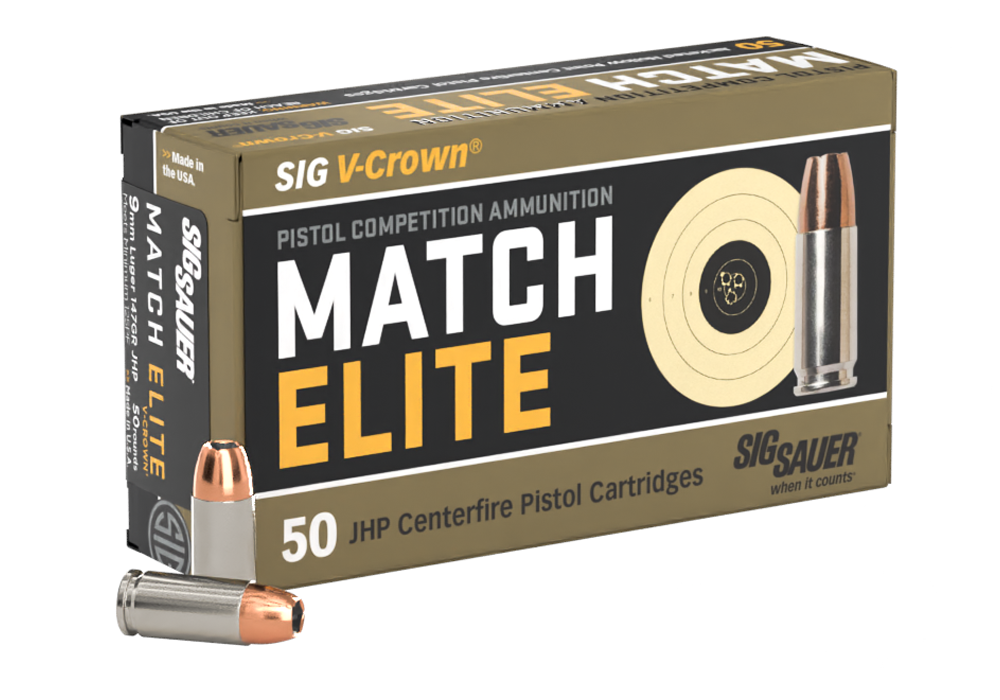
Projectile construction is one of the most important distinctions within 140-grain rifle ammunition. Many bullets use a lead core enclosed in a copper-alloy jacket, while other designs use different core materials or solid construction. Jacket thickness, nose geometry, and the relationship between the core and jacket influence how a bullet behaves after impact. Match-oriented projectiles often emphasize uniform dimensions and an aerodynamic profile, with boat-tail bases, open tips, or polymer tips appearing in various designs. A boat-tail base tapers toward the rear of the bullet to help reduce aerodynamic drag. An open-tip match bullet, however, should not be assumed to provide the controlled expansion expected from a hunting projectile simply because its nose has an opening. Hunting-oriented bullets may use soft points, polymer tips, bonded cores, or other construction features intended to balance expansion with penetration. Their suitability depends on the complete design and the manufacturer's stated application, not merely their appearance. For deer hunting and other lawful game pursuits, the relevant considerations include the animal, applicable regulations, and the performance limits established for the load. At the range, consistency in the projectile, propellant charge, primer, and cartridge assembly helps support repeatable results, though ammunition remains only one part of the accuracy equation. Barrel condition, firearm compatibility, and the shooter's technique also matter. Brass cases are common in centerfire rifle ammunition, providing a case material well suited to the pressures and sealing requirements of the cartridge. The case, primer, propellant, and bullet function as an integrated system rather than separate features to rank in isolation. Durability likewise means more than a tough-looking exterior: sound cases, securely seated projectiles, and protection from contamination all contribute to dependable ammunition condition. A clean carton with legible labeling also has practical value when several similar-looking cartridges share a range bag. These construction details help distinguish ammunition intended for a long afternoon of target practice from ammunition selected for a particular hunting application, without suggesting that one design is best for every shooter.
Compatibility is the starting point for any comparison of 140-grain ammo. The cartridge designation on the ammunition must match the firearm manufacturer's specified chambering; the same bullet weight does not make different cartridges interchangeable. A 140-grain 6.5 Creedmoor cartridge and a 140-grain 6.5x55 Swedish cartridge have different case dimensions and are not substitutes for one another. Even within the correct chambering, rifles can respond differently to particular bullet profiles and loads. Barrel twist rate, chamber dimensions, and the firearm's overall configuration can influence results, making the manufacturer's guidance and the ammunition's published specifications more meaningful than a general claim about bullet weight. For a shooter returning to a familiar bench and target distance, consistent ammunition can make it easier to evaluate the rifle's performance over repeated sessions. For a competitor, a clear record of the load and its behavior supports continuity between practice and organized events. For a hunter, ammunition intended for the relevant game helps keep projectile selection aligned with the purpose of the outing. Comparisons with 150GR Ammunitions are most useful when cartridge designation, bullet construction, and intended use are considered alongside weight; a heavier projectile is not automatically more accurate or better suited to a particular task. Care and storage deserve the same attention as selection. Original packaging keeps cartridge details and lot information together, while secure storage protects ammunition from unauthorized access, moisture, oils, and solvents. Loose rounds rolling among tools or other equipment can lose their identifying context and be exposed to unnecessary wear. Visible corrosion, damaged cases, or bullets that appear displaced are reasons to keep ammunition out of use and seek qualified guidance. Responsible ownership also includes following firearm instructions, range requirements, and applicable laws. Considered as a complete cartridge rather than just a grain-weight label, 140-grain ammunition offers a well-established category for shooters who value clear specifications, appropriate projectile design, and dependable performance in a compatible rifle.