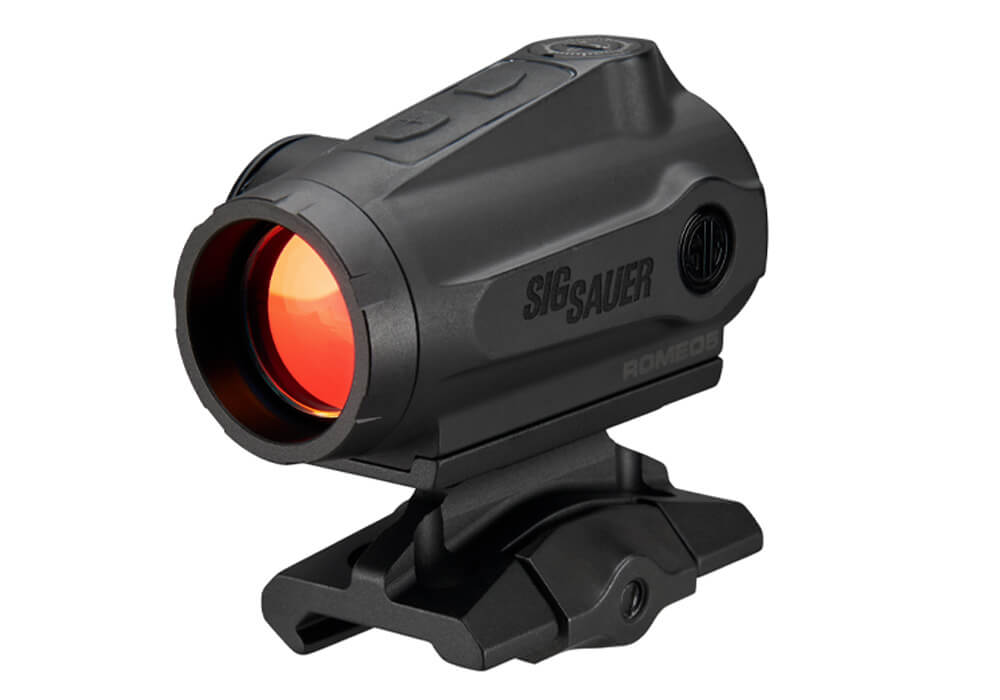
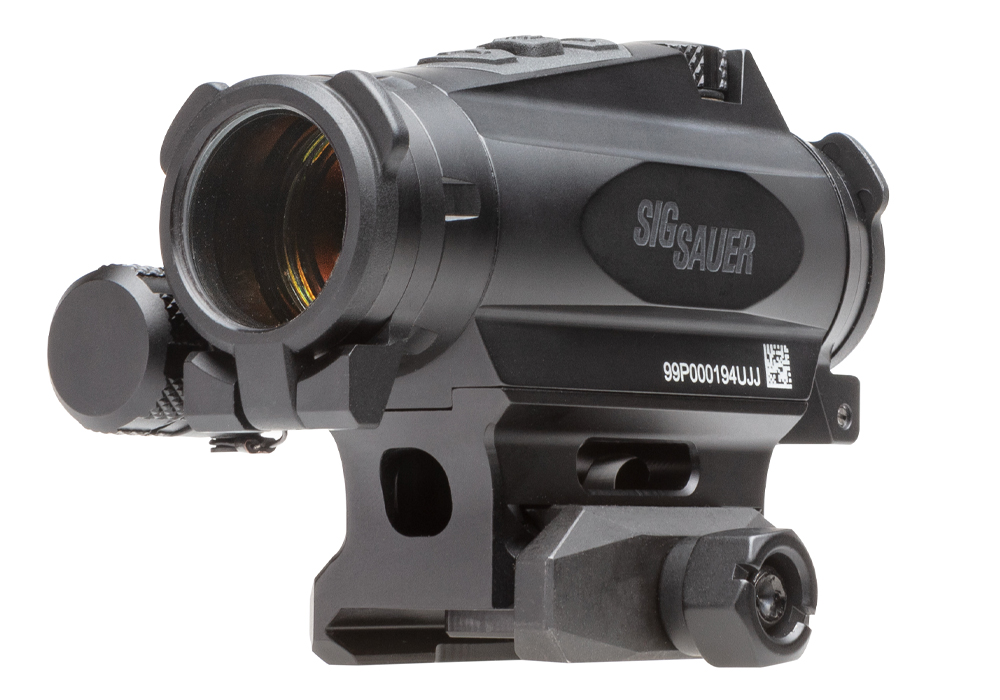
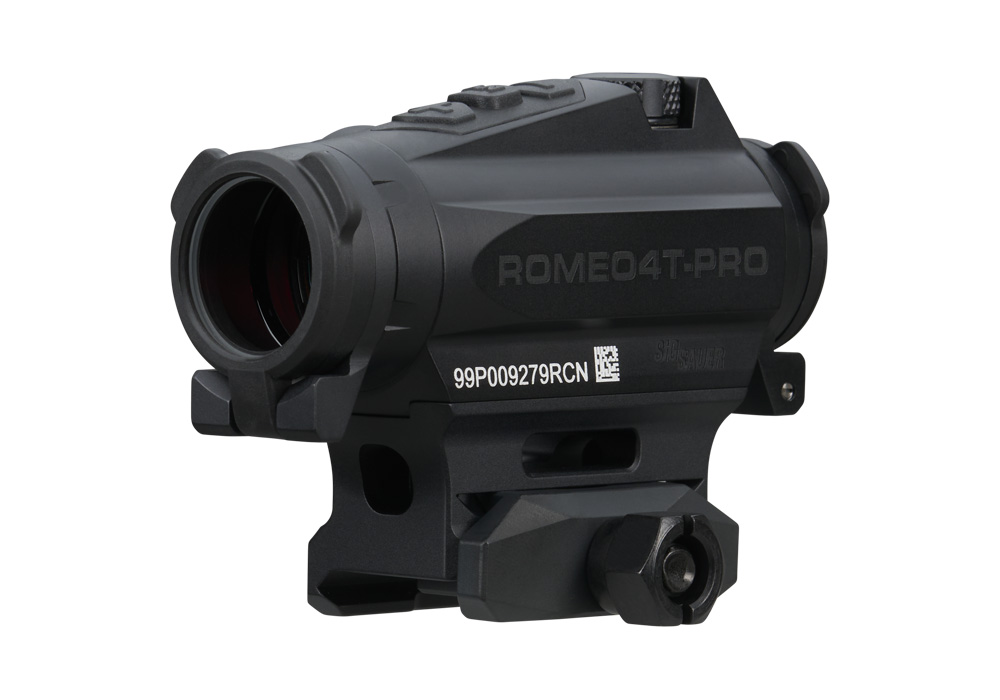
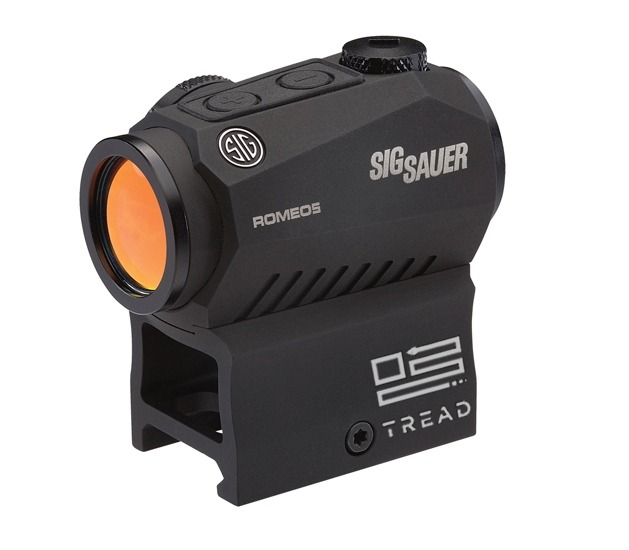
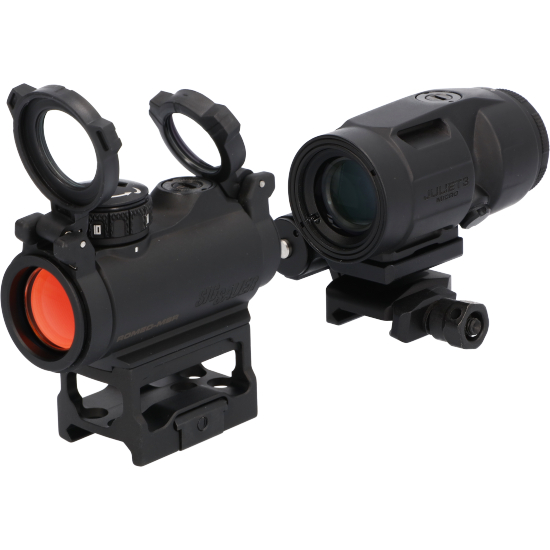
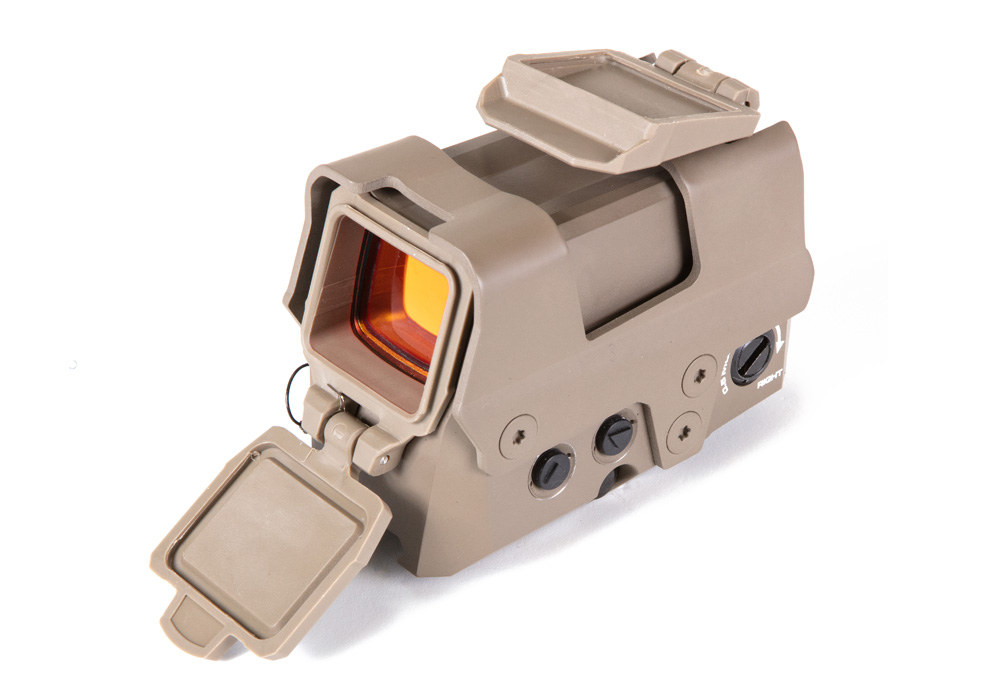
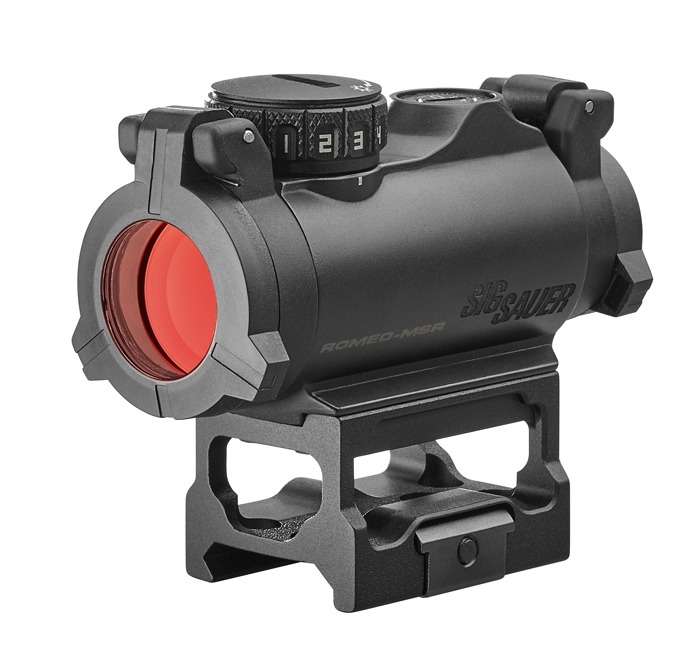
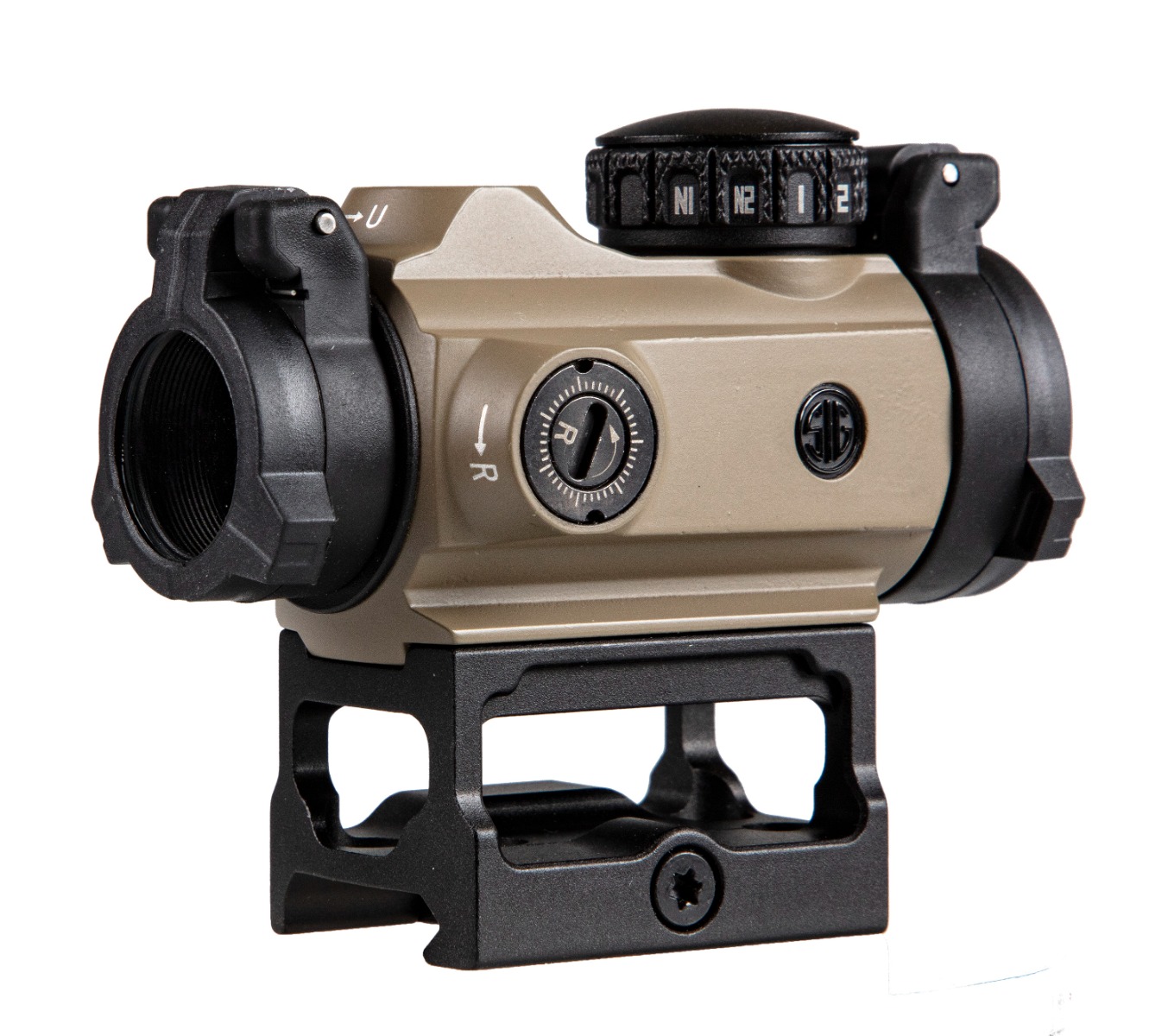
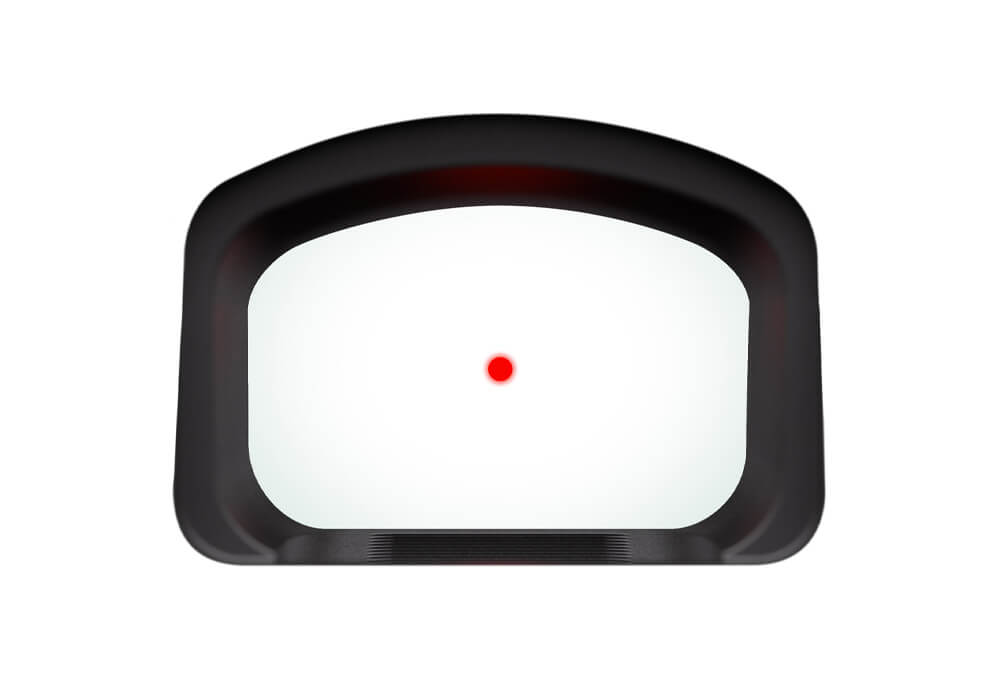
A 2 MOA red dot sight for a shotgun provides a small illuminated aiming point that covers approximately 2 inches of a target at 100 yards, 1 inch at 50 yards, and half an inch at 25 yards. MOA stands for minute of angle, an angular measurement that describes the dot’s apparent size rather than the firearm’s accuracy. That distinction matters: a fine dot can leave more of a small target visible, but ammunition, barrel characteristics, shooter consistency, and a secure mounting system still influence results. For shotguns used with slugs, a 2 MOA aiming point offers a relatively unobstructed view of the target at distances appropriate to the firearm and load. For turkey hunting, it can provide a clear visual reference without filling much of the target area. At the range, the same small dot can be useful when aiming at the center of a paper bullseye or checking consistency across different ammunition selections. Most red dot sights provide an unmagnified view, helping preserve awareness of the surrounding scene and allowing many shooters to aim comfortably with both eyes open. Unlike a magnified scope, a red dot generally offers flexible eye relief, although its position on the shotgun still affects comfort and how easily the dot comes into view. A 2 MOA dot is not automatically the best choice for every eye or every activity. Some shooters find a larger aiming point easier to notice, while others prefer the finer reference of a smaller dot. Brightness also changes the viewing experience: an excessively bright setting can make a small dot appear larger or less defined. Astigmatism and other vision differences may cause an illuminated dot to appear as a streak or cluster rather than a neat circle. The most useful combination is a dot that looks clear to the individual shooter, a viewing window that feels comfortable, and controls that allow practical adjustment without distracting from safe firearm handling.
Fit is especially important when comparing 2 MOA red dot sights for shotguns because mounting arrangements vary considerably. A receiver rail, an optic-ready interface, and a vent-rib mounting system are different attachment types, and compatibility depends on the exact firearm, sight footprint, and mount. A compact optic does not necessarily attach directly to a shotgun simply because both components are described as optic-ready. Mount height deserves equal attention. A sight positioned too high for the stock can leave the shooter lifting their head away from a comfortable cheek weld, while a suitably low arrangement may feel more natural as the shotgun comes to the shoulder. The optic and mount should also leave necessary clearance for the firearm’s controls and normal operation. Manufacturer compatibility information and qualified professional assistance are valuable when attachment details are uncertain. Shotgun recoil places substantial demands on an optic, so documented suitability for the intended platform matters more than appearance or a general claim of toughness. Durable aluminum housings are common, but alloy type alone does not establish how well a sight will withstand repeated use. Housing design, lens protection, internal construction, and mount security all contribute to reliability. Open-emitter sights typically have an exposed optical path and a relatively open viewing window; enclosed-emitter designs protect that path within a housing. Either layout can suit a shotgun when its construction and specifications match the application. Overall dimensions and weight also influence handling. An optic that seems small on a specification sheet can still affect balance or interfere with a preferred carrying position once a mount is included. For a shotgun carried over longer outings, a compact profile may be welcome; for regular range use, an accessible brightness control and generous viewing window may take priority. Lens coatings and optical clarity deserve attention as well. A useful sight picture lets the target remain distinct behind the aiming point, with manageable reflections and a view that feels comfortable during repeated use.
Everyday ownership involves more than dot size and housing material. Battery type, compartment location, adjustment controls, and power-management features shape how convenient a shotgun red dot is to maintain. A battery compartment accessible without removing the sight can simplify routine replacement, although any service should follow the manufacturer’s directions. Published battery-life figures usually depend on particular brightness settings and operating conditions, so they are best understood in that context rather than as a guarantee for every use pattern. Motion activation and automatic shutoff, when included, can reduce unnecessary battery use, but familiar controls and a sensible replacement routine remain important. Clearly defined brightness levels help a shooter keep the aiming point visible against different target backgrounds without overwhelming the view. Adjustment mechanisms should have understandable markings, and protected controls can help limit unintended setting changes during transport or handling. Care is generally straightforward: with the firearm unloaded and handled according to its safety instructions, lenses benefit from loose grit being removed before gentle cleaning with suitable optical supplies. Harsh solvents, abrasive cloths, and unnecessary pressure can damage coatings or seals. A protective cover and a case with enough clearance around the optic help prevent scratches and avoid pressure on the housing. Periodic checks of the mounting hardware according to the manufacturer’s specifications support dependable use, particularly on a firearm that produces substantial recoil. For shoppers weighing aiming-point sizes, 3 MOA Red Dot Sights offer a slightly larger reference that some eyes may pick up more readily, while a 2 MOA dot emphasizes a finer aiming point. Neither size determines the spread of a shotshell pattern or substitutes for confirming how a particular shotgun and ammunition combination performs. These optics can suit recreational shooters, hunters, and experienced shotgun owners seeking a different sighting arrangement. As a gift, a red dot is most successful when the recipient’s mounting interface, intended use, and viewing preferences are known. Across those uses, the strongest match brings together a clearly visible dot, verified fit, recoil-suitable construction, and maintenance requirements that the owner can comfortably sustain.