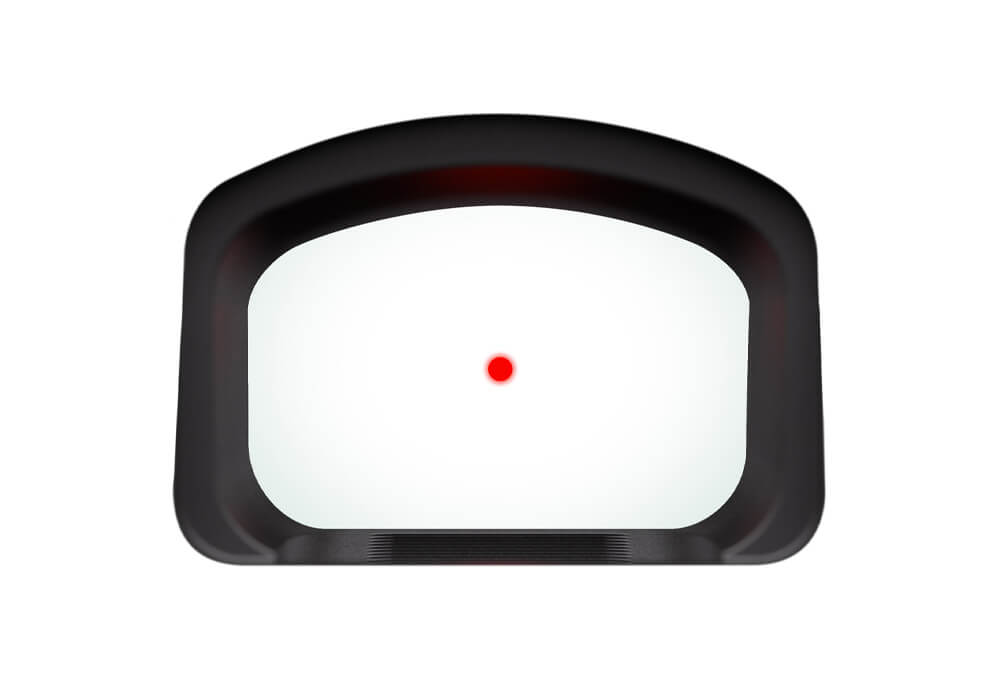
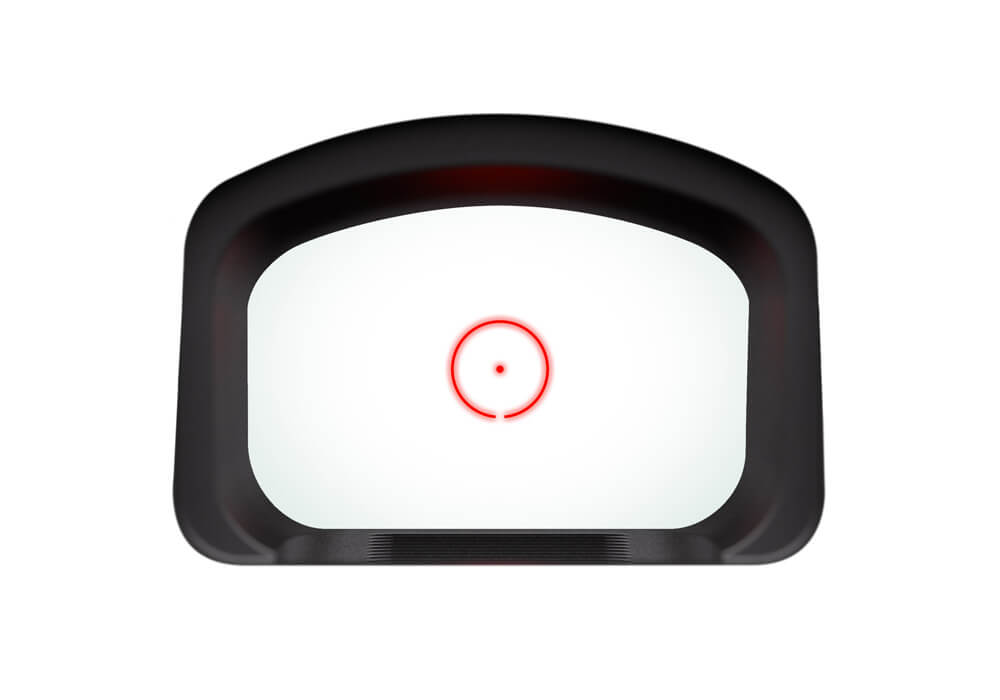
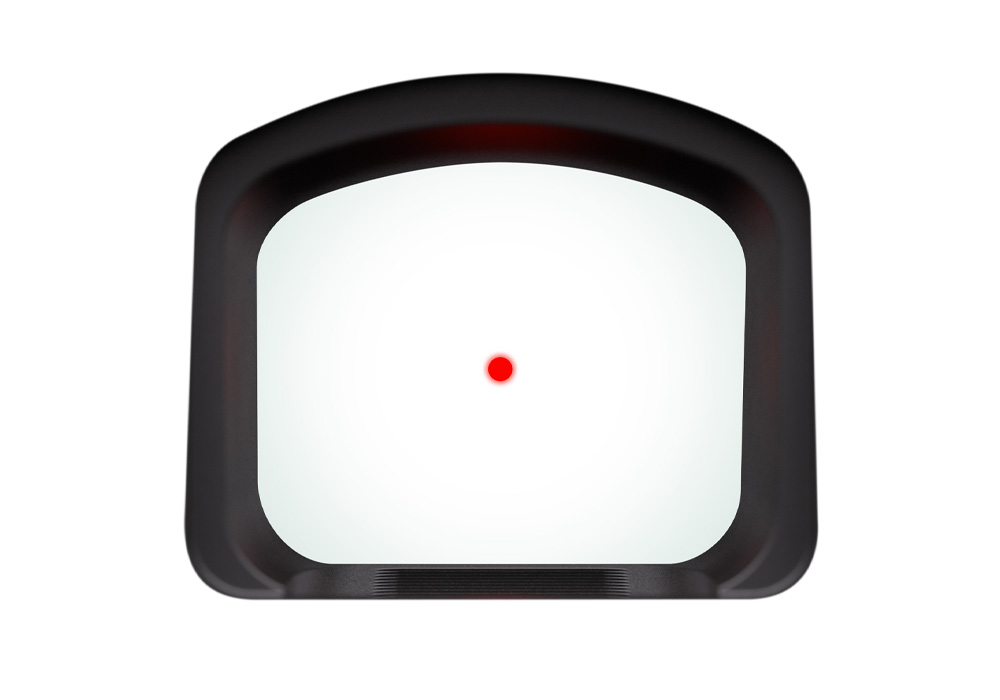
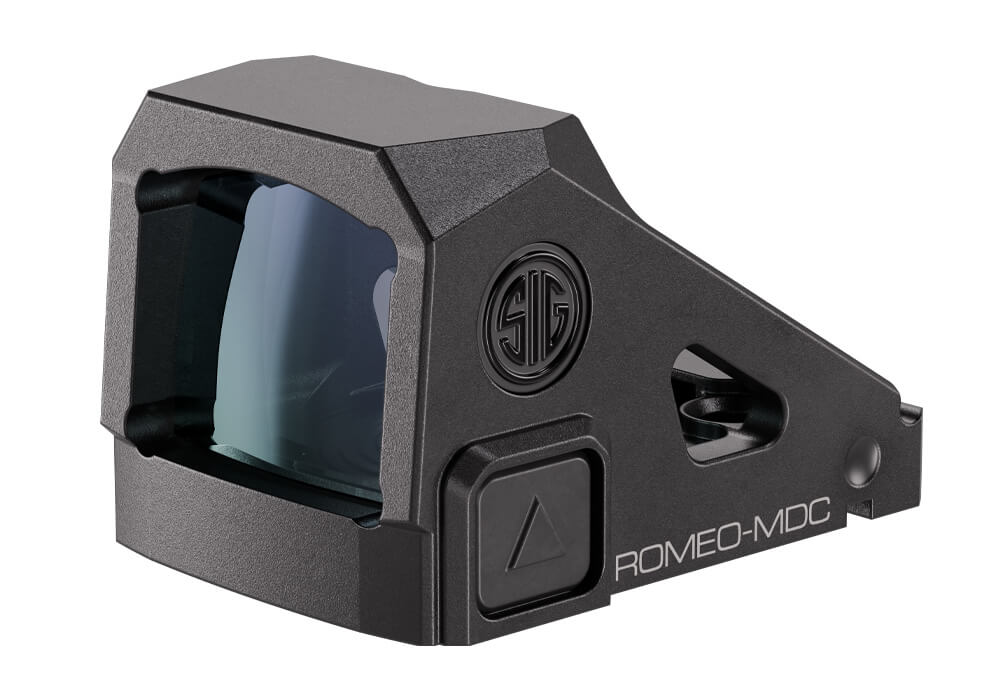
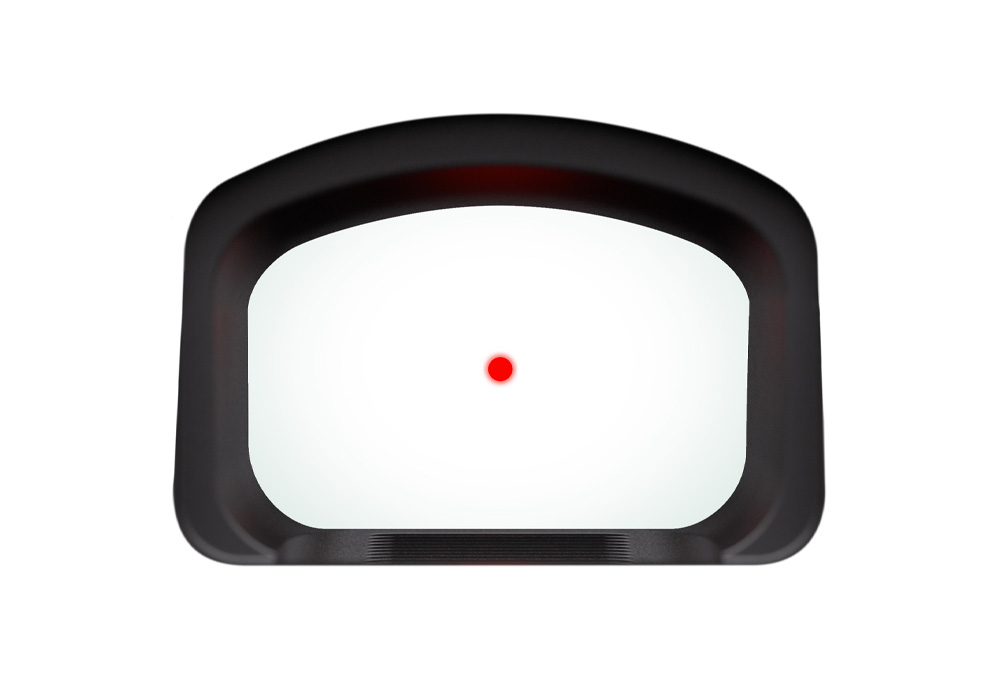
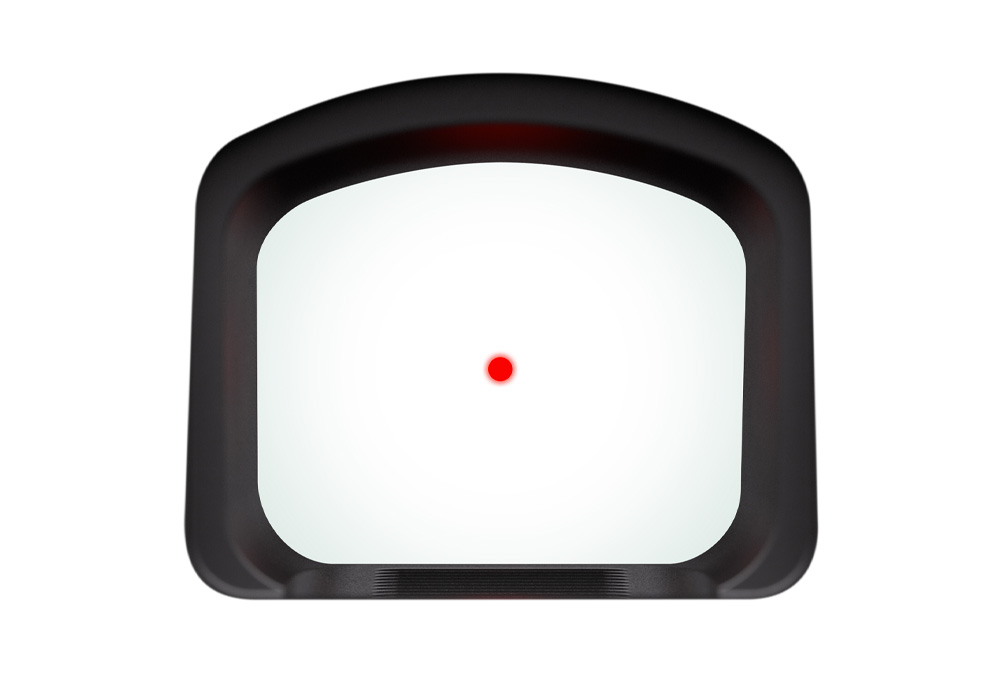
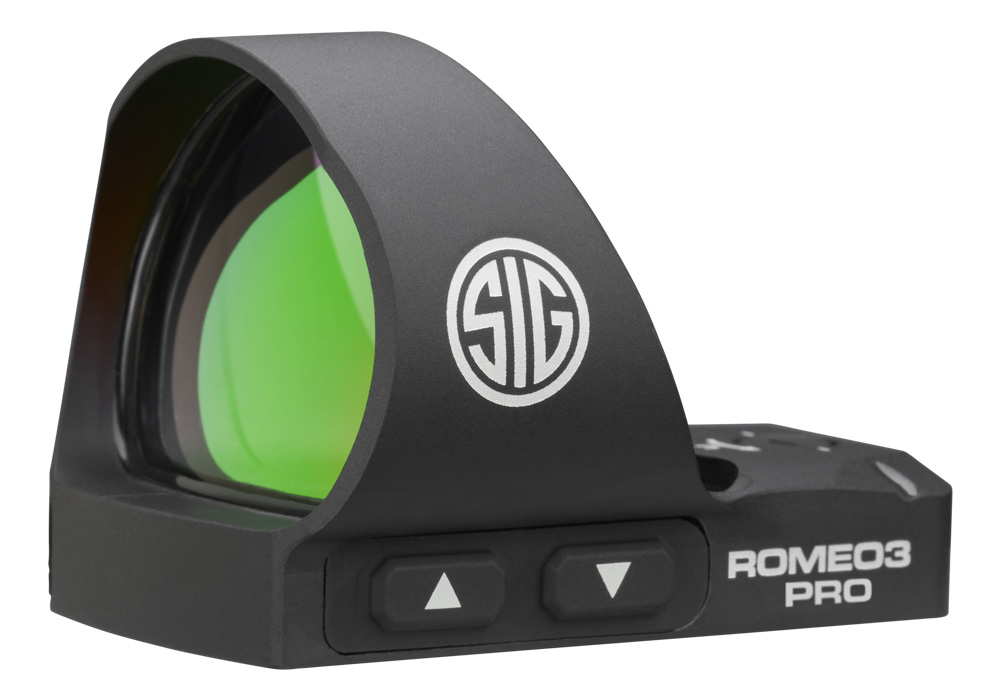
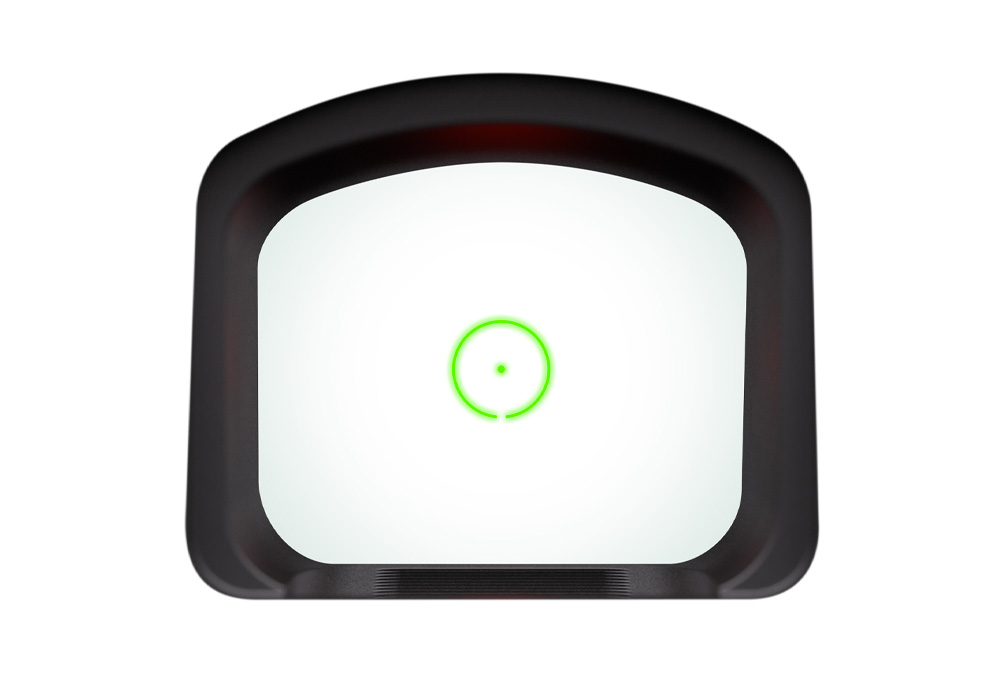
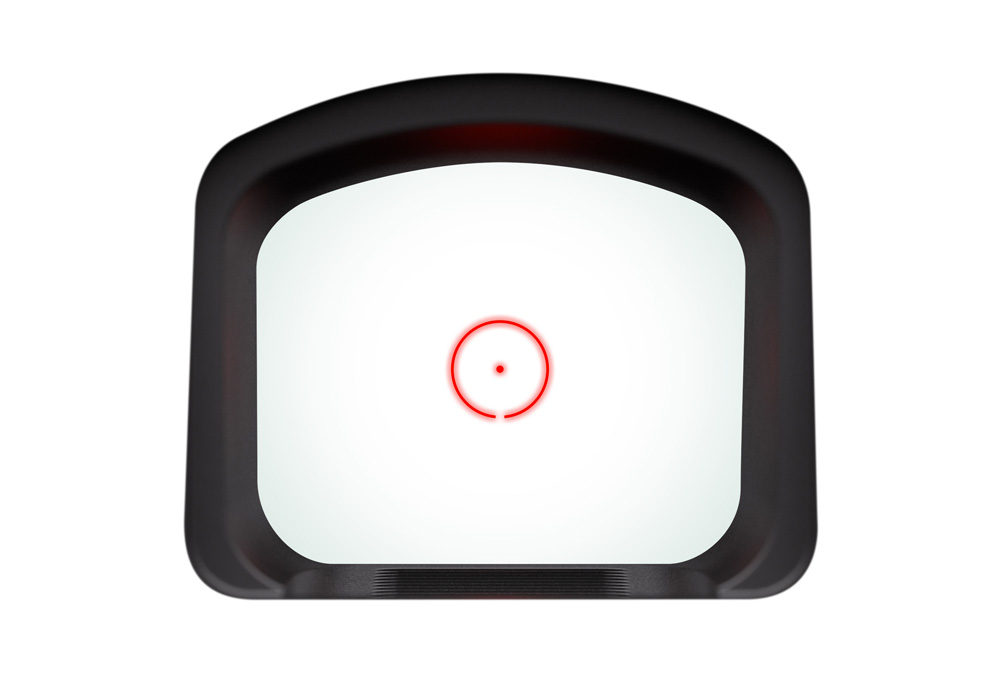
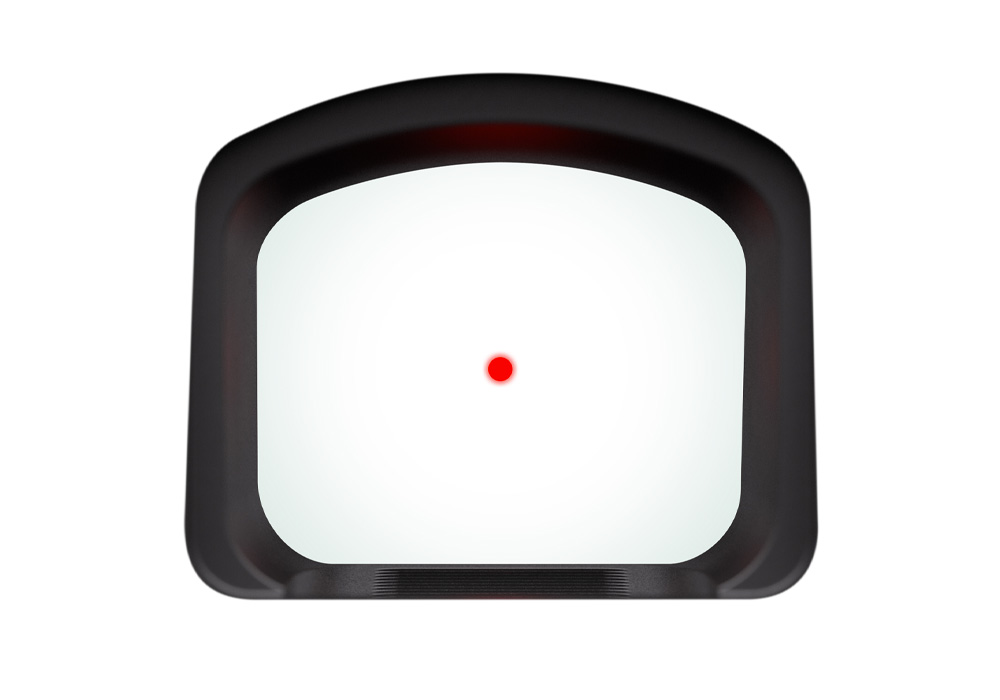
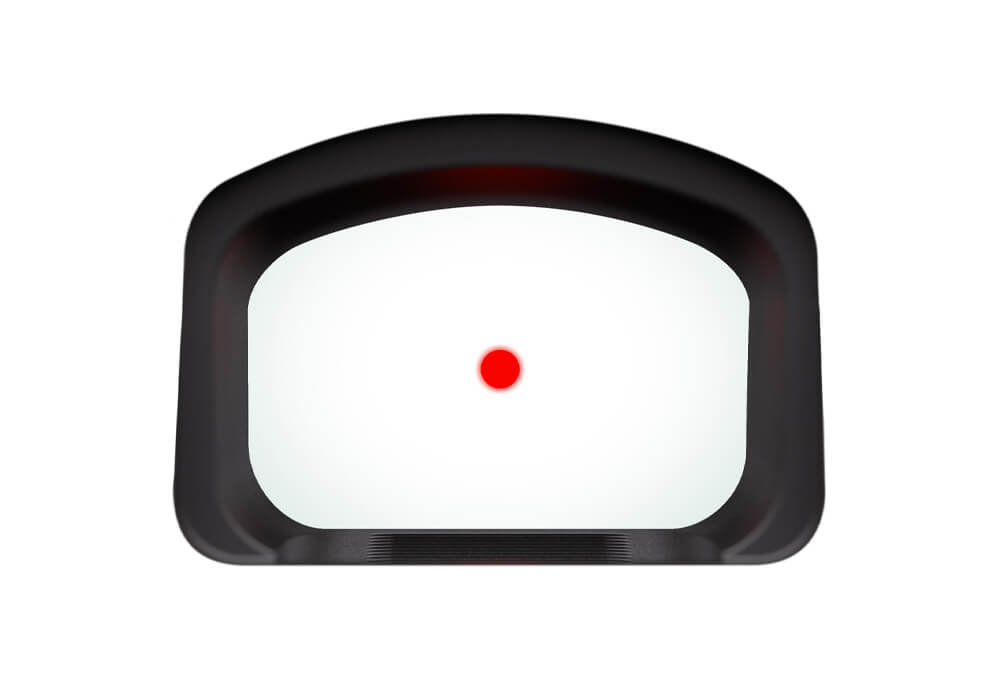
3 MOA red dot sights offer a practical balance between aiming speed and precision, making them a versatile choice for handguns, rifles, carbines, and some shotguns. MOA, or Minute of Angle, is an angular measurement used to describe the apparent size of the aiming point. A 3 MOA dot covers approximately 3 inches at 100 yards, 1.5 inches at 50 yards, and 0.75 inches at 25 yards. In real use, that means the dot remains visible enough for quick alignment while covering less of the target than a larger aiming point. For many shooters, this size feels like a natural middle ground: the dot is easy to pick up during a fast presentation, yet remains refined enough for deliberate shots on paper, steel, or game at practical distances. A compact 3 MOA aiming point can be especially useful on a pistol where the optic needs to remain unobtrusive, on a carbine used across changing distances, or on a rimfire platform used for practice and recreation. It does not guarantee a particular level of accuracy, since ammunition, firearm fit, shooter technique, environmental conditions, and zeroing all play important roles, but it gives the shooter a clear reference that is easy to place precisely. During the cooler months, when gloves, changing light, and heavier clothing can affect handling, a bright and well-defined dot can make the sight picture feel more consistent from one range session to the next.
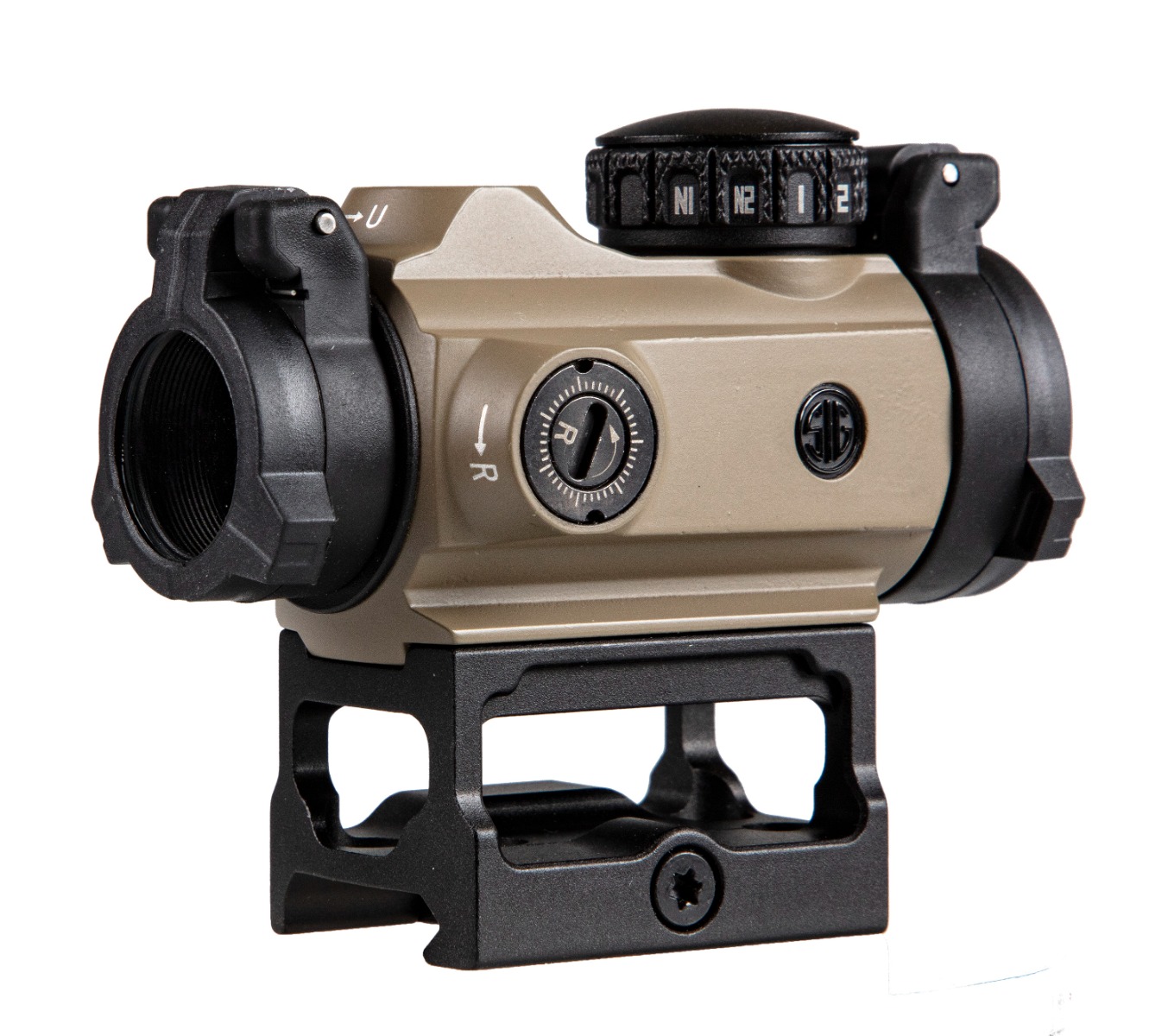
When choosing among 3 MOA red dot sights, begin with the firearm and mounting system rather than the appearance of the optic alone. Handgun users should confirm the slide cut or adapter plate pattern, available clearance, co-witness relationship with iron sights, and whether the optic’s shape works comfortably with the holster and intended carry setup. Rifle and carbine owners may give more attention to the mounting height, base design, return-to-zero performance, and compatibility with backup sights or magnifiers. A shotgun setup can place greater importance on rugged construction, a secure mount, and controls that are easy to operate while wearing gloves. Brightness adjustment is another important consideration. A dot should be visible against a bright outdoor background without blooming into a distracting starburst in lower light, and automatic brightness systems may be convenient for some users while manual controls offer more direct control for others. Battery life, battery access, motion activation, low-battery indication, window size, and lens coatings all deserve a place on the checklist. A clear window with minimal tint can help preserve the natural appearance of the target, while a protective hood or reinforced housing may provide additional confidence when equipment is transported, stored, or used around rough surfaces. It is also worth checking the optic’s dimensions and weight, since even small differences can affect the balance of a handgun or the overall feel of a lightweight carbine. A 3 MOA dot is often selected by shooters who want one optic to serve several roles, but the best match still depends on whether the priority is concealed carry, range practice, hunting, home protection, competition, or general field use. Always follow applicable laws, the firearm manufacturer’s instructions, and the optic manufacturer’s mounting and zeroing guidance.
For a shooter who prefers a finer aiming reference on a rifle, a smaller dot may be worth comparing, particularly when the firearm is used at longer distances or when the target is small. The selection of 2 MOA Red Dot Sights For AR15 can provide another point of comparison for AR-style platforms, while a 3 MOA red dot remains a flexible option for users who want a little more visual presence without moving to a larger dot size. The difference is subtle but meaningful: at 100 yards, a 2 MOA dot covers about 2 inches and a 3 MOA dot covers about 3 inches, although the practical effect depends on the shooter’s eyesight, lighting, target contrast, and desired speed. These optics can also make thoughtful gifts for a new firearm owner, a recreational shooter building a first range setup, or an experienced enthusiast refreshing an older platform. Before giving one as a gift, it helps to know the recipient’s firearm model and mounting footprint, since an optic that fits one platform may require a different plate, riser, or base on another. A useful setup is one that remains simple under familiar conditions: the dot appears clearly when the firearm is presented, the controls can be reached without changing grip, and the optic holds its zero after routine handling. Many shooters remember the first time a properly mounted red dot transformed a busy sight picture into a single, steady point against the target; that clarity is part of the appeal. With the right fit, careful installation, and a confirmed zero, 3 MOA red dot sights can support confident, repeatable aiming through bright afternoons, overcast range days, and the shifting light of the seasons.